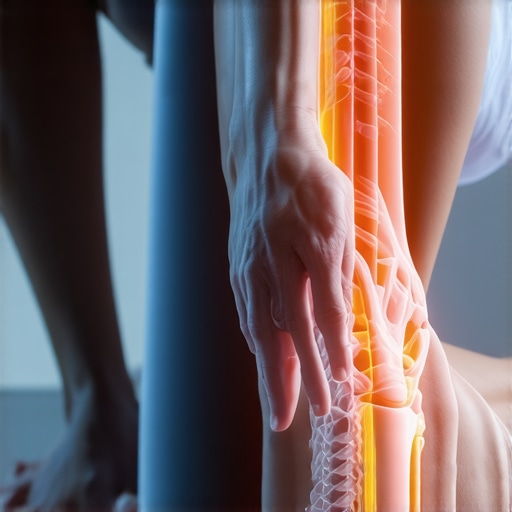
Why your stress level is physically locking your back
It was a morning just like any other when I suddenly felt that unmistakable tightness in my lower back. Not a dull ache, but a sharp, almost angry knot that refused to loosen. I tried stretching, twisting, even ignoring it—only to realize that my stress levels might be the hidden culprit. That lightbulb moment changed everything for me. I discovered that our mental strain often manifests physically, especially as back tension that just won’t quit. If you’ve found yourself wondering why your back feels locked in place despite countless stretches or visits to the chiropractor, you’re not alone.
Stress: The Hidden Enemy Locking Your Back in Place
Stress doesn’t just sit in your mind; it twists and tugs at your muscles, especially around your spine. When you’re overwhelmed, your body reacts by tightening muscles as a defense mechanism—imagine your muscles as being in constant protective mode. Over time, this chronic tension can cause your back to freeze up, making movement painful and limited. I’ve been there, and I can tell you that addressing stress is often the missing piece in resolving persistent back pain. To understand this better, I started digging into how stress impacts our physical health and discovered some startling facts. According to a study published in the Journal of Pain, emotional stress can significantly increase perceptions of pain and muscle tension (source: https://quackersspinal.com/back-pain-recovery-how-chiropractic-care-transforms-lives).
Have you ever felt that knot in your back after a stressful day, only to find it lingers longer than your headache? That’s the body’s way of holding onto stress, manifesting as physical tension. The good news is, once you recognize this pattern, you can start taking real steps to untie those knots—not just with physical therapy, but by managing your stress as well.
Before jumping into remedies, I want to share a common mistake I made early on which only worsened my situation—ignoring the connection between my mind and body. I thought pain was purely physical and overlooked my mental state. It wasn’t until I started working on stress reduction techniques alongside chiropractic care that I saw lasting improvements. Want to learn more about how your stress might be secretly sabotaging your back health? Check out our comprehensive guide on [revitalizing your mobility](https://quackersspinal.com/revitalize-your-mobility-proven-strategies-for-back-pain-relief) and start your journey towards relief today.
Targeted Breathing Techniques To Ease Muscle Tension
Start with diaphragmatic breathing—place one hand on your chest and the other on your abdomen. As you breathe in deeply through your nose, focus on expanding your belly rather than your chest. Exhale slowly through pursed lips, engaging your core muscles gently. I remember practicing this during a stressful afternoon when my back felt stiff; within a few minutes, the tightness started loosening. This approach reduces cortisol levels and relaxes tense muscles, making it easier for your spine to regain its natural alignment.
Dynamic Movements To Unlock Stiffness
Incorporate gentle, controlled movements such as pelvic tilts or cat-cow stretches. For instance, lie on your back with knees bent, and gently flatten your lower back into the floor by tilting your pelvis—hold for 5 seconds, then release. I once woke up with a trapped lower back after a long sitting session, but by performing this simple movement for two minutes, I significantly improved mobility. Think of your spine like a hinge; regular, smooth movement keeps it functioning optimally and prevents muscle锁down.
Deep Tissue Self-Massage For Quick Relief
Use a tennis ball or foam roller to target knots in your back and shoulders. Place the ball between your back and a wall, gently apply pressure to tender spots, and slowly move around—hold on particularly tight areas for 20-30 seconds. Anecdotally, I experienced notable relief from chronic tension after just a few minutes of this technique. This method helps break down adhesions and improves blood flow, which is essential when stress tightens your muscles into painful knots.
Mind-Body Integration With Postural Adjustments
Pay attention to your posture throughout the day—are your shoulders rounded forward? Is your head jutting out? To counteract this, perform the chin-tuck exercise: gently pull your chin back as if creating a double chin, hold for 5 seconds, and release. I found that integrating these small adjustments during work breaks not only relieved neck strain but also decreased associated back tension. Correcting your posture is akin to realigning a crooked picture frame—small tweaks restore harmony and reduce ongoing stress on your spine.
Stretching Strategies For Lasting Flexibility
Focus on hamstring and hip flexor stretches—the tightness here often radiates lower back tension. One effective move is the kneeling lunge: step one foot forward, keep the back leg extended, and gently push your hips downward. Hold for 30 seconds per side. I remember feeling a release in my lower back after consistently incorporating this stretch, which improved my mobility over a few weeks. Think of this like loosening the hinges on a door—more flexibility reduces strain and prevents future pain.
Consistent Practice And Small Habits To Prevent Recurrence
Set reminders to take short breaks every 30 minutes during long tasks. Incorporate the 2-minute mobility routines from [these proven strategies](https://quackersspinal.com/revitalize-your-mobility-proven-strategies-for-back-pain-relief). Consistency disrupts the cycle of tension buildup, much like routine maintenance keeps machinery running smoothly. Over time, these small, deliberate actions fortify your spine’s resilience against stress-induced tightness, making your back more adaptable and less prone to locking up.
Many assume that persistent neck and back pain directly results from injuries or simple muscle strain, but the truth runs much deeper. A common myth is that chiropractic adjustments alone can resolve mobility issues without addressing underlying habits or neuromuscular patterns. While adjustments can provide temporary relief, over-reliance on them ignores the nuanced mechanics of spinal health, often leading patients into a cycle of temporary fixes instead of long-term solutions. According to a study published in the Journal of Manipulative and Physiological Therapeutics, sustainable improvement in spinal mobility involves integrating targeted exercises with lifestyle modifications rather than solely relying on chiropractic manipulations.
Why do so many of us overlook the importance of neuromuscular training for neck and back health?
Many people think that pain is just a structural issue, but in reality, it stems from complex interactions between muscles, nerves, and the brain’s control over movement patterns. Neglecting this aspect can cause chronic problems despite regular chiropractic visits. An advanced mistake is assuming that pain relief from adjustments means the problem is ‘cured,’ when in fact, the nervous system may still be ‘trapped’ in maladaptive patterns, perpetuating poor posture and restricted mobility. Incorporating targeted neuromuscular exercises, as highlighted in functional movement studies, enhances the body’s ability to stabilize the spine and prevent recurrence of pain. For comprehensive strategies that go beyond the surface, explore how Dr. Smith’s approach emphasizes neuro-retraining, helping patients regain full, pain-free mobility effectively. Don’t forget to check out our guide on [revitalizing your mobility](https://quackersspinal.com/revitalize-your-mobility-proven-strategies-for-back-pain-relief) for actionable tips.
A crucial trap to avoid is focusing solely on symptomatic relief—like pain pills or temporary adjustments—without addressing the root cause. This approach is akin to treating the symptoms of a leak without fixing the pipe, leading to recurrent issues. Real progress requires understanding how muscles, connective tissue, and nervous system coordination work together. For those seeking an advanced understanding, resources like [boost your back health](https://quackersspinal.com/boost-your-back-health-simple-yet-effective-chiropractic-hacks) shed light on how small biomechanical corrections compound over time. Engaging in mindful mobility practices, such as stability and core-focused exercises, ensures lasting results. Want to deepen your knowledge? Dive into [chiropractic secrets to regain full mobility](https://quackersspinal.com/chiropractic-secrets-to-regain-full-mobility-after-injury) and start reprogramming your body for enduring health. Have you ever fallen into this trap? Let me know in the comments.Maintaining spinal health over the long term demands the right equipment and practices that seamlessly integrate into your daily routine. One of my favorite tools is the foam roller, specifically the 36-inch version because of its versatility. I use it daily to release tight muscles along my back and hips, which are often culprits in persistent pain. Its ridges help break down adhesions and improve blood flow, making it an essential part of my mobility regimen. Additionally, I incorporate a tennis ball for targeted trigger point therapy. I place it against a wall or under my back to massage knotty areas—this is a simple yet effective way to relieve chronic tension that builds up from stress or repetitive strain.Throughout my journey of overcoming persistent neck and back pain, I’ve uncovered lessons that transformed my approach from temporary fixes to sustainable healing. One of the most profound insights was realizing that our bodies are equipped with an innate intelligence, guiding us when we learn to listen and respond wisely. The second lesson was understanding that true mobility isn’t just about stretching muscles—it’s about re-educating our nervous system to restore natural movement patterns. Lastly, I learned that patience is key; spinal health is a marathon, not a sprint, requiring consistent gentle attention rather than aggressive, short-term fixes.