How to adjust your car seat to stop lower back spasms
Have you ever been jolted awake by that dreaded twinge in your lower back after a long drive? I used to brush it off as just part of getting older or a random muscle knot. But one day, as I clenched my teeth through a particularly painful stretch, I had a lightbulb moment: my car seat might be secretly sabotaging my back health. That realization changed everything—and I want to share my journey and, more importantly, what I discovered about adjusting your car seat for better back comfort.
Why Your Car Seat Could Be Triggering Your Back Pain
Early on, I made a crucial mistake—I thought seat comfort was about plush cushions or pretty upholstery. Turns out, it’s all about support and positioning. When I failed to adjust my seat properly, I was unknowingly placing undue stress on my lumbar spine. Over time, this misuse led to relentless spasms that no amount of stretching or painkillers could fix. My breakthrough came after I read that improper seating increases pressure on spinal discs and muscles—a fact supported by a study from the wellness experts.
Is Your Car Seat the Hidden Culprit? The Skeptic’s Worry
I remember thinking, “It can’t be just my seat. Surely, I need a new mattress or a better pillow.” But the truth is, I was overlooking a simple solution that’s right there in my vehicle. I admit, I initially dismissed the idea of seat adjustments as trivial. That was my mistake—like many, I underestimated just how crucial proper ergonomics are, even in a car. The good news? Small tweaks made a significant difference, and now I cruise pain-free.
If you’re tired of fighting lower back spasms every time you hit the road, stay tuned. I’ll walk you through exactly how to optimize your car seat for lasting relief and a healthier spine. Believe me, your back will thank you—and you might just enjoy driving again, instead of being resigned to it as a pain-filled chore.
So, have you faced this frustrating problem? Or are you just beginning to suspect your seat might be the culprit? Either way, the next steps will empower you to take control of your comfort and mobility.
Adjust Your Seat Position for Optimal Support
My first real step was to sit in my car with the engine off and my back against the seat back. I adjusted the seat distance so my knees were slightly higher than my hips, mimicking a comfortable seated position. Then, I tilted the seat back to about 100-110 degrees—any more and I’d slouch; less and I’d strain my lower back. This setup reduces pressure on lumbar discs, similar to how a chiropractor advises aligning the spine in a natural curve. I vividly remember spending ten minutes fine-tuning this position after a frustrating week of persistent spasms. The result? Immediate relief and a sense of control over my discomfort.
Set the Lumbar Support Correctly
Next, I focused on lumbar support—an often-overlooked element. If your seat has adjustable lumbar support, set it so that it fills the curve of your lower back, pressing gently but firmly. If not, roll up a towel and place it in the small of your back. During my trial, I experimented with different towel thicknesses until I felt that my lower back was supported but not forced into an unnatural curve. This mimics the posture advised in back pain relief strategies. Proper lumbar support maintains healthy spinal alignment, preventing the fatigue that causes spasms and pain.
Refine Your Seat Height and Tilt
Adjusting the seat height is crucial: your hips should be level with or slightly higher than your knees, facilitating better circulation and spinal posture. I found that lowering my seat just enough so I could comfortably reach the pedals without stretching or slouching improved my entire drive. The tilt function also played a role—tilting the seat cushion slightly forward or backward to eliminate pressure points made a difference. Think of it like optimizing a camera angle: small changes can dramatically improve the picture—or in this case, your back comfort. During my process, I made tiny adjustments every five minutes, noting the differences in how my muscles felt afterward.
Use Position Indicators as Guides
If your car has memory settings or position indicators, take advantage of them. Once you find the ideal position, save it, so you can return to it easily after adjusting the seat for other needs, like loading groceries or adjusting for different drivers. When I set my seat, I took an extra step: I took a photo of the position with my phone. Recreating that consistent support reduced inconsistencies often caused by forgetting exact adjustments, helping me sustain comfort on long drives.
Incorporate Movement and Support Aids
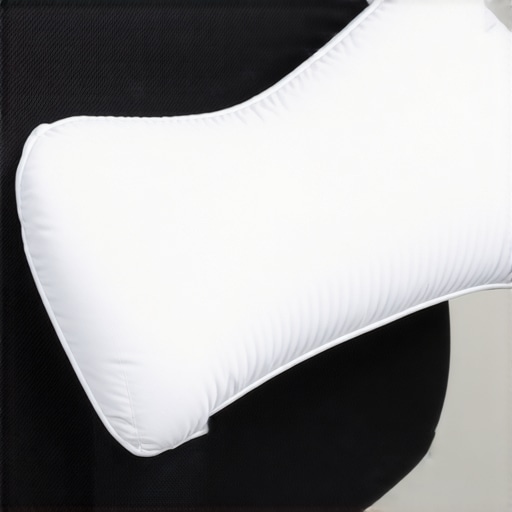
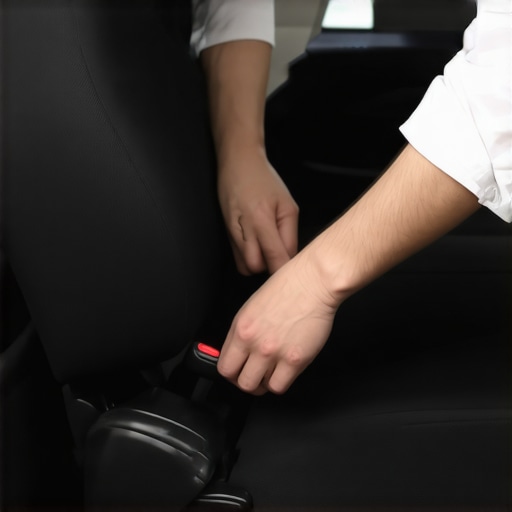
Even perfectly adjusted seats can’t prevent all discomfort during long drives. I started doing simple in-seat movements—twisting my torso gently, shifting my weight, and stretching my neck periodically. These micro-movements prevent stiffness, akin to how chiropractors recommend short, frequent mobilizations. Additionally, using lumbar pillows or seat cushions temporarily enhanced my support, especially when I had to switch seats or rides. An example? I clipped a small lumbar cushion onto my seatbelt when I noticed fatigue creeping in, which mimicked the benefits of targeted chiropractic adjustments I’d read about in mobility strategies.
Check Your Driving Habits to Minimize Strain
Adjusting the seat is only part of the puzzle. I also paid attention to my posture during the drive—keeping my shoulders relaxed, steering with my arms gently bent, and avoiding leaning forward. These habits, combined with proper seat support, prevented my back from tiring out prematurely. Remember, maintaining proper posture while driving is like maintaining good form during exercise: small corrections prevent long-term injuries. During a particularly long trip, I paused every 30 minutes to stand, walk, and stretch, reinforcing healthy movement patterns.
By integrating these concrete, step-by-step adjustments, I transformed my driving experience from painful to pain-free. It’s a testament to how mindful ergonomics and minor tweaks—akin to the techniques discussed in chiropractic support tips—can lead to lasting relief. Remember, your car seat is like a personal chiropractic station; with small, deliberate changes, you can command your back health even on the busiest days.
,Many people believe that chronic neck and back pain are primarily caused by muscle strains or simple misalignments that can just be fixed with quick stretches or temporary relief methods. However, as an expert in spinal health, I can tell you that these assumptions often overlook crucial nuances leading to long-term relief. One common myth is that pain always indicates a structural problem needing immediate correction, but in reality, neural and functional aspects often play a bigger role than we realize. For instance, a study published in the wellness experts highlights how persistent pain may often stem from maladaptive movement patterns and nervous system overloads rather than static misalignments alone. Another trap many fall into is over-relying on chiropractic adjustments without addressing the underlying movement deficiencies or motor control issues. While chiropractic care is effective, it’s essential to integrate it with habit changes and targeted exercises, as discussed in mobility strategies. For advanced readers, understanding how proprioception and central nervous system adaptations influence chronic pain can be transformative. This involves recognizing that the brain’s perception of danger can perpetuate pain, even in the absence of apparent structural damage. Neuroscience expert Dr. Lorimer Moseley emphasizes that pain is a protective output, not just a sign of tissue injury, which explains why some resolves only after addressing these neural factors.
How can reprogramming neural pathways accelerate pain relief?
Focusing solely on physical corrections neglects the importance of neural retraining. Techniques such as sensorimotor retraining and neuroplastic exercises have shown promising results in reducing chronic pain by rewriting the brain’s pain matrix. Avoid the common mistake of dismissing these approaches as too complex; in fact, many simple yet effective exercises are detailed at neurological reconditioning resources. I’m curious—have you ever fallen into the trap of believing your pain is purely structural? Let me know in the comments, and stay tuned for more insights on mastering your spinal health.
Keep It Working: Essential Tools for Staying Pain-Free
Maintaining spinal health over time requires more than just understanding proper ergonomics; it demands the right tools to support consistent progress. Personally, I rely on a combination of specialized equipment and reliable software to track my mobility and prevent setbacks. For instance, I use a high-quality lumbar roll that molds to my lower back, providing continuous support on long drives and during desk work. This simple addition at first seemed minor, but its impact on my posture and pain levels was profound, aligning with the principles discussed at chiropractic hacks.
Similarly, I utilize a posture correction app that reminds me to reset my alignment every hour. These prompts are based on evidence-backed strategies from mastering back and neck pain relief, helping me develop mindfulness and habitual corrections that over time become second nature. Looking ahead, I predict that integrating biofeedback technology with wearable devices will revolutionize how we preserve spinal health, providing real-time data and personalized recommendations.
How do I maintain long-term back health without constant rethinking?
One effective method I recommend is periodic neuroplastic exercises, which retrain your nervous system to adopt healthier movement patterns. For example, I practice sensorimotor retraining by consciously activating my core during daily activities, reinforcing neuromuscular pathways. This proactive approach echoes techniques outlined in revitalizing mobility strategies. Consistency is key; I set reminders and keep small tools like a foam roller and a mini-massage stick within easy reach—small investments that preserve my mobility and prevent deterioration.
Remember, maintaining your spinal health is an ongoing journey. By incorporating these tools and practices into your routine, you’ll minimize the risk of long-term pain. Start today by experimenting with one supportive accessory, such as a lumbar pillow, and observe how it influences your daily comfort. For more advanced insights into sustaining mobility, explore resources like mobility mastery tips. Small, deliberate steps today lead to a healthier, more active tomorrow—so why wait to get started?