The ‘Pigeon Stretch’ for deep hip and back relief
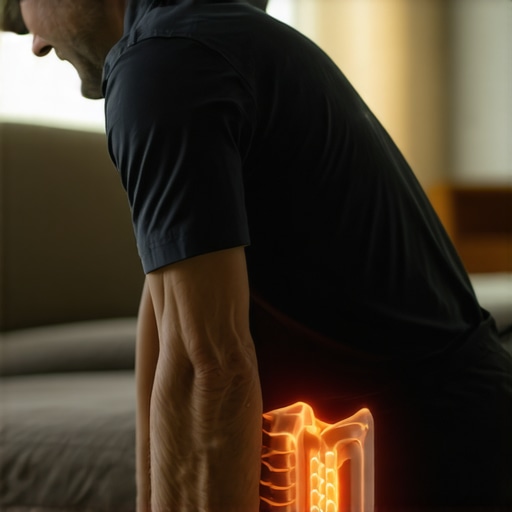
I’ll never forget the moment I realized my daily discomfort wasn’t just aging but a signal that I needed to rethink my approach to mobility. It was a hectic morning, rushing to get ready for work, when I felt that familiar tightness in my hips and a dull ache creeping into my lower back. Frustrated, I tried stretching like everyone else. Nothing changed. That’s when I had my lightbulb moment: what if the common stretches I was doing were not enough—or worse, could they be doing more harm than good?
Why the Pigeon Stretch Might Be Your Secret Weapon for Relief
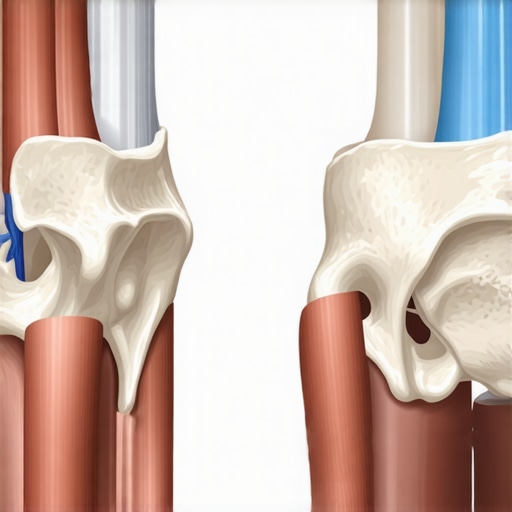
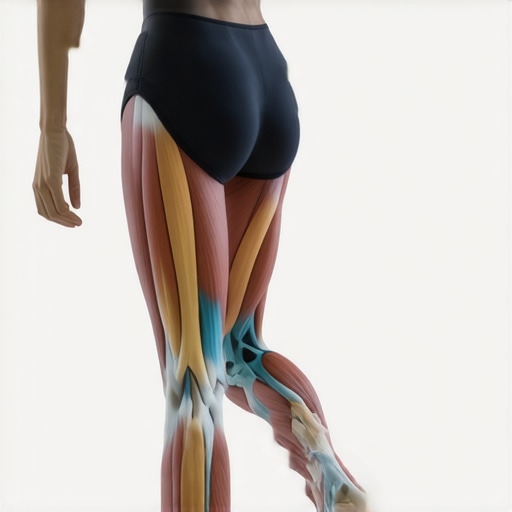
After years of trial, error, and consulting with chiropractors, I discovered the potency of a simple yet powerful move: the ‘Pigeon Stretch.’ It targets those deep hip muscles that are often neglected but crucial for relieving back tension and improving mobility. That lightbulb moment led me down a path of personal discovery and practical application, transforming not just my flexibility but my quality of life.
Is The Pigeon Stretch Actually Worth the Hype?
Early on, I made the mistake of rushing into demanding yoga poses without understanding proper technique, which only intensified my discomfort. It’s a common slip-up—many people think they can jump right into advanced stretches without preparation, risking injury or frustration. But with guidance and gradual progress, I learned to harness this pose’s true potential. Curious if the Pigeon is right for you? Believe me, it’s worth exploring, especially when combined with proven chiropractic strategies. Want to dive deeper into how to enhance your mobility naturally? Check out this resource.
Start with Precise Posture Awareness
During a busy afternoon, I caught myself slouching at my desk, shoulders hunched forward. That moment was a wake-up call. To correct this, I first learned to identify my default postures. Stand before a mirror and observe your natural stance — are your shoulders rounded? Is your head protruding? Recognizing these habits is the first step toward real change, similar to how a mechanic checks a car’s engine before fixing it. Regularly pause and assess your alignment; this small habit can prevent chronic pain from developing.
Incorporate Targeted Movement Routines
One morning, I set aside five minutes for a simple mobility drill. It involved deep hip openers like the pigeon stretch, combined with neck retractions. The key is consistency: perform these movements daily to retrain your muscles and joints. Think of your mobility as a garden — regular watering and care yield healthier growth. If done correctly, these routines alleviate tension and restore range, reducing reliance on medication or costly therapies.
Execute the Hip Openers Correctly
In my early attempts, I rushed into the pigeon pose without proper alignment, which worsened my discomfort. To avoid this, start on hands and knees, place one knee behind your hands, and gently slide the other leg back. Keep your hips square and avoid collapsing your chest onto the ground. Practice slowly, listening for signals from your body. Over time, this targeted approach relaxes tight hip muscles, echoing the way a well-tuned bridge distributes weight evenly across supports. Proper form is vital—consider consulting resources like this guide for detailed instructions.
Implement Breathing Techniques for Deep Relief
A breakthrough for me was learning diaphragmatic breathing. Lying on my back, I placed a hand on my chest and one on my belly. As I inhaled deeply through my nose, I focused on expanding my stomach rather than my chest. This technique calms the nervous system and decreases muscle tension around the spine. Think of it as releasing a spring: slow, controlled breaths gently unwound accumulated stress, allowing muscles to relax. Practice this for a few minutes daily for sustained benefits.
Secure Your Environment to Support Movement
One mistake I made was neglecting my workspace ergonomics. I adjusted my chair height so my feet rested flat and my knees were level. My monitor was raised to eye level, preventing me from craning my neck downward. These small adjustments are like upgrading your tools — they make the job easier and safer. Maintaining an environment that promotes good posture reduces strain and prevents pain from becoming a constant burden. Learn more about ergonomic setups at this resource.
Combine Movement with Professional Guidance
In one of my sessions, my chiropractor recommended specific strengthening exercises targeting back and neck stability. These included gentle planks and bird-dogs, performed with correct technique. Implementing these under professional guidance ensures safety and effectiveness, much like a coach guiding an athlete. Over time, these exercises build resilience, making everyday activities less taxing. For personalized strategies, consider consulting experts at this page.
Monitor Your Progress and Adjust Accordingly
Every few weeks, I journaled my discomfort levels and mobility improvements. Tracking progress helps identify what works best for your unique body. During a particularly tense week, I revisited my routines and increased stretching duration, which provided relief. Think of this like tuning a musical instrument — small tweaks make a big difference. Adapting your plan based on feedback accelerates recovery and prevents plateaus.
Integrating these concrete steps creates a comprehensive approach to relief. Remember, patience and consistency are your allies on this journey to mobility mastery.
Many people believe that consistent stretching and occasional chiropractic visits are enough to restore mobility and eliminate back or neck pain, but this is a misconception. A common myth is that pain is solely caused by muscle tightness or joint misalignment, dismissing the complex interplay of spinal health, nervous system balance, and movement patterns. In fact, studies show that overlooking these nuances can hinder recovery; for instance, stable spinal alignment alone doesn’t address poor movement mechanics or habitual postures that perpetuate pain and stiffness. A key mistake many make is focusing only on symptomatic relief through passive methods while neglecting active lifestyle adjustments and neuro-muscular retraining. aution: Be wary of quick fixes advertised online, like generic stretches or over-the-counter supplements, which often mask underlying issues without addressing root causes. Advanced approaches emphasize a comprehensive view, integrating chiropractic care with targeted strengthening, breathing techniques, and ergonomic optimization, as highlighted in resources like this guide.
But one question arises for those seeking deeper insights:
How does spinal stability relate to nerve function, and why might focusing solely on pain management be insufficient for long-term mobility improvements?
Understanding this connection is crucial. Nerve pathways originating in the spine control muscle function, reflexes, and even perception of pain. When spinal stability isn’t achieved, nerve roots can become irritated or compressed, leading to persistent discomfort and impaired movement. Correcting this requires more than just alleviating symptoms; it demands restoring proper neural communication through precise chiropractic adjustments complemented by movement retraining, as discussed in this article. Recognizing these nuances helps prevent recurrent injuries and paves the way for sustained mobility gains.
Have you ever fallen into this trap of oversimplification? Let me know in the comments.Maintaining mobility and spinal health over the long term requires more than just sporadic stretching or chiropractic visits. It involves using precision tools, adopting effective routines, and embracing a proactive mindset. Personally, I rely on a combination of targeted equipment and digital resources that reinforce healthy movement patterns and detect early signs of discomfort.
One indispensable tool I recommend is the use of a high-quality foam roller. Not just any foam roller, but a medium-density, textured one that allows for deeper muscle release without risking overstretching or bruising. Through consistent use, especially on my thoracic and lumbar regions, I’ve been able to alleviate tension that traditional stretching failed to address. It’s about applying controlled pressure to break up adhesions and promote fascia health, which direct stretching often overlooks.
Complementing physical tools, I utilize specialized mobility apps designed to guide daily movement routines. Apps like ‘MobilityWOD’ or ‘StretchIt’ provide step-by-step routines tailored to your specific needs, making it easier to stay consistent. These apps often include video demonstrations for correct form, which is critical to prevent injury—a mistake I made early on by performing exercises without proper technique. The advantage of these digital tools is their adaptability; they recognize progress or stagnation and adjust routines accordingly, supporting ongoing improvement.
Investing in ergonomic equipment also plays a vital role. I upgraded my workspace with an adjustable standing desk and an ergonomic chair that promotes natural spinal alignment. The real secret is to alternate between sitting and standing every 30 minutes, which helps prevent postural fatigue and spinal compression. Remember, passive equipment alone isn’t enough; integrating movement into your daily workflow ensures muscles stay active and joints remain lubricated.
Looking to the future, I predict advancements in wearable technology will further personalize spinal health. Sensors can monitor posture in real-time, providing instant feedback to correct habits before they become habitual poor postures. Already, innovations like posture-correcting smart braces are emerging, promising a more dynamic approach to maintaining mobility throughout active lifestyles.
How do I maintain my mobility tools and routines over time?
I keep my foam roller clean and replace it every two years to ensure consistent effectiveness. I also schedule regular self-assessments with my chiropractor, referencing insights from this resource, to verify that my routines align with my evolving body needs. Additionally, I track my progress through a mobility journal, noting any tightness or discomfort that could indicate the need for adjustments. The key is consistent maintenance and being attentive to subtle changes, much like tuning a musical instrument—small tweaks preserve harmony and prevent breakdowns.
Start by integrating a targeted foam rolling session into your daily routine, focusing on areas of habitual tension such as hips or shoulders. This simple yet powerful step can set the foundation for improved long-term mobility. Remember, investing in your tools and knowledge today pays dividends in resilience and comfort tomorrow. Want to learn more about optimal routines? Explore these proven chiropractic strategies for sustained benefits.
Lessons That Changed My View on Mobility
One of the most profound lessons I learned is that consistent, mindful movement trumps quick fixes. Early on, I believed a single session of stretching would resolve my issues, but I soon realized that sustained habits and understanding my body’s signals are key to lasting relief.
Another insight was recognizing the power of proper form over intensity. Doing an exercise the wrong way often worsened my discomfort, teaching me the importance of patience and technique, not just effort.
Finally, I discovered that addressing the nervous system through breathing and posture awareness profoundly impacts mobility. Healing is as much about relaxing the mind as it is about strengthening the body.
Tools That Made My Journey Easier
- Mobility Apps like ‘StretchIt’ and ‘MobilityWOD’— These guided routines keep me accountable and ensure proper technique, making daily practice more manageable.
- High-Quality Foam Rollers— A reliable foam roller helped me release fascia tightness that stretching alone couldn’t reach. Its textured surface provides nuanced pressure for deep muscle release.
- Ergonomic Workstation Equipment— Adjustable desks and proper monitor setups prevent postural strain during long work hours, acting as a first line of defense against discomfort.
- Professional Guidance from Chiropractors— Regular consultations helped tailor my routines, ensuring I wasn’t just performing exercises but truly healing and strengthening my spine and muscles.
Embrace the Journey Toward Lasting Mobility
Remember, transforming your movement takes patience, consistency, and a willingness to explore what truly works for your body. Each small step builds toward a life with less pain and more freedom of movement. Don’t wait for discomfort to become overwhelming—start today and give yourself the gift of mobility that lasts. Have you ever uncovered a simple tool or routine that made a big difference in your back or neck health? Share your story below; your experience could inspire someone else to take that first step.