How your laptop height is destroying your thoracic mobility
I remember the moment vividly—my shoulders felt stiff, and a dull ache crept up my upper back after a long day at my desk. It was as if a weight had settled in my chest, making every breath feel a little more labored. The culprit? My laptop setup. I had been unconsciously sacrificing my posture for the sake of convenience, and it was taking a toll on my thoracic mobility, the often-overlooked segment of our spine that plays a vital role in movement and overall well-being.
The Hidden Link Between Laptop Height and Back Health
How a Simple Adjustment Can Make a Big Difference
For a long time, I brushed off my discomfort, thinking it was just part of aging or stress. But once I started paying closer attention, I realized that my laptop was positioned too low, causing me to slump forward and strain my upper back. This habitual poor posture gradually diminished my thoracic flexibility, leading to stiffness, discomfort, and even headaches.
Did you know that even minor misalignments in your daily posture can eventually cause chronic problems? According to recent research, prolonged poor ergonomics can lead to decreased mobility and increase the risk of developing persistent back pain (source). That was my lightbulb moment—realizing that simple changes in my workspace could prevent long-term damage.
Here’s What We’ll Solve Today
In this post, I’ll share my personal journey and practical insights on how your laptop setup and posture are silently sabotaging your thoracic mobility. You’ll learn actionable steps to correct your workspace, exercises to restore movement, and tips to maintain a healthy spine—all tailored to help you avoid the pitfalls I once fell into.
If you’ve ever felt persistent upper back tension or noticed your posture slipping during the day, you’re not alone. Let’s dive into the root causes and discover effective strategies to reclaim your mobility and reduce discomfort.
Adjust Your Workspace for Better Posture
Elevate Your Laptop
Start by raising your laptop to eye level using a stack of books or a dedicated riser. This prevents you from slumping forward, which tightens your thoracic spine. I did this during a particularly busy workday by stacking a few thick textbooks, and within minutes, I noticed my shoulders relaxing and my upper back feeling less strained. Consistent elevation encourages proper alignment and reduces flexion in your thoracic region.
Use an External Keyboard and Mouse
Eliminate the temptation to crane your neck by connecting an external keyboard and mouse. Position them so your elbows are at approximately 90 degrees and your wrists are neutral. This setup prevents you from reaching forward or hunching over, which can cause mid-back stiffness. When I set up my workstation with these accessories, I found my posture improved significantly, and the recurring upper-back aches started to fade.
Incorporate Active Breaks and Exercises
Implement Micro-redirects
Every 30 minutes, take a quick pause to reset your posture. Sit back, open your chest, and gently squeeze your shoulder blades together—like trying to hold a pencil between them. I once caught myself slouching during a marathon work session; performing this simple ‘scapular squeeze’ for 10 seconds immediately relieved some tension and reminded me to maintain better form.
Practice Thoracic Extensions
Use a foam roller placed horizontally across your upper back. Gently lean back over it, supporting your head with your hands, to extend your thoracic spine. Do this for 15 seconds, then relax. One afternoon, after feeling persistent stiffness, I tried this technique in my living room and felt a wave of relief. Regular practice restores mobility and prevents stiffness from becoming chronic.
Prioritize Posture During Daily Activities
Bend from Your Hips
When reaching down or picking up objects, hinge at the hips rather than rounding your back. Think of your spine as a hinge—this preserves thoracic alignment and reduces strain. I learned this tip while moving boxes in my garage; sticking to hip movement kept my middle back pain-free and made the task more efficient.
Strengthen Your Upper Back Muscles
Engage in targeted exercises like face pulls or Y-T-W lifts to fortify the muscles that support your thoracic spine. Consistent strengthening creates a stable foundation, making your posture more resilient. I added these exercises into my routine gradually, and over weeks, the improvements in spinal support helped me sit comfortably for longer periods.
Explore Chiropractic Techniques
If persistent stiffness or pain remains, consider consulting a chiropractor who specializes in spinal health. Techniques such as thoracic mobilizations can loosen tight segments and restore function. After a few sessions focused on my mid-back, I experienced a marked increase in mobility and a reduction in discomfort. Visit this contact page to find a professional near you and learn more about personalized care strategies.
 Many people believe that increasing mobility simply means stretching more or that pain signals a need to rest completely. However, these assumptions often overlook crucial nuances in spinal health. For instance, the idea that pain always indicates damage can lead to unnecessary rest or avoidance of movement, which in many cases, actually perpetuates stiffness and dysfunction. According to research published in the Journal of Orthopaedic & Sports Physical Therapy, controlled and targeted movement is essential for truly improving mobility, rather than just passive stretching alone (source).
Tools That Keep Your Spine Healthy and Agile
Maintaining a healthy spine isn’t a one-and-done effort; it requires consistent attention and the right tools to support your mobility and comfort over time. Personally, I rely on a combination of equipment and software that help me stay proactive and adjust my posture whenever needed.
Ergonomic Workspace Setup: Investing in an adjustable standing desk has been transformative. I can switch between sitting and standing effortlessly, reducing prolonged static postures that contribute to back stiffness. Additionally, a high-quality ergonomic chair with lumbar support encourages proper spinal alignment during long work hours.
Foam Rollers and Mobility Aids: A dense foam roller serves as my go-to device for thoracic and lumbar mobility. I use it daily to perform self-myofascial release, which alleviates muscle tightness and preserves flexibility. For targeted releases, I’ve added small massage balls that reach tight spots in my upper back and shoulders.
Posture Monitoring Technology: Modern software like Upright Pose or AVA helps me maintain awareness of my posture throughout the day. These applications use sensors or webcam-based tracking to give real-time feedback, prompting quick corrections that prevent bad habits from taking hold.
As technology evolves, I predict a surge in smart wearable devices that automatically alert you to poor posture, integrating seamlessly with fitness apps and health tracking systems. This trend will make long-term maintenance more intuitive and less effortful.
Question: How do I maintain my back health over time?
Building a routine that incorporates these tools consistently is key. For example, dedicating five minutes every hour to reposition your workstation, use your foam roller, and check your posture with monitoring apps can substantially decrease the risk of chronic pain. Remember, early and frequent adjustments pay off in long-term mobility and pain prevention.
If you’re serious about safeguarding your spinal health, I recommend trying a quality foam roller combined with a posture-monitoring app. These two tools complement each other by encouraging regular self-assessment and targeted muscle release. For more personalized strategies, consider consulting a chiropractor, who can tailor techniques specifically for your needs—visit this contact page for guidance.
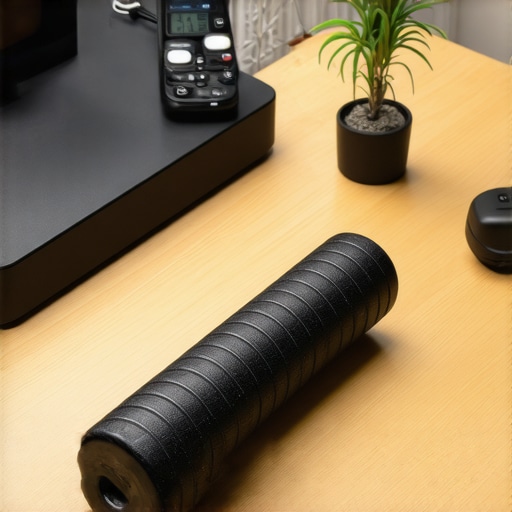
Visualize your daily routine supported by these tools: an adjustable desk, foam roller, and posture alerts at your fingertips. Such integrations help ensure your mobility isn’t just a temporary fix but a sustainable part of your lifestyle.
In the future, I see sensor-embedded clothing becoming commonplace, offering even more seamless feedback without interrupting your workflow. Embracing these advancements now can set a foundation for better long-term health, reducing dependence on interventions like chiropractic adjustments later on. For an in-depth look at how chiropractic care complements these tools, check out this resource for proven strategies.
The Hardest Lesson I Learned About mobility,neck pain,back pain,chiropractic
One of my most profound realizations was that consistent, mindful adjustments to my posture and daily habits gradually rewired my body’s response to stress and strain. I once believed that relief came solely from sudden fixes, but I discovered that sustained awareness and gentle self-care created lasting change.
Another lesson was understanding the significance of patience. Significant mobility improvements were not instant; they required persistence and respecting my body’s signals, avoiding the urge to push through pain too aggressively.
Lastly, I learned that tools and technology amplify progress but don’t replace the importance of listening to my body’s unique language. The combination of expert advice, self-guided exercises, and customized tools allowed me to reclaim my back health holistically.