The Real Reason Your Neck Hurts After Every Zoom Call
I vividly remember the moment I realized my neck agony wasn’t just due to poor posture or overuse. It hit me after a long day of back-to-back virtual meetings—my neck was stiff, sore, and downright angry. The real culprit? Not just the hours glued to my screen, but a sneaky, often overlooked factor that sneaks into our daily routines. If you’ve ever experienced that familiar, nagging neck pain after hours of Zoom calls, you’re not alone—and there’s good news ahead.
Why Your Neck Rebels After Zoom Calls
Many of us brush off post-meeting discomfort as normal or inevitable. But what if I told you that your frustration isn’t just about sitting too long? It’s about how our bodies respond to repetitive, subtle movements—especially when we think we’re just sitting still. Over time, these micro-movements lead to tension buildup, dull aches, and even headaches.
The truth is, our necks aren’t designed for prolonged static positions. According to a study published in the Journal of Physical Therapy Science, sustained poor posture can cause significant muscular tension and joint strain, leading to what we often dismiss as “normal” discomfort. This makes sense—our bodies crave movement, and neglecting it can cause serious issues.
But here’s the thing—early on, I made a big mistake. I ignored the small signs, thinking a quick stretch or some over-the-counter pain meds would do. That only masked the problem temporarily, and I kept repeating the cycle. I wish I had known earlier how critical proper mobility and awareness are in preventing this kind of pain.
So, if you’re nodding along, tired of that persistent neck ache, let’s explore what’s really going on and how you can take control. We’ll delve into practical, effective strategies to counteract this silent sabotage—helping you stay comfortable and mobile long after your last meeting ends.
Could Your Neck Be Telling You Something?
Before we jump into solutions, I want to ask: Have you noticed your neck hurting more than usual after sitting at your desk or during a long call? If yes, you’re in the right place. Understanding the root cause is the first step towards lasting relief—and trust me, it’s doable.
Stay tuned, because in the next sections, I’ll share proven techniques that helped me and many others regain their neck comfort. And if you’re ready to explore deeper, you can discover how chiropractic care might be a game-changer—more on that soon.
Remember, recognizing the problem is the first move. And with the right approach, you don’t have to accept neck pain as just part of the job. Ready to reclaim your comfort? Let’s get started.
,
Break Free from Stiffness with Targeted Mobility Exercises
Start by incorporating gentle, controlled neck movements into your daily routine. For example, slowly turn your head side to side, holding each position for a few seconds. I remember the first time I did this after a long day at my desk; I was skeptical, but within a week, I noticed a significant decrease in tension. Remember, the goal is to move within a comfortable range—pushing too hard can aggravate pain.
Engage Your Deep Neck Flexors
Your deep neck flexors are like the foundation of a house—they keep everything stable. To activate them, perform chin tucks while lying down or sitting. Lie on your back and gently tuck your chin towards your chest, imagining creating a double chin. This exercise prevents your head from jutting forward, which is a common culprit in neck strain. Consistency is key; I committed to doing this each morning and noticed improved posture over time.
Stretch the Muscles That Contribute to Tension
Stretching tight muscles can relieve pressure. Focus on the upper traps and levator scapulae with a simple doorway stretch: stand in a doorway, place your hands on the frame, and gently step forward to feel a stretch along the sides of your neck. I used to neglect this, often skipping it, but once I added it to my routine, my headaches decreased significantly. Remember, never stretch into pain—gentle tension is all you need.
Use Self-Myofascial Release for Long-Term Relief
Foam rolling your upper back and shoulders reduces muscle tightness. As someone who initially dreaded foam rolling, I found that using a tennis ball on tender spots (trigger points) was more effective. Place the ball between your shoulder blade and the wall, then gently lean into it, holding on tender areas for 20-30 seconds. This practice loosens up fascia and muscles, preventing tension from building up after prolonged sitting.
Optimize Your Posture Instantly
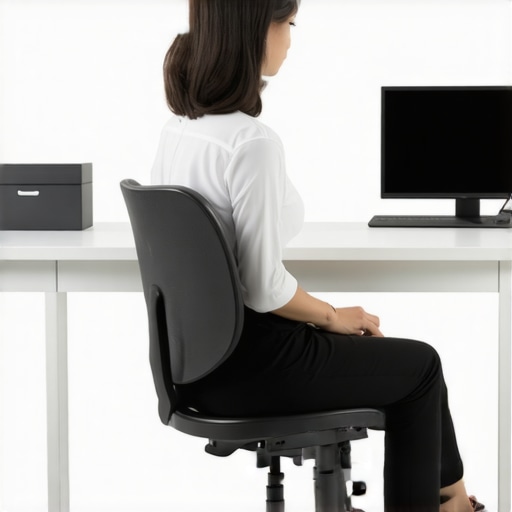
While exercises take time, making quick posture adjustments can stop neck strain in its tracks. Sit back in your chair, ensuring your monitor is at eye level, and keep your shoulders relaxed. I once caught myself leaning forward during a call; simply shifting to an upright position instantly relieved some discomfort. Think of your spine as a stack of blocks—every block should be aligned and balanced.
Regular Micro-Breaks Are Essential
Set a timer to remind yourself to stand or change position every 15-20 minutes. During breaks, do some shoulder shrugs or neck rolls to break the cycle of static posture. I manually set multiple alarms during my workday, which made me more aware of how long I’d been stationary—and it made a real difference in reducing fatigue.
Seek Professional Support When Needed
If persistent neck pain hampers your daily life, consider consulting a chiropractor. Chiropractic adjustments can restore proper alignment and improve mobility. I’ve personally found that a few targeted adjustments made more difference than years of stretching alone. For more insights, visit this guide on chiropractic care.
Remember, combining movement, stretching, posture awareness, and professional care creates a comprehensive approach to neck health. Tiny, consistent steps can lead to significant relief over time, transforming your daily comfort and mobility.
Many people assume that when it comes to neck and back pain, the solution is simply to stretch more or get frequent adjustments. However, this perspective overlooks crucial nuances. A common myth is that pain always indicates joint misalignment requiring chiropractic correction—that’s not always true. In my experience, excessive focus on spine adjustments without addressing movement patterns can lead to temporary relief but fail to produce long-term results. Research indicates that functional mobility deficits often underpin persistent pain, which is why a comprehensive approach focusing on movement quality yields better outcomes. For instance, blindly seeking adjustments without improving your movement habits can create a dependency cycle, where pain persists because underlying mechanical faults are ignored. An advanced consideration is that neighboring regions and muscular chains influence each other, meaning resolving neck pain may involve addressing thoracic mobility or core stability. Don’t fall into the trap of thinking your pain is solely local; the interconnected nature of the musculoskeletal system demands a holistic perspective. If you’d like to deepen your understanding, explore our guide on how chiropractic care can support long-term mobility. Remember, quick fixes and isolated treatments rarely result in lasting relief—embrace a nuanced, movement-based strategy for true recovery. Have you ever fallen into this trap? Let me know in the comments.
Maintain Mobility with Targeted Equipment
When it comes to preserving your neck and back health over the long term, having the right tools makes all the difference. I personally swear by ergonomic accessories like adjustable monitor stands and supportive chairs, which help keep my spine aligned during long work sessions. For example, a height-adjustable desk paired with a dynamic chair allows me to alternate between sitting and standing, reducing static load on my muscles and joints. This shift is essential for preventing stiffness and promoting circulation.
Another game-changer is using chiropractor-approved tools like foam rollers and massage balls. I regularly use a small, firm massage ball to release trigger points in my upper traps and thoracic area. The targeted pressure helps prevent muscle tightness from creeping back after hours of sitting. For mobility exercises, I incorporate resistance bands to perform gentle assisted stretches, especially for shoulders and hips, ensuring comprehensive support for my musculoskeletal system.
Embrace Smart Technology for Long-Term Results
Technological advances have introduced smart devices that monitor posture and movement patterns, alerting you when you deviate from healthy positions. I use a posture coach app that vibrates gently whenever I slouch or lean forward excessively. Over time, I’ve trained myself to maintain better ergonomic habits, which significantly reduces recurring pain. Additionally, wearable fitness trackers can motivate you to reach daily activity goals, ensuring you stay mobile and avoid the pitfalls of prolonged static postures.
The future of maintaining spinal health lies in integrating these tools with personalized routines, supported by data-driven insights. Research from the National Center for Biotechnology Information highlights how biofeedback devices enhance awareness and promote lasting posture improvements. As trends evolve, expect even smarter, more adaptive solutions for mobility and pain prevention.
How do I keep my mobility tools effective over time?
Consistent use is key to maintaining results. I recommend scheduling regular sessions with your mobility tools, just like appointments with your chiropractor. Also, periodically assessing your setup—adjusting your desk height, for example—helps ensure your tools continue to support your evolving needs. If you’re serious about long-term relief, consider consulting a professional who can guide you on integrating technology and equipment into your personalized self-care routine. For expert insights on optimizing your mobility strategy, visit this resource on chiropractic techniques and tools. Take action today by trying out a mobility band during your next exercise session—it’s an effective way to strengthen supporting muscles and prevent future issues.
Reflections That Changed My Perspective on Neck Pain
One of the most surprising insights I gained was realizing how deeply interconnected our body awareness is with true relief. I used to think stretching and adjustments alone would clear up my neck issues, but I overlooked the importance of mindful movement and daily habits. That ‘aha’ moment reminded me that lasting change comes from understanding your body’s signals and responding proactively, rather than just alleviating symptoms temporarily.
A lesson I won’t forget is that patience and consistency outweigh quick fixes. When I committed to a regular mobility routine and made ergonomic adjustments, the progress was gradual but sustainable. It taught me that real transformation takes time, and embracing that mindset keeps frustration at bay while encouraging persistence.
Perhaps most unexpectedly, I learned that investing in specific tools like foam rollers and posture monitoring devices amplified my results. These resources offered real-time feedback, helping me make smarter choices throughout my day, and proved that combining technology with movement creates a powerful recipe for long-term neck health.
Tools That Became My Go-To for Lasting Relief
I trust products like my ergonomic workspace setup, especially adjustable monitor stands, because they make maintaining proper neck alignment effortless. Supportive ergonomic chairs and mobility bands also became essential in my routine, offering gentle cues to keep moving and stretch consistently. For more tailored insights, exploring how chiropractic care supports long-term mobility can guide your own journey.
Books like “Mobility Mastery” provided foundational principles that reinforced the importance of functional movement over passive treatments. They helped me understand that empowering myself with knowledge fuels sustained progress and reduces reliance on others for relief.
Finally, I found that connecting with a community of like-minded individuals interested in neck health kept me motivated. Sharing experiences, successes, and setbacks cultivates resilience, reminding us we’re not alone in this process. Remember, choosing the right tools tailored to your needs is a vital step toward reclaiming your full range of motion.
Your Chance to Redefine Neck Well-Being
Now, it’s your turn to take charge of your neck health journey. Small, consistent steps tailored to your unique needs can lead to profound improvements—and you don’t have to do it alone. Embrace the process, invest in your well-being, and watch how your posture and pain levels transform over time. If you’ve found certain strategies helpful or have questions, I invite you to share below. Together, we can support each other in achieving lasting neck comfort and mobility.
**What’s one small change you’re ready to try today to support your neck and back health?**