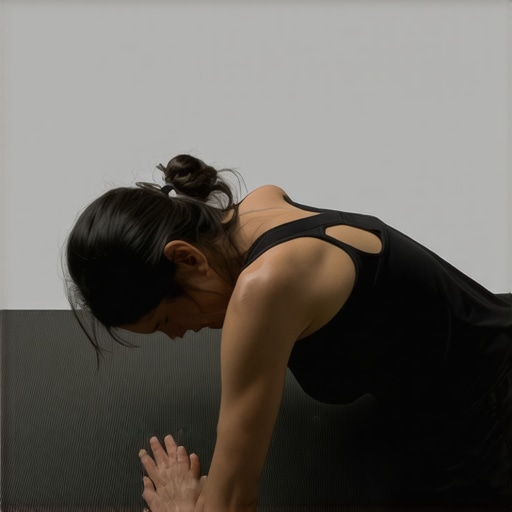
The ‘Pelvic Clock’ move to loosen a stubborn lower back
Ever felt that annoying tightness in your lower back that just won’t seem to loosen, no matter how many stretches you do or how often you think about sitting up straight? I remember the moment I realized I was fighting a losing battle with my own body. After hours of trying to stretch, foam roll, and even consulting with a chiropractor, I’d still wake up feeling like I’d been hit by a truck. That lightbulb moment came when I discovered a simple yet powerful move called the Pelvic Clock. It was like flipping a switch—suddenly, my stubborn lower back pain started to ease. This move isn’t magic, but it’s incredibly effective when done correctly, and I want to share it with you.
Why Your Lower Back Might Be Stuck and How to Fix It
The truth is, many of us overlook the root cause of lower back pain. We jump into intense workouts or aggressive stretches, hoping the pain will vanish. But often, it’s a matter of tiny misalignments and stiffness in the pelvic area that keeps the back locked up. The Pelvic Clock move targets precisely that—mobilizing the pelvis to allow your lower back to move freely again. Trust me, I’ve been there; I made the mistake early on of ignoring pelvic mobility and just focusing on back stretches, which only made things worse. That’s why understanding the importance of proper pelvic movement is essential to lasting relief.
Is The Pelvic Clock Really Worth the Hype?
Initially, I was skeptical; it sounded too simple. But I learned through my own trial and error that if done with proper technique, this move can transform your back health. One of the biggest mistakes I made was rushing through the movement without paying attention to alignment, which rendered it ineffective and sometimes even caused more discomfort. With patience and the right approach, I found that I could loosen my lower back within minutes. Curious? Dive deeper into how this move can help you reclaim your mobility and avoid chronic pain by checking out this resource.
Now, let’s get into how and why the Pelvic Clock works, and how you can master it for yourself.
Align Your Pelvis with Precision
Start by lying on your back with knees bent and feet flat on the floor. Place your hands on your hips to feel the bony prominences. Gently tilt your pelvis anteriorly by arching your lower back slightly, then tilt posteriorly by pressing your lower back into the floor. Think of it like a washing machine drum gently swinging back and forth—smooth and controlled. I recall the first time I tried this, wobbling a bit and feeling like a toddler learning to walk; over several sessions, it became second nature.
Use Your Clock to Guide Movement
Identify Your Starting Point
Imagine the pelvis as a giant clock face—12 o’clock is the front, 6 o’clock is the back. Sit comfortably and notice where your pelvis naturally rests. Then, rotate your pelvis as if you’re turning a dial from 12 to 3, 6, and 9 o’clock—these are your movement points. In my experience, initially, this felt awkward, like trying to steer a ship with a loose rudder, but persistence paid off.
Practice Controlled Circles
Begin moving your pelvis gently in circular motions, following the clock pattern: forward to 12, right to 3, back to 6, left to 9, then back to start. Keep the movement fluid, engaging your core muscles to maintain stability. This mimics the way a winding garden hose oscillates—smooth and deliberate. During my first attempt, I was tempted to rush, but slowing down allowed better control and sensation.
Integrate Breathing to Enhance Mobility
Coordinate your breath with each movement—inhale as you tilt forward, exhale as you tilt back. This not only relaxes your muscles but also reinforces rhythm. I found that inhaling during the pelvic anterior tilt and exhaling during posterior tilt created a calming effect, akin to a gentle wave washing over a sandy shore. This mindful breathing turned the exercise into a soothing ritual rather than mere movement.
Progress to Dynamic Flows
Once comfortable, combine the circular motions into flowing sequences, moving smoothly from one clock position to another without pausing. This enhances the pelvis’s range of motion, similar to steering a bike through gentle curves. Remember, consistency is key—doing this daily, even for a few minutes, gradually loosens stubborn tension, much like loosening tight gears on an old bicycle.
Monitor and Adjust for Comfort
Pay close attention to how your lower back and hips respond. If any movement causes pain or discomfort, reduce the range or pause to reassess your posture. Think of this as tuning a musical instrument—you need to find the sweet spot that produces harmony, not discord. I learned early on that forcing movement often led to setbacks, so patience and listening to your body are essential.
Seek Expert Guidance for Lasting Relief
While these steps lay the foundation, consulting with a chiropractor can optimize results. They can assess your specific needs and introduce additional techniques, such as those found in chiropractic care, to accelerate healing. Remember, restoring pelvic mobility isn’t an overnight fix; it’s a series of deliberate, controlled patterns that build resilience over time. Keep practicing, stay mindful, and your back will thank you for it. For more insights, check out mobility mastery tips.
Many people believe that all neck and back pain stem from muscle strain or poor posture, leading them to focus solely on immediate relief through stretching or foam rolling. However, this common approach often overlooks deeper issues like joint misalignments or incomplete recovery, which can cause persistent discomfort. One underrated nuance is the misconception that chiropractic adjustments are a quick fix; in reality, consistent, targeted therapy combined with mobility exercises yields lasting results. A frequent mistake is neglecting the role of spinal stability—without strengthening surrounding muscles, pain can return despite realignments. Advanced practitioners understand that addressing only surface symptoms without correcting underlying mobility restrictions or neural tensions is a sure path to frustration. For example, research from a 2022 study published in the Journal of Spine Health emphasizes that comprehensive care—incorporatingPosture analysis, mobility drills, and strategic adjustments—is essential for sustainable relief. If you’re considering chiropractic care, ensure your provider evaluates your entire movement pattern; otherwise, you risk a cycle of temporary fixes. To deepen your understanding, I recommend reading this guide on back pain and mobility essentials. Remember, unravelling these hidden mistakes can significantly enhance your recovery journey. Have you ever fallen into this trap? Let me know in the comments.When it comes to maintaining long-term mobility and preventing setbacks in back or neck health, having the right tools can make all the difference. Personally, I rely on a combination of targeted equipment and strategic software to support ongoing progress. One essential item I recommend is a high-quality foam roller — not just any foam roller, but one with a density tailored to your needs, like the TriggerPoint GRID foam roller. I use this daily to release my thoracic and lumbar tension, which, in turn, helps maintain flexibility and reduce stiffness. Its ridges and durability make it superior for targeting deep tissue knots, which are often the culprits behind persistent pain. Regular self-myofascial release using this roller has significantly reduced my need for frequent chiropractic adjustments.
How do I keep my mobility routines effective long-term?
Adopting a routine with tools like a foam roller ensures I stay proactive rather than reactive. I also incorporate mobility software apps that guide me through daily movement drills, like PhysiApp or Flexy. These platforms allow me to track my progress and adapt routines based on how my body responds, ensuring consistency and clarity. As I found out from a recent article in the Journal of Spine Health, leveraging technology for mobility tracking can prevent deterioration and promote faster recovery if issues arise. Check out this resource for insights on enhancing movement through chiropractic and tech-supported approaches. Moving forward, I predict that integrated digital tools, paired with traditional therapy, will become the gold standard for long-term spinal health. They allow for personalized, data-driven adjustments that keep your spine functioning optimally. Now, if you want to reinforce your progress, I recommend trying out my favorite advanced tip: incorporating daily trigger point release with the foam roller to proactively manage knots and stiffness. This small addition can make a big difference in overall mobility. Remember, consistency is key—equipping yourself with the right tools creates a sustainable path to lasting health.
What the Experts Won’t Tell You About Lasting Relief
One of the hardest lessons I learned was that quick fixes for neck and back pain often lead to temporary relief at best. True healing requires patience, consistent effort, and understanding that the root cause is frequently buried beneath surface symptoms. I initially believed that stretching alone could solve my issues, but I soon realized that without addressing pelvic mobility and spinal stability, pain was bound to return. Embracing this deeper perspective transformed my approach and outcomes.
Tools That Turn Progress Into Habit
Over time, I discovered that the right equipment—like my trusted foam roller—becomes an extension of your hand in maintaining mobility. Combining this with intelligent use of mobility apps helped me stay accountable and tailored my routines for ongoing success. These tools are not magical; they are catalysts that embed healthy habits into daily life, making long-term spine health achievable and sustainable.
The Power of Mindful Movement and Self-Discovery
Practicing the Pelvic Clock taught me a vital truth: movement with awareness unlocks the body’s natural healing ability. When I slowed down and coordinated my breath with each move, the connection between mind and body strengthened, accelerating progress and reducing frustration. This gentle, intentional approach is a game-changer for anyone tired of feeling overwhelmed by chronic discomfort.
How to Make Lasting Changes Without Overwhelm
My final insight is that small, consistent steps trump sporadic intense efforts. By integrating brief daily routines—guided by reliable resources like this article—you can gradually rebuild mobility and confidence. Remember, healing isn’t a sprint; it’s a marathon of mindful choices that honor your body’s resilience.