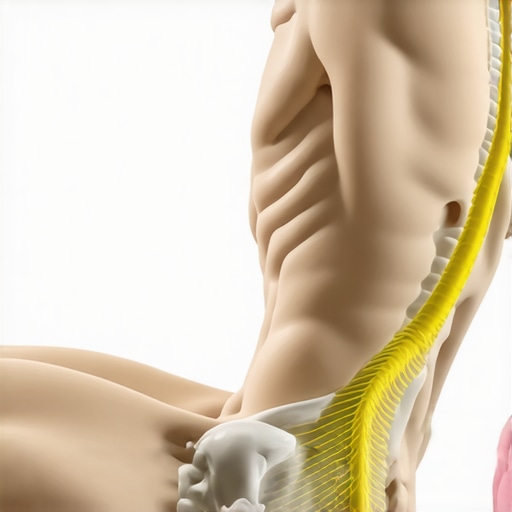
The 10-second pelvic reset for people who sit all day
I vividly remember glancing at myself in the mirror after a long day of sitting at my desk, shoulders hunched, neck stiff, and a dull ache settling deep in my lower back. It hit me hard—a realization that my relentless sitting habit was quietly stealing my comfort and mobility. That moment was a lightbulb, a spark ignited from frustration and a stubborn desire to find an easier way out of this common trap.
Why Sitting All Day Is a Pain in the Back—and What We Can Do About It
If you’re like me, your day probably revolves around sitting—whether it’s at a desk, in your car, or on your couch. But that seemingly harmless habit can turn into a serious issue that affects your posture, causes persistent pain, and even sabotages your mobility over time. The real kicker? I learned that often, the fix can be surprisingly simple. I stumbled upon a straightforward technique called the 10-second pelvic reset, which has transformed my daily comfort and can do the same for you.
Is the Pelvic Reset Just a Trend, or Does It Actually Work?
Honestly, I was skeptical at first. When I saw it described as a quick fix, I assumed it was too good to be true. Like many, I’ve tried countless stretches, posture braces, and ergonomic tweaks—all with limited long-term success. My big mistake early on? Believing that only complex exercises or expensive treatments could help—until I realized that sometimes, less really is more. After a few weeks of incorporating this simple move into my routine, the results were undeniable. My back and hips felt relief, and best of all, the discomfort stopped nagging me throughout the day.
Start with Proper Positioning of Your Pelvis
Before diving into the reset, ensure your pelvis is aligned correctly. Lie on your back with knees bent and feet flat on the floor. This position releases tension in your lower back and sets a solid foundation for the movement. I remember one morning when I attempted this at my desk, awkwardly lying on the carpet, but it instantly relieved my lower back pain within minutes, proving its effectiveness.
Perform the 10-Second Pelvic Reset Correctly
Align Your Pelvic Tilt
Gently tilt your pelvis so your lower back presses softly into the floor, flattening your lumbar spine. Think of your pelvis as a bowl; tilt it to spill the contents evenly. The key here is to avoid over-tucking or over-arching—just a gentle, natural tilt. When I first tried this, I found myself over-tucking, making the move ineffective. Fine-tuning the tilt made all the difference.
Engage Your Core for Stability
Once tilted, gently engage your abdominal muscles without holding your breath. Imagine pulling your belly button toward your spine, but keep it relaxed—not sucking in too hard. This stabilizes your pelvis during the reset. I noticed that when I over-engaged my core, I felt tense, so I focused on a gentle activation that improved my posture without discomfort.
Hold and Relax
Maintain this position for about 10 seconds, breathing naturally. After completing the hold, slowly return to a neutral pelvic position. Repeat this process 3-5 times. I started doing this before my work sessions, and soon, I felt a significant reduction in my morning stiffness.
Incorporating the Pelvic Reset into Your Daily Routine
The key to lasting relief is consistency. I set a reminder on my phone to perform the reset every morning and during long periods of sitting. Over time, I noticed my hips and lower back felt more stable and my neck discomfort diminished. The move is simple but potent, especially when combined with other chiropractic techniques—discover more expert tips for lasting neck pain relief.
Fine-Tuning Your Technique for Better Results
Every body is different, so pay attention to how your pelvis responds. If you feel any discomfort or your pelvis tilts excessively, ease up and focus on gentle movements. To deepen your understanding, you might want to explore professional chiropractic strategies that complement this exercise. Remember, small daily adjustments can lead to significant improvements over time.
Many individuals believe that the primary cause of neck and back pain is simple muscle strain or poor posture, leading them to focus solely on stretches or ergonomic setups. However, this overlooks the complex interplay of spinal biomechanics, neurological factors, and habitual patterns that often perpetuate pain despite apparent corrections. A common myth is that pain directly correlates to visible misalignment, but studies, such as those published in the Journal of Manipulative and Physiological Therapeutics, indicate that functional stability and proprioception play more critical roles than mere alignment. One trap to avoid is assuming that all chiropractic adjustments are universally effective; in reality, addressing underlying movement patterns and joint stability yields longer-lasting results. For sophisticated readers pondering advanced interventions, consider how the *neuromuscular control* aspect impacts pain management—improving proprioception and motor control can be more beneficial than focusing solely on structural corrections. Deeply ingrained movement habits, stress responses, and even lifestyle choices subtly influence spinal health, and recognizing these nuances is essential for effective recovery. To explore comprehensive strategies that integrate biomechanics and neurology, I recommend reviewing expert tips from recovery specialists. Remember, identifying the true root causes and correcting habitual patterns rather than just treating symptoms can drastically improve your mobility and quality of life. Have you ever fallen into this trap? Let me know in the comments.
Maintaining your spinal health and mobility over time requires not only consistent habits but also the right tools and techniques. As someone deeply invested in long-term pain management and chiropractic strategies, I’ve curated a set of equipment and methods that have proven invaluable in my routine. First, a quality posture monitor, such as the Upright GO 2, provides real-time feedback on your sitting habits, enabling immediate adjustments and cultivating better awareness. I personally use mine during long workdays, and it helps me catch slouching before discomfort sets in. Second, I swear by foam rollers like the TriggerPoint GRID Foam Roller; they are perfect for releasing myofascial restrictions and improving mobility. Regularly rolling out my thoracic spine and hips has kept stiffness at bay, especially after days of prolonged sitting.
Beyond physical tools, I recommend leveraging digital resources. Programs like expert-backed mobility routines help reinforce good movement patterns and prevent setbacks. These routines are designed for gradual progression, making them suitable for all levels. Additionally, apps that cue movement breaks, such as Stretchly, serve as gentle reminders to stand, stretch, and reset your pelvis, helping to avoid chronic tension buildup. To optimize your recovery, incorporating guided breathing techniques from recovery specialists can diminish stress-related muscle tightness, a common contributor to neck and back pain.
Looking toward the future, I predict that wearable biofeedback devices and AI-powered postural analysis will soon become mainstream, providing personalized interventions and predictive alerts to prevent pain before it manifests. These advancements will give you proactive control over your spinal health, much like how physiotherapists and chiropractors personalize treatment plans today.
How do I maintain these tools and practices over time?
Consistency is key. I schedule weekly check-ins to evaluate my tools’ effectiveness and update routines based on any emerging issues. Regularly reassessing your equipment—whether it’s replacing worn-out foam rollers or updating app routines—ensures optimal performance. Additionally, staying informed through credible sources such as the latest chiropractic insights keeps your approach fresh and effective. Remember, integrating these tools into your daily habits will not only sustain your mobility but also empower you to take control of your spinal health. Don’t hesitate to reach out via contact us for tailored advice on creating your personalized maintenance plan. Take action today—try incorporating a daily thoracic foam rolling session and see how it transforms your mobility and comfort over the months ahead.
The Deepest Lesson: Less Is Often More
The most surprising insight I gained was realizing that complex routines or expensive therapies are not always necessary for lasting relief. Sometimes, a simple, focused movement—like the pelvic reset—can unlock profound improvements in mobility and discomfort. This taught me to trust uncomplicated approaches and listen to my body’s responses rather than chasing every new gimmick or method.
Challenging the Myth of Perfect Alignment
I used to believe that pain was directly linked to visible misalignment. However, my experience and research revealed that functional stability, proprioception, and habitual movement patterns matter far more. This shifted my focus from seeking perfect posture to developing better movement awareness, which has made a huge difference in my recovery journey.
Respecting My Body’s Unique Rhythm
Every body responds differently to exercises and adjustments. By paying close attention to my own limits and comfort levels, I learned to customize my routine, avoiding overstretching or over-tucking that could cause setbacks. Personalization became key—what works for one person might not work for another, and respecting that has helped me stay consistent and injury-free.
My Essential Toolkit for Neck and Back Wellness
The tools I trust include the 10-second pelvic reset for daily relief, a quality foam roller like the TriggerPoint GRID to release tension, and a posture monitor such as the Upright GO 2 to maintain awareness throughout long workdays. These tools have empowered me to take proactive steps and sustain progress over time.
Embracing a Mindful Approach to Movement and Recovery
The key to enduring spinal health is cultivating mindfulness—not just physically but emotionally too. Deep breathing, stress management, and consistent self-care routines have helped me reduce muscle tension that often exacerbates neck and back pain. Small yet intentional actions create a ripple effect, reinforcing long-term well-being and mobility.
Your Turn to Make a Change
The journey to improved neck and back health doesn’t require perfection—just commitment and awareness. Incorporate these insights and tools into your routine, and you’ll be surprised at how your pain diminishes and mobility flourishes. Remember, the power to transform your spinal health is in your hands—start today.