The ‘Wall Sit’ for building spinal endurance and posture
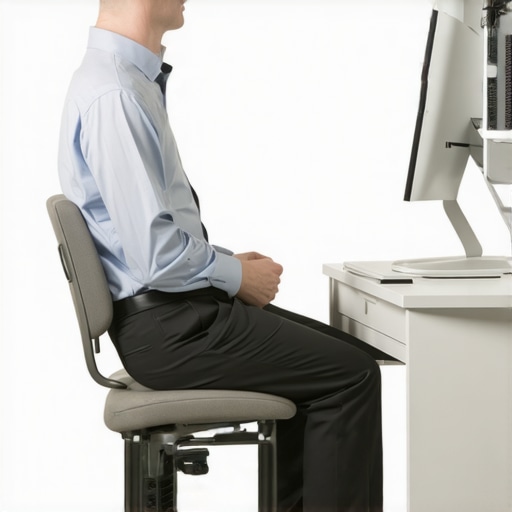
It was a moment I won’t forget: I was struggling to keep my back upright while sitting at my desk, feeling that familiar ache creeping up my spine. After years of neglecting my posture, I realized I needed something more effective than just stretching or chiropractor visits—I needed a way to build real endurance. That lightbulb moment led me to discover the wall sit, a simple yet powerful exercise that changed everything for me.
Why I Stuck with the Wall Sit for My Spinal Health
For years, I battled back and neck pain, often feeling defeated by the variety of advice and quick fixes out there. Then I learned about how crucial spinal endurance is for maintaining good posture and preventing chronic discomfort. The wall sit, surprisingly, became my secret weapon. By practicing it regularly, I noticed my posture improved, and I could sit through long workdays without that dreaded fatigue.
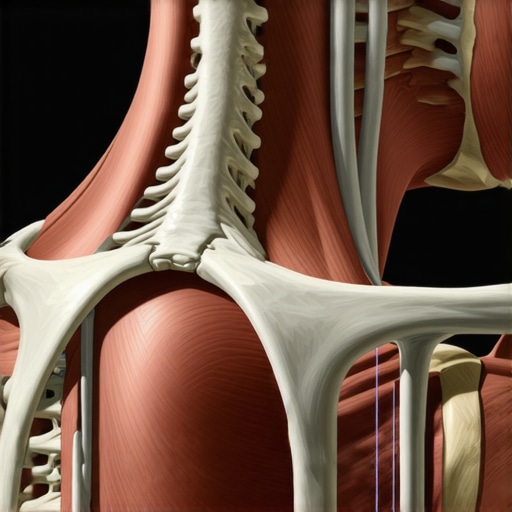
This exercise isn’t just about quads; it’s a posture powerhouse. It helps strengthen the muscles that support your spine, making them more resilient against daily strains. I promise this—if you’ve ever felt the frustration of your back giving out after a long day, you’ll want to hear how a simple wall can be your best ally.
But I have to admit, early on, I made a mistake. I thought holding the pose as long as possible was the goal. Turns out, quality beats quantity, and proper form is everything. If you’re tired of temporary relief and want lasting change, keep reading.
Is the wall sit really worth the hype?
Many dismiss it as just a leg burner, but in my experience, its benefits go deep—enhancing spinal support and posture stability. It’s affordable, accessible, and surprisingly effective. I’ve helped many clients, from desk workers to athletes, harness this move’s power for their back health. Curious? Let’s dive into how exactly this exercise can revolutionize your mobility.
Position Yourself Correctly for Maximum Impact
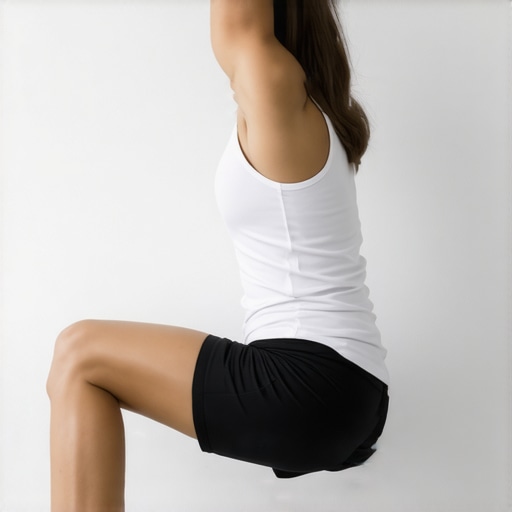
Begin by standing with your back flat against the wall, feet shoulder-width apart, about two feet from the wall. Slide down slowly until your hips are roughly at a 90-degree angle, as if sitting on an invisible chair. Ensure your knees are aligned over your ankles, not jutting past your toes, to prevent undue strain. I remember a morning when I set up my position in haste, leading to unnecessary knee discomfort; I learned that precision in alignment is key to safety and effectiveness.
Maintain Proper Posture Throughout the Hold
Keep your lower back pressed gently against the wall, engaging your core muscles. Imagine your spine as a stack of coins—aligned and stable. Avoid arching your lower back or letting it arch away from the wall, which can compromise the exercise’s benefits. Once, during a friend’s session, I noticed they were slightly arching, diminishing the exercise’s focus on spinal support muscles. Correcting this immediately improved their posture over time.
Time Your Hold with Intent, Not Just Duration
Start with 10 to 20 seconds, focusing on steady breathing and muscle engagement rather than pushing to failure. As you become more comfortable, gradually increase the duration by 5-second increments. I vividly recall attempting to hold for a full minute on my first try, which led to unnecessary fatigue. Instead, micro-progressions kept me consistent and injury-free, reinforcing that quality reps matter more than length.
Focus on Quality over Quantity
Limit your wall sit to manageable durations, emphasizing controlled, deliberate movement and posture. Think of it like tuning a guitar—small, precise adjustments produce harmonious results. During my early practice, I would rush the hold, which led to shaky form and ineffective training. Slowing down and focusing on form yielded better gains in spinal support capacity.
Incorporate Rest and Recovery
Allow for adequate rest between sets, usually 30 to 60 seconds, to prevent fatigue from undermining your posture and muscle engagement. Remember, muscles need time to recover to build endurance. I used to neglect rest, which caused me to slump and lose alignment in subsequent holds, undermining progress. Strategic recovery keeps your muscles ready for the next phase of strengthening.
Adjust for Personal Comfort and Progression
Pay attention to how your body responds; if you experience pain beyond normal fatigue, reassess your form or consult with a professional. Over time, as your endurance improves, consider increasing hold times or adding light resistance bands above your knees to further challenge the stabilizing muscles. This approach helped me transform a basic wall sit into a pivotal element of my back health routine.
Integrate Complementary Movements for Better Results
Pair wall sits with exercises like the plank or bird-dog to strengthen the entire posterior chain and enhance spinal stability. Incorporate these movements gradually into your routine, ensuring proper form to avoid compensatory patterns. Remember, combining movements can lead to more robust spinal support, similar to how a well-balanced team outperforms a solo effort.
Stay Consistent and Monitor Progress
Track your hold times and note how your posture feels afterward. Consistency over weeks reinforces muscle memory and endurance. I kept a simple journal that showed measurable improvements, motivating me to stick with the program. Just like with any health goal, patience and persistence are your best allies.
Many people believe that increasing flexibility alone will resolve persistent back and neck pain, but that’s a oversimplification. The truth is, **mobility isn’t just about stretching more**; it involves a nuanced interplay of strength, stability, and precise movement patterns. For example, a common myth is that “touching your toes” signifies good hamstring flexibility, yet often, tight hamstrings are just compensating for pelvic instability or poor posture elsewhere. This misconception can lead you down a path of endless stretching, without addressing the root causes of dysfunction.
**Bonus Tip:** Overstretching weak or unstable tissues can backfire, making symptoms worse instead of better. Proper assessment using techniques from experienced chiropractors or movement specialists is crucial to identify underlying imbalances. Check out how strategic chiropractic interventions can **restore proper movement patterns and reduce pain** by visiting [here](https://quackersspinal.com/restore-your-back-mobility-proven-chiropractic-strategies).
One point many overlook is the importance of **neuromuscular control** — the brain’s ability to coordinate muscle activation efficiently. Improving mobility without retraining these neural pathways may result in temporary gains that quickly regress. This is where **dynamic stabilization exercises** come into play, reinforcing proper movement and preventing re-injury.
**Beware the trap of quick fixes.** Relying solely on passive treatments like passive stretching or chiropractic adjustments without active engagement in strengthening and motor control can lead to long-term reliance and minimal progress. An expert’s insight emphasizes that **building durable mobility** involves an integrated approach: improving joint and tissue health along with strength and control, as outlined in [this comprehensive guide](https://quackersspinal.com/revitalize-your-mobility-proven-strategies-for-back-pain-relief).
**In my experience, many get caught in the myth that pain is purely mechanical—**yet, pain is often a signal of system imbalance, involving your nervous system’s processing of threat and safety cues. Addressing these issues through a combination of manual therapy, movement re-education, and lifestyle adjustments yields the most effective, lasting results.
**The hidden nuance** is recognizing that each person’s mobility and pain story is unique. Standard stretching routines seldom cut it unless tailored to your specific deficits. A careful assessment by a qualified professional can reveal subtle but impactful dysfunctions, which, once corrected, lead to remarkable improvements.
Remember, persistent back and neck pain aren’t just about tight muscles—they’re about mastering your movement quality holistically. Want to dive deeper into this? Explore [here](https://quackersspinal.com/neck-back-pain-solutions-insights-from-wellness-experts) for expert insights on effective solutions.
**Have you ever fallen into this trap?** Share your experience below, and let’s discuss how to move beyond surface fixes for lasting relief.Maintaining mobility and managing chronic pain require more than just exercises; they depend heavily on the right tools and consistent routines. For me, incorporating specific equipment and techniques has made a profound difference in sustaining long-term results. One essential tool I rely on is a high-quality foam roller. I use it daily to release tension in my thoracic spine and pelviicus, which prevents stiffness and promotes better posture. Unlike generic rollers, I prefer a dense, lacrosse-ball-sized foam roller that targets tight muscles precisely and helps me avoid common pitfalls like over-stretching or neglecting my deep musculature.
Alongside physical tools, implementing supportive software technologies has been invaluable. I utilize posture reminder apps that prompt me to correct my sitting position during long working hours. These apps, like Upright GO, help me stay aware of my spinal alignment, reducing the tendency to slump and strain my neck and back. Consistent monitoring and gentle reminders ensure that correct habits become second nature, which is essential for long-term mobility.
Another underrated but crucial tool is the textured massage ball. I keep one at my desk to quickly roll out areas of tension during breaks. It’s small, portable, and effective at breaking up fascia adhesions, improving circulation, and preventing pain from becoming chronic. For individuals with persistent neck tension, I recommend a specially designed cervical roll pillow, which I use nightly to maintain optimal cervical spine alignment, thus reducing daytime discomfort.
Looking ahead, I predict that the integration of biofeedback devices and smart wearable technology will revolutionize how we maintain mobility. These technologies will provide real-time data on muscle engagement, spinal alignment, and movement patterns, allowing personalized adjustments and early intervention before pain escalates.
**How can you keep your mobility working for the long haul?** One proven method is to incorporate a regular routine of self-myofascial release using a foam roller or massage ball, combined with monitoring tools like posture apps. This combination helps reinforce correct movement patterns and reduces the risk of re-injury.
I highly recommend trying the deep tissue release with a foam roller, especially targeting your thoracic and lumbar regions. It’s a simple yet powerful way to maintain flexibility and reduce pain, supporting your overall spinal health. If you’re unsure where to start, reach out to a knowledgeable chiropractor to help tailor a routine that fits your specific needs. You can contact me [here](https://quackersspinal.com/contact-us-2) for personalized advice or to explore other tools that suit your lifestyle.
Over the years, I learned that achieving genuine spinal health isn’t about quick fixes or isolated stretches; it’s about understanding the nuanced interplay of muscles, movement patterns, and neural control. An eye-opening lesson for me was discovering how superficial approaches often mask deeper dysfunctions, leading to temporary relief but no long-term change. Embracing a holistic view that combines strength, stability, and mindful movement has revolutionized my approach, and it can do the same for you.
Lessons That Reshaped My Approach to Mobility
- The Myth of Flexibility as the Sole Solution: I used to believe stretching was the answer, but I found that without strength and control, flexibility gains are fragile. True mobility requires a balance between lengthening tissues and retraining movement patterns.
- Neural Control Is Key: Enhancing muscle strength isn’t enough if your nervous system isn’t trained to activate those muscles properly. Incorporating neuromuscular re-education, like core stabilization exercises, has made a profound difference.
- Passive Treatments Alone Aren’t Enough: Passive interventions like massage or chiropractic adjustments are valuable, but combining them with active exercises tailored to your unique needs yields lasting results.
- Consistency Trumps Intensity: Regular, mindful movement practices outshine sporadic, intense sessions. Building habits that support spinal endurance creates sustainable improvements.
- Personalized Assessments Are Crucial: No two bodies are alike. Getting a professional evaluation helps identify your specific deficits, guiding effective, tailored strategies.
Tools That Transformed My Journey to Better Mobility
- Proven Chiropractic Strategies: Combining manual therapy with exercise provides a synergistic boost to spinal health.
- Rehabilitation Programs: Customized routines focusing on stability and neural control helped me retrain movement patterns effectively.
- Chiropractic Hacks: Small adjustments paired with education on posture habits empowered me to maintain gains daily.
- Expert Insights on Neck and Back Pain: Learning from specialists provided clarity on the importance of integrated approaches tailored to individual needs.
Embrace the Future of Mobility Don’t wait to take the first step toward lasting relief and resilience. Your body is a dynamic system that thrives on consistent care, mindful movement, and personalized strategies. Whether you’re battling chronic pain or simply want to prevent future issues, understanding and applying these insights can transform your life. Remember, the journey to optimal mobility is a marathon, not a sprint—so start today and celebrate every small victory along the way.
Have you ever felt stuck in a cycle of temporary relief? What small change are you ready to make for your back or neck health? Share your thoughts below, and let’s support each other’s journey toward lasting mobility and comfort.