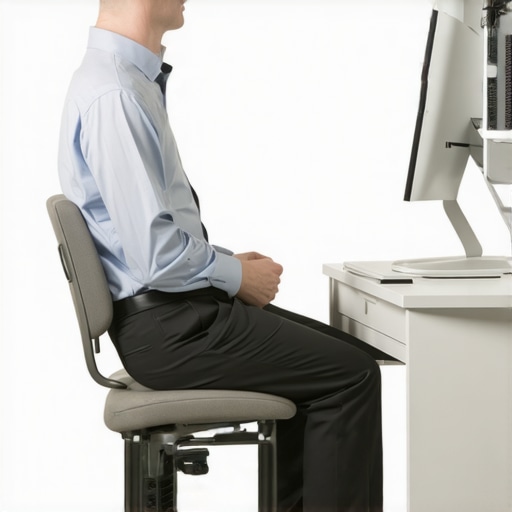
The ‘Wall Angel’ Trick to Fix Your Chronic Desk Hunch
I remember the moment vividly—days of persistent neck tightness turning into a dull ache, and finally realizing I had developed that familiar, frustrating hunch over my desk. It hit me during a late-night project—my shoulders creeping forward, head jutting out like a turtle. That lightbulb moment made me wonder: could a simple, accessible move actually reverse my posture woes?
The Power of a Small Change in Fixing Big Problems
If you’ve ever felt the slow creep of chronic neck pain or back stiffness after hours at your desk, you’re not alone. Many of us fall into the trap of neglecting our postural habits, especially during long work sessions. The good news is, there’s a surprisingly simple trick—the ‘Wall Angel’—that can realign your shoulders and restore that natural curve in your spine. And trust me, I’ve tried all the generic stretches with little long-term benefit before discovering this gem.
Is the Wall Angel Trick Just Good PR, or Does It Really Work?
Early on, I made the mistake of thinking that any stretch or exercise could fix my posture. Like many, I dismissed the Wall Angel as just another fad—until I experienced significant relief after consistent practice. This move targets shoulder mobility and scapular stability—a duo crucial for correcting a desk hunch. Scientific research even backs this up, showing that improving shoulder blade movements can reduce strain and prevent chronic pain (source).
So, if you’ve tried numerous remedies without lasting results, the Wall Angel might be your overlooked secret weapon. Ready to see how it can transform your posture and ease that nagging pain? Let’s dive into the steps that can make a difference starting today.
.
Get Into Position: Setting Up for Success
Before you start, stand with your back flat against a wall, heels a few inches away, and buttocks lightly touching the wall. Position your upper back and head so they also touch the wall effortlessly. This initial stance ensures you’re training your muscles to activate correctly, akin to a painter preparing their canvas—your body needs the right foundation to build upon.
Step 1: Raise Your Arms Correctly
Lift your arms to a 90-degree bend at the elbows, with palms facing forward, mimicking a goalpost. Maintain contact between your lower back, shoulders, and head with the wall. Just like tuning a guitar string, this position sets the tone for proper scapular movement that you’ll be training.
Step 2: Perform the ‘Angel’ Motion
Slowly raise your arms overhead in a controlled arc, as if making a snow angel—be mindful to keep your arms, elbows, and wrists in contact with the wall. Think of guiding your scapulae—the shoulder blades—as you glide. This movement promotes better mobility, similar to oiling a stiff hinge so it swings smoothly again.
Micro-Story:
Once, during my busy workday, I paused at my desk, set up against the wall, and did a set of 10 of these ‘Wall Angels’. Initially, my shoulders felt tight and shaky. By the fifth rep, I noticed a slight flush of heat—my muscles awakening. Over a week, the persistent ache in my neck began to fade, replaced by a newfound sense of ease—a clear sign that my shoulders were strengthening and realigning.
Refining Your Technique for Better Results
Control Your Speed
Avoid rushing through the movement. Instead, move slowly, feeling every muscle engage. Think of it as a dance—deliberate and mindful—rather than a quick jog. This focus enhances muscle memory, making correct posture habitual rather than a chore.
Maintain Consistency
Practice this exercise daily, aiming for three sets of 10-15 repetitions. Consistency is key—like watering a plant regularly, your muscles need persistent effort to grow stronger and support better posture.
Modify as Needed
If your shoulders tire or your back arches away from the wall, reduce your range of motion or pause to reset. Remember, muscle mobility improves over time, but forcing the movement can cause strain, akin to over-tightening a screw—better to tighten gradually than risk damage.
Linking to Better Mobility and Relief
Integrate these wall angels with other mobility exercises, such as chiropractic techniques that optimize your spine alignment. Over time, you’ll notice less neck tension, more fluid movement, and a significant reduction in chronic discomfort—proof that small, consistent actions can yield substantial benefits.
Many believe that neck pain is merely a superficial issue that can be fixed with quick stretches or popping a pill. However, as an experienced chiropractor, I can tell you that this misconception often leads to overlooked nuances that could make or break your recovery. For example, a common myth is that all neck pain originates solely from muscle strain or minor misalignments—when in reality, the root causes are often intertwined with complex neuromuscular patterns and chronic postural habits (source). This misunderstanding can lead individuals to focus solely on symptomatic relief, ignoring the underlying dysfunctions, which tend to recur if not addressed properly.
Beware of the trap where people rely exclusively on chiropractic adjustments without integrating mobility exercises or ergonomic modifications. This approach might provide short-term relief, but it seldom results in lasting change. For instance, many patients fall into the misconception that a single adjustment is enough—while in truth, ongoing neuromuscular retraining and lifestyle changes are essential. Ignoring these nuances tends to reinforce the cycle of pain, preventing long-term freedom and functional movement (see how chiropractic strategies support sustained mobility).
Why do so many therapies fall short despite promising quick fixes?
This often stems from a narrow focus on acute symptoms rather than addressing the multifaceted nature of neck pain. Chronic issues may involve altered movement patterns, stiff joints, or even subconscious compensation strategies that emerge over years. Basic stretching or adjustment alone won’t recalibrate these ingrained patterns—comprehensive rehabilitation is necessary. For example, incorporating targeted mobility drills, like the Wall Angel exercise mentioned earlier, can unlock neglected muscles and restore natural movement circuits, which is supported by neuromuscular research (expert tips on lasting relief).
Furthermore, many overlook the importance of assessing the entire kinetic chain—hip mobility, thoracic spine health, and even foot alignment—since these can significantly influence neck posture and function. This integrative view contradicts the common quick fix mentality and promotes a more effective strategy that prioritizes holistic movement restoration. Don’t underestimate how subtle misalignments elsewhere can perpetuate neck issues; addressing these can lead to profound changes (see how mobility techniques enhance outcomes).
In conclusion, understanding that neck pain isn’t just a localized problem but a symptom of broader neuromuscular adaptations is crucial. Instead of chasing temporary fixes, focus on comprehensive strategies that include mobility, ergonomic corrections, and lifestyle adjustments. This nuanced approach offers a sustainable path to lasting relief and improved function. Have you ever fallen into this trap? Let me know in the comments.
Keeping It Working: Essential Tools for Lasting Relief
Achieving lasting relief from neck and back pain isn’t a one-and-done task; it requires ongoing maintenance and the right tools to support your posture and mobility. Personally, I recommend investing in a quality ergonomic chair with adjustable lumbar support. This allows you to maintain proper spinal alignment during extended work hours and reduces strain on your lumbar region (see how footwear impacts spinal health). Additionally, a cervical roll or neck pillow can provide targeted support during rest, aiding in alignment and reducing muscle tension.
Foam rollers are invaluable for self-myofascial release. I use a dense foam roller daily to release tightness in my thoracic and lumbar regions, which supports improved mobility rather than just masking pain. Regular rolling helps prevent the buildup of adhesions and keeps muscles supple, facilitating better movement patterns and reducing injury risk (discover chiropractic techniques for mobility).
For strengthening and stabilization, resistance bands are my go-to. They’re versatile, affordable, and enable specific exercises that reinforce muscles supporting the spine. I particularly love banded scapular stabilizations, which enhance shoulder mobility and posture—crucial components often overlooked in neck pain management. Proper use of these tools forms part of a comprehensive plan for long-term back health.
My Favorite Tech for Sustained Mobility and Posture
Integrating technology can revolutionize your maintenance routine. Wearable posture correction devices, such as smart back braces with real-time feedback, help ensure your posture remains optimal during daily activities. These devices utilize sensors to alert you when slouching occurs, reinforcing good habits. For example, I use a discreet sensor that vibrates when I deviate from proper alignment, effectively retraining my subconscious to maintain awareness throughout the day.
Another useful tool is posture tracking apps that analyze your movement patterns over time. They can identify habitual poor postures and suggest targeted exercises. Over months of use, I’ve been able to see patterns in my habits and adjust my routine to prevent pain before it starts, aligning with the trend towards smarter health management (step-by-step guide for neck pain management).
How do I maintain mobility and avoid setbacks over time?
Consistency is key. Create a daily routine that incorporates mobility exercises like the Wall Angel, along with self-myofascial release and strengthening. Regularly assess your ergonomic setup, ensuring your workspace promotes good posture. And don’t forget to schedule periodic check-ins with your chiropractor or physical therapist—these professionals can identify subtle misalignments before they escalate into significant pain (chiropractic secrets for mobility). Try integrating a foam rolling session into your morning routine this week and observe how your mobility improves over just a few days.
Three Lessons I Wish I Knew Sooner About Neck Pain and Mobility
- Consistency Trumps Quick Fixes: I learned that sporadic stretches aren’t enough; making daily movement exercises part of my routine created lasting change. Small, daily habits like the Wall Angel can prevent pain from returning.
- Address the Whole Chain: Focusing solely on neck or shoulders misses the bigger picture. Incorporating mobility drills for hips, thoracic spine, and feet was a game-changer for true relief.
- Understanding the Neuromuscular Connection: Recognizing that pain often stems from ingrained movement patterns helped me shift from symptom relief to root cause treatment, which is supported by neuromuscular research.
My Toolbox for Lasting Neck and Back Health
Aside from exercises like the Wall Angel, I rely on ergonomic tools such as adjustable chairs, foam rollers for self-myofascial release, and resistance bands for strengthening muscles that support proper posture. These tools, combined with insights from trusted sources like chiropractic strategies, empower me to maintain ongoing mobility.
Your Next Move Starts Today
Remember, the journey to a pain-free neck and back is ongoing, and small daily actions build lasting change. Embrace mobility exercises, ergonomic awareness, and professional guidance to create a resilient, pain-free future. Are you ready to take that first step towards better posture and health? Share your experiences or questions below—let’s keep the conversation going.
,