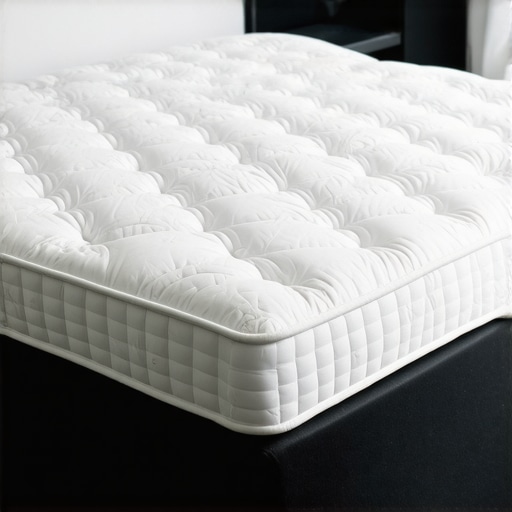
Why your mattress topper is actually hiding a bad bed
Have you ever woken up after a good night’s sleep with that nagging back ache or stiff neck, feeling like your mattress is the culprit, but then you notice your mattress topper sitting peacefully on top? That familiar frustration hits you—because maybe, just maybe, the topper isn’t the hero you thought it was. In fact, it might be hiding a deeper issue: a bad bed waiting to cause more trouble down the line.
The Hidden Truth Behind Your Mattress Topper
This realization hit me hard a few years ago when I kept waking up sore, despite investing in what I thought was a premium mattress topper. I kept adjusting pillows, stretching, and even trying new sleep positions, but nothing seemed to help. That’s when I started digging into the actual cause: the mattress underneath. I learned that a poor-quality or worn-out bed can be the real source of persistent discomfort, and a topper can sometimes act like a band-aid, masking the problem without solving it.
Understanding this was a game-changer. It made me question whether my efforts were truly tackling the root issue or just covering it up. As I investigated further, I found that many people are unknowingly sleeping on beds that are past their prime—leading to chronic pain and mobility issues. Interestingly, studies show that a significant portion of back pain originates from spinal misalignment caused by inadequate support during sleep (source).
This realization motivated me to look beyond the surface, to unearth the real causes of sleep-related discomfort. And I want to share what I’ve learned so that you don’t fall into the same trap—believing a good topper is enough when the bed itself might be the villain.
What You’ll Discover Today
In this post, I promise to guide you through identifying whether your mattress is hiding underlying issues, and how to address them. We’ll explore practical ways to evaluate your bed’s support, common mistakes to avoid, and simple strategies to upgrade your sleep setup. Because, trust me, a better bed can transform your mornings—freeing you from pain and restoring vital mobility.
Is Your Mattress Really Worth the Hype or Just a Sleeping Mirage?
One mistake I made early on was focusing solely on upgrading my topper, thinking it would be enough. It wasn’t. I ignored the simple fact that supporting the spine properly requires a solid foundation. If I could redo that phase of my sleep journey, I’d prioritize assessing my mattress’s support quality first. If you’re skeptical, know that many people have benefited from consulting a professional to evaluate their bed setup. If you’d like personalized advice, don’t hesitate to reach out.
Assess Your Mattress Support Danearly
Start by lying on your back in your natural sleep position and use your hands to feel for unevenness or sagging in the mattress, focusing on areas where your spine might curve uncomfortably. I once spent an afternoon doing this in my sleep setup, noticed a significant dip under my hips, and replaced the mattress. The result was immediate relief from chronic lower back ache.
Use the Spine Test to Detect Imbalances
Check for Symmetry
Lie flat and observe if your shoulders, hips, and head are aligned with each other. A misalignment suggests uneven support. I used a mirror to compare my body’s symmetry and discovered my hip was tilted from an old saggy mattress, which was a root cause of my discomfort.
Evaluate Pressure Points
Identify spots where your body feels excessive pressure or numbness. This indicates your mattress isn’t distributing weight evenly. I laid on my side and noticed pressure on my shoulder and hip, leading me to opt for a hybrid mattress with better pressure relief.
Test Support in Different Positions
Switch from supine to side and stomach positions, checking if support remains consistent. If support feels better in one position and worse in another, it’s a sign your mattress may be uneven or too soft/hard. Once, I faced uneven support in side sleeping, prompting me to adjust my setup with a firmer topper.
Inspect Motion Transfer and Durability
Have a partner move gently on your bed or jump lightly; excessive motion transfer indicates poor support. Additionally, press into different areas to check for sagging or soft spots. I found that my old mattress sagged significantly after a few years, confirming it was time to replace.
Consult Support Tools and Resources
Use support gauges or apps designed for mattress assessment to quantify firmness and support levels. While not perfect, these tools provided me with objective data, guiding my purchase decision. Remember, resolving support issues can vastly improve sleep quality and reduce pain.
Seek Professional Evaluation When Needed
If you’re unsure or experience persistent discomfort, don’t hesitate to consult a sleep or chiropractic professional. They can help assess your bed setup and spinal support, guiding you to the right solution. For personalized insights, consider reaching out through this contact link.
 Many assume that stretching or popping a few pills will solve chronic back and neck issues, but the truth runs deeper. A common misconception is that pain primarily originates from the affected area itself, overlooking the interconnectedness of the entire spinal chain. For example, revolutionary research indicates that even minor pelvic misalignments can cascade into significant cervical or lumbar problems (source). Instead, you should consider the complex biomechanics involved and how subtle imbalances or instabilities can perpetuate discomfort despite superficial fixes.Achieving lasting relief from back and neck pain isn’t just about one-time fixes; it requires the right tools and a proactive maintenance approach. One of my favorite methods is incorporating specific support devices like lumbar rolls, which help maintain spinal alignment during daily activities. I personally use a memory foam lumbar roll from reputable brands because it molds to my lower back, providing consistent support while sitting for extended periods. This small investment pays off by preventing strain that can lead to chronic discomfort. Additionally, I rely on targeted self-massage tools such as the Theragun mini, which allows me to address localized muscle tension swiftly, especially after long bouts of sitting or physical activity. Regular use of such tools maintains my muscle flexibility, reducing the risk of stiffness or injury over time. For tracking progress and customizing routines, I utilize chiropractic-specific apps like MySpineCoach, which I calibrated based on my unique spinal profile. These apps guide exercises, monitor improvements, and alert me when support levels change or issues arise, making long-term management both efficient and personalized. Looking ahead, I predict that integrating AI-driven support systems with wearable tech will revolutionize home-based spinal health maintenance, offering real-time adjustments and alerts to prevent issues before they escalate.
How do I maintain my mobility and pain relief strategies over time?
Consistency is key. I schedule weekly check-ins with my chiropractor, who uses diagnostic tools like spinal scans to assess underlying support issues that might not be obvious otherwise. This preventive approach ensures that minor misalignments or support deficiencies are addressed early. I also update my support devices regularly—over time, foam supports compress, and their effectiveness diminishes. Replacing or adjusting equipment like my lumbar support ensures that support remains optimal, preventing long-term issues. Equally important is staying educated: I follow trusted sources, such as chiropractic care for mobility, to learn new support techniques and exercises that adapt to my changing needs. Long-term success hinges on combining reliable tools with routine professional assessments, ensuring my back and neck remain resilient. Remember, there’s no substitute for personalized advice—consider consulting a professional if you’re unsure about your current setup. Discover how tailored tools and maintenance routines can transform your spinal health by reaching out at this contact link. To get started, I recommend trying an advanced support tip: invest in a quality lumbar roll and incorporate it into your daily desk or car setup. This simple addition can dramatically improve support and prevent future pain.
What I Wish I Knew When I Started Prioritizing Support
One of the most eye-opening lessons I learned is that a supportive mattress isn’t just about comfort but about maintaining spinal integrity over time. I used to believe that a plush surface was the goal, but I discovered that firmness and proper support play pivotal roles in long-term relief and mobility.
The Power of Small Adjustments for Big Impact
Sometimes, tiny tweaks—like adjusting your pillow height or adding a lumbar roll—can significantly influence your support system. I realized that proactive, deliberate changes are more effective than waiting for pain to worsen, reinforcing the importance of daily awareness.
That Hidden Link Between Support and Mental Well-being
Poor support doesn’t just cause physical pain; it also affects mood and energy levels. Chronic discomfort can lead to frustration and emotional fatigue, so addressing spinal support comprehensively enhances overall well-being, not just physical health.
Curated Support Tools That Truly Made a Difference
- Support Gauges and Apps: Quantifying firmness helped me make informed decisions about my mattress and support devices, ensuring continuous improvement.
- Professional Support Consultations: Personalized evaluations provided me with insights I couldn’t self-assess, leading to targeted interventions.
- Quality Lumbar Rolls and Self-Massage Tools: These simple but effective aids have been game-changers in maintaining spinal support throughout demanding days.
Keep Moving, Stay Supported and Inspired
Remember, optimizing spinal support is an ongoing journey. Small, consistent steps—like revisiting your support setup or consulting a professional—can lead to transformative results. Your back and neck’s health is worth the commitment. Don’t forget, you can always reach out for expert guidance whenever needed. What’s one support adjustment you’re ready to try today to improve your mobility and reduce pain? Share your thoughts below!