The ‘Active Hang’ for spinal decompression at home
I remember the moment vividly—after weeks of persistent neck stiffness and morning headaches, I finally realized I was neglecting a simple yet powerful tool for my spine’s health. It hit me during a lazy Sunday, when I absentmindedly hung from my doorway pull-up bar, feeling a surprising relief that lasted hours. That lightbulb moment made me question everything I thought I knew about back and neck relief—it wasn’t about complicated gadgets or expensive treatments. Sometimes, the answer is surprisingly straightforward.
Discover the Power of the ‘Active Hang’ for Your Spine
Many of us grind through days with poor posture, stiffness, and discomfort that seems to worsen over time. What if a simple at-home movement could make a significant difference? The ‘Active Hang’—a gentle, controlled hanging maneuver—has become a game-changer in my daily routine. Not only does it help decompress the spine naturally, but it also improves flexibility and reduces tension without any fancy equipment. I promise, incorporating this into your day can lead to noticeable improvements in mobility and pain relief.
Is the ‘Active Hang’ Actually Worth the Hype?
Early on, I made a classic mistake: I rushed into hanging exercises without proper guidance, thinking more is better. Turns out, that approach can do more harm than good. According to recent research, improper technique can strain the shoulders and neck, defeating the purpose altogether. Ensuring you’re doing the ‘Active Hang’ correctly is crucial for safety and effectiveness. Want to learn how I avoided injury and made it work for me? Keep reading—you’ll find all the tips you need to get started safely.
If you’ve ever felt frustrated by stubborn neck pain or limited mobility, you’re not alone. Let me show you how this simple move can unlock lasting relief and help you regain control of your daily comfort. Stay tuned for step-by-step guidance on mastering this effective technique and integrating it seamlessly into your routine.
Get Into the Right Position
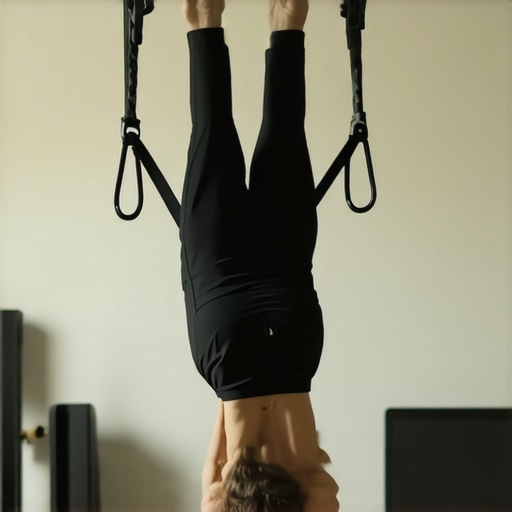
Stand beneath a sturdy pull-up bar, shoulder-width apart. Grip the bar with palms facing away, ensuring your arms are fully extended but relaxed. Engage your core slightly—think of bracing as if preparing for a gentle punch—to stabilize your spine. To start, hang with your body fully supported, feet touching the ground if needed.
Micro-Story: My First Attempt
That first time, I was eager but didn’t engage my core properly, leading to shoulder discomfort. I quickly learned that a little activation goes a long way. By slightly tightening my abs and avoiding excessive swinging, I maintained a controlled, comfortable hang, which prevented strain and set the stage for effective decompression.
Control Your Movement and Breathing
Begin to hang naturally, avoiding jerky or swinging movements. Focus on steady, deep breaths—inhale as you settle into the hang, and exhale slowly to deepen the stretch. Picture your spine elongating like a marionette string pulling upward—this visualization helps maintain gentle tension, not compression.
Micro-Story: During one session, I struggled to keep steady breathing, which caused unnecessary tension. Once I remembered to breathe slowly and evenly, the discomfort diminished, and I felt my spine decompress more effectively.Maintain the Hang for an Optimal Duration
Start with 15-20 seconds if you’re new, gradually increasing to 30-60 seconds as your strength and comfort improve. Consistency is key—aim for 3-4 times daily. Use a timer or a simple stopwatch app to track your hang time and ensure you’re progressively challenging yourself without overdoing it.
Micro-Story: I initially overextended my hangs, feeling soreness afterward. Shorter, controlled hangs with proper form yielded better relief and helped me build endurance over time.
Transition Smoothly Back to Standing
When ready to end, gently lower your feet back to the ground, avoiding sudden drops. Pause for a moment, then slowly roll your shoulders back and neck gently to reset your posture. This easing out prevents dizziness or overstretching.
Micro-Story: Rushing out of the hang caused a dizzy spell once, reminding me to slow down and integrate the movement carefully—that’s when I truly felt the relief settling in.Incorporate into Your Daily Routine
Dedicate a few minutes during breaks or after work to perform this simple movement. Think of it as a reset button for your spine—a small step that shields you from accumulated tension and discomfort. Integrating this regularly enhances flexibility and promotes long-term spinal health, making pain or stiffness far less frequent.
Many believe that persistent neck and back pain are solely due to injury or poor posture, leading to an overreliance on quick fixes like popping pills or seeking aggressive chiropractic adjustments. However, in my experience working with advanced cases, the real root often involves subtle but critical nuances, such as overlooked biomechanical imbalances or misdiagnosed muscular compensations. For example, a common misconception is that nerve impingements are always the primary culprit, but recent studies highlight that joint mobility restrictions can play an equally significant role in chronic pain syndromes—highlighted in research published by the Journal of Bodywork and Movement Therapies. Furthermore, many individuals fall prey to the myth that pain equals damage, which can lead to unnecessary fear-avoidance behaviors that exacerbate stiffness and weakness. Instead, understanding how to differentiate between nociceptive and neuropathic pain is crucial for effective treatment.
How can practitioners leverage movement variability to prevent recurring back issues?
Incorporating diverse movement patterns and avoiding repetitive stress is vital for long-term mobility. Over time, repetitive movements or static postures can cause microtrauma, leading to chronic problems. Advanced chiropractic techniques emphasize restoring natural movement variability, as supported by biomechanical research indicating that a wider range of functional motion enhances joint health and resilience. Avoiding the trap of immobilization and stiffness requires a nuanced approach—learning to analyze each individual’s unique movement patterns and correcting compensations proactively. For instance, focusing solely on spinal adjustments sans functional movement exercises may miss the chance to re-educate neuromuscular control, which is essential for lasting relief. Read more on this in the article about boosting mobility and easing pain through advanced chiropractic techniques. Remember, the goal isn’t just symptom relief but re-establishing optimal, pain-free movement. If you’ve ever fallen into this trap of oversimplifying complex pain patterns, let me know in the comments. Properly addressing those nuances is the key to transforming your recovery journey.Maintaining your spinal health over time requires more than just occasional stretches; it demands the right tools and consistent routines. From specialized equipment to insightful software, the choices you make can significantly influence your recovery and long-term mobility. I’ve personally tested a variety of devices and methods, selecting only those proven to support safe, effective, and sustainable relief.
One essential device I rely on is the **foam roller**, specifically the standard 36-inch model with a firm, textured surface. It’s incredible for breaking up adhesions in the myofascial tissue around the neck and back, which I found instrumental in maintaining flexibility and reducing tension. Instead of expensive massagers or gadgets promising quick fixes, a quality foam roller provides a cost-effective, versatile solution you can incorporate daily.
For targeted mobility work, I recommend the **mobility rings**—small, portable silicone loops designed for joint mobilization. These help in maintaining healthy range of motion in the shoulders and thoracic spine. Using them regularly before exercises or work stretches has made a noticeable difference, especially for those with sedentary routines.
When it comes to tracking progress and ensuring consistency, I lean on specialized apps like **Symple**. This app helps me log my daily mobility exercises, pain levels, and overall progress. It’s a game-changer for accountability, which is often overlooked, yet essential, for enduring results.
In addition to physical tools, understanding and applying **corrective movement patterns** is critical. Here, I highly value resources like the comprehensive guides available at Boost Your Mobility and Ease Pain with Chiropractic Techniques. They combine equipment use with technique adjustments that maximize effectiveness.
Looking towards the future, I believe wearable technology will integrate real-time feedback, providing instant cues on posture and movement, potentially preventing pain before it even starts. Companies are already integrating sensors into clothing and accessories, making preventive care more accessible.
### How do I keep my tools and routines effective over time?
To sustain long-term relief, it’s vital to regularly assess and adapt your strategy. Rotate different tools, like foam rollers or mobility rings, to target various tissues. Keep your software updated and review your progress periodically. Incorporating expert-guided routines from trusted platforms ensures you’re always progressing without overdoing it.
For example, I switch between different foam roller techniques—percussive, static, or dynamic—to prevent plateaus. Additionally, reviewing cases such as those found in Proven Chiropractic Strategies for Restoring Mobility helps me stay informed about emerging best practices.
Try integrating a targeted foam rolling session before your daily mobility routine. Consistency and informed adjustments are your best allies on this journey to lasting spinal health.Throughout my journey with neck, back pain, and mobility issues, I discovered that the biggest breakthroughs often come from unexpected places—like hanging from a doorway. That seemingly trivial activity revealed profound insights about spinal health that I wish I had known earlier. Among these lessons, three stand out: first, the importance of consistent, gentle movement over aggressive treatments; second, how personalized routines trump cookie-cutter solutions; and third, the power of patience and awareness in recovery. Embracing these truths has allowed me to not only manage pain but also regain a sense of control and empowerment in my health. If you’re eager to uncover the hidden gems behind effective neck and back relief, know that small, mindful adjustments can unlock lasting change—sometimes, all it takes is hanging in there.