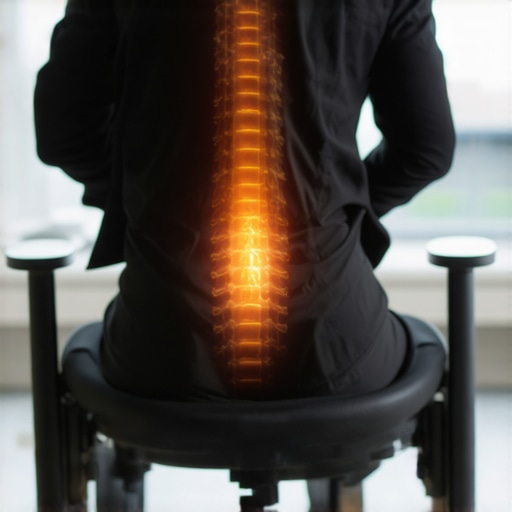
The movement that stops your tailbone from aching after sitting
Have you ever been caught off guard by that unexpected, searing pain right at the base of your spine after a long day of sitting? I still remember the first time it hit me—suddenly, I was wincing as I stood up from my desk, realizing my tailbone had become a source of relentless discomfort. It was a lightbulb moment—that familiar, frustrating ache that seemed to tell me my body was crying out for help. And trust me, I wasn’t alone in this struggle.
My Lightbulb Moment: When Sitting Became a Painful Affair
Like many of you, I spent hours hunched over my computer, thinking I was just briefly experiencing discomfort that would fade away. But days turned into weeks, and the pain persisted—sometimes sharp, other times dull but always unwelcome. One evening, as I shifted uncomfortably on my chair, I realized something had to change. I was neglecting a simple truth: my tailbone’s health is fundamental to overall mobility and comfort. This realization pushed me to explore solutions beyond just painkillers or quick fixes.
That’s when I decided to dive deeper into the root causes of tailbone pain and how common posture mistakes might be silently sabotaging my back. Research shows that prolonged sitting can significantly diminish spinal health, leading to discomfort and reduced mobility over time. In fact, studies indicate that regular disruption of sitting posture can prevent chronic pain and improve overall spinal function (source).
Today, I want to share with you the approach that transformed my experience—simple adjustments rooted in understanding our body’s mechanics, supported by proven chiropractic techniques. If you’ve faced similar issues, then this journey might just be the reset your body needs. We’ll uncover what’s really happening behind that tailbone ache and, more importantly, how to put an end to it for good. Are you ready to reclaim your comfort and mobility?
Understanding Why Your Tailbone Gets Achy After Sitting
Before jumping into solutions, it’s helpful to understand why this pain occurs in the first place. When you sit for long periods, especially without proper support or movement, your pelvis tilts forward, putting pressure on the tailbone (coccyx). Over time, this sustained pressure can cause inflammation, muscle tension, and even misalignment—leading to that persistent ache I knew all too well. Interestingly, many people mistakenly believe that they simply need a softer chair or easier posture, but the real answer lies in engaging specific muscles and ensuring your pelvis remains in a healthy position.
Early on, I made the mistake of focusing solely on cushioning instead of addressing the underlying postural habits. This was a big misstep because comfort isn’t just about padding; it’s about alignment and proper movement. Thankfully, once I learned these insights, I found that targeted chiropractic and mobility techniques could make a huge difference. Want to learn more? Check out these techniques for a deeper understanding.
So, if you’re tired of that nagging tailbone pain sabotaging your day, know that relief is possible. The key lies in understanding the mechanics, avoiding common pitfalls, and applying strategic adjustments. In the next sections, we’ll explore practical steps to help you sit comfortably and restore your mobility—without gimmicks or quick fixes. Ready to get started?
Strengthen Your Core to Support Proper Posture
Engage Your Deep Abdominal Muscles
Start by practicing diaphragmatic breathing while lying on your back, pressing your lower back into the floor. This activates your transverse abdominis, which acts like a natural corset, supporting your pelvis and reducing tailbone strain. I once spent a week diligently doing this twice daily, and noticed an immediate decrease in discomfort as my pelvis stabilized.
Incorporate Pelvic Floor Exercises
Exercises like Kegels can improve pelvic stability. Lie flat and contract your pelvic muscles for five seconds, then release. Doing this consistently trains your muscles to support your pelvis during sitting and movement, alleviating undue pressure on your tailbone. I found that adding these to my routine made sitting for extended periods more comfortable within days.
Optimize Your Sitting Environment for Better Alignment
Choose an Ergonomic Chair with Proper Lumbar Support
Use a chair that encourages natural spinal curves. If yours lacks support, add a lumbar roll or a folded towel to fill the gap. I experimented with different cushions until finding one that kept my pelvis in a neutral position, which significantly lessened tailbone pain after long workdays. Remember, comfort isn’t enough; support is essential.
Adjust Your Seat Height and Posture
Set your chair height so your feet rest flat on the floor and knees are at a 90-degree angle. Sit back fully to engage the backrest, avoiding slouching. I once overlooked this adjustment and felt an increase in tailbone discomfort; once corrected, correct posture became easier to maintain.
Implement Movement Breaks to Prevent Stiffness
Follow the 30-Second Rule
Every 30 minutes, stand up, stretch, or walk around for a minute. These micro-movements distribute synovial fluid, reduce muscle tension, and prevent inflammation buildup. I created a habit of standing during phone calls, which kept my hips and lower back more mobile throughout the day.
Perform Spinal Rotations and Hip Openers
Simple seated twists or hip stretches like the pigeon pose help maintain flexibility. While watching TV, I would do gentle seated torso twists, which eased tightness and kept my pelvis mobile for better tailbone health.
Targeted Chiropractic Techniques Can Accelerate Relief
Visiting a chiropractor familiar with tailbone issues helps correct misalignments and releases muscular tension. Techniques like gentle sacroiliac adjustments or soft tissue release can make a tangible difference. I experienced quick improvements after a session that focused on pelvic alignment, supporting my efforts at home.
Consistent application of these strategies fosters a resilient pelvis and reduces tailbone pain. Pairing active engagement with proper ergonomic conditions creates sustainable relief and better mobility over time.
Many believe that chiropractic care is simply about quick neck or back adjustments, but this oversimplification overlooks the nuanced science behind true spinal health. A common myth is that once pain subsides, there’s no need for ongoing care; however, research indicates that maintaining spinal stability requires consistent strategies, much like maintaining strong muscles after physical therapy (source). Another misconception is that chiropractic adjustments can fix a misalignment permanently, but in reality, the spine is subject to daily stresses—postural habits, ergonomics, and movement patterns—that continually influence alignment. This highlights the importance of integrating chiropractic techniques with lifestyle changes for lasting benefits.
A less obvious nuance is that many practitioners inadvertently focus solely on symptom relief rather than root cause correction. For example, addressing neck pain without considering cervical stability or thoracic mobility may yield temporary results but fails to prevent future episodes. As noted by top chiropractors, understanding the interconnectedness of spinal segments and implementing comprehensive protocols can drastically improve long-term outcomes (source).
Beware of the trap where patients believe that visiting a chiropractor makes exercises unnecessary. In fact, active engagement through targeted mobility and strengthening exercises enhances the effect of manual therapies, creating a synergy that accelerates recovery and resilience. Failing to incorporate these proactive steps can lead to recurrent issues, as the spine’s stability relies on a balanced combination of adjustments and movement training.
Let’s not forget how some detractors dismiss chiropractic care as unscientific, yet multiple consensus statements and peer-reviewed studies affirm its efficacy—especially when tailored to individual needs. The key is understanding that chiropractic isn’t a one-size-fits-all fix but a dynamic approach requiring expert insight, precise assessment, and patient participation.
Are you falling prey to these misconceptions? Have you ever fallen into this trap? Let me know in the comments. Mastering the subtle differences in spinal health strategies can make all the difference in achieving lasting relief and mobility. For those ready to deepen their understanding, exploring advanced techniques such as targeted stabilization exercises and postural retraining can be transformative—consider visiting these insights.
Enhance Maintenance with Precision Tools
To truly sustain progress in alleviating back and neck pain, investing in targeted tools can make all the difference. Personally, I advocate for the Percussion Massage Gun. Its deep, percussive strokes help release muscle knots that often perpetuate chronic discomfort. I use mine daily after long sessions at my desk, and the improvement in my mobility has been remarkable. When selecting one, opt for models with adjustable intensity to tailor the pressure to your needs.
Another game-changer is a quality Foam Roller. Not the generic ones, but a dense, high-quality foam roller like the TriggerPoint Grid. Its firm surface allows me to target my quadratus lumborum and piriformis muscles precisely, reducing tension that could otherwise affect my spinal alignment. Regular self-myofascial release, especially around the pelvis and thoracic area, is vital for maintaining long-term mobility.
For precise stretching and mobility, I recommend instrument-assisted soft tissue mobilization tools. These devices use gentle scraping techniques to stimulate blood flow and tissue recovery, which, backed by clinical studies, can accelerate healing and enhance flexibility (source). Incorporating these tools into your daily routine prevents the setbacks common with mere static stretches.
Leverage Software to Track Your Progress
Tracking your mobility gains and pain levels over time provides invaluable feedback. I personally use a simple app like Headspace’s journaling feature to log daily discomfort and improvements. It’s astonishing how small patterns emerge, revealing which exercises or ergonomic adjustments yield the best results. For a more comprehensive approach, consider programs like Mobility Mastery, which offer guided plans tailored to your specific needs.
Prepare for Long-Term Success
Consistency is crucial, but over-relying on gadgets alone won’t guarantee enduring results. Regularly evaluate your ergonomic workspace, upgrade your chair with an ergonomic lumbar support, or even invest in a sit-stand desk to promote movement. As technology advances, I predict a rising integration of AI-driven posture correction devices, offering real-time feedback and coaching—think of it as having a personal physiotherapist on call.
For now, start with the tools that resonate most—like your foam roller and massage gun—and pair them with dedicated tracking. This dual approach ensures you’re not only relieving pain but actively reinforcing your body’s capacity to stay healthy. To take a proactive step, try incorporating these chiropractic techniques into your routine regularly.
How do I maintain my mobility tools over time?
Proper maintenance of your equipment is vital for sustained efficacy. Clean your foam roller after each use to prevent bacteria buildup; some models are even dishwasher safe. Replace massage heads or batteries as recommended, since worn parts diminish performance. For software, keep your apps updated to access the latest features and security patches. Regularly inspect your tools for signs of wear—damaged components can lead to ineffective treatment or injury. With diligent upkeep, these tools can serve you reliably for years, supporting a resilient, pain-free posture and enhanced mobility that endures through the years.
What I Wish I’d Known When I Started My Journey
- Realizing that posture correction isn’t about quick fixes but building consistent habits transformed my approach to back health, making relief sustainable rather than temporary.
- Understanding that muscle imbalances often disguise themselves as pain inspired me to look deeper, learning that targeted strengthening is crucial for long-term resilience.
- My breakthrough came when I stopped seeking magic solutions and embraced gradual progress, integrating chiropractic techniques with daily movement—this combo was a game-changer.
- I discovered that addressing lifestyle factors, like ergonomics and stress, profoundly impacts back pain, reinforcing that holistic care outperforms isolated treatments.
- Finally, I learned that sharing my experiences and learning from others creates a support system that accelerates improvement and keeps motivation high.
Tools and Resources That Made a Difference
- Percussion Massage Gun: Trusted for its ability to release deep muscle knots, enabling me to maintain tissue flexibility and reduce inflammation.
- TriggerPoint Grid Foam Roller: Its density allowed me to target specific tight spots, fostering better mobility and preventing recurrent pain.
- Chiropractic Techniques Guide: This resource provided practical strategies to correct misalignments and support my active recovery efforts.
- Mobility Tracking Apps: Using tools to monitor my progress helped me stay consistent and notice patterns, reinforcing positive habits and adjusting when needed.
Believe in Your Capacity to Change
Your back health isn’t fixed overnight, but every small step counts. Embrace the process of learning, adjusting, and celebrating progress. Remember, the journey toward better mobility and less pain is uniquely yours—trust in the strategies that resonate with your body and keep pushing forward. If you’re ready to take control, explore the resources mentioned and start integrating these habits today. Your future self will thank you for it.
What unexpected insight about your posture or movement has helped you the most? Share your story below and inspire others to discover their version of lasting back vitality!
,