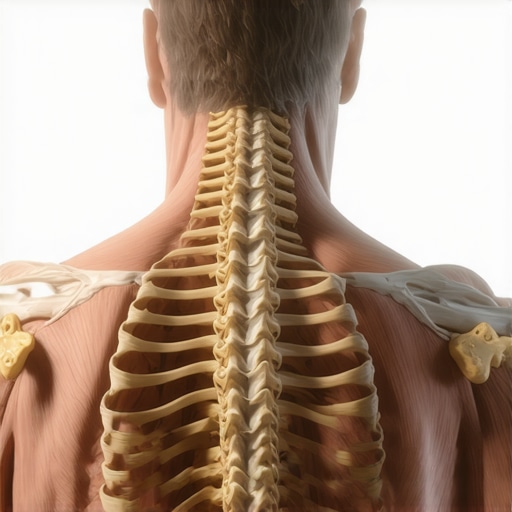
Why your thoracic spine is the key to neck relief
Have you ever experienced that sudden jolt of disappointment when turning your head and feeling a sharp, stubborn pain? I remember the exact moment I realized my neck discomfort wasn’t just about my neck at all. It was during an ordinary morning, trying to get ready for work, when I turned awkwardly and the pain shot up like a lightning bolt. That lightbulb moment led me down a different path—one that revealed a surprising secret: your thoracic spine might just be the hidden culprit behind your neck troubles.
Why Your Mid-Back Could Be the Missing Piece in Your Neck Relief Puzzle
Most folks, myself included early on, focus solely on the neck when pain strikes. We massage it, stretch it, even splurge on pills. But here’s the truth I’ve learned through personal experience and professional guidance: your cervical (neck) pain often stems from issues elsewhere in your spine, particularly the thoracic region—the section between your shoulders and rib cage. Why? Because our spines form a connected chain, and restrictions or weaknesses in the thoracic area can pull your cervical spine out of alignment, resulting in persistent neck pain. In fact, research shows that thoracic mobility is essential for maintaining neck health and function (source).
If you’ve tried endless neck stretches and still feel no relief, you’re not alone. I made the mistake of ignoring my upper back, believing my neck was just stiff from poor posture. It wasn’t until I started focusing on improving my thoracic mobility that I noticed a real difference. So, if you’re tired of temporary fixes and want a lasting solution, understanding and addressing your thoracic spine might just be the game-changer.
Is it really worth the effort to shift focus from neck to Thoracic Spine?
Absolutely. Early in my journey, I underestimated the power of the upper back, thinking it was just a supporting actor. But neglecting that area meant I stayed trapped in a cycle of frustration and discomfort. Once I learned some simple, effective techniques—like certain mobility exercises that target the thoracic region—I experienced relief that conventional neck-focused treatments never gave me. Many people, including top chiropractors, emphasize that addressing thoracic restrictions is crucial for neck pain management (more insights here).
Now, I want to guide you through the how and why of this connection. Are you ready to discover the simple secrets that can transform your neck health? Let’s dive into what you need to know about your thoracic spine and how revitalizing it could be your best shot at lasting relief.
In the next sections, we’ll explore practical steps to improve your thoracic mobility, backed by proven strategies that I personally found effective. If you’ve been battling neck pain and feeling stuck, keep reading—you might just find your breakthrough right here.
,
Start with Gentle Thoracic Rotations
My first hands-on attempt was a messy, awkward session. Sitting on the floor, I placed my hands behind my head and gently twisted my upper back side to side. At first, it felt stiff, almost like turning a rusty hinge. But I persisted with slow, controlled movements, focusing on smooth, deep breaths. Over a week, I felt a noticeable increase in flexibility, and my neck discomfort lessened.
This exercise mimics turning a doorknob—the more you turn smoothly, the freer it moves. To do this effectively, lie on your side with knees bent, place one arm over your head, and rotate your upper back toward the ceiling. Repeat on both sides, gradually increasing your range. Consistency is key, and integrating this into your daily routine can unlock significant relief.
Incorporate Thoracic Extensions Using a Foam Roller
Next, I found a simple foam roller — an unassuming tool that worked wonders. Placing it horizontally under my upper back while lying on my bed, I carefully extended my spine over it. At first, I felt tightness, like trying to open a stubborn jar. But slowly, the tension eased with each session. This movement reminds me of arching your back over a a0bar, fostering mobility in a natural way.
Lay with the foam roller across your thoracic region, support your head, and gently extend backward, holding briefly at the top. Do this for 1-2 minutes daily, and build up as your flexibility improves. This targeted movement helps counteract the typical forward hunch many of us develop while sitting at desks.
Practice Controlled Breathing to Reinforce Mobility
During these exercises, I realized breathing deeply and rhythmically was essential. It’s like lubricating hinges; breathing helps loosen tight muscles and relaxes the nervous system. Focus on inhaling through your nose, expanding your chest and ribs, then exhaling slowly through your mouth. This approach amplifies the effectiveness of your mobility work.
Apply Self-Myofascial Release on Upper Back
Sometimes, residual tension lingered, almost like stubborn glue holding muscles in place. I discovered pressing a tennis ball against tender spots on my upper back helped release this fascia. Think of it as giving your muscles a gentle massage—press, hold for a few seconds, then release. This simple act broke down knots that could otherwise limit your movement.
Establish a Consistent Routine
Implementing these techniques, even for just 10 minutes daily, created a cumulative effect. I kept a journal to track my progress and held myself accountable. Over time, my thoracic mobility improved, which translated into less strain on my neck and shoulders. Remember, patience and consistency turn small efforts into major breakthroughs in pain relief.
For tailored advice or if you experience persistent discomfort, consider reaching out to a professional. You can contact a chiropractor here to explore personalized strategies. Embrace these practical steps, and watch how your posture and pain evolve over time.
Many people assume that quick fixes or superficial stretches are enough to keep their spine healthy, but the real challenge lies in understanding the complex interplay within our spinal structure. A common myth is that mobility exercises alone can resolve chronic neck or back pain; however, without considering the nuanced mechanics of spinal stability and musculature balance, those efforts might fall flat. For example, focusing solely on flexibility without stabilizing the core and surrounding muscles can lead to compensations, making pain worse over time. According to pioneering research by Dr. Stuart McGill, spinal stability is just as crucial as mobility; neglecting this balance often results in recurring injuries and persistent discomfort (source).Maintaining your spinal health over time requires the right tools and consistent care. Personally, I rely heavily on a high-quality foam roller, like the TriggerPoint GRID Foam Roller, which I’ve used daily to keep my thoracic mobility optimal. This roller’s dense construction and multilayer design allow me to perform targeted myofascial release on stubborn knots, preventing recurring tension and ensuring my back stays flexible. Alongside physical tools, digital resources like spine health tracking apps are becoming invaluable. For example, the ‘MobilityFlow’ app helps me log daily exercises, monitor improvements, and stay motivated. Consistent tracking ensures that small gains translate into lasting relief rather than short-term fixes. Looking ahead, I predict that integration of wearable technology—such as posture sensors and biofeedback devices—will revolutionize how we maintain spinal health, providing real-time corrective prompts and personalized rehab plans. Incorporating these tools into your routine not only streamlines maintenance but also empowers you to take control of your mobility journey.
The Hidden Truth About Spinal Balance That Changed My Approach
One of the most eye-opening lessons I discovered was how interconnected our spinal segments truly are. Initially, I believed that neck pain was a standalone issue, but I soon realized neglecting my upper back only perpetuated my discomfort. The lightbulb moment came when I understood that improving thoracic mobility doesn’t just ease back pain—it fundamentally restores cervical health. This wisdom transformed my entire perspective, reminding me that lasting relief comes from addressing the root, not just the symptoms.
Tools and Tips That Made a Real Difference
Over the years, I’ve curated a personal toolbox filled with effective resources: I swear by the TriggerPoint GRID Foam Roller for self-myofascial release, which helps keep my upper back supple. Additionally, the MobilityFlow app keeps me accountable and tracks my progress, turning daily movements into a manageable habit. These tools have empowered me to maintain consistent care, making a profound difference in my spine health.
It’s Never Just About Flexibility—Stability Matters Too
One mistake I see many make is focusing solely on stretching without strengthening. Through personal trial, I realized that without stability exercises, increased mobility can sometimes lead to more instability. Incorporating core and spinal stabilization routines, like the McGill Big Three, provided a balanced approach, ensuring that mobility translated into durable, pain-free movement. The combination of flexibility and stability became my formula for lasting relief.
Take Action Today: Your Path to Freedom from Neck and Back Pain
Mastering thoracic mobility isn’t a one-time fix; it’s an ongoing journey. Start with small, daily movements—like gentle rotations or foam rolling—and gradually build up. Imagine how this consistent effort will transform your posture, reduce discomfort, and restore confidence in your movement. Remember, your spine is a chain, and by caring for your mid-back, you’re truly taking a significant step toward a pain-free life. Don’t wait—your back and neck deserve this attention. Curious about tailoring a plan that’s right for you? You can reach out to a professional here for personalized guidance.