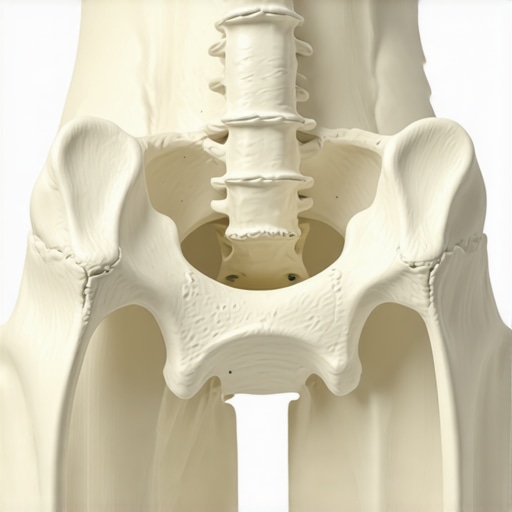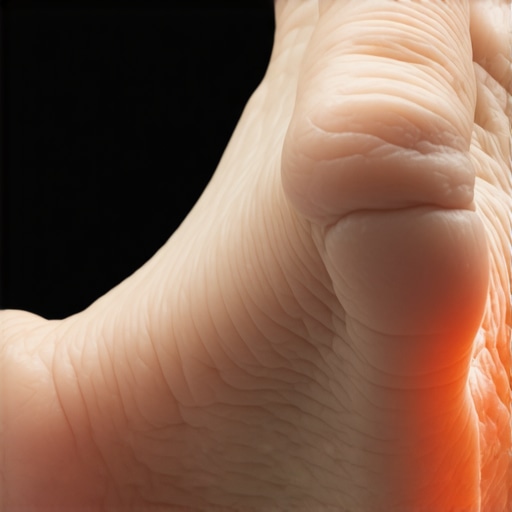
How a stiff big toe is actually causing your lower back pain
Ever been caught mid-movement, feeling that sudden jolt of pain in your lower back, and wondered if you did something wrong? I’ve been there. One morning, I tried to pick up my morning coffee, and a sharp, nagging ache shot through my lower back. Frustrated, I chalked it up to bad posture or an overly ambitious workout. But what I didn’t realize at the time was that a tiny, often overlooked body part—the big toe—was actually the culprit behind my discomfort.
The Surprising Connection Between Your Toe and Lower Back Pain
This lightbulb moment came when I started paying closer attention to my gait and foot mobility. I discovered that my big toe felt stiff and unresponsive, almost as if it was glued to the ground. It might sound odd, but that tiny joint plays a crucial role in how we walk, run, and even stand. When it’s stiff or restricted, it throws off your entire biomechanics chain, placing undue stress on your ankles, knees, hips, and, surprisingly, your lower back. Studies indicate that poor toe mobility can disrupt balance and gait, leading to compensations that cause pain and stiffness elsewhere in the body.
What I realized was eye-opening: neglecting the health of my toes could lead to significant issues higher up in my spine. If you’ve ever experienced persistent back pain that just won’t ease, it might be worth considering if your toe mobility is part of the problem. Don’t worry—this is a solvable challenge, and I’ll guide you through what I did to address it.
Why This Matters for Your Mobility and Long-Term Relief
Understanding how a tiny joint like the big toe can influence your lower back might seem unconventional, but it’s backed by biomechanics and chiropractic insights. When your big toe is stiff, your gait becomes altered. You might land on the outside of the foot, shuffle instead of step smoothly, or avoid pushing off fully. Over time, this compensation can create imbalances that strain your lumbar spine, leading to ongoing discomfort.
If you’re thinking, “Is this really worth me bothering with?” consider this: I made the mistake early in my journey by focusing solely on my back without addressing my foot mobility. It was a missed opportunity; because the fix was simpler than I expected, and now I want you to avoid the same trap. Worse yet, ignoring foot health can make traditional back treatments less effective over time.
So, are you ready to explore how your big toe might be silently sabotaging your back? The good news is that with some targeted work and a bit of knowledge, you can restore your toe mobility and, in turn, bring relief to your lower back. Let’s dive into how you can identify and fix this common issue, starting with some simple assessments and stretches.
If this resonates with you or if you’ve faced similar struggles, I’d love to hear your story. Have you noticed that your back hurts after a walk or a day of standing? Maybe it’s time to look at your toes—sometimes, the smallest parts can cause the biggest problems. And remember, addressing foot health isn’t just about feeling better; it’s about regaining mobility and preventing future pain. Ready to get started? Let’s walk through what you need to know to turn things around.
For more insights into resolving neck and back pain, you might find helpful information at this resource.
Assessing Your Toe Mobility
Start by sitting comfortably and slowly lifting your big toe while keeping the others flat. Notice if there’s resistance or stiffness. To get deeper, try to move your toe in all directions—up, down, and side-to-side. During my own test, I found my big toe was almost immobile, which explained my uneven gait. Recognizing restrictions is the first step towards improvement.
Implementing Targeted Toe Stretches and Exercises
Place a small towel on the floor, curl your toes around it, and try to drag it towards you. Repeat several times daily. Also, practice toe-pointing and flexing exercises—standing or sitting—and consciously focus on moving your big toe through its full range. I dedicated five minutes each morning to these movements; initially, it felt awkward, but gradually, my toe regained suppleness, improving my gait and easing back discomfort.
Integrating Mobility Drills Into Daily Routine
Use a toe spacer or attempt barefoot walking on uneven surfaces like grass or sand to stimulate toe flexibility. Incorporate walking drills that emphasize pushing off with your big toe—mimicking a normal gait pattern. After a week of consistent practice, I noticed a smoother walk and less strain in my lower back. These small habit shifts can have profound effects on biomechanics.
Monitoring Posture and Gait Improvements
Record yourself walking, focusing on toe movement and foot placement. Notice if your steps are more balanced and if your hips and back feel less strained. I kept a journal of my progress; seeing tangible improvements motivated me to keep up the routine. Proper gait promotes spinal alignment, reducing the risk of chronic pain.
The Role of Professional Guidance
If you struggle to improve toe mobility on your own, consult a chiropractor or a physical therapist. They can perform targeted assessments and provide tailored exercises to restore function. During my sessions, I learned manual mobilizations that freed up my stiff big toe, instantly translating to better back stability. Seeking expert help accelerates recovery and ensures safe, effective progress.
Remember, small changes in your toe mobility can lead to significant relief in your lower back pain. Regularly reassess your toe movement, stay consistent with exercises, and seek professional advice when necessary. These core techniques are your toolkit for lasting improvements and pain-free movement.
 Many assume that back pain is solely a structural issue or that pain medication or typical chiropractic adjustments address the root cause effectively. However, this oversimplification can lead to persistent problems. One prevalent misconception is that rest and avoidance of activity will hasten recovery, but in fact, prolonged inactivity can weaken supporting muscles and worsen mobility over time. It’s essential to recognize that back pain often involves complex biomechanical imbalances, muscular weaknesses, and neural factors rather than just the spine’s alignment alone. According to expert chiropractor Dr. Scott Bautch, neglecting the interplay between mobility and muscle strength can lead to chronic pain cycles that are harder to resolve, even with conventional treatments.
Another common myth is viewing chiropractic care as only a quick fix or a one-time adjustment. In reality, ongoing proactive strategies, including targeted mobility exercises and lifestyle modifications, are crucial for lasting relief. Relying solely on adjustments without addressing underlying movement patterns can cause the problem to recur, leading many into a frustrating cycle of short-term relief and long-term frustration.
A subtle but significant trap many fall into is focusing exclusively on symptomatic treatment rather than identifying and correcting the underlying causes. For example, addressing only the lower back without evaluating foot mobility, hip flexibility, and posture habits misses the bigger picture. Overlooking these factors can result in temporary relief that doesn’t last or worse, shifting pain to other areas.
For those seeking a more sophisticated approach, understanding the neuromuscular connections is vital. Your nervous system plays a central role in muscle coordination and stability. When neural pathways are compromised or habits ingrained, such as poor posture or asymmetric movement patterns, pain persists. Techniques like functional movement assessments and neuromuscular re-education can be game-changers. As Dr. Stuart McGill emphasizes in his research, optimizing core stability and movement patterns reduces reliance on passive structures and diminishes pain over time.
Avoid falling into the trap of relying solely on passive treatment modalities. Instead, take an active role in your recovery by integrating mobility drills, strengthening exercises, and education on movement mechanics. Regularly reassessing your posture, gait, and mobility ensures long-term progress. If you’re curious about how to incorporate these strategies, check out resources on restoring mobility properly, such as [this expert guide](https://quackersspinal.com/restore-your-back-mobility-proven-chiropractic-strategies).
Have you ever fallen into this trap? Let me know in the comments. Remember, understanding the nuances behind back pain helps you make smarter, more effective decisions for your healing journey.
Keep It Moving: Essential Tools for Long-Term Wellness
Maintaining spinal health and mobility isn’t a one-time effort—it’s an ongoing process that benefits greatly from the right tools and consistent routines. Over the years, I’ve found that specific equipment and tech solutions can make the difference between short-term relief and lasting stability. Investing in quality tools not only amplifies your progress but also empowers you to take control of your wellness journey.
One of my go-to items is a versatile foam roller. It’s not just for athletes; I use it daily to release fascia and reduce muscle stiffness that can contribute to nerve impingements and postural issues. A dense, high-quality foam roller with ridges allows me to target stubborn knots effectively. Complementing this, I recommend a set of resistance bands for gentle, targeted strengthening—especially for the deep stabilizer muscles that support your spine. Resistance bands are portable, affordable, and versatile, making them ideal for home routines or on-the-go mobility sessions.
Incorporating a posture correction device, like a wearable posture trainer, has been transformative in reinforcing good habits throughout the day. These devices gently remind me when I slouch, helping to retrain my body to maintain optimal alignment. Trust me, these subtle cues prevent the familiar slumps that exacerbate neck and upper back pain over time.
On the digital front, I rely on mobility tracking apps that encourage consistent movement and remind me to stretch after prolonged sitting. The key is setting SMART (Specific, Measurable, Achievable, Relevant, Time-bound) goals and using technology to hold yourself accountable. As biomechanical expert Dr. Stuart McGill notes, regular movement variability is vital for resilient spinal health—these tools serve as personal coaches in that journey.
Prediction: As technology advances, I believe we’ll see smarter wearable devices integrated with biofeedback systems, providing real-time data on posture and movement patterns, enabling even more precise adjustments for spinal health.
How do I maintain my mobility and avoid setbacks? Doing this has worked wonders for me: Make mobility drills a daily habit, and incorporate specific tools that address your unique needs. My routine includes rolling, resistance exercises, and posture reminders. Most importantly, always listen to your body and seek professional guidance when needed. For a comprehensive plan on spinal longevity, I recommend exploring proven chiropractic strategies. This integrated approach ensures you’re not just patching symptoms but fostering enduring wellness.
Remember, consistency is key. Try dedicating five minutes each morning or evening to your targeted tools and exercises. These small daily investments compound over time, leading to significant improvements in mobility, pain reduction, and overall quality of life. Start with a foam roller, add resistance bands, and consider a posture trainer—you’ll be surprised how these tools provide the stability and confidence to keep moving freely.
If you’re ready to take your long-term health seriously, begin integrating these tools into your routine today. For more tips tailored to your neck and back health, check out this resource.
Questions to Ask When Planning Your Maintenance Routine
How do I maintain my mobility over time without plateauing? Establish a personalized protocol that combines professional guidance, effective tools, and consistent movement. I suggest scheduling regular check-ins with a chiropractor or physical therapist to fine-tune your routine and adapt to your evolving needs. Remember, the goal is sustainable, enjoyable movement that prevents setbacks and keeps you feeling energized.

Preparing your space with the right tools is a step forward in ensuring lasting relief. Invest in quality equipment, make use of digital aids, and stay proactive with your mobility exercises. With dedication, these strategies will form the foundation of a resilient, pain-free life—so start today, and keep it working!
,
Over the years, I’ve learned that sometimes, the smallest adjustments lead to the most profound changes. My journey revealed a surprising secret—focusing on my big toe unlocked significant relief from persistent lower back pain. This lesson isn’t just personal; it’s a powerful insight into how intricate and interconnected our bodies truly are.
What I Wish I Knew About Small Joints and Big Pain
- The Hidden Chains of Movement: I realized that neglecting toe mobility can cascade upward, causing compensations that strain the lower back. Addressing the root—in this case, my big toe—proved more effective than chasing symptoms with conventional treatments.
- The Power of Simplicity: Sometimes, simple stretches and daily routines targeting the foot can restore balance and reduce back discomfort. It taught me that complex problems often have elegant, accessible solutions.
- Acceptance of the Small Details: I learned to listen closely to my body’s subtle signals. Tweaking tiny joints like the big toe can have a ripple effect, highlighting the importance of holistic care and attention to detail.
- Informed Self-Assessment: Regularly testing my toe mobility helped me track progress and recognize improvements faster. It emphasized that empowerment begins with awareness and proactive management.
- Trust in Expert Guidance: When in doubt, consulting a professional who understands biomechanics can accelerate recovery. Combining personal routines with expert advice created a sustainable path to health.
Tools That Enable Lifelong Mobility
- Resilient Foam Rollers: I trust my foam roller to release fascia and maintain flexibility. It’s a simple yet effective tool I use daily to prevent stiffness that could impact my back.
- Resistance Bands for Stability: These versatile bands strengthen supporting muscles, reinforcing spinal health and encouraging proper gait mechanics.
- Posture Reminders Devices: Wearable tech that nudges me into good alignment keeps bad habits at bay and fosters consistent movement quality.
- Mobility Tracking Apps: Digital tools that remind me to stretch and move make it easier to sustain my routines and monitor progress over time.
Embrace a Future Where the Little Parts Matter
Now, I see my body through a different lens—one that appreciates the profound impact of small joints like the big toe. If you’re ready to transform your approach to back pain, consider how attention to these overlooked areas can unlock new levels of comfort and mobility. The journey to lasting relief isn’t just about big changes; it’s about respecting and nurturing every part of your body.
Have you ever noticed that improving foot mobility helps reduce back discomfort? Share your experiences below or ask for tips—your story might be the key for someone else on their healing path.