The Hidden Link Between Toe Strength and Spinal Alignment
Have you ever experienced that sudden jolt of back pain, especially after a simple activity like standing up from your chair or taking a quick walk? I remember the moment I first realized my back wasn’t just hurting—it was crying out for help in a way I didn’t immediately understand. One morning, after a jog, I felt an unmistakable twinge that no amount of stretching seemed to fix. Frustrated and puzzled, I started digging deeper into my pain and stumbled upon an eye-opening connection: the strength of my toes was directly influencing my spinal alignment.
The Hidden Connection That Changed My Perspective
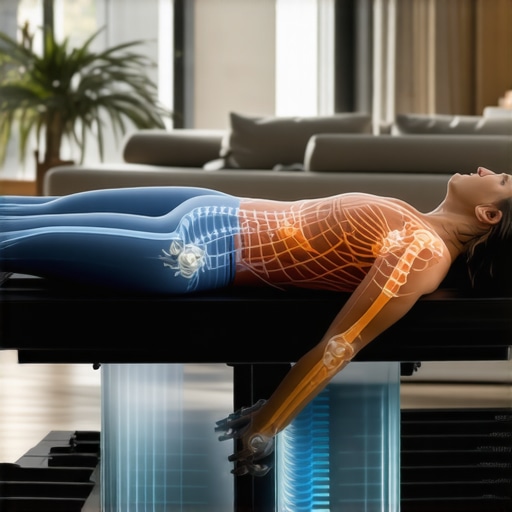
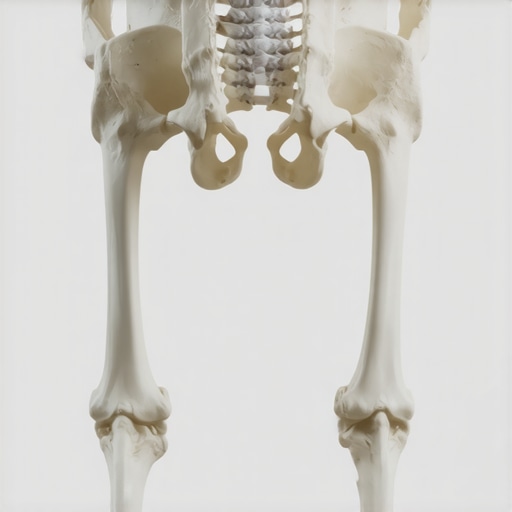
It might sound strange at first—how could something as small as your toes impact the entire structure of your back? Well, let me tell you, this isn’t just some quirky theory. It’s backed by real science and cumulative clinical experience. Your toes are the foundation of your body’s balance, helping you stabilize during movement and at rest. When toe strength weakens, your gait alters, putting uneven stress on your spine and leading to persistent discomfort or even chronic issues.
In my own journey, I learned that neglecting simple mobility exercises for my toes was a mistake. I used to focus solely on stretches and chiropractic adjustments for my back, assuming that was enough. But early on, I overlooked the importance of the tiny muscles in my feet. That was a mistake I won’t repeat, and neither should you.
Research supports this idea: experts have found that issues in the feet can cascade upward, affecting posture and spinal health. Improving toe strength can significantly enhance your overall stability, reduce asymmetrical stress, and promote a more balanced spinal alignment. If you’re wondering whether this applies to you, I urge you to reflect: have you noticed your balance worsening or your shoes wearing unevenly? These could be early signs that your toes need some attention.
So, in this post, I’ll guide you through proven techniques and insights that helped me restore better mobility and alleviate back pain—starting from the ground up. Ready to discover how tiny toes can make a big difference? Let’s begin with understanding the real impact of toe strength on your spinal health and what you can do today to start turning things around.
Start with Toe Mobility Exercises to Reboot Stability
My first messy attempt involved sitting on the edge of my bed, trying to curl and spread my toes while watching a quick tutorial. At first, it felt awkward—like trying to turn a steering wheel with stiff hands. I used towels to practice grabbing and pulling, which effectively woke up the tiny muscles in my feet. Over a week, I noticed less wobbly steps and more balanced movements. Incorporate toe spreads, towel pulls, and toe raises daily to build foundational strength and prevent the cascade of spinal misalignments.
Develop a Routine for Toe Strength and Balance
Next, I integrated simple habits: standing on one foot for 30 seconds, then switching. This not only engaged my toes but also challenged my ankle stability, mimicking real-world walking dynamics. Micro-foot exercises like toe taps on the floor or heel-to-toe walks foster proprioception—your body’s sense of position—vivifying the tiny muscles that control balance. These practices act like the stabilizer bars in a car suspension, keeping your spine aligned during daily movements. For a detailed program, visit Mobility Mastery.
Target Weak Links with Specific Strengthening Drills
Then, I inserted targeted exercises such as toe crunches with resistance bands. Imagine your toes as the foundation of a house—if the base weakens, the whole structure suffers. Strengthening the toe flexors and extensors equipped me with better grip and balance, shielding my lower back from undue stress. Using small rubber balls or resistance bands, perform toe curls and extensions, holding each rep for a few seconds. These focused drills activate the muscles that stabilize your arches and align your spine naturally. Learn more about the importance of foot mechanics here.
Practice Proper Walking and Gait Techniques
Applying new strength, I paid close attention to my walking pattern—landing softly, distributing weight evenly, and avoiding overstriding. This practice acts like tuning a guitar; small adjustments make a huge difference in harmony and function. I consciously pushed off with my toes during each step, emphasizing heel-to-toe motion, which helped realign my gait and alleviate lumbar strain. Think of your toes as the car’s final gear—if they aren’t engaged correctly, the whole ride suffers. For more insights on gait correction, see Restoring Range of Motion.
Incorporate Footwear and Surface Awareness
I also scrutinized my shoes, choosing those with flexible soles that allowed natural toe movement. Walking barefoot on varied surfaces such as grass, sand, or textured mats further stimulated my foot muscles. Just like a workout for your abs, constant engagement keeps muscles strong and responsive. This holistic approach helps your body maintain equilibrium, reducing the chances of compensatory spinal adjustments. For more on supporting mobility through footwear, visit Enhance Mobility Naturally.
Stay Consistent and Listen to Your Body
Last, I learned that progress demands consistency. Incorporate these practices into your daily routine and pay attention to signs—less discomfort, steadier posture, balanced gait. Sometimes, even the tiniest adjustments in toe strength ripple upward, realigning your entire back, just like a house shifting when its foundation stabilizes. Pairing toe work with professional guidance from skilled chiropractors can amplify these benefits; check out Chiropractic Care for Back Pain for more support.When it comes to mobility and spinal health, many people rely on common advice like stretching or chiropractic adjustments, assuming these alone will solve their issues. However, a critical nuance often overlooked is that pain isn’t just about muscles or joints in isolation. Instead, it involves complex interactions between your nervous system, sensory feedback, and subtle biomechanical factors that aren’t immediately obvious. For example, even seasoned practitioners sometimes assume that increasing flexibility is always beneficial, but in reality, overly aggressive stretching without addressing underlying stability can worsen symptoms, especially if proprioception—the body’s awareness of its position—is compromised. Research by experts such as Dr. Kelly Starrett emphasizes that proper movement quality and sensory integration are key, but these are often dismissed in favor of quick fixes. This misconception can lead you into a trap where you’re constantly chasing flexibility without building the stabilization needed for long-term relief. Have you ever fallen into this trap? Let me know in the comments.
One myth I want to debunk is the idea that all back pain stems from structural damage that only surgery or intense physical therapy can fix. While severe cases require professional intervention, a significant portion of chronic pain involves the nervous system’s maladaptive responses. Your brain, in an effort to protect, may amplify pain signals even when tissues are healing or no longer injured. This phenomenon, known as central sensitization, demonstrates that pain management must also include neurological retraining, not just physical adjustments. For instance, gentle movements, nerve gliding, and proprioceptive exercises—like those discussed in mobility mastery guides—can reset these maladaptive patterns, leading to better outcomes. Avoid the trap of believing pain is purely structural; instead, view it as a holistic issue requiring multi-layered solutions.
A common mistake that even experienced clinicians make is targeting only symptomatic areas. For example, addressing neck pain without considering the influence of shoulder stability, jaw tension, or even foot mechanics can result in temporary relief but no lasting change. Advanced practitioners understand that the kinetic chain extends beyond the local site, with subtle compensations in distant regions contributing to persistent discomfort. This is why comprehensive assessments are vital. Techniques such as evaluating grip strength during spinal exams, as explained in Quacker’s resources, reveal overall nervous system health and muscular coordination. By recognizing these interconnected factors, you can avoid the costly mistake of fragmented treatment plans.
From a broader perspective, ignoring motor control and sensory feedback integration—rather than just muscle strength—is a key nuance that can make or break recovery. Techniques like functional movement training and neuroplasticity-based exercises can retrain your nervous system, promoting more efficient movement patterns and reducing pain. So, next time you’re tempted to focus solely on stretching or strengthening, consider the bigger picture: How well is your body sensing and controlling its movements?
Remember, understanding these advanced nuances sets the foundation for truly effective long-term solutions. If you’re ready to explore these deeper strategies, check out our cornerstone content on mastering back and neck pain relief, which covers integrative approaches beyond the basics. Don’t fall for the trap of superficial fixes; embrace the complexity of your body’s communication system. And if you’re looking for guidance tailored to your specific needs, don’t hesitate to contact us. Let’s keep your journey toward lasting mobility and pain-free living moving forward.
How do I maintain my mobility over time?
Maintaining long-term mobility, especially when dealing with back and neck issues, requires a combination of reliable tools, consistent routines, and staying informed about new approaches. Over the years, I’ve found that investing in specific equipment and integrating proven methods into my daily habits significantly prolongs the benefits of chiropractic care and movement exercises. For instance, using a quality resistance band set allows me to perform targeted strengthening drills for my feet, hips, and core—key areas that support spinal health. These bands are affordable, versatile, and portable, making it easy to incorporate short sessions into busy days. More importantly, I’ve noticed that combining equipment with education—such as reading expert-guided content like mastering back and neck pain relief tips—cements good habits and deepens understanding of movement mechanics.
Another crucial aspect is tracking progress. I use simple apps or journals to monitor mobility improvements, pain reduction, and exercise consistency. Not only does this accountability motivate continued effort, but it also helps me spot early signs of regression, allowing for prompt adjustments. In the future, I predict wearable technology, like smart insoles or posture sensors, will become more sophisticated, providing real-time feedback on gait and muscle activation—registering for a smarter, more personalized approach to recovery and maintenance.
What tools do I recommend for supporting ongoing spinal health?
One tool I swear by is the foam roller, specifically designed for targeted myofascial release. I prefer a dense, high-quality foam roller because it provides enough pressure to release tension without being overly aggressive. Regular use of a foam roller on my lower back, hips, and shoulders complements chiropractic adjustments and helps prevent muscle tightness from returning. To maximize its benefit, I follow expert advice from resources like boost mobility techniques, which emphasize slow, controlled rolls and breathing techniques during use. Combining this with gentle stretching and specific strengthening exercises creates a holistic protocol that addresses both mobility and stability.
When it comes to digital tools, I recommend using apps that guide mobility routines and provide video tutorials. These platforms help ensure correct form, which is critical when performing exercises for spinal health. Additionally, I advocate for periodic consultations with a chiropractor or physiotherapist to customize routines based on evolving needs, ensuring that your maintenance program remains effective and safe.
Advancing Your Mobility Maintenance Strategy
Looking ahead, the integration of AI-driven feedback devices and virtual reality mobility coaching could revolutionize how we uphold spinal health. These technologies promise more personalized, engaging, and efficient routines, making maintenance less of a chore and more of an adaptive, rewarding journey. To stay ahead, I suggest trying out one of these advanced tips now—perhaps incorporating a resistance band routine or experimenting with posture sensors—to reinforce your commitment to enduring mobility.
��Automate your progress tracking or explore cutting-edge tech solutions and see how they can seamlessly fit into your daily routine. Remember, consistent effort combined with the right tools is your best shot at long-term relief and functional freedom—so start today and keep moving forward.
Throughout my journey with back pain, I discovered that some of the most effective improvements came from the tiniest changes—literally, from my toes. This revelation transformed my entire approach to mobility and recovery, reminding me that sometimes, the smallest lever can move the biggest mountain. It’s a lesson worth sharing: don’t overlook the foundation of your body’s stability, because it might just be the missing piece you’ve been searching for.
Lessons From the Ground Up That Changed My Perspective
- The Power of Small Movements: I used to dismiss toe exercises as trivial—until I realized that strong toes support entire posture, and neglecting them was contributing to my back pain.
- Holistic Stability Is Everything: Focusing solely on back stretches or adjustments without strengthening my foot muscles proved futile. Building stability from the ground up made a noticeable difference.
- Science Confirmed My Instincts: Research supports that weak toe muscles can cascade into misalignment and strain up the kinetic chain, impacting your spine in ways you might not suspect.
- Consistency Over Intensity: Short daily routines, like towel pulls or toe spreads, compounded over time to create significant improvements—proof that patience and regularity beat quick fixes.
- Listening to My Body: Small cues from my toes and feet alerted me to imbalances before they became painful, emphasizing the importance of proprioception in spinal health.
My Favorite Tools to Keep Moving Well
- Resistance Bands for Toe Strength: These simple, affordable tools help activate and build the tiny but vital muscles in your feet—trust me, they’re game-changers.
- Quality Footwear that Supports Natural Movement: Investing in shoes with flexible soles and barefoot-friendly designs encourages proper toe function and overall stability.
- Smartphone Apps for Guidance and Tracking: I recommend platforms that guide mobility routines and help monitor progress, ensuring you stay consistent and motivated.
- Foam Rollers and Myofascial Tools: Using foam rolling on your calves and feet complements your toe exercises by releasing tension and promoting circulation.
Keep Moving Forward—Your Body Will Thank You
Incorporating these small yet powerful tips into your routine can unlock a new level of mobility and relief. Remember, the journey to better back health isn’t about grand gestures but consistent, ground-up adjustments. Believe in the tiny muscles and foundational stability—you might just find your back pain fading, one toe at a time. Start today, and watch how these subtle shifts lead to profound change.
What’s one small step you’re willing to take to improve your mobility? Share your thoughts below and inspire others to embrace the power of the tiniest muscles for a stronger, healthier spine.