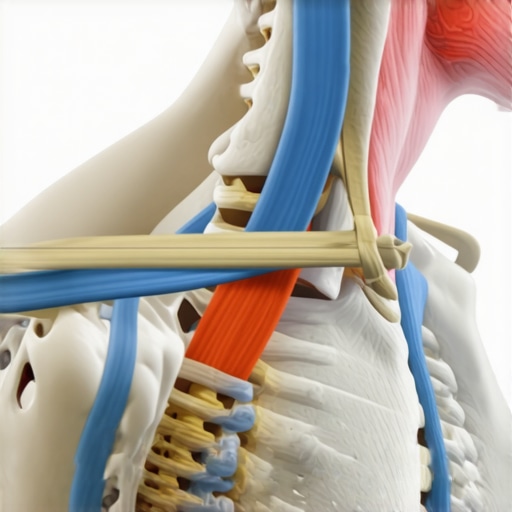
Why stretching your neck to the side is making the pain sharper
There was this one morning when I turned my head just a little too quickly, and suddenly, a sharp pang shot through my neck. It was like my muscles betrayed me, tightening almost instinctively. I thought I was doing everything right — gentle stretches, good posture — yet those painful twinges kept coming back, especially when I tried to loosen up by stretching to the side. It was frustrating and, honestly, a little alarming.
The Hidden Danger of Side Stretching
Have you ever felt your pain get sharper after stretching?
I used to believe that stretching was always good. I’d read that it could help release muscle tension and improve flexibility, so I thought, why not? But early on, I made a crucial mistake—I would stretch my neck to the side without considering how my muscles and spine actually responded. Turns out, not all stretches are created equal. In fact, some can exacerbate the very pain you’re trying to ease.
Research shows that aggressive or improperly performed neck stretches can irritate nerves or strain muscles further, especially if underlying issues are involved. A surprising fact I discovered was that, for many, stretching the neck in certain directions can compress nerves instead of decompressing them (source: experts at Quackers Spinal).
What We Will Cover Today
If you’ve been frustrated by persistent neck pain that worsens with certain stretches, you’re not alone. I want to share what I’ve learned through personal experience and professional guidance. Together, we’ll explore why your neck might be reacting negatively to side stretches and, more importantly, how to do them safely—or avoid them altogether if necessary. The goal is to help you regain comfort and mobility without risking additional pain.
Ever worried that stretching might actually make things worse? You’re not imagining it, and there’s a reason why.
Early in my journey, I assumed more stretching would always bring relief. I ignored the signs my body was giving me, leading to more discomfort. Now, I know that some stretches, especially if done improperly, can trigger sharp pains or nerve compression. It’s crucial to understand the mechanics behind neck movement and the common pitfalls—something I’ll be explaining so you can avoid my mistakes and start healing with smarter, safer moves.
So, if you’re tired of feeling unsure whether your stretches are helping or hurting, stay tuned. We’re going to break down the why behind painful side stretches and how you can approach neck mobility with confidence and care. Ready to take control of your neck health?
.
Focus on Gentle, Controlled Movements
In my early days, I tried to immediately stretch my neck as far as I could, mimicking the dramatic moves I saw in videos. It led to discomfort instead of relief. Instead, I learned to approach neck mobility with slow, controlled motions, like gently turning your head to look over your shoulder. Think of your neck muscles as a delicate cable; they need gentle tension to work correctly, not a sudden yank that can cause irritation.
Start with Small, Data-Driven Movements
One effective method I used was to set a timer for 30 seconds and perform subtle rotations or tilts, feeling for any pain or resistance. If any sharp sensation appeared, I paused immediately. This cautious approach helps your nervous system adapt gradually, reducing the risk of nerve compression or muscle strain. Remember, if stretching feels more painful than therapeutic, it’s better to pause and reassess your technique.
Proper Alignment Is Key to Safe Mobility
Aligning your spine correctly during movement is like tuning a musical instrument; if out of tune, even a small shift causes discord. I made sure to keep my shoulders relaxed and my chest open as I moved my neck, avoiding hunching or twisting excessively. Maintaining a neutral spine posture during these exercises ensures that pressure isn’t unnecessarily placed on sensitive structures, reducing the risk of aggravating existing issues.
Use Visual Guides and Mirrors for Feedback
Initially, I placed a mirror in front of me to observe my head position. Watching my movements helped me correct jerky or asymmetrical motions that could strain my neck muscles. This real-time feedback is crucial for developing safe habits, especially when you’re just starting out. Over time, you’ll develop an intuitive sense of proper movement patterns, which is essential in avoiding dangerous stretches.
Incorporate Breathing and Relaxation Techniques
During my practice, I discovered that tension often builds up unconsciously. Taking slow, deep breaths while moving helped me stay relaxed, preventing unnecessary muscle tightening. As you perform neck mobility exercises, focus on diaphragmatic breathing—inhale through your nose, feeling your belly expand, then exhale slowly. This not only relaxes your nervous system but also enhances blood flow, fostering healing and flexibility.
Avoid Overdoing It: Listen to Your Body
In one messy attempt, I pushed through a stiffness that wasn’t ready for movement. The next day, I paid the price with increased discomfort and nerve tingling. Always respect your body’s signals: if pain intensifies or if you experience tingling or numbness, stop immediately. Gradual progression is vital. Start with a couple of repetitions, then slowly increase as your tissues adapt—this principle is the cornerstone of effective and safe mobilization.
Leverage Professional Guidance
When in doubt, consulting with a chiropractor can be invaluable. They can tailor specific exercises to your needs, ensuring you’re moving safely and effectively. I found that periodic check-ins helped me refine my technique, prevent setbacks, and boost confidence in my mobility journey. Get familiar with effective neck pain management strategies by exploring detailed guides like this step-by-step guide.
Remember, progress in neck mobility isn’t about rapid results but consistent, safe movements. Proper alignment, controlled motions, and body awareness are your best tools for ongoing relief and functional improvement.
 Many assume that all neck pain is simply due to muscle strain or bad posture, but the reality is far more nuanced. A common myth is that cracking or popping sounds during adjustments always indicate progress; however, these sounds can sometimes signal joint hypermobility or even tissue damage, especially if forced. This misconception can lead individuals to seek aggressive treatments that may do more harm than good, underscoring the importance of understanding your unique spinal mechanics. Moreover, many believe that chiropractic adjustments provide instant, permanent relief. While effective in certain cases, relying solely on adjustments without addressing underlying movement patterns or muscular imbalances often results in recurrence. In fact, research has shown that exercise therapy combined with chiropractic care yields better long-term outcomes than adjustments alone (source).
A hidden trap many fall into is thinking that stretching aggressively will resolve chronic stiffness. Pushing beyond your body’s limits can irritate the nerves and cause micro-injuries, especially if you’re unaware of your spinal alignment. For example, attempting deep side stretches without ensuring proper line of movement risks compressing nerves rather than decompressing them, leading to worsened symptoms. Recognizing the difference between safe, controlled mobility exercises and risky overextensions is crucial for sustainable progress.
Why do some advanced movements worsen your pain?
Many advanced practitioners overlook the importance of individualized assessments. Not every technique suits every spinal structure, especially when structural anomalies like vertebral misalignments or degenerative changes are present. A movement considered safe for one person might be dangerous for another. This is why consulting with experts who understand the intricacies of spinal biomechanics is vital. They can tailor exercises and treatments to your specific needs, ensuring you don’t fall into common pitfalls. For deeper insights on how to navigate these nuances, explore this comprehensive guide.
Understanding these misconceptions is a step toward smarter, safer management of neck and back health. Remember, persistent pain isn’t just about muscles—it often involves complex relationships between nerves, joints, and connective tissues. Avoiding the trap of one-size-fits-all approaches and respecting your body’s unique signals can dramatically improve your mobility and comfort. Have you ever fallen into this trap? Let me know in the comments.
Keeping your neck and back healthy over time requires the right combination of tools, consistent routines, and a proactive mindset. One of the most effective strategies I personally recommend is investing in a high-quality foam roller. I use a dense, 36-inch foam roller specifically designed for targeting deep tissue, which helps me release muscle knots and improve flexibility without the need for costly massage sessions. The key is choosing one with appropriate firmness—too soft and it won’t provide enough pressure, too hard and it could cause discomfort. Regular self-myofascial release with this tool has helped me maintain mobility and prevent stiffness, especially after long days of sitting or physical activity.
Another indispensable tool I lean on is a set of resistance bands. Unlike traditional stretching, resistance bands allow for controlled, low-impact strengthening exercises that reinforce the muscles supporting your spine. I particularly favor the Loop Resistance Bands for their versatility—they’re great for shoulder blade stabilization, core engagement, and gentle neck mobilizations. Incorporating these into my weekly routine helps build resilience, ensuring that even when I return to physically demanding tasks or scale up my activity levels, my spine and muscles remain supported.
On the software side, I depend heavily on a posture reminder app on my smartphone. It nudges me to adjust my sitting posture throughout the day, which is nothing short of a game-changer. Consistent awareness prevents bad habits from creeping back in, and over time, good posture becomes second nature. I think the future of posture management will involve smarter wearables that monitor spinal alignment and provide instant feedback, making it easier to catch misalignments early before they turn into chronic pain.
How do I maintain long-term results from my mobility and pain management efforts?
Achieving lasting relief comes down to integrating these tools into a sustainable routine. I schedule weekly self-care sessions that combine foam rolling, resistance band exercises, and posture checks. Additionally, I revisit professional insights—such as those detailed in this comprehensive guide—to ensure I stay aligned with the latest best practices. Moreover, consulting with a chiropractor periodically helps fine-tune my routine and address any emerging issues swiftly. Long-term care isn’t about quick fixes; it’s a continuous commitment to movement quality, supported by the right tools, consistent habits, and professional guidance.
Looking ahead, I predict that technological advancements will make mobility maintenance even more personalized. Wearable sensors that track spinal health in real-time, combined with AI-driven feedback, will empower us to take control of our spinal wellness proactively. But in the meantime, I encourage you to pick one of these tools—perhaps a foam roller or resistance bands—and integrate it into your weekly routine to see tangible improvements. Ready to give it a try? Start with the foam roller and observe how releasing those tight muscles can reconnect you with better movement and relief.

Visualize a sturdy foam roller, resistance bands, and a smartphone displaying a posture app—all essential tools that support sustainable neck and back health day-to-day.
The Hardest Lesson I Learned About Neck Pain and Mobility
One profound realization for me was that pain often whispers before it screams; ignoring these subtle signals only prolonged my struggles. I once pushed through stiffness, thinking stubborn muscles would loosen on their own, but that only worsened the discomfort and occasionally worsened nerve symptoms. Patience and listening to my body’s cues became a game-changer, teaching me that gentle, consistent movement beats aggressive stretching every time.
The Quiet Truth About Professional Guides
While DIY routines can be helpful, I found that personalized assessments from experts, like chiropractors, illuminated unseen issues—hidden misalignments or imbalances—that no generic routine could fix. Their tailored advice empowered me to avoid common pitfalls, especially dangerous movements that could aggravate my symptoms. For anyone serious about long-term relief, investing in professional guidance is a step many overlook but one that accelerated my progress significantly.
Why Your Body Might Be Sabotaging Your Efforts
It was a lightbulb moment when I realized that sleep setups, daily habits, and even subconscious tension significantly impact spinal health. An unsupportive mattress or poor workstation setup can undermine even the best exercises. Small changes—like adjusting my chair height or swapping out worn-out footwear—made a surprising difference in maintaining mobility gains. Remember, addressing the environment around your body is just as crucial as the movement itself.
Curated Gems for Deep Healing
My toolkit includes a high-quality foam roller, which revolutionized my self-myofascial release routine—helping me release muscle knots safely. Resistance bands became my allies in strengthening supporting muscles, reducing strain on my neck and back. I also trust reputable resources like this comprehensive guide for ongoing insights on postural correction and smart mobility practices. These tools and sources are integral to my sustained progress, and I believe they can be yours too.
Take Action and Redefine Your Movement Journey
Pain and stiffness don’t have to be permanent. The experience of discovering safer, smarter ways to move has transformed my outlook—making recovery and maintenance a daily ritual rather than a fleeting fix. Now, I encourage you to start today: pick one tool or habit from this journey, be patient with your progress, and trust that consistent, mindful effort will pay off. Your neck and back are worth every gentle step forward.
What’s one adjustment you’re ready to make to support your mobility and reduce pain? Share your thoughts below—I’d love to hear your story and help you take the next step.
,