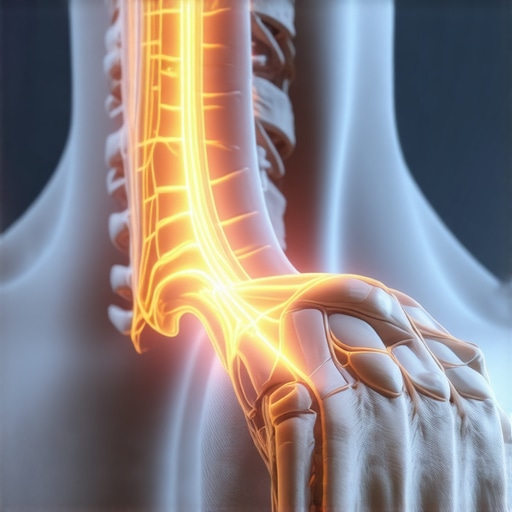
The Real Reason Your Hands Go Numb While You Sleep
It hit me one restless night—my hands tingled and went numb again, just as they always did when I was deep into my sleep. For a while, I brushed it off as normal or just a weird side effect of sleeping wrong. But this time, I couldn’t ignore the discomfort. It was like my body was waking me up in the middle of the night, telling me something was off. That lightbulb moment made me realize: this isn’t just a nuisance. It’s a sign, a signal from my nervous system that I couldn’t afford to ignore.
Understanding the Hidden Causes of Numbness in Your Hands During Sleep
As I dug deeper into the issue, I learned that numbness in the hands at night is often linked to something more than just a bad sleeping position. It can be a warning sign of underlying problems like nerve compression or poor spinal health. Surprisingly, many of us endure these symptoms without realizing they could be improved or even prevented with simple adjustments or chiropractic care.
This phenomenon usually involves pressure on nerves that run from your neck and upper back down to your arms and hands. When these nerves get pinched or irritated through misalignment or structural issues, numbness and tingling can occur. According to a study from the National Institute of Neurological Disorders and Stroke, nerve compression is a common cause of peripheral numbness, especially in sleep patterns.
Initially, I made the mistake of assuming it was just a pillow issue or a temporary thing. I changed my pillow countless times, bought special ergonomic cushions, and even tried sleeping on my side and back, switching positions every hour. But the numbness persisted. That was a clear sign I needed to look beyond just superficial fixes and understand what my spine and nervous system were telling me.
So, if you’re waking up with numb hands, you’re not alone, and more importantly, you’re not helpless. Understanding the root causes can open the door to effective solutions. Whether it’s chiropractic adjustments, posture correction, or targeted stretches, there are ways to restore feeling and regain your comfort.
Have you experienced this yourself? If so, keep reading because we’re about to explore practical steps you can take today to stop numbness from spoiling your nights—and your days.
Start with Posture Awareness
Begin by assessing how you sleep. I remember the first time I consciously adjusted my sleeping position—placing a pillow under my knees when on my back—and noticed immediate relief. Think of your spine as a chain; if one link is misaligned, it affects the entire chain. Ensure your head, neck, and shoulders are supported properly to reduce nerve compression. Use a cervical pillow that maintains the natural curve of your neck, similar to how a gentle arch supports a bridge, preventing undue stress. For personalized guidance, consider visiting this resource.
Implement Targeted Spinal Mobilizations
Mobilizing your spine can break up misalignments that pinch nerves. I experimented with gentle, controlled neck rotations and tilts in front of a mirror—this is akin to tuning a guitar string, fine adjustments make all the difference. Use exercises like the chin tuck to promote proper cervical curvature; perform it slowly, holding each position for 3 seconds. Incorporate thoracic rotations to increase mobility in your upper back—this part often gets stiff with prolonged sitting. Incorporate mobility techniques regularly to keep nerves free from blockages.
Adopt Gentle Stretching Routines
Stretching relaxes tight muscles that may contribute to nerve compression. I found that a simple doorway stretch—standing in a doorway with arms raised—opened up my chest and relieved shoulder tension, much like widening the road to clear traffic. Focus on stretches that target the neck, shoulders, and upper back, such as the upper trapezius stretch or neck side bends. Hold each stretch for 20-30 seconds and repeat 2-3 times daily. These routines are akin to resetting your body’s alignment, helping nerves glide smoothly. For detailed stretching guides, this guide offers expert insights.
Integrate Movement Breaks During the Day
Sitting for long stretches compresses spinal structures, so incorporate brief movement sessions—think of it as oiling a creaky hinge. Every 30 minutes, stand up, walk around, or perform gentle spinal twists to maintain fluidity in your joints. I set a timer to remind myself, which is similar to how some software remind you to save your work. These small actions prevent stiffness and reduce nerve irritation, making your nervous system less reactive at night. Check out mobility tips for effective strategies.
Seek Professional Chiropractic Care
When self-care doesn’t suffice, professional adjustments restore proper spinal alignment—think of it as realigning the wheels on your car for a smoother ride. A chiropractor evaluates your posture, identifies misalignments, and uses precise techniques to decompress nerves. I experienced noticeable improvement after my first session, much like tightening a loose screw—it stabilized my support system. Regular visits can prevent recurring symptoms and improve overall nervous system health. Learn more about how chiropractic can specifically target nerve compression issues from this expert article.
Many people assume that neck and back pain are simply about posture or minor adjustments, but the reality is far more complex. A common misconception is that chiropractic care alone can fix chronic issues without addressing underlying factors like movement patterns and tissue health. In my experience, over-reliance on quick fixes often leads to recurring pain because it neglects the body’s interconnected systems. For instance, focusing solely on spinal alignment ignores how soft tissue restrictions or compensatory movement habits contribute to ongoing dysfunction.
Another myth is that pain is always a sign of damage; in reality, pain can be a protective response or a signal that your nervous system needs recalibration. This misconception can cause people to either panic or dismiss serious warnings, risking further injury. Skilled practitioners understand that pain management involves understanding the nervous system’s role in both perception and healing.
Beware of the trap of ‘quick fix’ solutions—like excessive stretching or immobilization—that can exacerbate issues if not tailored correctly. For example, aggressive stretching without addressing stabilizing muscles or proprioception can destabilize your spine further. An advanced mistake many overlook is assuming mobility exercises are universally beneficial; some mobility restrictions are protective, and forcing movement can lead to instability or impingement. According to research in the Journal of Bodywork and Movement Therapies, improper mobilization can inadvertently increase nerve tension or tissue strain.
What about the nuanced relationship between spinal health and overall function? A subtle but critical factor is the alignment of your pelvis and lower limbs, which influence lumbar and cervical posture. Ignoring these links can lead to persistent dysfunction despite targeted treatments. Regular assessments of movement patterns and functional range—beyond static postures—are essential for long-term health.
So, the next time you seek relief, ask whether you’re addressing the root causes or just symptoms. Remember, real progress involves understanding the body’s hidden networks and avoiding shortcuts that ignore your unique biomechanics. Have you ever fallen into this trap? Let me know in the comments. For practical guidance on these nuanced issues, explore our detailed [chiropractic secrets](https://quackersspinal.com/chiropractic-secrets-to-boost-neck-comfort-and-function) and enhance your approach to mobility and pain management.Maintaining your spinal health over the long term requires more than just good habits; it involves utilizing specific tools and techniques designed to support your mobility and prevent pain. One of my personal go-to equipment is a high-quality foam roller. I prefer the dense, firm type because it offers enough pressure to release muscle tightness without being too aggressive. Regularly rolling out your upper back and hips helps break down fascia restrictions, which can contribute to nerve irritation and numbness at night. Incorporating foam rolling into your daily routine can significantly improve tissue health, making your adjustments more effective and lasting.
Another tool I swear by is a cervical traction device. These portable devices gently stretch your neck, decompressing spinal discs and alleviating nerve compression issues that lead to numbness or headaches. I use mine a few times a week, especially after long days at the computer, and find that it helps maintain the lordotic curve of my cervical spine. Unlike passive stretches or hanging exercises, a traction device provides controlled, consistent tension that can be tailored to your needs, supporting long-term spinal alignment.
But tools alone aren’t enough. Mobile apps that guide visualization and mindfulness exercises have become vital for me. For example, apps that provide guided breathing or posture-awareness reminders help reinforce habits that keep my spine healthy. These digital tools serve as an extension of my routine, prompting me to check in with my body and correct habits that could lead to dysfunction over time.
Looking ahead, I predict that the integration of biofeedback technology with wearable sensors will revolutionize how we manage and maintain spinal health. Future devices will offer real-time data on posture, muscle tension, and nerve activity, allowing for personalized adjustments before pain or numbness even begins.
How do I maintain long-term mobility and prevent future setbacks?
The key is consistency and using the right tools for your unique needs. Regularly incorporating foam rolling, cervical traction, and posture-monitoring apps helps create a comprehensive approach. Also, scheduling periodic check-ups with a knowledgeable chiropractor ensures that any misalignments or tissue restrictions are addressed before they develop into chronic issues. This proactive approach is far more effective than waiting until pain or numbness disrupts your life.
If you haven’t already, I highly recommend trying a targeted mobility drill like the thoracic opener with a foam roller or a gentle neck traction session. These simple yet effective strategies help maintain the health of your nervous system and keep you moving freely. To learn more about advanced management strategies, explore our detailed guide on [effective neck pain management](https://quackersspinal.com/effective-neck-pain-management-a-step-by-step-guide), which expands on these tools and techniques.Over the course of my journey with neck and back pain, I’ve uncovered more than just surface solutions; I’ve learned invaluable lessons that transformed how I approach spinal health and mobility. These insights are deeply personal and can help you avoid common pitfalls while guiding you toward sustainable well-being.
Lessons That Changed My Perspective on Spinal Care
- Perfection Isn’t Necessary—Progress Is: I used to chase after perfect posture, thinking any misalignment was a sign of failure. But I realized that consistent small adjustments and awareness matter far more than flawless form, making healing more achievable and less stressful.
- Listening to My Body Outweighs Generic Advice: What works for one person might not suit another. Personal experience, combined with professional guidance, created a unique map for my recovery—this personalized approach is vital.
- Long-Term Habits Trump Quick Fixes: Relying solely on temporary relief strategies was short-sighted. Incorporating daily routines like gentle stretches and posture checks built resilience and prevented recurring issues.
- Education Empowers Action: Learning about nerve compression, soft tissue health, and spinal mechanics empowered me to make informed decisions and advocate for my health—knowledge truly is power.
- Patience Is a Virtue in Healing: Injury recovery isn’t linear. Embracing patience allowed me to celebrate small wins, stay motivated, and avoid setbacks caused by rushed interventions.
Tools That Became My Secret Weapons
- Foam rollers: These helped me release fascia restrictions and improve tissue quality—simple yet profoundly effective.
- Cervical traction devices: Gentle stretching kept my neck discs decompressing, providing ongoing relief.
- Posture monitoring apps: Digital cues reminded me to sit correctly, preventing strain before it started.
- Consistent chiropractic care: Regular adjustments aligned my spine and reassured me that professional support accelerates healing.
A Final Word on Embracing Your Healing Journey
Remember, overcoming neck and back pain is more than a quick fix—it’s an ongoing process of learning, adjusting, and honoring your body’s unique needs. When you combine knowledge, proper tools, and patience, you unlock the door to lasting mobility and comfort. Your journey may have hurdles, but with dedication and the right guidance, a pain-free life is within reach.
What personal lessons have you discovered about spinal health? Share your experiences below—I’d love to hear your story and support your path to better mobility.