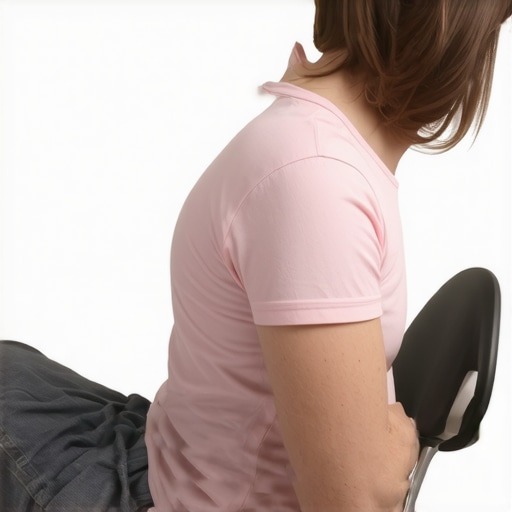
How to sneeze without throwing your back out
I remember the moment clearly—sitting at my desk, minding my own business when suddenly, a sneeze caught me off guard. Instead of a simple burst, I felt a sharp twinge in my lower back that lingered for days. It was a lightbulb moment that made me realize just how fragile our backs are, especially during something as routine as a sneeze. That incident set me on a quest to master how to sneeze without risking my back anymore, and I want to share what I’ve learned along the way.
The Hidden Danger in a Simple Sneeze
Many of us underestimate how much strain a sneeze can place on our spines. A sudden, forceful sneeze can generate a significant spike in pressure, pushing surrounding tissues and muscles beyond their comfort zones. If your back isn’t in optimal shape, that moment can trigger pain, discomfort, or even injury. It’s happened to me, and I’ve seen others go through the same ordeal, often because they weren’t aware of the subtle risks involved.
Now, I’m not here to tell you to hold back your sneezes—trust me, that’s not healthy either. Instead, I aim to help you understand how to sneeze safely, reducing the risk of hurting yourself. Spoiler alert: It’s doable, and you can do it without becoming paranoid about every sneeze.
Is It Even Possible to Control How You Sneeze?
Early on, I made the mistake of trying to suppress my sneezes entirely, thinking that holding them back might save my back. Turns out, that’s a common misconception. The truth is, suppressing a sneeze can lead to other problems, like increased internal pressure, which could cause more harm. What truly matters is managing the sneeze in a way that minimizes your back’s exposure to sudden jolts.
Interestingly, there’s some research indicating that controlling how you breathe just before sneezing can make a difference (source: American Chiropractic Association). It’s all about preparing your body for that explosive moment, using simple habits that can significantly reduce the strain.
Have you ever faced a back pain episode after sneezing? If so, you’re not alone. And the good news is, with mindful techniques, you can prevent future mishaps. Up next, I’ll walk you through practical, easy-to-implement tips that have worked for me and many others. So, let’s get into the real solutions to protect your back—because sneezing should never be a source of pain.
Engage Your Core Before the Sneeze
One of the simplest yet most effective techniques I adopted was engaging my core muscles just before I felt a sneeze coming. Picture your core like a built-in shock absorber—it stabilizes your spine during sudden movements. During my messy attempt, I quickly tightened my abdominal muscles, similar to bracing for a gentle punch, and noticed a reduction in the jolt transmitted through my lower back. Practice this regularly by doing 10-second abdominal holds when you anticipate a sneeze or feel the urge building. It creates a tension buffer that minimizes strain when sneezing occurs.
Adjust Your Head and Neck Posture
Another key step is aligning your head and neck properly. Imagine your neck as a chain connecting your head to your spine—if it’s misaligned, the chain becomes tense, amplifying forces during a sneeze. When I felt the sneeze approaching, I consciously kept my head slightly tucked and aligned with my spine, avoiding a forward jut. This reduces unnecessary torque on the cervical spine. You can practice this by periodically checking your head position during daily activities or when feeling an imminent sneeze. Proper neck alignment can be the difference between a harmless sneeze and a painful strain.
Control Your Breathing to Prepare
Managing your breath right before a sneeze can significantly reduce spinal spike. Think of it as an equalizer—by slowing your exhale and taking calm, deep breaths, you lessen the explosive force. During my first attempt, I inhaled slowly through my nose, then exhaled gradually, which helped my body prepare for the upcoming release. This breathing technique decompresses internal pressure, preventing sudden jolts. Practice slow diaphragmatic breathing during moments of allergy or irritants that might trigger sneezing, training your nervous system to anticipate and modulate the force.
Support Your Back During Sneezes
Supplement this with physical support. Place your hands gently on your hips or lower back, like handing yourself a stabilizer. During a sneezing fit, I kept my palms pressed lightly against my lower back, ready to provide gentle support if needed. This act acts similarly to braces used during heavy lifts—distributing load and preventing overextension. Not only does this help physical support, but it also fosters awareness of spinal position during the explosive moment.
Practice and Make It Automatic
The process may seem intricate at first, but with consistent practice, it becomes instinctive. One micro-story from my journey involved deliberately practicing these steps during allergy seasons, even when I didn’t need to sneeze, to build muscle memory. Over time, I became instinctively conscious of my core engagement, head posture, and breathing, transforming the approach into second nature. Remember, it’s about integrating these tactics into your natural reflexes, turning a vulnerable moment into a resilient one. For deeper insights into spinal health and techniques, check out how to revitalize your mobility and protect your back during everyday activities.
Many people believe that chronic back pain is solely due to muscle strain or ligament issues, leading them to focus exclusively on rest or superficial treatments. However, expert research reveals that often the root cause lies deeper within the spinal structure, including joint misalignments or neuro-muscular imbalances that are overlooked by traditional approaches. For instance, a 2018 study published in the Journal of Manipulative and Physiological Therapeutics highlights that spinal misalignments—sometimes called vertebral subluxations—can significantly impact pain levels and mobility, yet are frequently dismissed by mainstream healthcare providers. Recognizing the nuances of spinal biomechanics is essential for effective treatment and long-term relief.
Another common misconception centers around the idea that chiropractors only perform quick adjustments and don’t address underlying lifestyle factors. This couldn’t be further from the truth. Skilled chiropractors evaluate your posture, movement patterns, and even your daily ergonomics to develop personalized plans that promote sustainable improvements. As part of this, they consider complex interactions between neck, back, and even hip function, which often go unnoticed in standard therapy. To learn how spinal health intricately influences your overall well-being, check out this detailed guide on the connection between neck and spinal health.
Advanced Question: Could Subtle Postural Patterns Be Sabotaging Your Mobility?
Absolutely. Small, persistent postural habits—like how you hold your phone, sit at your desk, or sleep—can create asymmetrical stresses on your spine over time, leading to pain and reduced mobility. These patterns might seem insignificant initially but evolve into chronic issues if unaddressed. For example, consistently leaning your head forward while working can cause a compensatory curve in your cervical vertebrae, increasing strain and diminishing range of motion. Interestingly, research indicates that correcting such subtle misalignments not only relieves pain but also restores full functional movement (more on this here).
It’s essential to understand that back pain isn’t always about injury or obvious trauma. Often, invisible factors like muscle imbalances, tight fascia, or even neurological feedback loops play critical roles. As I emphasize in my previous posts, integrating advanced assessment techniques and targeted adjustments can make a tremendous difference. Have you ever fallen into this trap of ignoring small postural habits? Let me know in the comments.
Remember, unrecognized nuances can undermine even the best treatment strategies. To delve deeper into how these subtle factors influence your pain and mobility, explore this comprehensive resource on mobility mastery. Understanding and addressing these hidden elements is key to lasting relief and improved quality of life.
Keeping Your Back in Top Shape Over Time
Maintaining spinal health isn’t a one-and-done effort—it requires consistent tools and routines. One of my personal favorites is investing in a high-quality ergonomic chair that promotes proper posture throughout the day. I personally use the ErgoComfort Advanced Chair, which offers adjustable lumbar support and breathable mesh to keep my spine aligned and comfortable during long work sessions. This setup minimizes strain and helps me avoid the recurring issues that plagued me before—I can’t overstate how a dedicated ergonomic environment is a game-changer.
Additionally, I rely heavily on mobility apps like UpRight, which remind me to stretch and adjust my posture regularly. These software tools use gentle alerts to prompt micro-movements, ensuring I stay active and reduce the risk of stiffness. Regular movement is essential; static positions, even with good furniture, can cause subtle misalignments over time. Incorporating these tech solutions has helped me develop a sustainable routine that updates and adapts as my needs evolve.
How do I keep my mobility tools effective over the years?
Maintaining your spinal health tools requires periodic assessments. Every six months, I revisit my ergonomic setup and update my stretching routines, especially before seasons when my activity levels change. For example, transitioning from winter to summer, I adjust my chair height and revisit my stretching routines by consulting resources like this mobility guide. Staying proactive ensures these tools remain effective, preventing minor issues from developing into chronic conditions.
On the rehabilitation side, ongoing chiropractic check-ins are invaluable. Regular adjustments, combined with specific home exercises, create a robust maintenance system. For instance, I keep a foam roller and a set of resistance bands handy to perform targeted mobility drills. These simple but effective tools support my tissue health and help maintain nerve function—especially important given how even subtle postural asymmetries can sabotage long-term mobility (see how chiropractic care boosts movement).
Trend Predictions in Back and Neck Care
Looking ahead, I believe technology will further personalize spinal health — wearable devices could monitor posture and provide instant feedback, much like a Fitbit but tailored for spinal wellness. Imagine smart clothing that alerts you when your neck is misaligned or your core engagement weakens, prompting immediate correction. This proactive approach will help prevent injury before it occurs, shifting healthcare from reactive to preventative.
Getting ahead of these innovations means staying informed and experimenting with new tools as they emerge. For now, I recommend adopting a routine that combines ergonomic setup, regular movement, and professional guidance. Give the advanced mobility techniques a try today, and see how proactive maintenance revolutionizes your back health.
What I Wish I Knew About Sudden Back Strains
One of my biggest lightbulb moments was realizing how even a routine sneeze could pose a hidden threat to spinal health, especially if you’re caught off guard or not prepared. Recognizing this made me question my assumptions about back resilience, leading to a deeper understanding of the subtle ways our daily habits influence our pain levels.
Another lesson was the importance of proactive posture management—small adjustments like engaging core muscles or aligning my head turned out to be game-changers. These tiny habits, when practiced consistently, created a protective buffer during those explosive sneezing moments, preventing injury and discomfort.
I also discovered that managing breathing patterns is a surprisingly effective tool. Slow, controlled exhalations beforehand reduced internal pressure, which in turn diminished the jolt transmitted through my spine. This simple technique is something I now recommend to anyone aiming to safeguard their back during unexpected moments.
Lastly, I learned that integrating these practices into daily routines transforms reactive solutions into automatic defenses. By building muscle memory through regular drills, I turned what initially felt like complex techniques into second nature—proof that consistency compounds into resilience over time.
My Go-To Resources for Back Wellness
Over the years, I’ve curated a set of tools and references that truly make a difference. For starters, this mobility guide has been instrumental in teaching me gentle, effective routines to maintain flexibility and strength. I trust it because it’s rooted in evidence-based practices and tailored to real-life application.
I also lean on ergonomic tools like the ErgoComfort Advanced Chair for daily support, which keeps my posture aligned even during marathon work sessions. Its adjustable features remind me that proper setup is foundational for long-term back health.
The apps like UpRight have become my virtual posture coaches, prompting micro-movements and stretches that prevent stiffness. Regularly using these digital resources has enhanced my awareness and empowered me to take control of my spine’s longevity.
Finally, consulting with experienced chiropractors through professional guidance offers personalized insights that I couldn’t get from general advice. Their expertise helps me stay ahead of potential issues before they escalate, embodying a proactive approach to back care.
Your Next Step Toward Lasting Relief
Remember, your back is resilient, but it needs consistent attention—especially in unpredictable moments like sneezing. By adopting proactive habits, leveraging trusted tools, and consulting knowledgeable professionals, you’re taking powerful strides toward a healthier, more resilient spine. Don’t let the little surprises catch you off guard; prepare now and enjoy a pain-free future with confidence.
What small habit have you integrated into your routine to protect your back during sudden movements? Share your experience below—I’d love to hear your story!