Why Your Yoga Blocks Might Be Straining Your SI Joint
Ever woken up after a yoga session with a gnawing ache deep in your pelvis, feeling like you just pulled muscles you didn’t even know existed? I sure have. There was this one Saturday morning—deliberately pushing myself into a stretch I thought was advanced—only to find my SI joint protesting loudly the next day. It was an eye-opener. That lightbulb moment made me realize: my trusty yoga blocks, which I depended on to deepen poses and improve alignment, might actually be causing more harm than good when it comes to my sacroiliac joint.
The Hidden Culprit in Your Yoga Practice
Many practitioners, myself included at first, focus so much on flexibility and strength that we overlook what our tools—like yoga blocks—are doing beneath the surface. The SI joint, which connects your pelvis to your spine, is responsible for stability and shock absorption. When it’s strained or misaligned, the pain can be persistent and frustrating to treat. And here’s the kicker: improper use of support props during yoga might be contributing to this very problem, especially if your body isn’t aligning correctly during the exercise.
Could Your Favorite Support Tools Be Sabotaging Your Progress?
It’s easy to assume that more support equals better alignment. But if your yoga blocks are placed incorrectly or used without mindfulness, they can create compensations, putting undue stress on your SI joint. I made this mistake early on—thinking that elevating my hips or chest was helping my posture. Instead, I was reinforcing the very misalignments I aimed to correct. The result? Increased pain and even more difficulty moving freely afterward. Trust me, it took some guidance from a chiropractor to fix this issue. You can explore how chiropractic care can help restore alignment and improve mobility at this resource.
So, if you’ve been struggling with similar pains after yoga, it might be time to reexamine how you’re using your support props and whether they’re helping or harming your SI joint health. In the next sections, we’re going to look at practical steps to ensure your practice actually supports your body instead of risking more injury. Because a little awareness can go a long way toward pain-free movement and better mobility. If this resonates with you, keep reading. You’ll be surprised how simple adjustments can make a world of difference.
Adjust Your Support Props for Proper Alignment
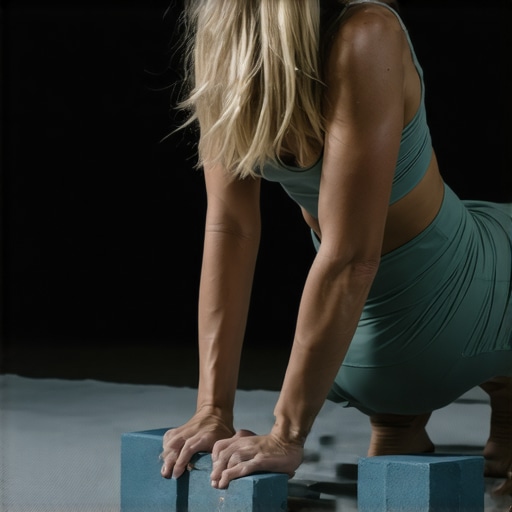
Start by evaluating how you place your yoga blocks. Instead of blindly stacking them for height, use a mirror or ask a partner to observe your posture. When I first began experimenting with my blocks, I realized I was elevating my hips too high, causing my pelvis to tilt and strain my SI joint. To correct this, I lowered the blocks slightly and actively engaged my core to maintain pelvic neutrality. This simple tweak prevented unnecessary stress on my pelvis and improved my form. Remember, support tools are meant to aid your alignment, not override it.
Place Blocks Strategically
When supporting your hips in poses like Bridge or Setu Bandhasana, place the blocks under your sacrum rather than directly under your lumbar spine. This ensures your pelvis remains in a neutral position, reducing compression or misalignment of the SI joint. If you’re unsure, practice in front of a mirror until you feel stable and your pelvis is level.
Mind Your Body’s Signals During Practice
Pay close attention to how your body responds to each pose. A burning sensation or deep ache in your pelvis is a red flag. During my own practice, I used to push through discomfort, thinking it was just muscle fatigue. But I learned to pause at the first signs of pain, and gently adjust my position. Incorporating brief checks for symptoms like tingling, numbness, or sharp pain helps prevent overloading the SI joint. Using this mindful approach, I gradually built strength and improved mobility without aggravating my injury.
Incorporate Gentle Mobilizations
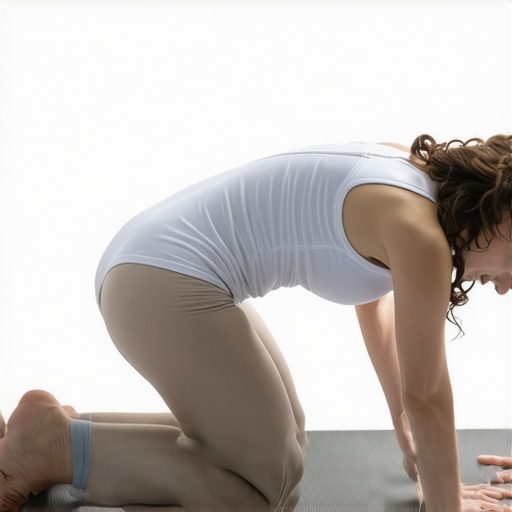
Including specific mobilizations can loosen tight pelvic muscles, easing pressure on the SI joint. For example, gentle pelvic tilts or cat-cow stretches mobilize your pelvis without overstressing it. I found that performing these movements daily, especially after my yoga sessions, improved my joint’s resilience. Consistency is key—perform these exercises slowly and within your comfort zone, avoiding any motion that causes pain.
Align Your Posture Outside of Yoga
Daily habits significantly affect end-range positioning and joint health. Sitting for long periods with poor lumbar support can tilt your pelvis forward, increasing strain. During my workday, I started adjusting my ergonomic setup—using lumbar rolls and sitting with feet flat—to maintain proper pelvic alignment. These small changes complemented my yoga adjustments and reduced overall pelvic discomfort. Remember, your body benefits from consistent, mindful posture habits that support your structure.
Seek Guidance from a Professional
If persistent pain remains despite adjustments, consulting a chiropractor can help identify underlying misalignments and provide tailored strategies. I experienced significant relief after a session where my chiropractor corrected subtle pelvic rotation; my yoga practice then became pain-free and more effective. Professionals can analyze your specific biomechanics and help you develop a targeted plan to protect your SI joint.
Applying these concrete steps—proper support placement, mindful monitoring, gentle mobilizations, ergonomic habits, and professional guidance—can drastically reduce strain on your sacroiliac joint. Rather than risking injury or increasing pain, these actions empower you to practice safely and progress steadily in your mobility journey.
 Many misconceptions cloud our understanding of back and neck pain, often leading to ineffective treatments and prolonged discomfort. One widespread myth is that resting completely is the best way to recover. While rest can be beneficial initially, prolonged inactivity weakens stabilizing muscles, making pain more persistent over time. Contrary to popular belief, staying active with targeted movements actually promotes healing by improving circulation and joint mobility, a fact supported by recent studies on spinal health. Another misconception is that chiropractors can only realign your spine temporarily. In reality, many patients experience long-lasting improvements through proper adjustments coupled with education on movement and posture. This aligns with insights from experts who emphasize the importance of addressing underlying neuromuscular imbalances rather than just treating symptoms. But beware of the trap of assuming all chiropractors use the same techniques; some practices lack the evidence-based approaches backed by clinical research. When choosing care, seek professionals who employ proven strategies, such as those described in [this resource](https://quackersspinal.com/restore-your-back-mobility-proven-chiropractic-strategies). Additionally, there’s a myth that stretching always helps reduce neck and back pain. While gentle stretches can be beneficial, aggressive or improper stretching might aggravate the injury, especially if muscles are overstretched before they’re prepared. The key is moderation and understanding your body’s signals, which can prevent complicating the problem. Advanced practitioners recognize that pain often results from complex interactions between muscles, joints, and neurological factors, making a one-size-fits-all approach ineffective. For instance, addressing mobility issues isn’t simply about stretching; it involves restoring optimal movement patterns through specific chiropractic techniques, as explained [here](https://quackersspinal.com/restore-your-range-how-chiropractic-care-enhances-movement). Knowing these nuances can make the difference between persistent pain and lasting relief. Remember, quick fixes are tempting but rarely sustainable. Be cautious of quick-online solutions claiming to cure everything instantly—they often overlook the deeper issues at play. To truly improve your condition, investing in informed care that considers the complex anatomy and physiology of your spine is essential. Want to dive deeper into effective strategies? Check out [this comprehensive guide](https://quackersspinal.com/relieve-neck-back-discomfort-using-these-expert-methods). Have you ever fallen into this trap? Let me know in the comments.
Investing in Your Mobility with Purpose-Built Tools
Maintaining optimal back and neck health over time requires a strategic approach to both daily habits and specialized equipment. One of my go-to tools is a high-quality foam roller, specifically the Rumble Roller. Its textured surface provides deep tissue massage, breaking up fascia restrictions that often contribute to chronic tightness, especially in the lumbar and cervical regions. I incorporate the Rumble Roller into my post-workout routine to alleviate muscle knots and improve circulation, which is crucial for long-term flexibility.
Additionally, I rely heavily on a professional-grade resistance band for gentle mobility exercises. Unlike generic rubber bands, these offer consistent tension and durability, allowing me to perform controlled activation drills that strengthen postural muscles without risk of overstretching damaged tissues. Regular use helps sustain gains achieved through chiropractic adjustments and enhances overall spine stability.
For neck pain management, I recommend an ergonomic cervical pillow, such as the Tempur-Pedic Nursing Pillow. Its contoured design supports proper cervical curvature during sleep, which I’ve found reduces morning stiffness and prevents long-term degeneration. Combined with mindful posture routines during the day, this tool acts as a passive yet effective safeguard against recurring discomfort.
Smart Tech and Software to Track and Improve Progress
Embracing technology can elevate your maintenance strategy. I use the Chiropractic Mobility App to monitor daily mobility scores and receive personalized exercise recommendations tailored to my evolving needs. Consistent tracking helps identify subtle declines before pain becomes noticeable, making it easier to intervene early and avoid more invasive treatments.
Moreover, wearable sensors like the DorsaVi Movement Sensors provide real-time feedback on posture and movement patterns. I wear mine during daily activities to ensure proper spinal alignment and prevent habitual misalignments that often lead to chronic issues. These insights promote conscious adjustments, embedding healthier habits into everyday life.
Predicting future trends, I believe that integrating AI-driven diagnostics and virtual chiropractic consultations will become standard. This technological evolution will empower us to receive personalized, data-backed care whenever needed, making long-term maintenance more accessible and effective.
How do I keep up with maintenance over the years?
Consistency is key. I dedicate a few minutes daily to mobility drills, such as thoracic rotations and neck releases, using tools like resistance bands and foam rollers. Scheduling periodic check-ins with a chiropractor ensures my spine remains properly aligned, especially after intense activities or minor injuries. Combining these habits with ergonomic adjustments—like setting up my workspace to promote good posture—creates a comprehensive, sustained approach to back and neck health.
For anyone serious about maintaining mobility and preventing setbacks, I recommend trying the advanced technique of using a foam roller to target specific trigger points, as described here. Regularly applying this method can dramatically reduce muscle tension and enhance recovery. Remember, investing in the right tools—be it equipment, apps, or ergonomic modifications—is an essential part of long-term success in spinal health.