Why your ankles need to move for your back to feel better
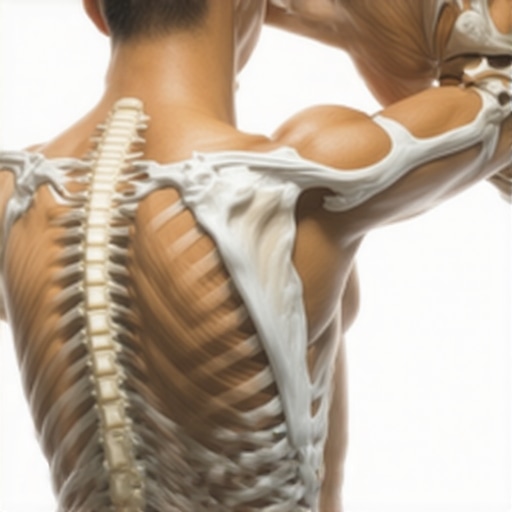
It was a morning like any other, but as I reached down to tie my shoelaces, a sharp twinge shot through my lower back. I had been dealing with persistent discomfort for weeks, trying everything from stretching to foam rolling, yet nothing seemed to truly help. Then, in a rare moment of clarity, I realized that my ankles and mobility might be playing a bigger role than I had ever considered. That lightbulb moment changed everything — and I want to share that insight with you.
The Hidden Connection Between Ankles and Back Health
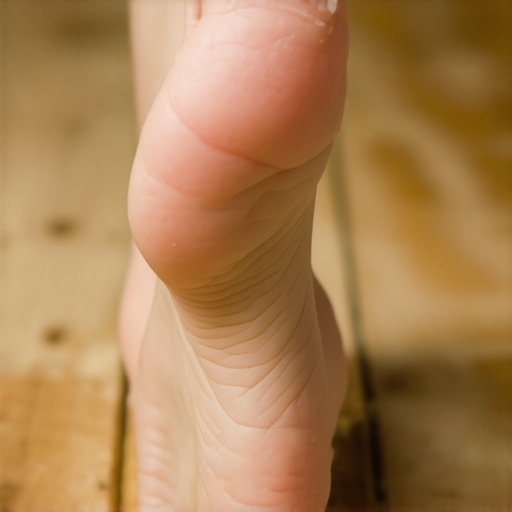
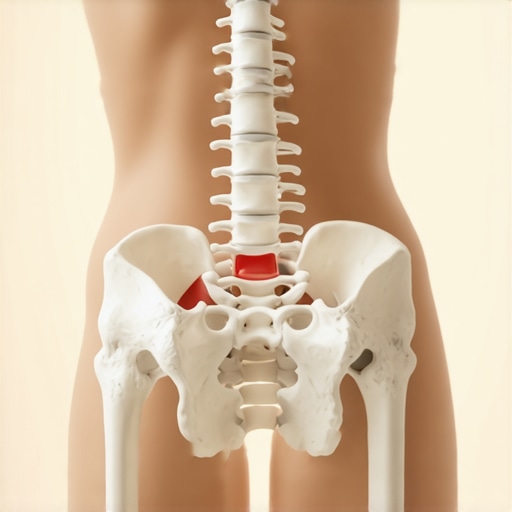
Most of us think about our back in isolation, focusing on positions, stretches, or maybe chiropractic adjustments. But here’s the truth that caught me off guard: your ankles are basically the foundation of your entire movement system. When your ankles aren’t moving properly, it can throw off your gait, your posture, and ultimately, stress your lower back.
Imagine trying to walk on uneven ground or with a stiff ankle—your body compensates in ways that can strain muscles and ligaments higher up, especially in your back. So, neglecting ankle mobility might be silently sabotaging your efforts to alleviate back pain. Interestingly, a study published in the Journal of Orthopaedic & Sports Physical Therapy found that improving ankle dorsiflexion can significantly reduce lower back discomfort. Just think: tiny movements in your ankles might be the missing piece of your pain puzzle.
Are You Missing Out on Key Mobility Work?
Early in my journey, I made a classic mistake: I focused solely on my back, doing endless stretches and visits to the chiropractor, without giving a second thought to my ankles. I thought mobility was about areas directly hurting me. Big mistake. Once I started including ankle exercises and movement drills, my back improved faster than I ever expected. If you’re tired of spinning your wheels, it might be time to give your ankles a closer look.
If this sounds familiar, don’t worry—you’re not alone. Many folks overlook their ankles and underestimate how much they influence your back’s health. Ready to learn how to give your ankles the movement they crave and finally ease that stubborn back pain? Let’s dive into some simple, effective strategies that I personally found game-changing.
This is just the beginning. Next, we’ll explore specific techniques that will help restore ankle mobility and, in turn, reduce your back discomfort. Want to see how small movements can lead to big relief? Keep reading.
Assessing Your Ankles Before Moving Forward
Begin by checking your ankle flexibility. Sit on a chair, point one foot forward, and try to touch your toes with your knee straight. If you feel tightness or can’t reach, your ankle dorsiflexion may be limited. Use a mirror or record yourself walking to observe any abnormal gait patterns, like your heels lifting early or your toes dragging. Addressing these issues is crucial because restricted ankle movement forces your hips and back to compensate, leading to discomfort. For a comprehensive approach, explore our guide on proven strategies for back pain relief that emphasize mobility drills.
Implementing Effective Ankle Mobilization Techniques
Stretch Your Calf Muscles Daily
Stand facing a wall, place your hands on it, and step one foot back, keeping it flat. Bend the opposite knee, lean forward, and feel the stretch in your calf. Hold for 30 seconds and switch sides. This improves dorsiflexion and reduces compensatory movements in your back. I recall a session where I added this stretch into my morning routine; within a week, my discomfort lessened noticeably.
Use a Towel or Band for Ankle Pulls
Sit on the ground, loop a towel or resistance band around your forefoot, and gently pull toward you, keeping your heel on the ground. This mobilizes the ankle joint directly. Do 2 sets of 10 pulls on each side daily. Previously, I struggled with stiffness in the mornings, but consistent work with this method gradually increased my ankle flexibility.
Incorporate Functional Movement Drills
Practice heel-to-toe walking in a straight line to train proper gait mechanics. This drill forces your ankles to dorsiflex and plantarflex effectively, training them in a dynamic setting. Once I started this, I noticed my stride becoming more natural, alleviating some of the uneven stresses on my lower back. For additional insights, check out tips on sitting and mobility.
Progressively Load and Challenge Your Ankle Mobility
After initial stretches and drills, add balance exercises like standing on one leg while maintaining proper posture. Use a chair or wall for support if needed at first. Incorporate movements like ankle circles or using a wobble board to enhance proprioception. I vividly remember wobble board sessions that made my ankles feel more stable, which translated into less strain during daily activities. Improving ankle strength and mobility creates a sturdy foundation that supports your entire spine, significantly reducing back discomfort.
Stay Consistent and Monitor Your Progress
Document your mobility improvements weekly. Take videos or notes on how your ankles feel during daily activities, especially when walking or bending. Track changes in your back pain intensity to see the correlation. It’s normal for progress to be gradual; persistence is key. Remember, even minor improvements in ankle flexibility can lead to major relief over time. If persistent issues arise, consider consulting a professional who can tailor advanced mobility protocols, as explored in chiropractic strategies for back mobility. Through consistent effort, these small steps empower you to regain movement and reduce pain, making your daily life more comfortable and resilient.Many assume that chiropractic care is a quick fix, often focusing solely on the symptoms rather than addressing underlying causes. This misconception can lead to unnecessary treatments and frustration. In reality, effective back pain management requires understanding the nuances of spinal health and the body’s interconnected systems. For example, some believe that chiropractic adjustments should be aggressive or involve cracking every joint, but recent research indicates that gentle, precise mobilizations often yield better long-term results—highlighted in studies like the one published in the Journal of Manipulative and Physiological Therapeutics. Another common myth is that only severe pain warrants professional intervention, yet early-stage issues frequently go unnoticed, culminating in chronic problems if not addressed promptly. It’s crucial to recognize that mobility deficits, postural imbalances, and even ankle stiffness can influence spinal health significantly, and ignoring these factors is a frequent mistake among both patients and practitioners.
Furthermore, some practitioners focus exclusively on spinal adjustments without incorporating functional movement and mobility exercises, which are vital for sustainable recovery. This oversight represents a missed opportunity to empower patients with self-management strategies. For instance, integrating targeted mobility drills can prevent relapse and improve overall quality of life. Also, beware of the trap of relying too heavily on passive therapies like massage or heat, which may offer short-term relief but don’t address root dysfunctions. Instead, combining chiropractic care with active self-care routines yields more durable results. To dive deeper into reliable strategies, explore our proven mobility approaches for back pain relief.
Addressing these misconceptions and common pitfalls is essential for anyone serious about overcoming back or neck pain and achieving lasting mobility. Recognizing that true healing involves a comprehensive approach—encompassing spinal health, mobility, and lifestyle—can transform your recovery journey. Have you ever fallen into this trap? Let me know in the comments and share your experiences or questions. Remember, understanding the nuances of chiropractic care can make all the difference in your path to wellness.
Maintaining long-term back and neck health requires more than just occasional stretches or adjustments; it demands the right tools and consistent routines. Over the years, I’ve relied on specific equipment and methods that have proven effective in my practice and personal recovery journeys. Let’s explore some of these indispensable tools that help keep your mobility optimal and pain-free.
The Foam Roller: Your Post-Adjustment Companion
Personally, I use a high-density foam roller daily. It helps release myofascial tension in muscles surrounding the spine, which often tightens up after an adjustment. What’s crucial is selecting a roller with a firm surface and appropriate diameter—I’ve found 36 inches to be ideal for my height and treatment sessions. Regular use encourages muscular balance and prevents re-tightening, making adjustments more enduring. For a deeper dive into self-myofascial release, check out our guide on mobility techniques.
Adjustable Lumbar Supports for Daily Posture
I’ve incorporated an ergonomic lumbar support pillow into my daily work setup. It’s adjustable, allowing me to maintain proper lordosis during long hours at the desk. This small investment prevents the habitual slouching that can undo chiropractic work and cause recurring pain. I recommend choosing a support that molds to your lumbar curve and is portable enough to be used during travel or at different workstations. Proper support is a game-changer for sustaining spinal health between visits.
Smart Devices: Monitoring Movement and Posture
One of the game-changing advancements I’ve adopted is a posture-crompting wearable device. It vibrates gently when it detects slouching or poor alignment. This reminder prompts me to correct my posture proactively, reducing strain on my neck and back. As technology evolves, expect more sophisticated options that integrate with smartphone apps, offering real-time feedback and customized exercises. This technology is shaping the future of long-term health management, making it easier to stay vigilant without constant conscious effort.
Visualization and Tracking Software
To stay motivated and track progress, I use simple journaling apps to record mobility milestones and pain levels. Visual graphs of your improvements can reinforce positive habits and highlight patterns. For example, I noticed that after incorporating ankle mobility exercises, my overall posture improved, leading to sustained relief. Regular monitoring ensures you’re making consistent progress and allows for adjustments in your routine.
Incorporating these tools consistently is vital. I advise setting weekly reminders to check and use each device or method. Predictably, your mindset shifts from reactive to proactive care, and you’ll likely see long-term benefits that extend beyond immediate relief.
How do I maintain mobility and pain relief over time?
Developing a daily routine incorporating these tools ensures ongoing health. For example, dedicating 10 minutes each morning to foam rolling or posture exercises creates a protective barrier against pain recurrence. Remember, the key is consistency and awareness of your body’s signals. If you’re unsure how to tailor these tools effectively, consider consulting a professional—many chiropractors, including myself, offer personalized advice tailored to your specific needs. To explore comprehensive strategies, you might find our mobility recovery guide helpful.
Embrace these tools as part of your daily health arsenal. By doing so, you empower yourself to maintain mobility, reduce discomfort, and enjoy a more active, pain-free life. Ready to take the next step? Start with a simple mobility drill using your foam roller today, and observe the difference it makes in your posture and comfort.
Lessons the Body Taught Me About Mobility and Healing
One of the most profound insights I gained was realizing how neglecting ankle health can silently sabotage spinal recovery, a lesson that transformed my approach. I also learned that patience and consistency in mobility exercises outweigh quick fixes, emphasizing that sustainable healing is a journey, not a sprint. Lastly, I understand that personalized movement routines are more effective than generic advice—your body is unique, and so should be your care plan.
Tools That Became My Go-To for Mobility Mastery
The foam roller, for example, remains a cornerstone in releasing muscle tension and supporting my spinal health, thanks to its versatility and affordability. The wobble board introduced me to dynamic balance work, improving proprioception that crucially stabilizes my lower back. I trust the literature and professional guidance behind proven strategies for back pain relief, which offer science-backed exercises tailored for long-term mobility. Additionally, wearable posture devices provide real-time feedback, making me more aware and accountable in maintaining proper alignment throughout the day.
Your Path to Lasting Mobility Starts Now
Remember, your journey to back and neck health is unique, and small, consistent steps can lead to significant, lasting change. Embrace the process, trust in proven techniques, and celebrate every improvement. Your body is your most valuable asset—by nurturing it with mindful movement and the right tools, you’re paving the way for a future free from unnecessary pain. Ready to unlock new levels of mobility? Start today, and don’t hesitate to reach out for personalized guidance on your wellness journey.
Which ankle mobility exercise will you try first to support your back recovery? Share your experience below—I’d love to hear how it goes!
,