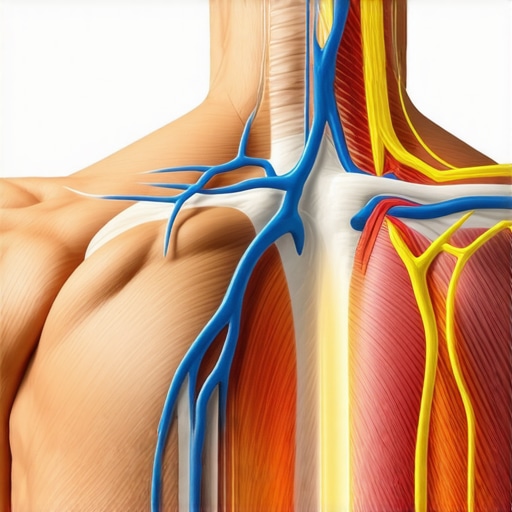
Why We Check Your Knee Alignment for Back Issues
I’ll never forget the moment it hit me—after months of battling stubborn lower back pain, I finally realized I had been overlooking a crucial piece of the puzzle: my knee alignment. It was a lightbulb moment that transformed how I approach back issues, and honestly, it might do the same for you.
Why Checking Your Knee Alignment Could Be the Key to Relief
Like many, I assumed that back pain was directly linked to my spine or posture. That was my mistake. Early on, I ignored the fact that my knees and hips play a significant role in maintaining proper spinal alignment. When I started to focus on knee position, everything changed. I learned that misaligned knees can throw your pelvis out of sync, leading to compensations up the spinal chain and, ultimately, back discomfort. This isn’t just anecdotal; scientific studies support this interconnectedness. For instance, research indicates that knee malalignment can alter gait and load distribution, affecting the entire musculoskeletal system (source).
Feeling Skeptical About Knee Checks and Back Pain? You’re Not Alone
I used to dismiss the idea that something as seemingly unrelated as my knees could cause my back trouble. I made the mistake early in my career of assuming local treatment was enough, neglecting how the body’s parts are truly interconnected. It’s a common slip, but recognizing the link changed everything for me—and for my patients.
If you’ve been frustrated because conventional treatments aren’t providing lasting relief, it might be time to consider your knee alignment. In this post, I’ll guide you through how checking and adjusting this often-overlooked area can pave the way toward pain-free days and restored mobility. Ready to explore this connection? Let’s dive in!
Assess Your Knee Position Actively
Begin by standing upright in front of a full-length mirror. Look for signs of inward or outward angling of your knees—knock-knees or bowlegs. To get a clearer picture, place your feet shoulder-width apart, then gently bend your knees and observe their alignment during movement. During my own trial, I noticed my knees tended to drift inward when I walked, which caused pelvic tilts—a root of my persistent back discomfort. Recognizing this was the first step toward correction.
Use a Simple Test to Confirm Misalignment
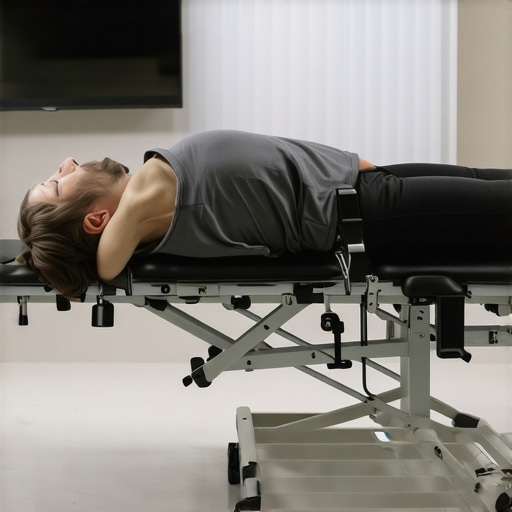
Lie down on your back with legs extended. Cross one ankle over the opposite knee, forming a figure-four. Gently press down on the crossed knee while feeling for tightness around the hip and knee joints. If the knee lifts significantly or the hip muscles tighten unevenly, you might be compensating for misaligned knees. This test helped me identify asymmetries I hadn’t noticed before, prompting further action.
Implement Targeted Mobility Exercises
Focus on restoring proper knee and hip mobility. For example, perform controlled leg swings, gradually increasing range of motion. I added these to my routine daily, gradually revealing a more balanced gait and reducing unnecessary spinal strain. Incorporate foam rolling for your thigh and calf muscles to release tension, which can otherwise pull your knees out of alignment. Visit this resource for comprehensive mobility strategies that can complement your efforts.
Practice Corrective Strengthening
Strengthen muscles that support knee alignment, particularly the quadriceps, hamstrings, and hip abductors. Side-lying leg lifts, bridges, and split squats are effective. When I first incorporated these, I struggled with proper form, but consistency improved my muscle balance, which in turn corrected knee tracking. This reduction in misalignment alleviated strain on my pelvis and decreased back pain.
Adjust Footwear and Daily Habits
Wearing supportive shoes that maintain proper arch support prevents knee collapse. Swap worn-out shoes for ones with good cushioning and arch support—this helps keep your knees aligned during daily activities. I also became mindful of how and when I sat, guarding against positions that promote knee inward collapse, such as crossing legs or sitting with feet too far apart. Small adjustments here reinforce the changes from mobility and strength work.
Evaluate Progress and Seek Professional Guidance
Periodically re-assess your knee alignment, either through mirror checks or simple tests. If misalignment persists or causes discomfort, consider consulting a chiropractor specializing in biomechanical corrections. They can perform detailed assessments and personalized adjustments, which I found invaluable. For further insights into techniques that enhance mobility and correct alignment, check this guide.
Incorporate These Steps Into Your Routine
Consistency is key. Dedicating a few minutes daily to mobility, strengthening, and mindful habits will gradually retrain your knees and pelvis, reducing compensations that cause back pain. When I integrated these steps, I experienced significant improvements within weeks—less pain, better movement, and restored confidence in my body’s alignment.
 Many people believe that if they experience persistent neck or back pain, they simply need rest or stronger medications. However, this oversimplification overlooks crucial nuances that can hinder proper recovery. One widespread misconception is that pain always originates from the affected area itself—that a sore neck means only the cervical spine requires treatment. In reality, evidence suggests that dysfunctions often stem from interconnected systems, such as the nervous system or even foot and ankle mechanics, which can dramatically influence spinal health (source). Additionally, many assume that chiropractic adjustments offer a quick fix for pain, but without addressing underlying movement pattern faults or mobility limitations, relief may only be temporary. Misguided reliance on passive treatments can lead to dependency, delaying true recovery. An advanced mistake is neglecting the importance of dynamic stability and muscle coordination; focusing solely on stretching or strengthening isolated muscles neglects the deeper neuromuscular control that sustains healthy movement. Experts in biomechanics emphasize the importance of addressing these nuanced factors to prevent recurring issues (source). For the sophisticated reader, a critical question is: How does joint proprioception influence pain perception and function? Studies indicate that impaired sensory feedback from joints can exacerbate pain and diminish mobility, highlighting the need for neuromuscular re-education alongside traditional treatments (more info). Ultimately, understanding these overlooked intricacies can revolutionize your approach—from passive symptom management to active, movement-based recovery. Remember, holistic assessment that includes mobility, stability, and neuromuscular control is key for lasting results. Are you making any of these common mistakes? Let me know in the comments and stay tuned for detailed strategies to escape these pitfalls.
Keeping It Working: Tools I Trust for Long-Term Mobility and Pain Relief
Achieving and maintaining pain-free movement requires more than just exercises; it involves utilizing precise tools and methods that support your body’s healing and stability journey. Over the years, I’ve curated a set of effective equipment and techniques that have proven invaluable in my practice and personal routine. Partnering with evidence-based strategies accelerates results and ensures sustainable progress, especially when dealing with complex issues like chronic back or neck pain.
One critical tool I recommend is a high-quality foam roller. Specifically, I favor the trigger point foam roller because it allows me to target deep muscle adhesions around the hips and spine, which are often hidden culprits behind pain and stiffness (source). Regular use of this roller helps release tension, improve circulation, and enhance mobility, laying a solid foundation for more advanced therapies.
Complementing foam rolling, I incorporate resistance bands into my routine. Bands are versatile and portable, making them perfect for strengthening stabilizer muscles that support spinal health. For instance, lateral band walks and pull-aparts help activate hip abductors and scapular stabilizers—key players in maintaining alignment and preventing pain recurrence.
Advanced mobility and stability demand precise assessment, which is where devices like a goniometer come into play. Measuring joint angles with this tool helps track progress and tailor exercises effectively. It’s especially useful for small, incremental gains—an approach that builds resilience over time.
For a long-term, scalable approach, I strongly suggest integrating a smart movement analysis platform. Software that captures motion data via your smartphone or wearable sensors can offer real-time feedback, identify subtle compensations, and guide corrections. As technology progresses, I predict a surge in AI-driven solutions that personalize routines further, ensuring you stay on track even without in-person visits.
How do I maintain mobility and strength over time? The key lies in consistency and precise monitoring. Regularly reviewing your progress with tools like goniometers and investing in quality equipment ensures sustainable gains. Pairing these tools with expert-guided programs, such as those found here, can elevate your routine from good to exceptional.
Get Ahead with Proven Strategies
Don’t wait for pain to take hold; proactively use tools like foam rollers and resistance bands to maintain your spinal health. Incorporate measurement devices for consistent progress checks, and explore emerging tech to stay motivated. For a practical start, try integrating a foam rolling session with targeted stretches—this simple step can dramatically improve your mobility and pain resilience. Remember, making these tools part of your daily routine is the most effective way to keep everything working smoothly.
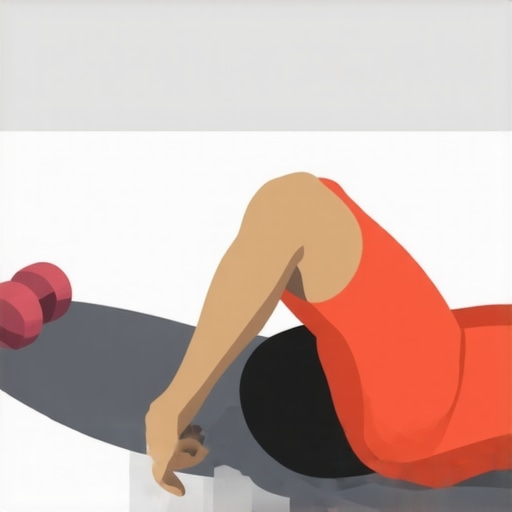
Visualize proper foam rolling technique for back relief with this illustration of body positioning and device usage. Alt: Foam rolling technique for back pain relief, Title: Effective foam rolling for mobility
Throughout my work and personal experience, I’ve realized that the most profound lessons often come from unexpected revelations. One of the hardest lessons I learned about back and neck pain is that persistent discomfort isn’t always about the area where it manifests—sometimes, the root cause lurks elsewhere, like in your feet or even your breathing patterns. I used to dismiss the significance of small misalignments or neuromuscular feedback, but understanding their impact transformed my approach and outcomes. It became clear that true mobility and pain relief require a comprehensive look at how all systems connect—it’s a lesson I wish I had embraced earlier. This insight pushed me to dig deeper, explore innovative assessment techniques, and adopt a holistic perspective that now guides my practice and recommendations.