The Truth About Neck Cracking and Stroke Risks
It happened during a hectic morning, I turned my head quickly to grab my phone and felt a sharp, almost alarming click in my neck. For a moment, I wondered if I’d just made a huge mistake. That tiny, involuntary crack seemed harmless at first. But as days passed, I couldn’t shake the uneasy feeling—was this normal? Could that simple neck click actually be dangerous?
Why I Started Paying Close Attention to Neck Cracking and Its Hidden Risks
Like many, I used to think that cracking my neck was just a harmless habit—like cracking knuckles. It provided instant relief or at least a sense of satisfaction. However, my curiosity took a serious turn when I learned that frequent or forceful neck cracking might be linked to serious health issues, even strokes. This revelation was a lightbulb moment for me—and I bet it will be for you too.
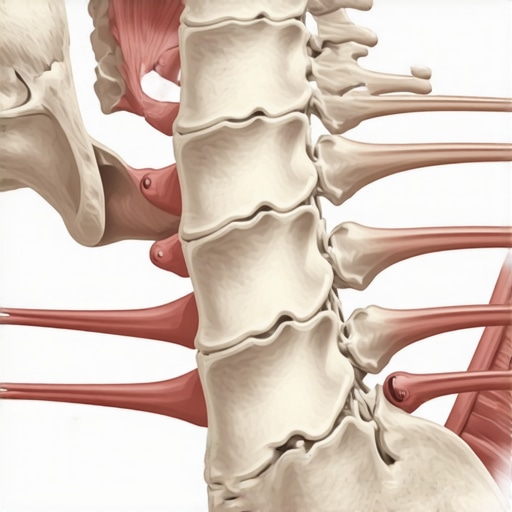
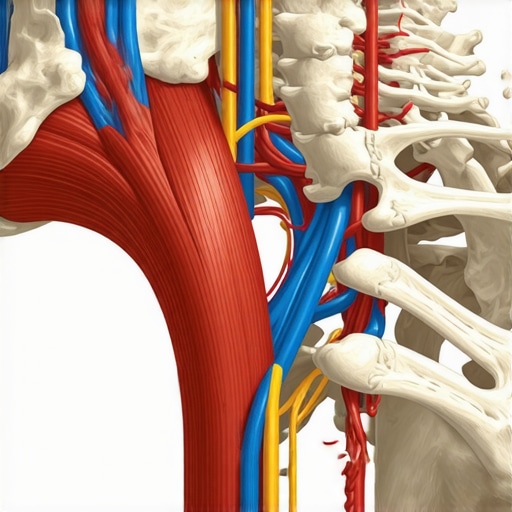
Research shows that certain neck movements, especially those involving vigorous cracking, can potentially lead to arterial injuries in the neck. According to a study published in the *Journal of Head & Neck Pain*, there’s a very small but significant risk of stroke associated with neck manipulations that involve high-velocity movements. It’s startling to realize that a habit I considered benign could carry such a danger.
So, what does this mean for us? Well, I want to share the truth I discovered about neck cracking and how you can protect yourself, especially if you’ve ever felt that irresistible urge to crack your neck during a stressful day. I won’t stop you from cracking it here and there—but understanding the potential risks can help you decide when to seek professional help or try safer alternatives.
If you’ve noticed frequent neck clicks or if those cracks are accompanied by dizziness, headaches, or vision changes, chances are it’s time for a better approach. To prevent potential risks, it’s smart to learn the right techniques and see a skilled chiropractor who can help restore your neck’s health safely. Interested in effective strategies? I’ve got you covered.
Is neck cracking truly worth the hype?
Early on, I made the mistake of dismissing the small risks. I thought, “It’s just a quick crack.” But after reading that even a minor injury could lead to serious consequences, I realized how important it is to be cautious. Trust me, ignorance isn’t bliss—especially when it comes to your health.
Want to know simple, effective ways to relieve neck tension without risking a stroke? Keep reading, because I’ll guide you through expert-approved methods to keep your mobility intact and your health safeguarded.
Begin with Gentle Neck Movements
Start by slowly rolling your neck in a circular motion, similar to how a bird pecks at its food, to loosen tight muscles without forcing any movements. I once tried this during a lunch break when my neck felt stiff, and although messy at first, I found that gentle circles eased the tension significantly, giving me a better range of motion.
Focus on Controlled Breathing
Deep, diaphragmatic breathing helps relax your neck and shoulders, reducing stiffness. During a session, I paused between stretches to inhale deeply through my nose, filling my belly like a balloon, then exhaled slowly. This synchronized breathing calmed my nervous system and improved my mobility overall, making subsequent stretches more effective.
Utilize Heat Therapy Responsibly
Applying a warm towel or heating pad to your neck can increase blood flow and loosen tight tissues. Remember, moderation is key—don’t overheat and risk burns. I experimented with a heated gel pack for 15 minutes, and the gentle warmth made my neck feel less resistant, especially after long hours at my desk. This simple step is a vital part of the process.
Incorporate Specific Mobilization Techniques
Use targeted movements like chin tucks and lateral stretches, which resemble opening a window to your neck’s flexibility. For instance, during a quick break, I gently tucked my chin toward my chest and held for a few seconds, then moved my head side to side. Regular practice improved my posture and eased pain, echoing techniques discussed in expert methods.
Adopt Spinal Alignment Exercises
Exercises like the ‘Wall Angel’ help correct posture and improve spinal alignment. To do this, stand with your back flat against a wall, raise your arms to form a goalpost, and slowly slide them up and down. My first attempt was awkward, but over time, I noticed my neck and upper back moved more freely, reducing discomfort and enhancing mobility, as recommended by top chiropractors.
Integrate Habitual Posture Adjustments
Be mindful of your everyday positions: avoid slouching or craning your neck forward. I started setting reminders to sit upright and take mini breaks to stretch. Small, consistent adjustments like these build a healthier neck environment, preventing stiffness from settling in again. Learn more at wellness tips.
Seek Professional Guidance When Needed
If persistent pain or limited motion occurs, consult a chiropractor for personalized evaluations. During my visit, gentle adjustments and specific exercises tailored to my needs significantly improved my situation, illustrating the importance of professional intervention. Regular check-ins ensure your technique remains safe and effective, especially if you’ve experienced injury.
Remember, improving neck mobility is a gradual process. By incorporating these actionable steps—gentle movements, controlled breathing, heat therapy, targeted exercises, posture habits, and professional support—you can enhance your neck’s health while minimizing risks associated with forceful cracking. Consistency and awareness are your best tools for long-term relief and vitality.
Many people believe that neck pain is simply a matter of stiff muscles or occasional strain, but in reality, there’s a lot more complexity involved. A common misconception is that all neck discomfort can be resolved with quick fixes like cracking or stretching, yet these can sometimes mask underlying issues that require professional attention. For instance, relying solely on self-manipulation might inadvertently lead to ligament strain or joint instability, especially if done forcefully or improperly. Studies highlight that high-velocity neck manipulations, often marketed by chiropractors as instant relief, can carry risks such as arterial injury, a risk that many overlook. It’s crucial to differentiate between safe mobilization techniques and those that could do more harm than good. Additionally, many assume that visiting a chiropractor is only necessary when pain becomes severe, but early intervention can prevent chronic issues and improve long-term mobility.
Furthermore, there’s a widespread myth that mobility exercises should be aggressive to be effective. In reality, gentle, controlled movements often yield better results, especially for those with a history of injury or limited range of motion. Overdoing it can exacerbate existing damage or cause new inflammation. As I learned from experts, understanding the subtle cues from your body and respecting your limits is essential—rushing into intense routines can set you back.
Advanced practitioners know that neck pain can sometimes signal deeper structural problems, such as spinal misalignments or disc issues, which are not always relieved by superficial stretches or cracking. Ignoring these signs may worsen the condition. Therefore, seeking professional assessments, like those offered by skilled chiropractors, can be vital to identifying the root causes and crafting personalized treatment plans. For example, professional guidance often involves specific adjustments and targeted exercises outlined in resources like this comprehensive guide to safe neck mobility.
Beware of common traps—such as attempting to self-manage persistent pain with home remedies or dismissing your symptoms as trivial. These approaches can delay proper diagnosis and lead to more severe complications. Remember, the goal is not just temporary relief but restoring full, sustainable mobility. For those navigating complex cases or chronic discomfort, collaborating with an expert can make all the difference. Want to explore more advanced strategies? Check out these expert tips for long-lasting results.
Making informed decisions about neck health requires understanding the nuances that most overlook. Trusting superficial solutions without understanding the underlying mechanics might seem convenient, but it’s a gamble. If you’re unsure about your symptoms or the safety of your routine, consulting a professional is always the better path. Have you ever fallen into this trap? Let me know in the comments.Maintaining optimal neck mobility isn’t a one-time effort; it requires a combination of the right tools, consistent routines, and mindful habits. Over the years, I’ve discovered that investing in specific equipment and mastering targeted techniques can significantly extend the benefits of chiropractic care and support long-term wellness.
Elevate Your Routine with Quality Mobility Equipment
The foundation of sustained neck health begins with precision tools. Among my favorites is a high-density foam roller, which I use daily to release tension along my upper back and shoulders. Unlike standard rollers, a denser foam provides targeted pressure to stubborn knots that contribute to neck stiffness. I roll gently around my shoulder blades and upper traps for about two minutes before stretching, facilitating increased blood flow and muscle relaxation. Additionally, a cervical traction device — a simple yet effective apparatus that gently stretches the neck — has become my go-to for decompressing spinal discs and alleviating persistent tension. When used correctly, as demonstrated in these expert methods, it supports spine health without risking injury.
Harness Apps and Software for Consistent Care
Technology isn’t just for entertainment; it’s a powerful ally in maintaining mobility. I rely on specialized apps that guide me through daily neck mobility exercises and remind me to take regular breaks during work. Apps like Welltory help monitor my stress levels and show how tension affects my posture over time, prompting me to focus on relaxation techniques. Regular feedback from these tools ensures I stay on track, preventing minor issues from escalating. As I advance, I plan to explore biofeedback devices that track muscle tension in real-time, offering personalized insights to fine-tune my routines further.
Investing in Skilled Professional Guidance
While equipment and apps are vital, nothing replaces the value of expert assessment. Periodic visits to a proficient chiropractor ensure that subtle misalignments or structural issues are addressed early. For example, treatments outlined in these chiropractic secrets can restore vitality and prevent chronic stiffness. I also incorporate soft tissue therapies like myofascial release—a technique I’ve learned through my practitioner—to sustain flexibility between visits. Remember, these sessions are investments in your mobility long-term, especially if you’ve already experienced setbacks.
Planning for Longevity and Growth
The future of neck mobility likely involves smarter, personalized tools that adapt to individual needs. Emerging devices incorporate AI to analyze movement patterns, offering tailored exercise routines that evolve with your progress. I predict a shift towards more accessible, user-friendly tech that combines real-time data with professional support. This integration will empower more people to proactively manage their neck health, reducing reliance on reactive treatments. For now, integrating a cervical traction device into your daily routine and pairing it with mindful technology use is a powerhouse combo.
How do I maintain mobility over time?
The key is consistency paired with calibrated adjustments. Regularly revisiting your equipment setup, adjusting the intensity of exercises, and seeking periodic professional evaluations will keep your neck functioning optimally. I challenge you to try my favorite advanced tip: incorporate daily cervical traction sessions, even for just five minutes, following expert guidelines. This simple addition can make a measurable difference in your mobility and comfort, ensuring your neck stays resilient against the wear and tear of everyday life. For additional insights into long-term strategies, explore these chiropractic techniques designed for sustained results.
What I Wish I Had Known About Neck Cracks Early On
One of the most eye-opening lessons I learned is that not all neck cracking is harmless; the old belief that it’s just a quick, satisfying habit masked some serious risks. I realized that forceful or frequent cracking could damage arteries, potentially leading to strokes—something I certainly didn’t want to overlook.
Another insight was understanding the importance of gentle, controlled movements. Rushing into aggressive stretches or manipulations only set me back, while slow, mindful exercises improved my mobility and safety. It’s about quality, not quick fixes.
And finally, I learned that proactive professional guidance isn’t just for when pain worsens—early assessments and tailored exercises can prevent long-term issues and build confidence in managing neck health.
My Essential Tools for Lasting Neck Mobility
Investing in quality equipment transformed my approach. A good foam roller helped me release tension safely, and a cervical traction device provided gentle decompression without risking injury. These tools, combined with apps guiding daily routines, created a personalized, consistent regimen I trust. For curated, effective solutions, I recommend exploring resources like these expert methods.
When seeking professional support, regular chiropractic visits and soft tissue therapies like myofascial release keep me aligned. These investments in my neck’s longevity have made a noticeable difference.
Your Next Move Towards Better Neck Health
Remember, taking small, consistent steps can lead to significant improvements. Incorporate gentle mobilizations, use trusted tools, and seek expert advice when needed—your neck’s resilience depends on it. Don’t wait for pain to define your journey; proactive care is your best ally. Ready to start? Share your experiences or ask questions below—your story might inspire someone else to take the first step towards lasting relief.