The Simple Pivot Move to Avoid Lumbar Twisting
I remember the moment clearly—trying to reach for a box on a high shelf, my back suddenly caught like a trap. The pain shot through my lumbar region, and I winced as I straightened up. It was more than just a little strain; it was that awful, familiar twinge that shouts, something’s wrong with how I move.
The Little Move That Could Change Everything
That lightbulb moment made me realize I had been unknowingly sabotaging my own mobility. After years of neglecting proper mechanics during everyday actions, I was paying the price. The key was a simple, often overlooked adjustment in how I approached twisting movements—what I now call the simple pivot move to avoid lumbar twisting. Today, I want to share how this tiny shift transformed my back health and how it can do the same for you.
In this post, I’ll guide you through a straightforward technique that can help prevent those painful twists and strains. Trust me—it’s easy to incorporate into your daily routine and, best of all, it works! If you’ve ever experienced a sudden back pinch or chronic discomfort exacerbated by twisting motions, stay tuned. We’re about to turn your everyday movements into back-friendly habits.
Will this really make a difference, or is it just another fad?
I get it—there’s so much advice out there, and it’s tough to know what actually works. Early on, I made a classic mistake: I ignored small, proper techniques because I thought they were too simple to matter. That oversight led to setbacks and ongoing pain. Once I started paying attention to the nuances of my movement patterns, I understood how crucial correct pivoting is. Remember, adopting proper movement techniques can reduce your risk of injury significantly. According to some experts, improper twisting is a leading cause of back pain and injury—so why not start with the basics?
Now, let’s explore the solution step-by-step, starting with understanding why your pivot matters and how to do it safely. If you’re ready to stop letting poor movement habits define your back health, keep reading.
,
How to Pivot Safely and Keep Your Back Healthy
First, identify the key movement—twisting while lifting or reaching—that often causes strain. I recall a time when I tried to twist to grab something behind me without repositioning my feet. Immediately, I felt a sharp tug in my lower back. That mess taught me the importance of controlled pivoting. Now, I consciously practice a simple technique: before twisting, I step with my front foot in the direction I want to turn, making the movement fluid. This approach decouples the twist from the spine, minimizing stress on lumbar discs.
Step One: Prepare Your Base
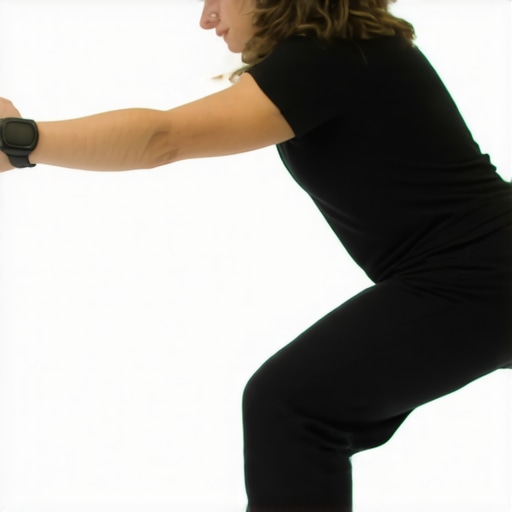
Begin by positioning your feet shoulder-width apart, facing forward. Keep your knees slightly bent. I once tried this during loading groceries—initially awkward, but it became second nature. By grounding your stance, you create a stable foundation, preventing sudden, uncontrolled twists that can damage spinal structures.
Step Two: Initiate the Turn with Your Feet
As you need to turn, move your front foot in the desired direction—like stepping into the turn—while keeping your hips aligned. I vividly remember turning to reach for a heavy box; instead of twisting at the waist, I took a small step, then pivoted. The result: no pain, just efficient movement. It’s like steering a boat—control the base, and the rest follows effortlessly.
Step Three: Keep Your Torso Aligned
Once your feet are in position, turn your torso—rather than twisting from the hips. Imagine your spine as the mast of a ship; it should stay upright, supported by your core muscles. I caught myself slouching once during a long day; subsequent focus on core engagement kept my back pain at bay.
Step Four: Use Your Core to Assist
Engage your abdominal and back muscles to stabilize your spine during the twist. This is crucial. Think of your core as a natural brace or a safety belt—when activated, it prevents excessive movements that could compress or strain discs. I experimented with this at my desk—tightening my core before even reaching for files changed everything.
Step Five: Practice Controlled Movements
Never rush the twist. Slow, deliberate motions give your muscles and ligaments time to adapt, preventing sudden pulls. During a move to fetch a tool, I slowed down my motion, which eliminated a nagging lower back ache I’d felt after rushing. Consistent practice ingrains safer habits.
Additional Tips for Lasting Success
Integrate these pivot techniques into daily routines—be it while working, cooking, or lifting. Remember, improper twist mechanics are a common cause of back pain and injury—so focusing on controlled movement is essential. If you’re dealing with persistent discomfort, exploring chiropractic strategies or understanding the mechanics can be beneficial. Check out this guide for more insights on back health.
Many people believe that back pain stems solely from injury or aging, but in reality, there’s a common misconception that can hinder recovery: the myth that pain equals damage. This oversimplification often leads individuals to seek quick fixes rather than addressing underlying movement patterns. For instance, some think stretching always helps, but aggressive stretching without proper control can destabilize spinal tissues, especially if done blindly. A notable trap is the misapplication of chiropractic adjustments—believing they are a one-time fix—when in fact, they need to be complemented with movement re-education and posture awareness for lasting results. Scientific research supports this holistic approach; a study published in the *Journal of Bodywork and Movement Therapies* highlights that combining manual therapies with active patient engagement significantly reduces recurrences of back pain. Advanced practitioners understand that subtle nuances matter: for example, targeting the diaphragm’s role in spinal stability or recognizing how foot arch alignment impacts neck and back tension. Overlooking these interconnections can lead to persistent discomfort, despite frequent treatments. Are you falling for the trap of quick fixes? Dive deeper into understanding your body’s mechanics by exploring our comprehensive guides on posture and mobility and natural chiropractic strategies. Remember, improving back health isn’t just about symptom relief—it’s about mastering the subtle nuances of movement and spinal health to prevent future setbacks. Don’t let misconceptions and missed nuances sabotage your progress. Have you ever fallen into this trap? Let me know in the comments.
Keep It Working: Essential Tools for Sustainable Back and Mobility Care
Maintaining your back health and mobility over time isn’t just about quick fixes; it requires the right tools and consistent practices. After years of managing my own back issues, I’ve found certain equipment and methods indispensable for long-term success. One of my top recommendations is investing in a quality foam roller. I prefer the dense, high-density foam variants because they provide effective myofascial release, helping to alleviate muscle knots that can contribute to chronic pain. Regularly using a foam roller on your thoracic and lumbar regions enhances flexibility and reduces tension, making daily movements more comfortable.
Alongside physical tools, leveraging technology plays a transformative role. A lumbar support cushion designed for ergonomic alignment during prolonged sitting can prevent postural deterioration. I personally use an adjustable lumbar pillow that contours perfectly to my lower back, especially during long work hours. This simple addition has significantly cut down incidents of stiffness and discomfort. When combined with periodic movement breaks, it becomes a potent strategy for sustaining spinal health.
Another device I strongly advocate for is a posture trainer wearable. These gadgets provide real-time feedback on your alignment, alerting you when you’re slouching or misaligned, so you can correct yourself instantly. This immediate correction fosters better habit formation and helps embed spinal-friendly posture into your daily routines. Scientific studies support the effectiveness of biofeedback devices in reducing back pain and improving posture compliance over time.
How do I keep my back and mobility routines effective as I age?
Looking ahead, the trend is moving towards personalized, tech-enabled care. Advances in apps that integrate movement assessments and tracking allow for tailored exercise plans that evolve with your body’s needs. For instance, using a guided mobility app can identify weak areas and suggest specific stretches or strengthening routines, making your maintenance more precise and effective. As the field evolves, combining manual therapies like chiropractic adjustments (discover proven chiropractic strategies) with these technological tools will become the cornerstone of lifelong spinal health.
To jumpstart your maintenance routine, I recommend trying a simple yet powerful tip: incorporate scheduled foam rolling sessions into your daily habits. Consistency is key—15 minutes each day can significantly decrease muscle tightness and improve your mobility resilience. Ready to give it a shot? Grab your foam roller today and commit to this small investment in your long-term back health. Your body will thank you!
What I Finally Learned About Movement that Experts Keep Silent About
Throughout my journey, I realized that the biggest breakthroughs often come from the little details—small habits and mindful techniques that go unnoticed but make all the difference. I once ignored the importance of proper pivoting, brushing it off as insignificant, until a sudden injury forced me to confront the truth: mastery in movement is built on the basics. That eye-opening lesson changed my approach forever, showing me that respecting the body’s mechanics is the key to lasting back health.
Tools and Resources That Changed My Approach to Back and Mobility Care
Over the years, I’ve curated a toolkit of the most effective resources that keep me aligned and pain-free. A high-quality foam roller has become my daily companion—its ability to release tight fascia saves me from chronic tension. I trust ergonomic lumbar cushions for reliable support during long work sessions, and a posture-trainer wearable keeps me honest with my habits, providing real-time feedback that instills better awareness. For deeper insights, books like “Mobility Mastery” have expanded my understanding of movement principles. These tools have empowered me to maintain active control over my back health, and I recommend them wholeheartedly for anyone serious about lasting mobility.
Your Next Step Toward Lasting Back Freedom
Remember, the journey to pain-free movement is ongoing but profoundly rewarding. By integrating mindful pivoting, investing in the right tools, and continually educating yourself on proper mechanics, you’re shaping a future where back pain is no longer a barrier. It’s your turn to take action—small steps today lead to significant freedom tomorrow. Feel inspired to put these strategies into practice? Share your experiences or questions below and let’s support each other’s progress. Your mobility matters, and every move counts—start today!