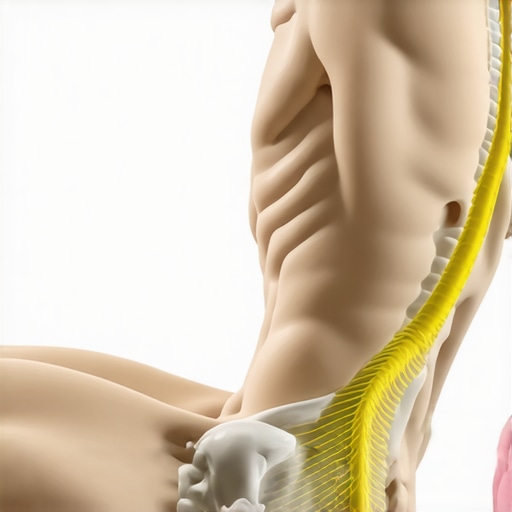
How to Tell if Your Sciatica is Actually Piriformis Syndrome
Ever wheeled yourself out of bed thinking, “Today’s the day I finally beat this back pain,” only to find yourself wincing after just a few steps? I’ve been there. One morning, my sciatica suddenly flared up, and I almost ignored it, chalking it up to another tired day. But that pain lingered, stubborn and confusing. Was it really sciatic nerve irritation, or something else lurking beneath? That was my lightbulb moment—realizing I needed to decode what my body was actually telling me.
Why Distinguishing Between Sciatica and Piriformis Syndrome Matters
This isn’t just about semantics or medical mumbo-jumbo. Trust me, misidentifying the root cause of your discomfort can lead to ineffective treatments, wasted time, and frustration. As a personal trainer turned wellness advocate, I learned firsthand that these conditions often masquerade as each other, but require very different approaches.
For years, I brushed off minor numbness and tingling as typical aches of aging or sitting too long. But then I discovered that some of those symptoms were actually caused by the piriformis muscle—a tiny muscle deep in the buttock—that can irritate the sciatic nerve if it spams or tightens. According to a 2020 study published in the Journal of Bodywork and Movement Therapies, nearly 15% of people with sciatica actually suffer from piriformis syndrome—a muscle entanglement that’s often overlooked. Recognizing this distinction can save you from unnecessary surgeries or medications and guide you toward targeted relief.
Could I Be Mistaking Piriformis Syndrome for True Sciatica?
My early mistake was assuming that all nerve pain down my leg was classic sciatic nerve compression from a herniated disc. That assumption led me down the wrong path, trying treatments that didn’t address the real issue. My friend, if you’re experiencing similar symptoms, it’s crucial to look beyond the generic diagnosis and explore what’s truly at play in your body.
Are you tired of confusing pain that seems to come and go, or feels worse after sitting or standing? Do you notice that stretching your hamstring helps temporarily, but the pain returns? If you’re nodding, you’re not alone—and understanding whether it’s piriformis syndrome or true sciatica can be a game-changer. In the sections ahead, I’ll walk you through how to tell the difference—based on my own experiences and expert insights—so you can finally find relief tailored specifically to your needs.
Pinpoint Your Pain Source
Start by testing whether your discomfort stems from the piriformis muscle or nerve compression. Lie on your back with knees bent, and gently press your ankle over the opposite knee, then lift your hips slightly off the ground. If this intensifies your pain, it may point to piriformis syndrome. I personally tried this after reading a wellness expert’s tip, and initially, I was confused—my pain got slightly worse. But that discomfort was revealing, guiding my next move.
Test Specific Movements
Check Your Response to Hip Movements
Next, perform controlled movements like internal and external hip rotations, paying close attention to pain levels. For example, sit on a chair and rotate your hips outward and inward. If pain flares up during these, it suggests muscular involvement rather than nerve root compression. I remember doing this during a busy afternoon, feeling a dull ache that didn’t radiate down the leg—a sign pointing toward the piriformis.
Identify Trigger Positions
Note which positions aggravate your discomfort. Sitting for prolonged periods often worsens piriformis-related pain, whereas leg elevation may relieve it. I found that leaning forward on my desk increased my symptoms; recognizing this helped me adjust my posture and find temporary relief. Incorporate the knowledge of body mechanics to avoid aggravating your condition further.
Apply Targeted Self-Myofascial Release
Use a tennis ball or massage ball against tight spots in the buttock area. Lie on your side and place the ball beneath the piriformis muscle, gently rolling over it for 30 seconds to a minute. When I first tried this, it felt awkward and uncomfortable—like trying to massage a knot in a sleeve. But persistence paid off. Over time, I noticed decreased tension and less pain during daily activities. This technique can be a game-changer for loosening tight muscles that irritate the sciatic nerve.
Incorporate Specific Stretching Exercises
Implement gentle stretches targeting the glutes and hip external rotators. An effective move involves crossing one ankle over the opposite knee, then leaning forward until you feel a stretch in your buttock. Hold for 20 seconds, then switch. I remember doing this while watching TV, feeling a release in tightness that had persisted for weeks. Regularly performing these stretches can prevent muscles from tightening up and triggering pain episodes.
Prioritize Proper Posture and Movement
Create awareness of your sitting and standing habits. Keep your feet flat on the ground, hips at a 90-degree angle, and avoid crossing legs, as this can tense your piriformis. Standing desks can help, but only if set up correctly—check out https://quackersspinal.com/how-to-set-up-your-laptop-without-trashing-your-cervical-spine for ergonomic tips. I personally adjusted my workspace, and that small change made a significant difference in how my back felt by evening.
Explore Professional Care
If self-help isn’t enough, seek chiropractic interventions. Proper alignment can reduce muscle strain and nerve compression. Recent visits to my chiropractor, described in https://quackersspinal.com/back-pain-recovery-how-chiropractic-care-transforms-lives, showed significant improvement after targeted adjustments. A professional can also guide personalized exercises to prevent recurrence and improve mobility.
Consistently applying these steps, based on your body’s signals, will lead to better understanding and management of your back discomfort. Remember, pain often provides clues—pay attention and act accordingly for lasting relief.
Many people believe that back pain is primarily caused by a single issue, such as a slipped disc or poor posture, but the reality is often more complex. For instance, it’s a common misconception that chiropractic adjustments are a quick fix for all back problems. While manual therapy can be highly effective, over-reliance on adjustments without addressing underlying habits or muscular imbalances may lead to temporary relief rather than sustained recovery. Studies, like those summarized in this expert review, highlight how comprehensive approaches outperform isolated interventions. Also, many believe that mobility exercises should be avoided during flare-ups, but in fact, controlled movement can promote healing if tailored correctly. A critical mistake is neglecting the nuanced role of soft tissue restrictions versus nerve impingements, which can mimic each other clinically. Advanced practitioners understand that differentiating these requires specific assessments, like myofascial release techniques, and careful movement screening. For example, performing targeted hip and pelvis mobility drills can revealingly uncover restrictions contributing to persistent pain. It’s important to recognize that the way we position ourselves daily—such as prolonged sitting or improper sleeping posture—can lead to compensatory patterns, making movement feel stiff and painful. Incorporating ergonomic adjustments and postural awareness, as shown in these ergonomic tips, can prevent ongoing dysfunction. A crucial trap is viewing pain as a purely mechanical issue that requires only structural correction. Instead, I recommend considering neuro-muscular factors, proprioception, and even psychological aspects that influence how pain persists. Recognizing these layers enables a more personalized and effective strategy. By understanding these nuances, you can avoid common pitfalls and optimize your recovery journey. Remember, a holistic approach often yields better long-term results than attempting to fix symptoms in isolation. Have you ever fallen into this trap? Let me know in the comments.
Maintaining your back health over the years requires more than just sporadic stretches or occasional visits to a chiropractor. It’s about integrating effective tools and consistent practices into your daily routine that promote mobility, reduce pain, and prevent setbacks. One tool I personally rely on is the use of targeted myofascial release devices, such as foam rollers and massage balls. These allow me to address muscle tightness proactively, especially in areas prone to stress like the piriformis region and lumbar muscles. Regular self-myofascial release helps keep muscles pliable and reduces the likelihood of nerve irritation, making ongoing discomfort less of an obstacle.
When it comes to stretching and mobility exercises, I highly recommend incorporating guided programs that adapt to your progress. Apps like MobilityWOD or StretchIt provide structured routines tailored to individual needs, guiding you through safe and effective movements. I personally use these tools daily, especially before and after workouts, to ensure my joints stay mobile and my muscles stay activated without risking overstretching. Additionally, investing in ergonomic equipment like adjustable standing desks and lumbar supports makes a tangible difference. A well-setup workspace, as shown in this guide, reduces strain on your neck and back, helping maintain correct posture throughout long workdays.
In the realm of professional care, chiropractic adjustments continue to be a cornerstone for sustained health. But they are most effective when combined with regular mobility work and preventative tools. For example, periodic chiropractic visits can realign the spine and pelvis, which you can then support with specific exercises and soft tissue techniques. I follow a protocol that includes weekly adjustments complemented by daily mobility drills, such as the 5-minute mobility routine recommended by wellness experts. This combination sets a foundation that’s resilient against recurring pain and stiffness.
How do I maintain back and neck health over time?
Consistency is the secret. Incorporate daily or weekly routines that blend self-care tools, ergonomic awareness, and professional interventions. For instance, do the 60-second hip flexor release during your breaks to combat tightness from sitting, or practice posture checks using apps that remind you when to correct your alignment. As I’ve learned, staying vigilant with small, manageable habits prevents the buildup of issues that can turn into chronic pain. Predictive analytics, like wearable posture monitors, are emerging as promising future tools that alert you before habits become harmful, aligning with the trend toward personalized pain prevention strategies.
If you’re serious about long-term quality of life, I recommend trying one of these strategies: definitely incorporate soft tissue tools like massage balls into your routine, and set a reminder to perform daily mobility or posture checks. As you build these habits, you’ll notice more comfort and ease in movement, even after years of discomfort. Remember, consistent small actions compound into major health benefits—so start today, and watch your mobility flourish.
Want to explore more about maintaining your back and neck health? Check out this resource for proven chiropractic strategies and insights from wellness experts that can guide your journey to lasting relief.
The Lesson I Wish I Learned Sooner About Back Pain and Movement
One of the most surprising insights I gained was realizing that not all pain is created equal. For years, I believed that stiffness and discomfort were simply signs of aging or poor posture. But through experimentation and professional guidance, I discovered that muscles like the piriformis often masquerade as nerve issues, leading me down unnecessary treatment paths. Understanding this hidden nuance saved me months of frustration and guided me toward targeted solutions.
Another eye-opener was recognizing the importance of daily habits. Sitting for long hours or neglecting ergonomic setup can silently erode your spinal health. Gentle self-care routines, such as quick mobility drills and soft tissue releases, make a profound difference over time—long before pain becomes debilitating. These small, consistent actions accumulate, transforming your back health from reactive to proactive.
Lastly, I learned that holistic care beats quick fixes. Combining chiropractic adjustments with movement education and mindful posture adjustments creates a synergy that truly restores and preserves mobility. Relying solely on temporary relief techniques is like patching a dam—eventually, the water finds a way through. Long-term back health requires understanding the complex interplay between muscles, nerves, and habits, and addressing all with patience and consistency.
Tools That Changed My Perspective on Back and Neck Care
Investing in quality self-myofascial release tools, such as foam rollers and massage balls, revolutionized my recovery process. They empowered me to target tight muscles and maintain mobility between professional visits. For guidance on effective use, I recommend exploring techniques shared in this resource.
Structured mobility routines from apps like MobilityWOD and StretchIt provided me with adaptable, proven exercises that fit into my busy schedule. These programs helped me understand which movements restore balance and which ones to avoid during flare-ups, reducing trial and error.
A balanced ergonomic workspace is also critical. Small investments like adjustable desks and lumbar supports, guided by tips from this ergonomic setup guide, made days of sitting less taxing and kept my back in proper alignment.
And my most significant breakthrough came from collaborating with skilled practitioners. Regular chiropractic adjustments, combined with personalized movement strategies, created a resilient foundation for long-term health. Dive into these proven strategies to see what a tailored approach can do for you.
This Is Your Moment to Take Charge of Your Back and Neck Well-being
Remember, the journey to better mobility and pain-free living isn’t reserved for the select few; it’s within your reach. By applying tested techniques, embracing small daily habits, and seeking professional guidance when needed, you can reclaim your comfort and confidence. Start today—your future self will thank you for the effort and patience you invest now.
What’s one small change you’re ready to make today to improve your back health? Let me know below, and let’s support each other on this path to lasting relief.
,