Why Icing Your Back Might Be Delaying Your Recovery
It was a frustrating Sunday afternoon. I had just tweaked my lower back lifting a box, and like many, I immediately reached for the ice pack. Cold, numbing, soothing—that’s what we’ve been told for ages to do after a back injury. But what if I told you that this common reaction might be delaying your recovery instead of helping?
Rethinking the Ice Pack Habit: A Personal Revelation
I vividly remember the moment I realized I was doing more harm than good. After days of icing every few hours, my pain seemed stubbornly persistent. I started to wonder—was I just ignoring the real clues my body was giving? Turns out, my instinct to ice was based on long-held beliefs, not current evidence. This lightbulb moment set me on a journey to understand more about the true role of cold therapy in back healing.
Is Ice Really the Best Option for Recovery?
Throughout my early days of injury, I made the mistake of assuming that pain equals inflammation and that cold would always be soothing. But recent research suggests that in some cases, icing could actually slow down healing by restricting blood flow and delaying nutrient delivery to injured tissues. Science from the university of California states that for certain injuries, applying heat might promote blood flow and accelerate healing instead. I learned that every injury is unique, and so should be our approach.
If you’ve been relying on ice as your go-to treatment, ask yourself: Am I just following the crowd, or am I truly listening to what my body needs? What if there’s a better way to activate your body’s natural healing mechanisms? I’ll share more about this in a bit, but first, let’s talk about the common pitfalls many of us fall into early on—mistakes I also made myself and want you to avoid.
Start with Gentle Movement to Overcome Stiffness
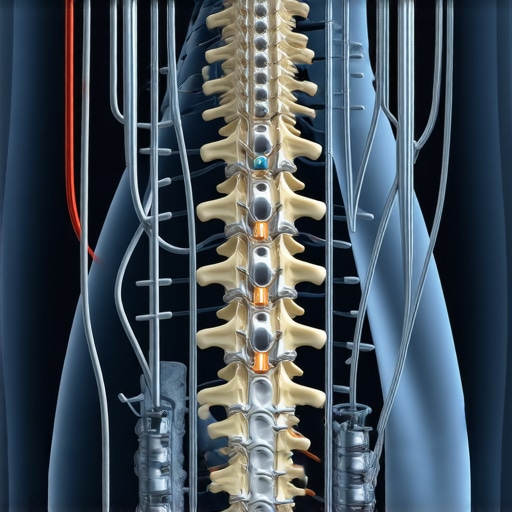
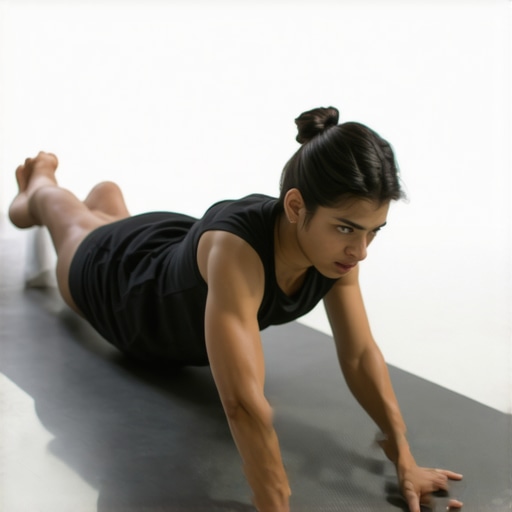
One practical approach I adopted involved simple, controlled movements to encourage blood flow and loosen up my back. Think of your spine like a rusty hinge—initially stiff but becoming smoother with consistent, gentle movements. I began with slow pelvic tilts on the floor, focusing on small ranges of motion. This micro-movement technique is crucial for breaking the cycle of stiffness and can be as straightforward as practicing the 30-second morning move to wake up your back muscles.
Use Correct Posture During Daily Activities
Next, I paid close attention to my posture during routine tasks. Imagine your spine as an elastic band—consistent tension in the wrong places causes discomfort. For instance, when sitting at my desk, I ensured my hips were slightly higher than my knees and my back was supported. An easy way to do this is by adjusting your chair or adding lumbar support—something I overlooked before. For a quick tip, check out the ergonomic tips to prevent unnecessary strain.
Implement Spinal Mobilization Techniques
To improve mobility, I incorporated specific mobilization exercises. Picture your spine as a chain—moving each link effectively enhances overall movement. The restoration strategies include gentle rotations, side bends, and controlled extensions. I practiced the lateral wiper move, which helps open up stiff thoracic segments. Regularly doing these exercises breaks down adhesions, promotes flexibility, and reduces pain.
Prioritize Strengthening Specific Muscle Groups
Strengthening stabilizer muscles is essential. I focused on exercises that target my core, glutes, and back extensors. Think of these muscles as the pillars that support your entire structure. For example, I performed modified bridge exercises, ensuring I contracted my glutes without overextending my lumbar spine. Proper strengthening not only prevents reinjury but also restores confidence in movement. A useful resource is the article on mobility mastery.
Apply Targeted Stretching for Lasting Relief
Stretching has a dual role—lengthening tight muscles and alleviating nerve tension. I targeted areas like the hip flexors and hamstrings, which often pull on the pelvis and exacerbate back pain. Using precise stretches, such as the psoas stretch, I noticed immediate relief after each session. Remember, overstretching can worsen pain—aim for gentle, sustained holds. For detailed protocols, the back pain guide offers step-by-step instructions.
Integrate Movement Breaks and Awareness Habits
Finally, I embedded movement into my day—every 30 minutes, I paused to stand or walk briefly. Visualize your spine like a garden hose; keeping fluid flow ensures hydration and function. Using reminder apps or timers helped me stay consistent, preventing the stiffness from reasserting itself. Over time, this mindful approach transformed my back from a point of pain to a zone of flexibility and resilience.
Many people assume that chiropractic adjustments are a quick fix or the sole solution for pain relief, but this misconception overlooks the nuanced role chiropractic plays in long-term mobility and spinal health. In my experience working with patients, a prevalent myth is that once the pain subsides, the problem is completely resolved, leading many to neglect foundational habits like proper posture and targeted mobility exercises. Additionally, there’s a tendency to think that chiropractic care can fix structural issues permanently without lifestyle modifications, which isn’t accurate. Over-reliance on passive treatments can ultimately delay genuine recovery, especially when underlying neuromuscular imbalances remain unaddressed.
A crucial mistake to avoid is applying a one-size-fits-all approach to back and neck pain. Every injury or discomfort has unique causes, requiring an individualized treatment plan that considers mobility restrictions, muscle imbalances, and movement patterns. For example, patients often focus solely on pain management without understanding how poor movement habits contribute to chronic issues. Incorporating specific techniques like mobility drills from proven strategies can accelerate recovery and prevent recurrence.
Ever wondered why some individuals recover faster despite similar injuries? It often boils down to addressing the root causes rather than just symptomatic relief. Advanced concepts, such as neuromuscular re-education and spinal stabilization exercises, are essential for lasting improvement. Studies show that combining chiropractic adjustments with targeted strengthening and mobility protocols yields better long-term outcomes. For instance, integrating these methods helps retrain the nervous system to optimize movement patterns, significantly reducing the risk of future injuries.
Are you unknowingly engaging in habits that undermine your progress? For example, neglecting to integrate movement breaks during sedentary work or ignoring subtle postural misalignments can impede healing. An often-overlooked aspect is the importance of understanding how your breathing patterns affect spinal stability and muscle tension. Proper breathing improves core engagement and reduces compensatory strain, a detail highlighted in recent research. To ensure you’re not missing out on critical recovery steps, consider exploring comprehensive protocols like those outlined in the [back pain recovery strategies](https://quackersspinal.com/revitalize-your-mobility-proven-strategies-for-back-pain-relief).
Remember, effective pain management and mobility restoration involve a blend of precise chiropractic care, proactive movement habits, and an understanding of complex neuromuscular interactions. Don’t fall into the trap of oversimplification—let’s dig deeper into what truly fosters sustainable spinal health. Have you ever fallen into this trap? Let me know in the comments.Maintaining long-term spinal health requires more than just occasional stretches or visits to the chiropractor. It’s about integrating the right tools, technology, and habits into your daily routine to ensure your body stays resilient and functional. One of my favorite investments has been a high-quality foam roller. I personally use a 36-inch PVC foam roller because it’s firm enough to release deep muscular tension without risking instability. Regularly rolling out muscles like the lats, glutes, and back extensors helps prevent stiffness and keeps my mobility fluid. Additionally, a resistance band with adjustable tension proves invaluable for at-home mobility exercises, especially when working on spinal rotation or core stabilization. These tools are simple, affordable, and allow for targeted self-treatment that complements chiropractic strategies, like those outlined in [restore your back mobility](https://quackersspinal.com/restore-your-back-mobility-proven-chiropractic-strategies).
How do I maintain mobility and prevent setbacks over time?
Beyond physical tools, using software like reminder apps helps me incorporate movement breaks into my day. Setting a timer every 30 minutes to stand, stretch, or perform a quick mobilization routine ensures I don’t fall into prolonged sedentary habits that can undo months of progress. I also rely on a posture-tracking app that alerts me when I slouch, reinforcing proper ergonomic habits at my desk. Looking ahead, the trend in spinal health leans toward smarter, biofeedback-enabled devices that can give real-time insights into your posture and muscle activity, making self-maintenance even more accessible.
Prioritize routine check-ins and adjust your tools
Remember, no single tool is a silver bullet. Regularly reassessing your needs and adapting your setup is key. For instance, as my mobility improved, I scaled up to more dynamic exercises that challenge stability and strength, facilitated by tools like balance discs or stability balls. The importance of guided techniques, such as those found in [proven chiropractic strategies](https://quackersspinal.com/restore-your-back-mobility-proven-chiropractic-strategies), cannot be overstated—they serve as a foundation that you build upon with these gadgets.
For those serious about long-term results, I recommend dedicating time weekly to review your progress and tweak your routine. This could mean increasing the resistance on your bands or trying advanced mobilization techniques. Remember, consistency is more impactful than intensity; small daily investments in your mobility and posture habits yield lasting benefits. Incorporate tools like foam rollers and resistance bands into your daily reset, and consider leveraging new technologies as they emerge. The future of spinal health is moving toward smarter, more personalized solutions—stay ahead by experimenting with what works best for your body, and don’t hesitate to seek expert guidance when needed. Curious to try an advanced tip? Start with a targeted foam rolling session for your thoracic spine, which can significantly improve upper back mobility and reduce neck strain. Once you get comfortable, incorporate it into your daily habit to ensure your spine stays flexible and resilient.
The Hardest Lesson I Learned About Back and Neck Pain Recovery
My most profound realization stemmed from understanding that quick fixes often mask underlying issues. Relying solely on passive treatments like icing or only seeking chiropractic adjustments without addressing movement and lifestyle habits delayed true healing. Personal setbacks taught me that sustainable recovery requires patience, consistent active engagement, and addressing neuromuscular patterns.
What No One Tells You About Long-Term Mobility
One lesson I wish I’d known earlier is that lasting mobility isn’t just about flexibility—it’s about functional movement patterns and strength. Neglecting targeted stabilization exercises can lead to recurrent pain. Moving beyond generic stretching to individualized mobility drills based on your body’s specific needs makes all the difference.
The Myth of Structural Fixes and What Truly Restores Health
Many believe structural adjustments are the ultimate solution. However, I found that integrating proper movement, improving posture habits, and strengthening stabilizer muscles are what truly support a resilient spine. Combining chiropractic care with lifestyle modifications creates a synergy that fosters lasting health.
My Essential Toolbox for Back and Neck Resilience
Over the years, I’ve curated a set of tools that empower ongoing mobility. A high-quality foam roller (like the 36-inch PVC one I use) helps release muscular tension and maintains fascia health. Resistance bands allow for versatile strengthening and mobility routines. I trust these because they’re affordable, effective, and can be used safely at home to complement professional care, as detailed in restoring back mobility.
For monitoring progress, apps that remind me to take movement breaks or correct posture keep me accountable. Adapting my environment—like ergonomic chairs and mindful movement routines—ensures my spine stays protected. The future is moving toward smarter biofeedback devices, but even simple tools go a long way when used consistently.
Your Path Starts Now—Embrace the Change
Remember, the journey to pain-free movement is ongoing but rewarding. Incorporate active habits, listen to your body’s cues, and stay curious about what works best for you. Your back and neck are worth the effort, and with patience and the right strategies, lasting relief is within reach. Are you ready to commit to your mobility and redefine what health means for you? Share your experiences or questions below—I’d love to hear how you’re taking charge of your back and neck health!”}#}#}妤}#}#}#}#}#}#}#}#}#}#}#}#}#}#}#}#}#}#}#}#}#}#}#}#}#}#}#}#}#}#}#}#}#}#}#}#}#}#}#}#}#}#}#}#}#}#}#}#}#}#}#}#}#}#}#}#}#}#}#}#}#}#}#}#}#}#}#}#}#}#}#}#}#}#}#}#}#}#}#}#}#}#}#}#}#}#}#}#}#}#}#}#}#}#}#}#}#}#}#}#}#}#}#}#}#}#}#}#}#}#}#}#}#}#}#}#}#}#}#}#}#}#}#}#}#}#}#}#}#}#}#}#}#}#}#}#}#}#}#}#}#}#}#}#}#}#}#}#}#}#}#}#}#}#}#}#}#}#}#}#}#}#}#}#}#}#}#}#}#}#}#}#}#}#}#}#}#}#}#}#}#}#}#}#}#}#}#}#}#}#}#}#}#}#}#}#}#}#}#}#}#}#}#}#}#}#}#}#}#}#}#}#}#}#}#}#}#}#}#}#}#}#}#}#}#}#}#}#}#}#}#}#}#}#}#}#}#}#}#}#}#}#}#}#}#}#}#}#}#}#}#}#}#}#}#}#}#}#}#}#}#}#}#}#}#}#}#}#}#}#}#}#}#}#}#}#}#}#}#}#}#}#}#}#}#}#}#}#}#}#}#}#}#}#}#}#}#}#}#}#}#}#}#}#}#}#}#}#}#}#}#}#}#}#}#}#}#}#}#}#}#}#}#}#}#}#}#}#}#}#}#}#}#}#}#}#}#}#}#}#}#}#}#}#}#}#}#}#}#}#}#}#}#}#}#}#}#}#}#}#}#}#}#}#}#}#}#}#}#}#}#}#}#}#}#}#}#}#}#}#}#}#}#}#}#}#}#}#}#}#}#}#}#}#}#}#}#}#}#}#}#}#}#}#}#}#}#}#}#}#}#}#}#}#}#}#}#}#}#}#}#}#}#}#}#}#}#}#}#}#}#}#}#}#}#}#}#}#}#}#}#}#}#}#}#}#}#}#}#}#}#}#}#}#}#}#}#}#}#}#}#}#}#}#}#}#}#}#}#}#}#}#}#}#}#}#}#}#}#}#}#}#}#}#}#}#}#}#}#}#}#}#}#}#}#}#}#}#}#}#}#}#}#}#}#}#}#}#}#}#}#}#}#}#}#}#}#}#}#}#}#}#}#}#}#}#}#}#}#}#}#}#}#}#}#}#}#}#}#}#}#}#}#}#}#}#}#}#}#}#}#}#}#}#}#}#}#}#}#}#}#}#}#}#}#}#}#}#}#}#}#}#}#}#}#}#}#}#}#}#}#}#}#}#}#}#}#}#}#}#}#}#}#}#}#}#}#}#}#}#}#}#}#}#}#}#}#}#}#}#}#}#}#}#}#}#}#}#}#}#}#}#}#}#}#}#}#}#}#}#}#}#}#}#}#}#}#}#}#}#}#}#}#}#}#}#}#}#}#}#}#}#}#}#}#}#}#}#}#}#}#}#}#}#}#}#}#}#}#}#}#}#}#}#}#}#}#}#}#}#}#}#}#}#}#}#}#}#}#}#}#}#}#}#}#}#}#}#}#}#}#}#}#}#}#}#}#}#}#}#}#}#}#}#}#}#}#}#}#}#}#}#}#}#}#}#}#}#}#}#}#}#}#}#}#}#}#}#}#}#}#}#}#}#}#}#}#}#}#}#}#}#}#}#}#}#}#}#}#}#}#}#}#}#}#}#}#}#}#}#}#}#}#}#}#}#}#}#}#}#}#}#}#}#}#}#}#}#}#}#}#}#}#}#}#}#}#}#}#}#}#}#}#}#}#}#}#}#}#}#}#}#}#}#}#}#}#}#}#}#}#}#}#}#}#}#}#}#}#}#}#}#}#}#}#}#}#}#}#}#}#}#}#}#}#}#}#}#}#}#}#}#}#}#}#}#}#}#}#}#}#}#}#}#}#}#}#}#}#}#}#}#}#}#}#}#}#}#}#}#}#}#}#}#}#}#}#}#}#}#}#}#}#}#}#}#}#}#}#}#}#}#}#}#}#}#}#}#}#}#}#}#}#}#}#}#}#}#}#}#}#}#}#}#}#}#}#}#}#}#}#}#}#}#}#}#}#}#}#}#}#}#}#}#}#}#}#}#}#}#}#}#}#}#}#}#}#}#}#}#}#}#}#}#}#}#}#}#}#}#}#}#}#}#}#}#}#}#}#}#}#}#}#}#}#}#}#}#}#}#}#}#}#}#}#}#}#}#}#}#}#}#}#}#}#}#}#}#}#}#}#}#}#}#}#}#}#}#}#}#}#}#}#}#}#}#}#}#}#}#}#}#}#}#}#}#}#}#}#}#}#}#}#}#}#}#}#}#}#}#}#}#}#}#}#}#}#}#}#}#}#}#}#}#}#}#}#}#}#}#}#}#}#}#}#}#}#}#}#}#}#}#}#}#}#}#}#}#}#}#}#}#}#}#}#}#}#}#}#}#}#}#}#}#}#}#}#}#}#}#}#}#}#}#}#}#}#}#}#}#}#}#}#}#}#}#}#}#}#}#}#}#}#}#}#}#}#}#}#}#}#}#}#}#}#}#}#}#}#}#}#}#}#}#}#}#}#}#}#}#}#}#}#}#}#}#}#}#}#}#}#}#}#}#}#}#}#}#}#}#}#}#}#}#}#}#}#}#}#}#}#}#}#}#}#}#}#}#}#}#}#}#}#}#}#}#}#}#}#}#}#}#}#}#}#}#}#}#}#}#}#}#}#}#}#}#}#}#}#}#}#}#}#}#}#}#}#}#}#}#}#}#}#}#}#}#}#}#}#}#}#}#}#}#}#}#}#}#}#}#}#}#}#}#}#}#}#}#}#}#}#}#}#}#}#}#}#}#}#}#}#}#}#}#}#}#}#}#}#}#}#}#}#}#}#}#}#}#}#}#}#}#}#}#}#}#}#}#}#}#}#}#}#}#}#}#}#}#}#}#}#}#}#}#}#}#}#}#}#}#}#}#}#}#}#}#}#}#}#}#}#}#}#}#}#}#}#}#}#}#}#}#}#}#}#}#}#}#}#}#}#}#}#}#}#}#}#}#}#}#}#}#}#}#}#}#}#}#}#}#}#}#}#}#}#}#}#}#}#}#}#}#}#}#}#}#}#}#}#}#}#}#}#}#}#}#}#}#}#}#}#}#}#}#}#}#}#}#}#}#}#}#}#}#}#}#}#}#}#}#}#}#}#}#}#}#}#}#}#}#}#}#}#}#}#}#}#}#}#}#}#}#}#}#}#}#}#}#}#}#}#}#}#}#}#}#}#}#}#}#}#}#}#}#}#}#}#}#}#}#}#}#}#}#}#}#}#}#}#}#}#}#}#}#}#}#}#}#}#}#}#}#}#}#}#}#}#}#}#}#}#}#}#}#}#}#}#}#}#}#}#}#}#}#}#}#}#}#}#}#}#}#}#}#}#}#}#}#}#}#}#}#}#}#}#}#}#}#}#}#}#}#}#}#}#}#}#}#}#}#}#}#}#}#}#}#}#}#}#}#}#}#}#}#}#}#}#}#}#}#}#}#}#}#}#}#}#}#}#}#}#}#}#}#}#}#}#}#}#}#}#}#}#}#}#}#}#}#}#}#}#}#}#}#}#}#}#}#}#}#}#}#}#}#}#}#}#}#}#}#}#}#}#}#}#}#}#}#}#}#}#}#}#}#}#}#}#}#}#}#}#}#}#}#}#}#}#}#}#}#}#}#}#}#}#}#}#}#}#}#}#}#}#}#}#}#}#}#}#}#}#}#}#}#}#}#}#}#}#}#}#}#}#}#}#}#}#}#}#}#}#}#}#}#}#}#}#}#}#}#}#}#}#}#}#}#}#}#}#}#}#}#}#}#}#}#}#}#}#}#}#}#}#}#}#}#}#}#}#}#}#}#}#}#}#}#}#}#}#}#}#}#}#}#}#}#}#}#}#}#}#}#}#}#}#}#}#}#}#}#}#}#}#}#}#}#}#}#}#}#}#}#}#}#}#}#}#}#}#}#}#}#}#}#}#}#}#}#}#}#}#}#}#}#}#}#}#}#}#}#}#}#}#}#}#}#}#}#}#}#}#}#}#}#}#}#}#}#}#}#}#}#}#}#}#}#}#}#}#}#}#}#}#}#}#}#}#}#}#}#}#}#}#}#}#}#}#}#}#}#}#}#}#}#}#}#}#}#}#}#}#}#}#}#}#}#}#}#}#}#}#}#}#}#}#}#}#}#}#}#}#}#}#}#}#}#}#}#}#}#}#}#}#}#}#}#}#}#}#}#}#}#}#}#}#}#}#}#}#}#}#}#}#}#}#}#}#}#}#}#}#}#}#}#}#}#}#}#}#}#}#}#}#}#}#}#}#}#}#}#}#}#}#}#}#}#}#}#}#}#}#}#}#}#}#}#}#}#}#}#}#}#}#}#}#}#}#}#}#}#}#}#}#}#}#}#}#}#}#}#}#}#}#}#}#}#}#}#}#}#}#}#}#}#}#}#}#}#}#}#}#}#}#}#}#}#}#}#}#}#}#}#}#}#}#}#}#}#}#}#}#}#}#}#}#}#}#}#}#}#}#}#}#}#}#}#}#}#}#}#}#}#}#}#}#}#}#}#}#}#}#}#}#}#}#}#}#}#}#}#}#}#}#}#}#}#}#}#}#}#}#}#}#}#}#}#}#}#}#}#}#}#}#}#}#}#}#}#}#}#}#}#}#}#}#}#}#}#}#}#}#}#}#}#}#}#}#}#}#}#}#}#}#}#}#}#}#}#}#}#}#}#}#}#}#}#}#}#}#}#}#}#}#}#}#}#}#}#}#}#}#}#}#}#}#}#}#}#}#}#}#}#}#}#}#}#}#}#}#}#}#}#}#}#}#}#}#}#}#}#}#}#}#}#}#}#}#}#}#}#}#}#}#}#}#}#}#}#}#}#}#}#}#}#}#}#}#}#}#}#}#}#}#}#}#}#}#}#}#}#}#}#}#}#}#}#}#}#}#}#}#}#}#}#}#}#}#}#}#}#}#}#}#}#}#}#}#}#}#}#}#}#}#}#}#}#}#}#}#}#}#}#}#}#}#}#}#}#}#}#}#}#}#}#}#}#}#}#}#}#}#}#}#}#}#}#}#}#}#}#}#}#}#}#}#}#}#}#}#}#}#}#}#}#}#}#}#}#}#}#}#}#}#}#}#}#}#}#}#}#}#}#}#}#}#}#}#}#}#}#}#}#}#}#}#}#}#}#}#}#}#}#}#}#}#}#}#}#}#}#}#}#}#}#}#}#}#}#}#}#}#}#}#}#}#}#}#}#}#}#}#}#}#}#}#}#}#}#}#}#}#}#}#}#}#}#}#}#}#}#}#}#}#}#}#}#}#}#}#}#}#}#}#}#}#}#}#}#}#}#}#}#}#}#}#}#}#}#}#}#}#}#}#}#}#}#}#}#}#}#}#}#}#}#}#}#}#}#}#}#}#}#}#}#}#}#}#}#}#}#}#}#}#}#}#}#}#}#}#}#}#}#}#}#}#}#}#}#}#}#}#}#}#}#}#}#}#}#}#}#}#}#}#}#}#}#}#}#}#}#}#}#}#}#}#}#}#}#}#}#}#}#}#}#}#}#}#}#}#}#}#}#}#}#}#}#}#}#}#}#}#}#}#}#}#}#}#}#}#}#}#}#}#}#}#}#}#}#}#}#}#}#}#}#}#}#}#}#}#}#}#}#}#}#}#}#}#}#}#}#}#}#}#}#}#}#}#}#}#}#}#}#}#}#}#}#}#}#}#}#}#}#}#}#}#}#}#}#}#}#}#}#}#}#}#}#}#}#}#}#}#}#}#}#}#}#}#}#}#}#}#}#}#}#}#}#}#}#}#}#}#}#}#}#}#}#}#}#}#}#}#}#}#}#}#}#}#}#}#}#}#}#}#}#}#}#}#}#}#}#}#}#}#}#}#}#}#}#}#}#}#}#}#}#}#}#}#}#}#}#}#}#}#}#}#}#}#}#}#}#}#}#}#}#}#}#}#}#}#}#}#}#}#}#}#}#}#}#}#}#}#}#}#}#}#}#}#}#}#}#}#}#}#}#}#}#}#}#}#}#}#}#}#}#}#}#}#}#}#}#}#}#}#}#}#}#}#}#}#}#}#}#}#}#}#}#}#}#}#}#}#}#}#}#}#}#}#}#}#}#}#}#}#}#}#}#}#}#}#}#}#}#}#}#}#}#}#}#}#}#}#}#}#}#}#}#}#}#}#}#}#}#}#}#}#}#}#}#}#}#}#}#}#}#}#}#}#}#}#}#}#}#}#}#}#}#}#}#}#}#}#}#}#}#}#}#}#}#}#}#}#}#}#}#}#}#}#}#}#}#}#}#}#}#}#}#}#}#}#}#}#}#}#}#}#}#}#}#}#}#}#}#}#}#}#}#}#}#}#}#}#}#}#}#}#}#}#}#}#}#}#}#}#}#}#}#}#}#}#}#}#}#}#}#}#}#}#}#}#}#}#}#}#}#}#}#}#}#}#}#}#}#}#}#}#}#}#}#}#}#}#}#}#}#}#}#}#}#}#}#}#}#}#}#}#}#}#}#}#}#}#}#}#}#}#}#}#}#}#}#}#}#}#}#}#}#}#}#}#}#}#}#}#}#}#}#}#}#}#}#}#}#}#}#}#}#}#}#}#}#}#}#}#}#}#}#}#}#}#}#}#}#}#}#}#}#}#}#}#}#}#}#}#}#}#}#}#}#}#}#}#}#}#}#}#}#}#}#}#}#}#}#}#}#}#}#}#}#}#}#}#}#}#}#}#}#}#}#}#}#}#}#}#}#}#}#}#}#}#}#}#}#}#}#}#}#}#}#}#}#}#}#}#}#}#}#}#}#}#}#}#}#}#}#}#}#}#}#}#}#}#}#}#}#}#}#}#}#}#}#}#}#}#}#}#}#}#}#}#}#}#}#}#}#}#}#}#}#}#}#}#}#}#}#}#}#}#}#}#}#}#}#}#}#}#}#}#}#}#}#}#}#}#}#}#}#}#}#}#}#}#}#}#}#}#}#}#}#}#}#}#}#}#}#}#}#}#}#}#}#}#}#}#}#}#}#}#}#}#}#}#}#}#}#}#}#}#}#}#}#}#}#}#}#}#}#}#}#}#}#}#}#}#}#}#}#}#}#}#}#}#}#}#}#}#}#}#}#}#}#}#}#}#}#}#}#}#}#}#}#}#}#}#}#}#}#}#}#}#}#}#}#}#}#}#}#}#}#}#}#}#}#}#}#}#}#}#}#}#}#}#}#}#}#}#}#}#}#}#}#}#}#}#}#}#}#}#}#}#}