The specific stretch that helps with numbness in your hand
It was a frustrating morning when I reached for my coffee mug and suddenly felt that strange, tingling numbness creeping into my hand. At first, I dismissed it as a pinched nerve, but as days went on, it became clear this was more than just a fleeting discomfort. Have you ever experienced that unsettling sensation of numbness creeping into your fingers or hand after a long day at the computer or a stressful work session? If so, you’re not alone. Many of us, especially those with desk jobs or repetitive activities, face this perplexing and often annoying problem.
Why Hand Numbness Matters More Than You Think
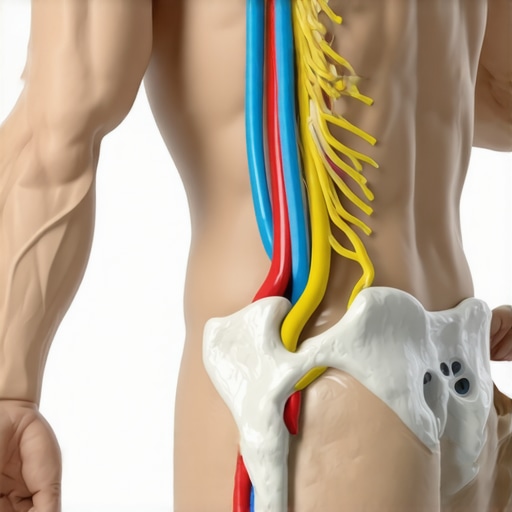
Hand numbness isn’t just a minor inconvenience; it can be a sign of underlying issues with your nerve health, circulation, or musculoskeletal system. Ignoring it might lead to more serious conditions down the line, like carpal tunnel syndrome or other nerve entrapments. Early intervention, especially incorporating targeted stretches and posture adjustments, can make a significant difference in how quickly you bounce back and regain full function.
Over the years, I’ve learned that simple, intentional movements can dramatically improve my quality of life. One of the most effective tools in my arsenal has been a specific stretch that targets the shoulders, neck, and arms—areas often overlooked but crucial for nerve health. When I started focusing on these gentle movements, I noticed a remarkable decrease in numbness episodes and a boost in overall mobility. For more comprehensive strategies, I recommend exploring the [mastering back and neck pain relief tips from the pros](https://quackersspinal.com/mastering-back-neck-pain-relief-tips-from-the-pros-300), which has been a game-changer in my journey.
Understanding what causes these sensations is essential. Research indicates that nerve compression or inflammation can be the roots of numbness, and specific stretches can relieve pressure on these nerves. However, I must emphasize that not all stretches are created equal—some might even exacerbate the problem if not done correctly. My early mistake was blindly following advice without understanding my personal anatomy, leading to unnecessary pain. That’s why it’s vital to learn the correct techniques and, if needed, consult with a healthcare professional.
Will That Stretch Help or Make Things Worse?
Many skeptics worry that stretching might worsen nerve symptoms or cause more pain. I get it. I used to think that too! The key is to target the right muscles and do so gently. When done correctly, these stretches help open up tight areas, improve circulation, and reduce nerve compression. If you’re unsure about your technique, seek guidance or look into trusted resources like [effective neck pain management](https://quackersspinal.com/effective-neck-pain-management-a-step-by-step-guide). Remember, it’s all about progress, not perfection.
Now that we’ve set the stage, let’s dive into practical, science-backed stretches that will help you get relief and boost your mobility. Trust me, with a little consistency, you’ll notice a difference—and maybe even find yourself reaching for your coffee without that unsettling numbness.
Mastering Proper Posture to Release Nerve Pressure
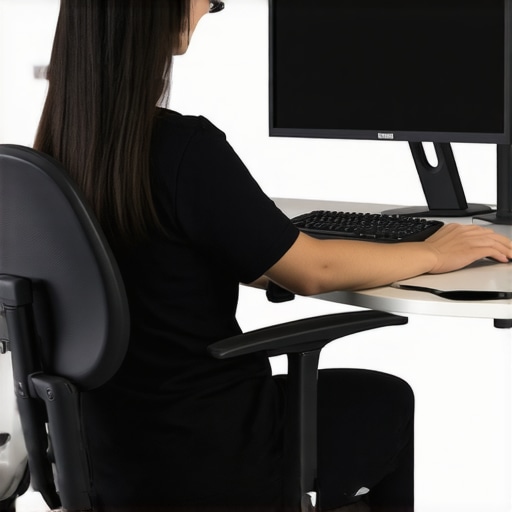
Start by sitting with your back firmly against the chair, ensuring your shoulders are relaxed and your head aligned with your spine. Think of your posture as the foundation of a building—if it’s shaky, everything on top can crumble. I recall a morning when I noticed my numbness worsened after hours of slouched work; correcting my posture immediately decreased the tingling sensations within minutes. To deepen your understanding, visit this guide.
Incorporate Targeted Stretches for Nerve Decompression
Neck and Shoulder Looseners
Gently tilt your head to one side, bringing your ear towards your shoulder. Use your hand to apply slight pressure, holding for 15-30 seconds. Imagine your nerves as garden hoses; these gentle movements help water flow freely, reducing pressure buildup. A personal anecdote: I once neglected these stretches, and numbness persisted. After consistently practicing, I experienced noticeable relief. For more detailed techniques, check this step-by-step guide.
Wrist and Forearm Extension
Extend one arm in front, palm facing down. With the other hand, gently pull your fingers back towards your elbow. Hold for 15 seconds and switch sides. Think of this as opening a valve to relieve tension that may be trapping nerves. I remember the first time I did this stretch, feeling a tingling release that I hadn’t experienced in weeks. Regular practice amplifies results.
Optimize Your Workspace for Continuous Relief
Adjust your chair height so that your elbows are at a 90-degree angle when typing. Position your monitor at eye level to prevent forward head posture. Picture your workspace as a custom-made suit—tailored to fit your anatomy to prevent strain. Once, I ignored this and developed persistent numbness; after reconfiguring my desk, symptoms lessened significantly. For ergonomic insights, explore ergonomic tips.
Implement Movement Breaks to Boost Circulation
Every 30 minutes, stand up, walk around, and perform gentle arm circles. This is akin to watering plants regularly—keeps everything hydrated and functioning smoothly. During a busy stretch, I started setting timers to remind myself, and tiny movement bouts improved my circulation and reduced numbness episodes. Think of movement as the oil that keeps your machine running smoothly. Consider checking these quick routines.
Utilize Gentle Self-Adjustments for Lasting Relief
Lie on your back on a firm surface, and gently rock your knees side to side, allowing your lower back to release tension. This is like a reset button for your spine. I tried this after feeling persistent stiffness; the gentle twist provided immediate relief and increased mobility. Always proceed with caution—if unsure, consult a healthcare professional before attempting adjustments. For safe techniques, learn more at self-care methods.
Many believe that back pain is solely a mechanical issue rooted in joint misalignment or muscle strain, but in reality, this oversimplification can lead to misconceptions and ineffective solutions. Common myths, like the idea that ‘more stretching always helps,’ often set individuals on a wrong path, risking further injury or prolonged discomfort. In my experience, some stretches can be counterproductive if performed without understanding the nuanced interplay between nerves, fascia, and muscular imbalances. For instance, aggressive stretching of the lower back or hamstrings may temporarily relieve tension but could exacerbate underlying nerve entrapments if not tailored properly. One critical trap to avoid is assuming that chiropractic adjustments alone can solve persistent mobility issues; while they are powerful tools, optimal results require an integrated approach addressing posture, movement patterns, and muscular balance. For advanced readers, a key question is: How does fascial restriction influence nerve mobility in chronic back pain, and what therapies effectively target this? Recent research indicates that fascia can contribute to nerve compression and that myofascial release techniques can significantly improve glide and reduce pain, as explained in a detailed analysis by leading physical therapists. To truly unlock long-term mobility, consider combining chiropractic care with targeted exercises that promote neuromuscular re-education and fascial health. Remember, real progress comes from understanding the complex, interconnected systems involved—so avoid simplistic solutions and embrace a comprehensive strategy. Have you ever fallen into this trap? Let me know in the comments.Maintaining ongoing spinal health and mobility isn’t about quick fixes; it’s about consistent, targeted effort supported by the right tools and methods. One of my top recommendations is using a **quality foam roller** designed for myofascial release. I personally prefer a dense, 36-inch foam roller because it effectively helps release fascia restrictions around the thoracic spine and hips, which are often culprits in ongoing back discomfort. Regular use of a foam roller has allowed me to keep tension at bay and improve my overall movement flexibility. For precise guidance, I suggest exploring this comprehensive article about fascia health and self-myofascial techniques, emphasizing their importance in long-term mobility. Looking ahead, advancements in wearable neurofeedback devices are promising—these tools can help monitor your muscle activation patterns and provide real-time feedback to ensure correct engagement during exercises. As technology evolves, integrating biofeedback with manual therapy may become the standard for sustained spinal health.
How do I maintain spinal mobility over time?
Consistency is vital. Setting aside 10 minutes daily for targeted stretches, like neck rotations or thoracic extensions, combined with regular chiropractic check-ins, can dramatically reduce long-term issues. My personal routine involves a morning mobility circuit supported by a smart mobility tracker that syncs with an app to motivate daily progress. If you’re serious about ongoing results, I highly recommend investing in a high-quality **lumbar support cushion** for your workspace. I use one that conforms to my lumbar curve and encourages proper posture throughout the day, which prevents unnecessary nerve compression and muscle fatigue. You might also consider a **mobility-focused massage ball**—a simple yet effective tool for releasing tight spots in your thoracic and lower back muscles. Regular self-massage with a firm ball can prevent recurring stiffness and pain. For instance, rolling the upper traps and levator scapulae helps unclench tension that often contributes to neck pain. Chiropractic care works synergistically with these tools by ensuring proper joint alignment, enhancing the effectiveness of your self-care efforts. Looking forward, the trend is leaning toward integrated digital health solutions that can personalize your home mobility routines based on their sensors and AI analytics. This personalized approach ensures that you’re optimizing your efforts for maximum longevity and comfort. Try incorporating a mobility ball into your daily routine—roll out any stubborn knots after your stretches. Consistent, targeted use of these tools will keep your spine resilient and agile, making pain and stiffness a thing of the past. Remember, the key is persistence and proper technique—so dedicate a few minutes every day, and your future self will thank you for it.Throughout my journey managing back pain and enhancing mobility, I’ve uncovered a few insider lessons that profoundly shifted my approach. One of the hardest lessons was realizing that quick fixes and isolated stretches often fail because they overlook the interconnected nature of our muscles, fascia, and nervous system. Small, consistent habits—like maintaining proper posture and regular movement—outperform sporadic intense sessions. I also discovered that genuine progress demands patience; results after years of neglect won’t appear overnight, but persistent effort yields lasting change. Finally, trusting expert guidance, whether from trusted resources like [this comprehensive guide](https://quackersspinal.com/understanding-back-pain-a-guide-to-better-posture-and-mobility) or qualified professionals, is crucial—self-diagnosis can sometimes do more harm than good.