Why Your Head Feels Heavier When You Tilt It Forward
It hit me during a quiet moment at my desk, and honestly, I was caught off guard. I tilted my head forward to look at my screen, and suddenly, a heavy, almost suffocating sensation settled behind my eyes and down into my neck. My first instinct was to brush it off as simple fatigue, but that familiar heaviness kept lingering, reminding me that something was off. Have you ever experienced that? That bizarre feeling where your head feels downright heavier when you tilt it forward? It’s uncomfortable, disorienting, and frankly, a little frightening not knowing why this happens or how to fix it.
What’s Behind That Uncomfortable Heaviness When You Lean Forward?
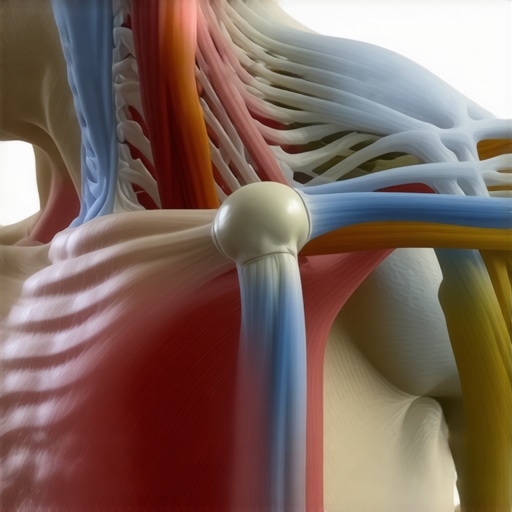
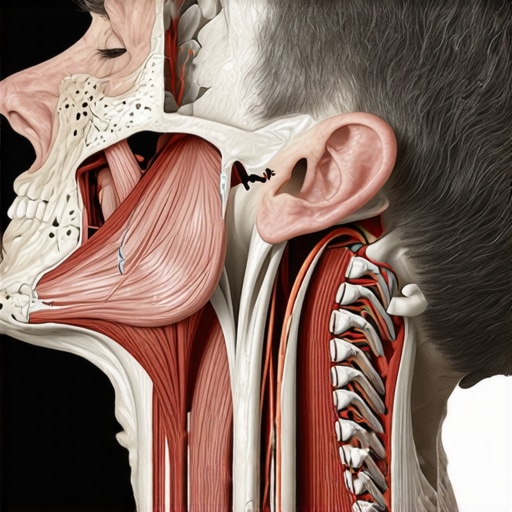
Here’s the truth—your head is actually quite heavy, averaging about 10-12 pounds, but it shouldn’t feel like it’s throbbing with extra weight just because you’re bringing your chin down. This sensation often signals underlying issues with neck muscles, spinal alignment, or nerve health. Early on, I made the mistake of ignoring this heaviness, dismissing it as just postural tiredness. That delay in addressing the root cause only made things worse, leading me straight into constant discomfort and mobility concerns.
Thankfully, through personal experience and honest research, I’ve discovered that this heaviness can be alleviated—without expensive gadgets or endless medications. The key lies in understanding what your body is telling you and making simple, guided adjustments. In this post, I’ll walk you through the **step-by-step solutions** that helped me regain control over my neck health. If you’ve been grappling with this issue, stick around—because what I share here could truly change how you feel every day.
Is Neck Heaviness Actually Worth the Hype? My Early Mistake
When I first started feeling that relentless weight, I thought it was just bad posture or tired muscles. I believed stretching and resting would fix it—boy, was I wrong. I didn’t realize that ignoring the problem could lead to chronic issues, like limited mobility or even nerve impingement. If I had known earlier about common mistakes, like neglecting spinal alignment or not consulting a professional, I might have saved myself months of unnecessary pain. To be transparent, my initial approach was flawed—so if you’re tempted to just ignore this heaviness, remember that prompt, informed action can make all the difference. For trusted strategies, check out [chiropractic secrets to boost neck comfort and function](https://quackersspinal.com/chiropractic-secrets-to-boost-neck-comfort-and-function). Now, let’s get into what really works to relieve that heavy feeling and restore your neck’s natural mobility.
Start With Gentle Neck Movements
Just like warming up before a workout, gentle neck motions prepare your muscles and joints for real relief. Sit upright in a chair with your feet flat on the floor. Slowly tilt your head forward, bringing your chin to your chest, then gently roll your head to the right, then to the left. Repeat this sequence five times each way. During my first attempt, I paused midway and noticed the tension easing slightly, setting the stage for deeper relief. Consistency here is key—you’ll build flexibility and reduce stiffness over time.
Apply Controlled Posture Adjustments
Imagine your neck as a delicate bridge that requires balanced support. Check your workspace; ensure your monitor is at eye level and your shoulders are relaxed. When working on your computer, avoid slouching or craning your neck forward, which exacerbates heaviness. Use ergonomic accessories like lumbar cushions or adjustable stands. One day, I used a stack of books to elevate my laptop, which immediately decreased neck strain, proving small tweaks can have a big impact. Maintaining proper posture prevents additional strain that amplifies heaviness.
Incorporate Targeted Stretching Techniques
Specific stretches can realign muscles and nerves, easing that persistent heaviness. For example, gently side-bending your neck by tilting your ear toward your shoulder can relieve tension. Hold each stretch for 15-20 seconds, breathing deeply. I tried this after hours of desk work and felt a noticeable lightening in my head and neck. Remember, avoid overstretching—gentle, controlled movements are safest and most effective.
Use Heat and Cold Therapy Wisely
Imagine your muscles as rubber bands—you can loosen them with heat or tighten with cold. Applying a warm compress or hot towel to your neck for 15 minutes helps increase blood flow, relax stiff tissues, and reduce heaviness. Alternatively, if inflammation is suspected, cold packs can diminish swelling. I experimented with both and found that alternating between heat and cold, based on discomfort patterns, maximized relief. Proper timing and moderation are crucial to prevent skin irritation.
Engage in Regular Breathing Exercises
Breathing correctly supports neck health by reducing overall tension. Practice diaphragmatic breathing: inhale slowly through your nose, allowing your belly to expand, then exhale fully. This calm breathing reduces nervous system stress, which can intensify muscle tightness. During a stressful day, I paused to breathe deeply, noticing my neck heaviness slightly subsided. Incorporate these exercises into your daily routine—five minutes a few times a day can make a significant difference.
Seek Professional Guidance When Needed
Complex or persistent heaviness may require expert intervention. Chiropractic adjustments or specific therapy sessions can realign your spine and relieve nerve impingements causing distress. I visited a chiropractor who specialized in neck health; after a few sessions, I felt an immediate decrease in heaviness and improved mobility. For assistance tailored to your needs, learn more about chiropractic strategies to enhance neck comfort. Professional help ensures your efforts are safe and effectively targeted toward lasting relief.
Many people believe that neck pain is simply a matter of poor posture or muscle strain that can be corrected with quick fixes like stretching or rest. However, as an expert in spinal health, I’ve seen this misconception lead many astray. A prevalent myth is that chiropractic adjustments are solely about cracking joints for immediate relief—yet, the truth runs much deeper. Chiropractic care involves a nuanced approach that targets underlying spinal misalignments and nervous system health, which are often overlooked by those seeking quick fixes. In fact, relying only on symptom suppression can delay addressing the root causes of chronic neck discomfort and even cause long-term issues.
Why This Trap Can Worsen Your Condition
One common mistake is to assume that any intervention involving ‘cracking’ or ‘clicking’ sounds will resolve persistent problems. This misconception can lead to over-treatment or reliance on temporary solutions, neglecting comprehensive assessments that consider posture habits, ergonomic setups, and lifestyle factors. According to a study published in the Journal of Chiropractic Medicine, personalized, gentle spinal corrections accompanied by lifestyle guidance produce superior long-term outcomes compared to solely symptom-based therapy (source). An ‘Oops’ to watch out for is dismissing the importance of addressing cervical spine stability and nerve health, which are critical in chronic or severe cases.
Another myth is that neck pain will resolve spontaneously or with over-the-counter medication. While NSAIDs can temporarily alleviate pain, they don’t correct structural issues. Moreover, ignoring neck health can contribute to degenerative changes, nerve impingement, and mobility restrictions over time. Advanced mistakes include neglecting to consider the interconnection between neck health and overall spinal integrity, which can be a hidden factor in recurring back pain or headaches. For those interested in optimized recovery strategies, learning about how chiropractic care enhances movement and reduces pain can be transformative (more here).
Understanding these nuances allows you to move beyond superficial fixes and adopt a holistic, evidence-based approach. If you’ve struggled with persistent neck issues, exploring expert insights—like those found in chiropractic insights from top professionals—can open new pathways to lasting relief. Remember, the goal is not just temporary comfort but restoring optimal function and resilience. Have you ever fallen into this trap? Let me know in the comments.
Investing in the Right Tools for Lasting Neck Mobility
Maintaining a healthy neck isn’t just about occasional stretches; it requires the right equipment and practices embedded into your daily routine. Personally, I swear by a high-quality ergonomic cervical pillow, which has been a game-changer for my sleep quality and neck support. Unlike standard pillows, a cervical pillow aligns your neck’s natural curve, reducing strain and preventing the heaviness sensation I once struggled with. When choosing one, look for adjustable lofts and memory foam for personalized comfort—trust me, it makes a noticeable difference.
Another essential tool is a portable foam roller designed specifically for cervical and upper back work. I use mine during short breaks to perform gentle self-mobilization exercises, helping release muscle knots and improve flexibility. These rollers can reach trigger points that traditional stretching often misses. Incorporating this into your morning routine can set a foundation for long-term mobility. Remember, consistency is crucial; a few minutes daily can prevent stiffness and heaviness from creeping back.
Beyond physical tools, leveraging software like posture-tracking apps can reinforce healthy habits. I use an app that sends reminders to check my alignment during long work sessions, helping me avoid slouching or craning forward. These digital nudges hold me accountable and form a vital part of maintaining good spinal health over months and years. As technology advances, expect even smarter solutions to provide real-time biofeedback, making it easier than ever to keep your neck in optimal condition.
How do I maintain neck mobility as I age?
Long-term neck health hinges on proactive maintenance and the right tools. Regularly scheduling chiropractic check-ups can correct subtle misalignments before they cause pain or stiffness. I recommend visiting a chiropractor at least twice a year; especially if you notice any early signs of discomfort. Their expert adjustments, combined with targeted exercises, help sustain mobility and prevent degenerative changes. For more insights on maximizing your spinal health, explore chiropractic secrets to boost neck comfort and function.
In addition, integrating isometric neck strengthening exercises, as outlined in recent biomechanical studies, can stabilize your cervical spine and reduce the risk of injury. Make sure to consult with a professional before starting new routines—precision matters when it comes to spinal health. Lastly, staying mindful of your posture throughout the day, supported by ergonomic furniture, ensures your efforts compound effectively over time.
Future trends suggest a rise in smart, wearable devices that continuously monitor neck posture and muscle activity, providing bespoke feedback. These innovations will make it easier to catch bad habits early and keep your neck functioning smoothly for decades. Why not get ahead of the curve now and incorporate a posture reminder app or wearable into your daily life? Small investments today promise substantial benefits for your mobility tomorrow.
Ready to take your neck health to the next level? Try integrating a cervical foam roller into your daily routine and pay attention to how it improves your range of motion and reduces heaviness. Remember, lasting results come from consistent, informed practices—so start small, stay dedicated, and enjoy the benefits of a pain-free, mobile neck for years to come.
Lessons Learned from Facing Persistent Neck Heaviness
- My biggest eye-opener was realizing that neglecting spinal alignment can turn mild discomfort into chronic pain. Regular check-ups helped me catch misalignments early, saving months of suffering.
- I discovered that not all stretches are created equal; some can worsen the heaviness if done incorrectly. Personalized, gentle movements made the real difference in my journey.
- Understanding the importance of ergonomic posture transformed my daily routine. Small tweaks, like monitor height and chair support, prevented the problem from recurring.
Tools That Made a Difference in My Neck Mobility
- The ergonomic cervical pillow I use now has been transformative—aligning my neck during sleep and reducing morning stiffness.
- A quality cervical foam roller has become my go-to for self-manipulation, releasing muscle knots that contributed to that heaviness.
- Posture-tracking apps remind me to sit properly, making consistent corrections easier and ingraining healthy habits over time.
- Lastly, consulting trusted professionals through resources like chiropractic insights has provided tailored strategies I rely on for lasting relief.
Your Next Step Toward a Lighter, More Mobile Neck—Start Today
Taking control of neck health is a journey worth beginning now. With the right knowledge, tools, and mindset, you can keep that heaviness at bay and enjoy greater mobility and comfort every day. Remember, small consistent actions lead to profound changes. Don’t wait—your neck’s vitality is worth it. How will you incorporate these tips into your routine today? Share your plan below and let’s support each other in this journey to better neck health!