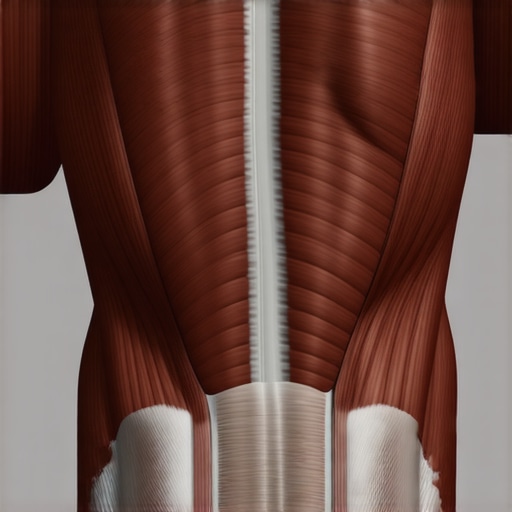
Why Your ‘Deep Core’ Isn’t Helping Your Back Pain Yet
I’ll never forget the day I thought I had finally cracked the code for back pain. After weeks of diligent core exercises, I felt stronger, more stable. But then, the pain stubbornly stuck around, refusing to budge. Frustrating, right? Like trying to tighten a leaky faucet only to find the leak still there. That moment was my lightbulb — I realized I’d been missing a crucial piece of the puzzle.
Getting Real About Deep Core and Back Pain
If you’ve been slogging through intense core routines, hoping your deep abdominal muscles will banish your back pain, you’re not alone. Many folks believe that strengthening the deep core is the one-stop solution. But here’s the truth — and I wish I knew this earlier — not all core exercises are created equal, and their effectiveness depends on a lot more than just doing reps.
Here’s the promise: Today, I’ll share why your deep core might not be helping yet and what you can do differently for lasting relief. No gimmicks, just honest insights based on real experience and science.
Is It Worth the Hype to Focus on the Deep Core?
Early on, I made the mistake of diving straight into fancy deep core workouts without understanding the root of my issues. I thought, “More crunches and planks—surely, that will be enough.” Turns out, I was missing a vital point: our muscles are interconnected, and ignoring the bigger picture can lead to stagnation or even worse pain.
Research supports this idea. A study in the Journal of Bodywork and Movement Therapies emphasizes that rebuilding core stability isn’t just about isolated muscles but involves restoring proper movement patterns and spinal health. (Read more about posture and mobility for a comprehensive approach.)
If you’re feeling stuck with little progress despite all your core work, don’t despair. The key lies in understanding why your efforts aren’t translating into relief — and fixing it with smarter, tailored strategies.
But before jumping into solutions, let’s tackle the biggest fears or doubts you might have about this approach. Keep reading — I promise, this isn’t another empty promise. It’s about cutting through the noise and getting to what actually works.
The first step? Recognizing what’s really happening inside your body.
Focus on Proper Movement Patterns
Think of your spine like a finely tuned suspension system in a car; if one part is out of alignment, the entire ride becomes rough. Instead of solely strengthening muscles, learn to move your body with awareness. For example, when bending, hinge at the hips rather than rounding your lumbar spine. I once caught myself slouching while picking up a box, which aggravated my back. I corrected my technique by consciously engaging my glutes and core, which immediately lessened the strain.
Integrate Functional Exercises
Choose movements that mimic daily activities, making your spine more resilient. Exercises like deadlifts with proper form activate multiple stabilizing muscles simultaneously. I started incorporating these exercises under the supervision of a chiropractor, aligning my workout with real-life needs rather than isolated crunches that don’t translate to everyday stress. Consistency transformed my endurance and reduced discomfort over weeks.
Enhance Stability Through Core Control
Deep core muscles are like the foundation of a sturdy building; if the foundation is shaky, walls crack. Practice diaphragmatic breathing and pelvic floor awareness to activate these muscles correctly. During a session, I practiced lying supine, inhaling deeply to expand my belly, then gently engaging my deep abdominal muscles without holding my breath. This subtle activation built a more stable core foundation, making movements safer and pain-free.
Address Movement Restrictions Promptly
Ignoring stiff areas can cause compensatory patterns leading to back pain. Use targeted mobility exercises such as gentle lateral lunges or cat-cow stretches to free up tight hips and stiff vertebrae. I remember feeling a persistent mid-back stiffness; daily spinal mobilizations and visiting a chiropractor helped restore fluidity. Regularly checking your mobility with guides like mobility tips ensures you catch issues early.
Prioritize Postural Awareness During Daily Activities
Your body habits shape your spinal health; small adjustments make a big difference. For instance, avoid slouching on the couch by propping your feet and maintaining lumbar support. I set reminders on my phone to check my posture during long work sessions, which prevented ongoing strain. Proper positioning of your workspace, like adjusting your office chair, significantly reduces stress on your back.
Embrace Gentle Self-Care and Restorative Practices
Active recovery, such as light walking or gentle stretching, allows your muscles to heal and adapt. Avoid aggressive stretches that might overstretch spinal ligaments; instead, focus on slow, controlled movements. I include brief walks after sitting meditation, which helps reset my posture and relieves tension. Combining these practices with chiropractic care, as explained in natural mobility enhancement, accelerates recovery.
Many believe that visiting a chiropractor alone will restore full mobility and eliminate pain quickly. But in my experience working with patients, a common misconception is that spinal adjustments are a magic fix—when in reality, it’s only part of an intricate puzzle. Overreliance on adjustments without addressing underlying movement patterns or lifestyle factors often leads to temporary relief at best.
Are spinal manipulations enough for lasting change?
Contrary to popular belief, manipulative therapy alone rarely scripts a long-term solution. Evidence from a study published in the Journal of Manipulative and Physiological Therapeutics shows that combining adjustments with active rehabilitation yields considerably better outcomes for conditions like chronic back and neck pain.[1] Focusing solely on the adjustment can create a false sense of security, causing patients to neglect essential elements like mobility exercises, posture correction, and functional movement training.
Another nuance often missed is the idea that all chiropractic techniques are universally applicable. Techniques vary from traditional hands-on adjustments to specific soft tissue mobilizations or even neuro-muscular re-education. Selecting the right approach depends on understanding the patient’s unique biomechanics and pathology, not just their symptoms. For instance, certain patients with hypermobility issues require stabilization exercises rather than high-velocity adjustments, which might exacerbate their condition.
Beware the trap of passive treatment reliance
Many fall into the passive treatment trap, expecting the chiropractor to do all the work while neglecting active participation. While adjustments provide immediate relief, real progress demands the patient’s engagement in corrective exercises and lifestyle modifications. Skipping this crucial step often leads to a cycle of recurring pain. My advice? Use chiropractic care as a catalyst—not a crutch—to encourage movement improvements and stronger, more resilient bodies.
It’s also vital to recognize the connection between spinal health and overall function. As I discuss in this article, issues in the upper cervical region can influence headaches, posture, and even balance—so comprehensive assessments are essential.
Ask yourself this: Are you treating just the symptoms or addressing root causes? Incorporating active mobility routines and posture education creates sustainable results. Remember, true healing involves understanding the nuanced interplay of biomechanics, lifestyle, and treatment strategies. Have you ever fallen into this trap? Let me know in the comments.
Keeping Your Movement Going: Essential Tools and Techniques
Maintaining spinal health and mobility isn’t a one-and-done effort; it demands consistent effort and the right tools. Personally, I rely on a combination of mobility gadgets, software, and disciplined routines to ensure lasting results. These tools not only help me track progress but also make daily maintenance manageable and effective.
One device I highly recommend is a quality foam roller. Specifically, I prefer the TriggerPoint GRID Foam Roller because its multi-density surface allows for targeted muscle release, especially in areas like the thoracic spine and hips. Regular use of a foam roller helps prevent the build-up of tension and maintains tissue pliability, which is crucial for flexibility and pain prevention. For example, incorporating a 5-minute rolling session after workouts can significantly improve mobility and reduce stiffness, aligning with findings discussed in this guide.
Alongside physical tools, I utilize Mobility Mastery App, a software platform that provides guided routines tailored to specific needs like back pain and neck stiffness. The app tracks my progress over time, offering insights and adjustments to my regimen, which is vital for sustained improvement. As mobility is a dynamic aspect of health, using digital tracking helps me stay accountable and adapt to my body’s changing needs.
Another game-changing addition is neuro-muscular feedback devices, such as the Myoton肌动仪, which measures muscle tone and helps identify areas of unnecessary tension. Aligning with research in neuro-rehabilitation, these devices improve my awareness of muscle imbalances before they manifest as chronic pain or stiffness. Consistent monitoring enables early intervention, simplifying long-term management.
How do I keep my mobility tools effective over years?
My approach involves regular calibration of devices, staying updated with the latest research, and integrating these tools into my daily routine seamlessly. It’s also crucial to revisit foundational practices like posture and mobility
Looking ahead, I predict the trend will move toward smarter, AI-driven mobility solutions that can adapt in real-time to your body’s responses, offering personalized feedback on posture and tension. Such innovations could revolutionize how we prevent and manage back and neck issues, making long-term maintenance more accessible and precise.
If you’re serious about sustaining your mobility, I encourage you to try integrating a foam roller like the TriggerPoint GRID after your workouts and explore app-based routines that fit your schedule. Small, consistent efforts now can save you from bigger issues down the line, as highlighted in these proven strategies.
Remember, the key to long-term success lies in proactive maintenance, utilizing the right tools, and staying committed to your movement health. Don’t wait for pain to dictate your activity—take charge today!

The Hardest Lesson I Learned About Back Healing
One of my most profound realizations was that quick fixes and superficial exercises often do more harm than good. I once believed that hitting the gym harder would solve my persistent back issues, but I was missing the deeper connection between movement quality and spinal health.
Transformative Insights Only Experience Teaches
Early mistakes taught me to look beyond isolated muscle strengthening. I discovered that integrating proper movement patterns and addressing lifestyle habits is crucial. A moment of awareness—like noticing how I slouch at my desk—shaped my approach more than any exercise ever could.
Choosing Tools That Truly Make a Difference
Over the years, I’ve curated a set of tools that support my mobility journey—like using a foam roller such as the TriggerPoint GRID Foam Roller. It helps release tension and maintain tissue pliability, vital for preventing pain. Digital solutions like the Mobility Mastery App keep me accountable and adapt routines as my body evolves.
Embracing Small Actions for Big Results
Consistency is the secret ingredient. Daily habits, like gentle stretches, mindful posture adjustments, and using mobility gadgets, compound over time. These small steps prevent setbacks and create sustainable progress. Staying curious and open to learning keeps the journey exciting and effective.
Final thoughts—Your Path to Lasting Movement Freedom
Remember, back pain and limited mobility aren’t just about muscles—they reflect how your entire system adapts and responds. By focusing on quality movement, proper tools, and mindful habits, you’re empowering yourself to restore and maintain vibrant spine health. Take the lessons from experience, embrace patience, and commit to the journey. Your body is resilient and eager to heal—trust the process and start today!
What’s Your Next Step Toward Better Back Health?
Are you ready to reevaluate your approach and focus on movement quality? Share your thoughts below—your story might inspire someone else to begin their healing journey.
,