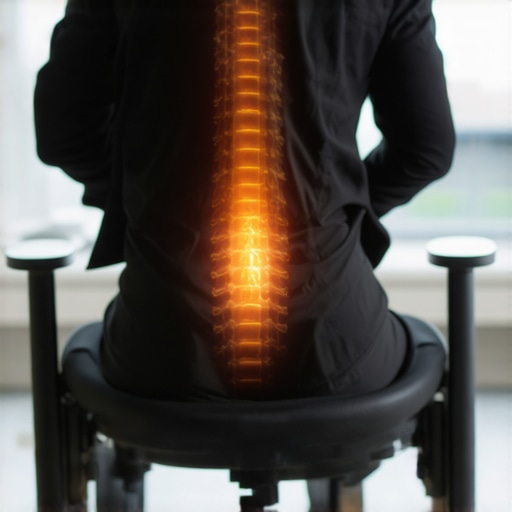
How to shovel snow without a week of back pain
I vividly remember the moment I realized I was in trouble—neck aching, back screaming, and every movement feeling like I was wading through quicksand. It was after a heavy snowstorm, and I had foolishly tackled shoveling the driveway without any proper technique. The next week, I paid dearly, hobbling around like a 90-year-old. That lightbulb moment made me ask, “How can I clear snow without ending up sidelined in pain?\
Prepare Your Body Like a Pro
Before tackling snow, take a few minutes to activate your muscles. Do gentle warm-up stretches targeting your hips, back, and neck—imagine waking up your spine gently. I remember one winter when I skipped this step; I ended up with a stiff back for days. Starting with light movements reduces injury risk and sets you up for better posture during your task.
Master Proper Shoveling Technique
Use Your Legs, Not Your Back
Think of shoveling as a squat, not a bend. Keep your back straight and hinge at the hips, engaging your thighs to lift. When I initially used my back to lift heavy snow, I felt immediate discomfort. Switching to a squat position with a firm core made the difference—notice how your muscles stabilize instead of strain.
Push Rather Than Lift
If possible, push snow instead of lifting it high. Use your body weight to slide snow to the side. I once spent hours lifting snow, and my back paid the price. Pushing requires less effort and minimizes spinal compression, akin to pushing a heavy box instead of picking it up repeatedly. Think of your spine as a flexible straw; keep it aligned and avoid twisting or bending excessively.
Manage Your Posture During and After
Stay Neutral and Symmetrical
Maintain a neutral neck and back position. Avoid twisting or leaning excessively, which can cause muscle imbalance. After shoveling, do gentle cooldown stretches—like a slow bird-dog exercise—to reset your spine. I found that simple spine rotations relieved lingering tension, much like resetting a computer, helping prevent soreness from becoming chronic.
Integrate Movement and Recovery
Throughout the day, incorporate small mobility breaks. Body movements like shoulder rolls, neck tilts, and gentle spinal twists keep your joints healthy. Consider visiting a professional for personalized advice: chiropractic care can improve your spine’s resilience. Remember, proactive movement is a cornerstone of preventing back pain and ensuring your body remains agile, even after heavy labor.

Busting Common Myths About Mobility and Pain
Many believe that stretching alone can resolve chronic back or neck pain, but this oversimplification often leads to frustration. In reality, advanced chiropractic techniques reveal that addressing mobility issues requires a comprehensive approach—sometimes involving strength training, posture correction, and subtle spinal adjustments.
The Dangerous Trap of Sudden, Intense Movements
People frequently push themselves into difficult stretches or exercises expecting quick relief, but this can backfire. Sudden, high-intensity movements, especially without proper warm-up, may exacerbate underlying issues, causing micro-tears or nerve irritation. Recognizing the importance of gentle, controlled movements is vital—think of rehabilitating your spine like tuning an instrument rather than smashing it to fix a tuning peg.
Why does focusing solely on flexibility often fail?
This common misconception overlooks that mobility involves strength, stability, and neural control. Without strengthening the supportive muscles and ensuring proper coordination, increased flexibility can actually weaken your joint support system, raising injury risk. For an in-depth understanding, check resources on how chiropractic care enhances mobility.
The Overlooked Nuance: Posture and Neural Aspects
Many neglect the intricate relationship between posture, nervous system health, and pain. Slight misalignments or sustained poor postures can create a cascade of neural interference, leading to persistent discomfort even when muscles feel loose. This is a nuanced area where advanced techniques like neck pain management methods demonstrate that addressing neural tube irritations can produce lasting improvements.
Common Mistake: Ignoring the Brain’s Role
Many treat back and neck pain as purely mechanical issues, but your brain’s perception of threat or safety plays a significant role. Chronic pain can persist despite structural correction due to central sensitization—where the nervous system becomes hyper-responsive. Techniques that include neuroplasticity approaches, such as gentle movement and cognitive strategies, are gaining recognition as crucial adjuncts.
Understanding this nuanced aspect can prevent futile routines. For further insights, explore chiropractic insights into chronic discomfort.
Have you ever fallen into this trap? Let me know in the comments. Embrace the complexity of your spine health beyond simple stretches and exercises for more sustainable results.
Maintaining your back and neck health over the long term requires more than just occasional stretches; it demands a set of reliable tools and methods that support your mobility journey daily. One of the most effective approaches I’ve personally adopted involves integrating specific equipment like foam rollers, resistance bands, and ergonomic accessories into my routine. For example, I swear by a dense, textured foam roller to release my thoracic spine daily. It helps me maintain flexibility and prevents stiffness from creeping in after sitting for extended periods. I use it just a few minutes each morning, targeting areas where tension tends to accumulate, which aligns with insights from chiropractic techniques that emphasize self-myofascial release for lasting benefits.
Lessons That Defied Conventional Wisdom
One of the biggest surprises was realizing that flexibility without strength can actually worsen spinal stability. I used to chase every new stretch, believing it was the key—only to learn that neural control and muscle coordination play an even bigger role in back health. Another lightbulb moment was understanding that the brain’s perception of threat influences persistent pain, making psychological awareness as vital as physical therapy. Lastly, I discovered that slow, deliberate movements outperform aggressive stretching, echoing the importance of gentle, controlled progress in spinal recovery, much like fine-tuning a musical instrument for optimal performance.
My Must-Have Gear for Mobility Mastery
After experimenting with numerous tools, a few stand out. A dense foam roller became my daily ritual for releasing thoracic tension, inspired by chiropractic self-myofascial release techniques that emphasize consistency. Resistance bands provided functional strength training, reinforcing supportive muscles for long-term stability. Investing in ergonomic accessories like lumbar supports and adjustable chairs has transformed my posture during work and leisure, reducing strain and encouraging proper alignment. Lastly, a reliable yoga mat helps me maintain a gentle movement routine, emphasizing controlled, mindful exercises that complement professional care and boost my confidence in managing spinal health.
Keep Moving Forward: Your Next Step Awaits
Remember, spinal health is a journey, not a destination. By integrating evidence-based practices and personal tools, you can cultivate a resilient, pain-free life. Don’t let misconceptions or fear hold you back—embrace the process, stay patient, and celebrate small victories along the way. Your back and neck deserve this commitment; your future self will thank you for it. Ready to take that first step today? Dive into the resources and tips shared here, and take control of your mobility journey now.