The Best Way to Carry Groceries to Protect Your Discs
I remember the moment vividly—juggling too many grocery bags after a long day, feeling that sudden, sharp twinge in my lower back. It hit me like a ton of bricks. That pain wasn’t just a minor inconvenience; it was a wake-up call. Yet, despite knowing better, I kept repeating the same mistake, thinking that carrying everything at once was the most efficient way. Wrong. Over time, I realized this habit was slowly damaging my discs and compromising my mobility.
Why Proper Grocery Carrying Techniques Save Your Discs
Carrying groceries seems innocent enough, right? But if you’re like I was, you might be unknowingly putting your spine under unnecessary stress. The way we handle these everyday loads can make a world of difference in preventing back pain and maintaining healthy discs. Today, I want to share some proven tips—grounded in my personal experience and backed by chiropractic science—that will help you protect your back while keeping your fridge stocked.
Is Carrying Multiple Bags Actually Worth the Risk?
Many of us have fallen into the trap of hauling bags in each hand or stuffing everything into one shoulder. I used to think balancing weight equally was enough. But I learned early on that asymmetrical loads and improper grip can cause disc compression and muscle strain. I made a common mistake—overloading on one side—that I now know can accelerate disc degeneration. Knowing what I know now, I wish I had adopted better strategies sooner.
As it turns out, poor carrying habits can lead to long-term issues like herniated discs and chronic neck or back pain. According to studies, repetitive strain from improper lifting and carrying can contribute significantly to spinal problems, especially if combined with poor posture during other activities. The key is to minimize uneven load distribution and optimize your posture every time you transport heavy or bulky items.
In the upcoming sections, I’ll guide you through simple, effective techniques to make grocery trips safer and less stressful on your spine. Whether you’re running errands or doing your weekly shopping, these strategies will help you stay mobile, pain-free, and protect your discs for years to come. Ready to learn the tricks that worked for me and can work for you too? Let’s dive in.
Adopt the Proper Lifting Technique Immediately
I recall a weekend when I decided to carry two heavy grocery bags in each hand. My back immediately felt strained—a reminder of how crucial proper technique is. To avoid this, always bend at your hips and knees instead of your waist. Keep your back straight as you squat down, grasp the bags firmly, and lift with your legs, not your back. This mimics the way you would pick up a heavy object off the ground—like a box—and reduces disc compression. Practice this movement a few times in front of a mirror until it becomes second nature.
Balance Load Distribution Actively
One time, I unwittingly carried equal weight in both hands, forgetting that asymmetrical loads can strain the spine unevenly. To prevent this, alternate sides during your shopping if possible. If you have multiple bags, place heavier items closer to your body and distribute weight as evenly as possible. Consider using a backpack for bulkier items—this keeps your load centered and minimizes lateral strain. Remember, distributing weight correctly is like balancing a camera on a tripod—stability prevents unnecessary stress on the discs.
Use Your Core to Support Your Spine
One day, I felt a sharp twinge after lifting without engaging my core muscles. Engage your abdominal muscles before lifting by pulling your belly button inward—think of bracing your midsection like preparing for a gentle punch. This creates intra-abdominal pressure that stabilizes your spine, much like a internal corset. Incorporate quick core activation exercises as part of your routine, which will reinforce your spine during household tasks.
Maintain an Upright and Neutral Spine
I’ve seen many struggle with bending forward during lifts, putting discs at risk. Stand tall with your shoulders back and chest up—visualize elongating your spine as if a string is pulling you upward. When walking or transporting groceries, keep your head aligned over your shoulders, not bent forward. An upright posture distributes load evenly and reduces disc shear forces. Practicing this posture during your shopping trips will not only ease back pain but also improve overall mobility.
Leverage Assistance and Tools
Once, I attempted to carry a large watermelon alone—you can guess the outcome. For heavy or bulky loads, use assistive devices like carts, dollies, or even ask someone to help. Think of it as using a forklift instead of manually lifting heavy pallets—efficiency and safety go hand in hand. If you carry reusable bags, opt for ergonomic ones with padded handles that reduce gripping strain. These practical tools make a significant difference in preserving spinal health over time.
Take Breaks and Plan Your Trips
In my rush to stock up, I often overloaded myself with consecutive trips. When I finally slowed down and took short breaks, I noticed less discomfort. Schedule your shopping to avoid rushing, and take frequent pauses to rest. Imagine your spine as a flexible hose—continuous pressure will cause wear, but brief releases can prolong its integrity. Resting allows your discs to recover momentarily from compression, much like deflating a balloon slightly to prevent overstretching.
Incorporate Post-Trip Recovery Strategies
After unloading, I learned to perform gentle spinal mobility exercises—like spinal twists or cat-cow stretches—to alleviate residual tension. These movements help restore disc hydration and promote circulation. I also recommend a quick mindfulness of your posture, ensuring that you didn’t adopt any awkward positions during your trip. For more detailed strategies, visit this guide on mobility recovery. Making these habits routine can significantly decrease the risk of disc injury and improve your overall back health.
Many individuals believe that back and neck pain are purely mechanical issues—simply a matter of muscles, discs, or posture. However, as an expert in chiropractic care and mobility optimization, I can tell you that this view misses critical nuances. The common myth is that pain always originates from localized injury or misalignment, leading many to seek quick fixes like popping pills or isolated stretches. But the reality is more complex. Chronic pain often involves nervous system sensitization, where the brain amplifies signals of discomfort even when structural issues aren’t significant. This phenomenon explains why some people experience persistent pain despite corrective treatments.
A classic trap many fall into is ignoring the role of the central nervous system in pain perception. For example, stress, emotional trauma, and psychological factors can heighten pain sensitivity, a concept supported by research from the National Institute of Neurological Disorders and Stroke. Recognizing this, I advocate for a holistic approach that includes not just physical adjustments but also mental resilience training and lifestyle modifications.
Advanced approaches emphasize neuroplasticity—the brain’s ability to rewire itself—highlighting that pain is not just a symptom but a perception shaped by neural pathways. Incorporating techniques like mindfulness, controlled breathing, and cognitive behavioral strategies can significantly reduce pain experiences that stubbornly resist traditional therapies.
Beware of the misconception that all pain is fixed by immediate therapy; patience and multi-modal strategies are essential. One common mistake is rushing into aggressive treatment without understanding the underlying neural contributions. Instead, setting realistic expectations and adopting a broader treatment perspective increases the chances of lasting relief.
So, what about the myth that chiropractic adjustments alone can resolve all back or neck pain? While effective for many, they are most powerful when integrated into a comprehensive plan that addresses nervous system health, movement patterns, and lifestyle factors. For deeper insights into strategies that truly restore mobility and reduce pain, check out the [proven chiropractic strategies](https://quackersspinal.com/restore-your-back-mobility-proven-chiropractic-strategies). If you’re tired of temporary fixes, it’s worth exploring how addressing neural sensitization and behavioral habits can unlock long-term mobility.
Have you ever fallen into this trap? Let me know in the comments. Embracing this nuanced understanding transforms how we approach recovery—moving beyond the superficial to true, sustainable health.
Keep It Working with the Right Tools
Maintaining a healthy back and neck isn’t just about exercises and posture awareness—it’s also about leveraging effective tools that support your efforts. Over the years, I’ve identified some specific equipment and techniques that make a tangible difference in my daily routine, and I recommend them for anyone serious about long-term spinal health.
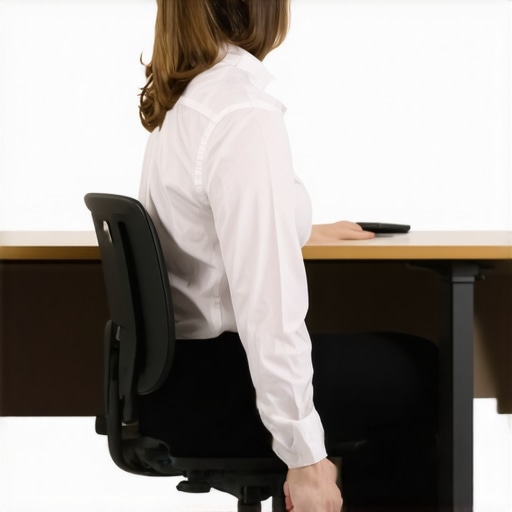
Ergonomic Office Chairs are foundational. I personally use a chair with adjustable lumbar support and seat height, which helps me maintain a neutral spine during long work hours. When I first transitioned to this setup, I noticed immediate relief from neck tension and lower back fatigue. Brands like Herman Miller and Steelcase have models with customizable settings that adapt to your unique body. Remember, investing in quality seating is a long-term investment against pain and mobility issues.
Foam Rollers and Mobility Balls are versatile tools I keep in my home. I use a medium-density foam roller to perform my daily myofascial release routine—targeting muscles like the thoracolumbar fascia which contributes to back pain if overstressed. I also employ a small mobility ball for my thoracic spine, rolling gently to increase flexibility and circulation. These simple devices have helped me prevent stiffness, especially after extended periods of sitting or incorrect lifting.
For neck health, I often use a cervical traction device during my recovery routines. Gentle, controlled traction helps decompress targeted discs and enhances blood flow. It’s particularly effective when combined with my daily stretching routine based on techniques I learned from expert chiropractic strategies. Incorporating these tools consistently has contributed to sustained improvements in mobility and pain prevention.
Anticipating Trends in Spinal Support
Looking ahead, I predict that smart, biofeedback-enabled tools will become commonplace. Devices that monitor your posture in real-time and provide instant feedback will guide you towards healthier habits—much like wearable fitness trackers but tailored for spinal health. Imagine a device that alerts you the moment your hips tilt or your shoulders hunch, allowing immediate correction. This technology will empower us to maintain optimal alignment even during busy workdays or while traveling.
How do I maintain long-term back and neck mobility?
Adopting a routine with specific tools is essential, but consistency is key. Regularly scheduled sessions with self-myofascial release tools, ergonomic assessments, and posture checks form the backbone of my maintenance strategy. I also schedule periodic consults with my chiropractor to ensure alignment and address any emerging issues before they escalate. Developing a daily habit of using these tools can save you years of discomfort and costly treatments down the line. For actionable advice, explore these proven chiropractic strategies.
Start small—integrate a foam roller or adjust your chair—then gradually incorporate more advanced tools. Remember, the goal is to create a sustainable routine that supports your movement and reduces strain. With the right toolkit and disciplined commitment, you can keep your spine functioning optimally for years to come.
My biggest takeaway after years of personal experience and professional practice is that true back and neck health goes far beyond simple stretches or quick fixes. It’s about mastering the subtle details—like engaging your core during everyday tasks, maintaining an upright posture, and harnessing the right tools—that create a foundation for sustained mobility. An eye-opening insight was realizing how much neural sensitization plays into chronic pain, emphasizing that mindset and nervous system health are just as crucial as physical corrections. Incorporating advanced strategies, such as mindfulness combined with chiropractic care, transformed my approach to pain management, helping me rebuild confidence in my movement and reducing reliance on temporary relief.
What I Wish I Knew When I Started
– I underestimated the importance of load distribution and how asymmetrical carrying habits can accelerate disc degeneration. Preventing this requires conscious effort—alternating sides, using ergonomic bags, or employing assistive devices.
– That engaging the core before lifting isn’t just a good idea; it’s essential. Practicing this simple step can save years of discomfort and prevent injuries.
– Posture isn’t about perfection; it’s about consistency. Small daily adjustments, like keeping your shoulders back and neck aligned, compound over time.
– Recovery isn’t passive. Utilizing tools like foam rollers and mobility balls regularly can maintain flexibility and reduce stiffness, especially after long periods of sitting.
– The brain’s perception of pain is complex. Stress and emotional health influence chronic pain, making holistic approaches that include mental resilience just as vital as physical therapy.
Tools That Made a Difference for Me
– Ergonomic office chairs with adjustable lumbar support have been game-changers, ensuring I maintain a healthy spinal curve during work.
– Foam rollers and mobility balls aid in myofascial release, helping prevent stiffness and discomfort.
– Cervical traction devices gently decompress discs in my neck, especially after long hours at the computer.
– Wearable posture monitors provide real-time feedback, helping me correct habits instantly and build awareness over time.
These tools have empowered me to take control of my spinal health daily, and I recommend them to anyone serious about long-term mobility.
Your Next Step Toward a Pain-Free Future
Embracing the nuances of back and neck care transforms pain management from a constant battle into a sustainable lifestyle. By paying attention to the small yet impactful habits, leveraging effective tools, and understanding the neural aspects of pain, you can unlock a future of greater mobility and well-being. The journey might seem challenging at first, but every positive change is a step toward reclaiming your active life.
What small habit will you start today to protect your spine? Let me know below and share your progress—this community thrives on support and shared wisdom.