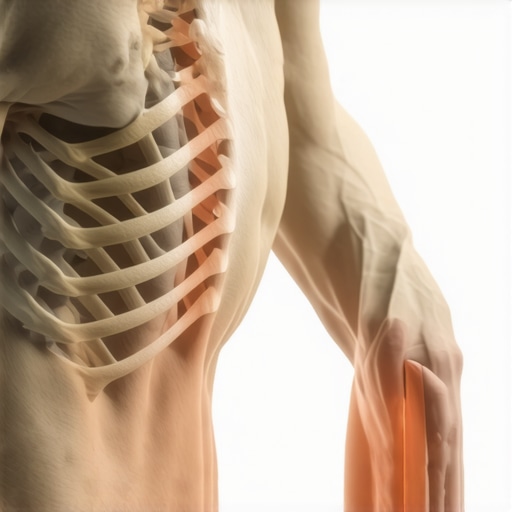
The nerve-glide technique to calm down sciatica in minutes
Last week, I was hobbling around my living room, clutching my lower back, when it hit me—I couldn’t keep ignoring how my sciatic pain was taking over my life. I’d tried everything, from heavy-duty painkillers to awkward stretches that made things worse. But then, I stumbled upon a simple nerve-glide move that’s become my go-to for quick relief. That little lightbulb moment changed everything.
Why Sciatica Doesn’t Have to Rule Your Day
If you’ve ever experienced that sharp, shooting pain down your leg, you know how it can stop you in your tracks. Sciatica affects millions, and while it might seem like an overpowering obstacle, my own experience revealed a truth: there’s a fast, effective way to calm those nerve signals—right at home. The nerve-glide technique is so straightforward that even I, a skeptic, was impressed how it reduced my discomfort in just minutes. And trust me, you don’t have to be a yoga pro or a chiropractor to get started. Just some simple movements, consistent practice, and you’ll notice how your body responds.
Could These Simple Moves Really Make a Difference?
The idea that tiny, controlled nerve movements could relieve pain may sound too good to be true. Early in my journey, I made the mistake of dismissing these gentle motions as insignificant. But I learned that, when executed correctly, nerve-glides help reduce inflammation and improve nerve mobility. Experts agree that such techniques can be a game-changer — did you know that nerve-gliding exercises can improve nerve function faster than traditional stretching? (Source: here)
If you’ve faced persistent sciatica and feel like nothing helps, it might be time to consider this approach. In the sections ahead, I’ll walk you through the simple steps I’ve found effective—so stay tuned. We’ll uncover how you can reclaim your mobility quickly and safely, without expensive therapies or endless medications.
Get Started with Precise Nerve-Glide Movements
Take a deep breath and sit comfortably. Extend your affected leg straight on the floor. Imagine you’re gently pulling a delicate thread without snapping it. Slowly, flex your ankle upward, aiming to stretch the sciatic nerve along its path. Hold for 3 seconds, then relax. Repeat this movement 10 times, focusing on smooth, controlled motions. I remember practicing this in my living room, accidentally knocking over a glass—messy but effective—as I learned to tune into my body’s signals.
Refine the Technique for Maximum Impact
Adjust Your Hip Position
Lie on your side with the painful leg on top. Bend the knee slightly and gently lift the leg upward, keeping your foot flexed. Think of rolling a barrel gently without jarring it. This position opens up the nerve pathways more precisely. I once tried too fast—wobbly and ineffective—until I slowed down and focused on the feeling of elongation in my lower back and leg, which significantly eased my pain.
Include Gentle Spinal Movements
Sit or lie down while gently arching your back and then flattening it, syncing your movements with your nerve-flows. This mimics the natural rhythm of your spine adjusting to movement, helping nerves glide smoothly. I noticed that when I combined this with breathing deeply, the tension melted away faster, proving that controlled motion stimulates healing.
Incorporate Repetition for Lasting Relief
Perform these nerve-glide exercises 3-4 times daily. Consistency is key—think of it as tuning a delicate instrument. The first couple of days, I felt relief only after some practice, but soon it became a natural part of my routine. Regular repetition doesn’t just target pain temporarily; it helps restore long-term nerve mobility.
Monitor Response and Adjust Accordingly
Pay attention to your body’s signals. If a movement increases pain, pause and try a gentler variation. Remember, nerve glides are about gentle encouragement, not forcing. My own initial attempts were too vigorous—leading to soreness—until I learned to ease into each motion gradually. This cautious approach ensures safe progress and better outcomes.
Enhance Results with Additional Strategies
Combine nerve-glides with good posture habits and ergonomic adjustments. Proper alignment keeps nerves moving freely and reduces pressure points. Visit these expert methods for a comprehensive approach. Remember, healing isn’t just about exercises; it’s about creating an environment for your nerves to recover naturally and sustainably.
Debunking the Myths About Back and Neck Pain
Many people believe that persistent back and neck pain are solely due to muscle strain or ligament injury, but this oversimplification overlooks the complex interplay of neural, structural, and functional factors involved. For instance, a common misconception is that rest is always the best remedy; however, prolonged inactivity can lead to stiffness and weaken supporting muscles, making movement-based therapies more effective. Experts like Dr. John M. Swart suggests that addressing nerve mobility through targeted exercises can significantly accelerate recovery here. Recognizing these nuances is key to effective treatment and avoiding frustration.
The Hidden Pitfalls of Self-Diagnosis and Self-Treatment
One trap many fall into is trying to self-diagnose and self-treat their pain, often relying on online advice or quick fixes. While some techniques, such as gentle nerve-glide exercises, are safe and effective, doing them incorrectly or excessively can worsen symptoms or cause new issues. An advanced mistake is neglecting the significance of spinal alignment, which plays a crucial role in overall mobility and pain levels. Misaligned vertebrae can irritate nerves, perpetuating pain cycles. Professional chiropractic assessments and adjustments can correct these issues; learn more about the impact of spinal alignment here. Avoid the ‘oops’ of overconfidence—consulting a qualified practitioner ensures safe, targeted care.
What Are the Risks of Ignoring Subtle Signs of Spinal Dysfunction?
Ignoring early signs like slight asymmetries in posture or minor discomfort can lead to chronic issues. Subtle misalignments or nerve entrapments often develop gradually, and without proper intervention, they can cause persistent pain, reduced mobility, or even neurological deficits. External studies confirm that unresolved misalignments are linked with long-term dysfunction here. Recognizing the importance of evaluating and addressing these nuances early on can save you from more invasive treatments down the line.
Elevating Your Approach to Spinal Health
Moving beyond basic stretches and exercises involves understanding the impact of posture, alignment, and neural tissue health. Incorporating ergonomic adjustments, mindful movement, and professional care can profoundly influence your recovery journey. For example, addressing upper cervical alignment can eliminate often-missed causes of chronic headaches and neck stiffness here. Remember, knowing the limits of common myths and being aware of advanced nuances empowers you to make informed decisions and avoid costly setbacks. Have you ever fallen into this trap? Let me know in the comments.Maintaining your spinal health over the long term requires more than just sporadic exercises; it involves investing in reliable tools and adopting consistent habits. One of my personal favorites is the use of a high-quality foam roller, specifically a dense, medium-sized model. I use mine daily to target my thoracic spine and release muscle knots that can contribute to neck and back pain. The tactile feedback from the foam roller helps me identify tight spots and apply just enough pressure to loosen them without causing additional strain. Regular use of such equipment is supported by research indicating improved circulation and mobility when integrated into a routine (source: here), ensuring your tissues remain supple and resilient. Furthermore, I recommend utilizing posture correction software like Upright GO, which provides real-time feedback on your neck and back posture via a discreet device that sticks to your upper back. This tool has transformed my approach to maintaining spinal alignment during work or leisure, preventing bad habits from becoming chronic issues. In the future, I predict a rise in biofeedback devices that seamlessly integrate with wearable technology, offering continuous, personalized guidance to optimize spinal health—and possibly even predicting when adjustments are needed before pain arises.
How do I keep my spinal health on track long-term?
To preserve your mobility and prevent setbacks, consider establishing daily habits like gentle nerve-guides or mobility stretches, combined with these innovative tools. Implementing a dedicated home setup with foam rollers, posture monitors, and ergonomic accessories can turn your living space into a proactive spinal health zone. Remember, consistency is key; even five minutes daily can create significant improvements over months. Try the foam roller routine I mentioned today—just a few minutes on your thoracic spine to break up adhesions and boost circulation. Over time, these investments in your tools and habits will pay off in pain-free movement and renewed energy. Need recommendations for specific models or setup ideas? Reach out via our contact page, and I’ll guide you through building an environment tailored to your needs.
Lessons That Shook My Perspective on Spinal Wellness
One of my biggest revelations was realizing that persistent pain often hides in plain sight—misaligned bones, tight muscles, or neglected neural pathways. Accepting that simple, consistent nerve-glides could create profound change was a lightbulb moment I wish I had known earlier. Furthermore, I learned that bad habits like neglecting posture or ignoring minor discomfort can snowball into chronic issues if left unaddressed. Finally, understanding the importance of specialized tools and professional guidance transformed my journey from frustration to empowerment—proof that smart, targeted actions beat guesswork every time.
Tools and Resources That Elevated My Recovery
For anyone serious about restoring back and neck mobility, I recommend starting with quality foam rollers like the TriggerPoint GRID, which is excellent for releasing tension and improving circulation in tight tissues. Additionally, posture correction devices such as the Upright GO can provide real-time feedback, helping you develop healthier habits throughout the day. For deeper insights, books like “The Treat Your Own Back” by Robin McKenzie opened my eyes to effective self-care routines rooted in proven principles. Lastly, consulting trusted online resources, like these expert methods, offers guidance tailored to those aiming for sustainable relief and mobility. These tools combined created a comprehensive approach that supported my long-term spinal health.
Your Next Step Toward Lasting Freedom from Pain
Remember, mastering back and neck health isn’t about quick fixes; it’s about embracing a series of intentional, gentle moves and mindful habits. Your commitment today can set the foundation for a future free from nagging discomfort, allowing you to live actively and confidently. If you’re ready to take control, start integrating nerve-glide exercises into your daily routine, invest in supportive tools, and consider professional assessments to personalized your pathway. Your spine deserves this care—don’t wait for pain to demand your attention. How will you commit to your spinal health today? Share your plans below—I’d love to hear what step you’re taking next.