How a Tilted Pelvis Affects Your Running Mechanics
Ever felt that dull ache in your lower back after a long run, or perhaps noticed your hips don’t feel quite level during your workout? That was me not too long ago, stumbling through a run feeling off, only to realize my pelvis was tilted, throwing my entire mechanics into chaos. It was a lightbulb moment—one that changed how I approach my training and recovery.
If Your Pelvis Is Out of Alignment, Your Running Is Suffering
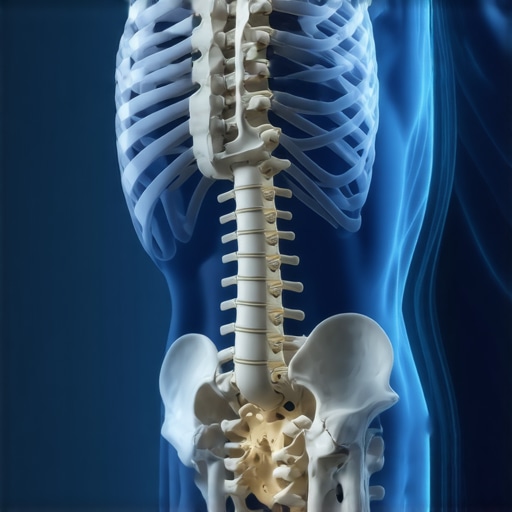
When I finally got professional help and learned about pelvic tilt, I understood how this subtle misalignment can sabotage your performance and lead to persistent pain. A tilted pelvis isn’t just a minor issue; it can cause uneven stride, increase wear and tear, and even contribute to other problems like knee pain or hip discomfort. It’s a sneaky exploit that often goes unnoticed until it manifests as discomfort or injury.
Addressing this problem has become a priority for me, and I want to share what I’ve learned. Today, we’re going to dive into how a tilted pelvis affects your running mechanics, why it’s more common than you think, and the first steps you can take to correct it. If you’re tired of feeling off during your runs or battling nagging aches that won’t quit, stick around—there’s hope.
Is Correcting Pelvic Tilt Really Worth the Effort?
Early in my journey, I made the mistake of assuming I could just push through the discomfort. That was a costly error. I underestimated how much alignment impacts function and recovery. Research shows that proper pelvic alignment can significantly improve mobility and reduce pain, emphasizing the importance of proactive steps. For a comprehensive overview, check out this excellent guide on posture and mobility. By understanding the root cause, you can avoid symptomatic fixes and get to the real solution.
In the upcoming sections, I’ll walk you through simple yet effective strategies that helped me re-align my pelvis and get back to feeling strong and steady on my runs. So, if you’ve ever experienced that unsettling feeling of imbalance or persistent discomfort, know that you’re not alone—and that relief is within reach.
Identify Your Pelvic Misalignment
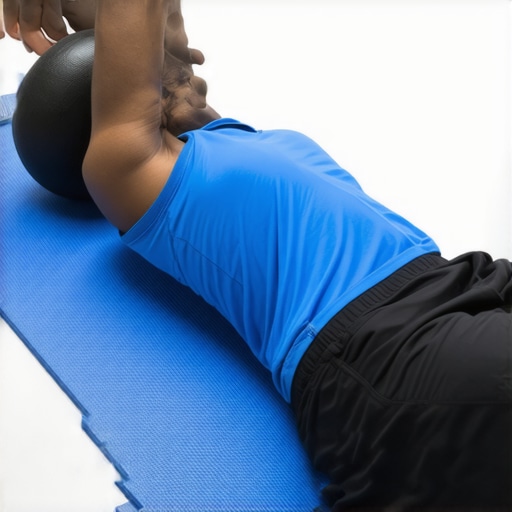
The first actionable step is to assess whether your pelvis is tilted. Lie on your back with knees bent and feet flat on the floor. Place a ruler or a smartphone level on your pelvis to check for unevenness. During my own assessment, I noticed one side of my pelvis was higher than the other, confirming my suspicion of tilt. This simple test can reveal subtle imbalances that affect your gait and cause discomfort.
Activate and Strengthen Key Muscles
Focus on the Glutes and Core
Weak glute muscles often contribute to anterior pelvic tilt. Incorporate exercises like bridge lifts—lying on your back, lifting hips toward the ceiling—and the bird-dog pose, which strengthens your lower back and abdominals. I started doing 3 sets of 10 bridges daily, which gradually engaged my glutes better and reduced tilt over time. Consistent activation of these muscles helps restore alignment.
Stretch Tight Hip Flexors and Hamstrings
Tight hip flexors pull your pelvis forward, exacerbating tilt. Stretch them with lunges or the kneeling hip flexor stretch, holding each for 30 seconds. Similarly, tight hamstrings can pull the pelvis backward, so gentle forward bends help loosen these muscles. After incorporating these stretches, I felt a noticeable reduction in pelvic tension, aiding better posture during runs.
Implement Postural Awareness and Daily Habits
Mindful habits reinforce your corrective exercises. Throughout the day, remind yourself to sit and stand with a neutral pelvis—imagine a gentle scoop in your lower abdomen and avoid anterior tilt. I set alarms every 30 minutes on my phone to check my posture, which over weeks retrained my body to maintain proper alignment even during long runs or desk work.
Progressively Re-Align with Manual Therapy
If self-assessment indicates persistent imbalance, seek professional help. A chiropractor can perform targeted adjustments to correct pelvic misalignment. My own experience with a gentle pelvic adjustment significantly improved my mobility and reduced lingering aches, making my runs smoother. For sustained benefits, combine adjustments with chiropractic hacks and mobility exercises.
Incorporate Dynamic Movement Drills
Active movement promotes stability. Try pelvic tilts, leg swings, and side lunges to encourage proper movement patterns. When I added a daily 5-minute dynamic warm-up focusing on hip mobility, I experienced less fatigue and discomfort during longer runs. Regularly challenging your pelvis with controlled, dynamic movements helps cement correct mechanics.
Monitor and Adjust Over Time
Reassess your pelvic position periodically. Use mirrors or record yourself walking or running to observe alignment. Small adjustments and consistent effort will gradually improve your pelvis’s position. Remember, corrections take time—persist, and your running will become more efficient and pain-free.
Many assume that chiropractic adjustments are a one-size-fits-all solution for back and neck pain, but this oversimplification overlooks crucial nuances. While adjustments can provide quick relief, relying solely on them without understanding the underlying causes often results in repeated issues. For instance, some practitioners focus only on symptom suppression, neglecting the importance of lifestyle factors, muscle imbalances, and movement patterns that perpetuate pain. This approach is a common misconception; true long-term relief requires an integrated strategy that includes education, strengthening, and mobility work.
Another trap many fall into is believing that pain is always linked to a spinal misalignment needing correction. In fact, research indicates that abnormal imaging findings are often present in asymptomatic individuals, meaning misalignments don’t necessarily cause pain. This highlights the need for a comprehensive assessment rather than a narrow focus on spinal adjustments alone. For more insights on a holistic approach, visit this comprehensive guide.
An advanced misconception involves the belief that mobility exercises are inherently risky for those with back pain. In reality, tailored mobility drills, when performed correctly, can enhance tissue health and restore optimal movement patterns. Avoiding movement due to fear of exacerbating pain often leads to stiffness and further dysfunction. Incorporate gentle, controlled movements to maintain flexibility and support healing. For detailed strategies, see this resource.
What about the idea that chiropractic care is just about cracking joints? It’s a common myth. Effective care involves much more—targeted soft tissue work, ergonomic advice, and movement retraining, which can significantly boost recovery and prevent future issues. A good chiropractor acts as a partner in your health journey, not just a technician. To explore more about comprehensive treatment options, check this article.
Navigating these misconceptions requires an understanding that back health is multifaceted. Avoid falling into the trap of quick fixes or oversimplifications; instead, embrace a detailed, individualized plan. Share your experiences or questions below—have you ever fallen into this trap? Let me know in the comments.
Achieving long-term relief and optimal mobility isn’t just about doing exercises once and forgetting about them. It requires a strategic approach using effective tools and routines to keep your back and neck functioning at their best. Over the years, I’ve found that integrating specific equipment and software into my daily habits has made a significant difference in maintaining results and preventing setbacks.
Essential Tools for Long-Term Back and Neck Care
One of the biggest game-changers in my routine has been the use of a high-quality foam roller. I personally prefer a medium-density roller because it provides enough pressure to loosen tight muscles without causing discomfort. Regularly rolling my thoracic spine and hips helps prevent stiffness and keeps my mobility fluid. For detailed guidance on foam rolling specific areas, check out this resource.
Another indispensable tool is a resistance band set designed for mobility drills. I use them to perform gentle resistance stretches for my shoulders, hips, and pelvis, which reinforce the corrective exercises learned during chiropractic sessions. These help me sustain proper alignment and avoid muscular imbalances that often creep in with a sedentary lifestyle.
Leverage Technology for Posture and Mobility Monitoring
Modern software applications have become a cornerstone in my maintenance routine. I utilize posture tracking apps that use your smartphone camera to analyze spinal and neck alignment throughout the day. This real-time feedback acts as a self-corrective cue, helping me stay mindful of my posture whether I’m working or resting. Over time, these digital prompts train my body to default to better habits, reducing the likelihood of misalignments returning. For similar insights on long-term mobility maintenance, visit this guide.
Why Consistency Outweighs Quick Fixes
Using these tools consistently leads to sustained improvements. It’s tempting to look for rapid fixes like instant chiropractic adjustments, but true long-term results stem from regular reinforcement of good habits, supported by the right equipment. Just as professional climatologists utilize precise measurement tools to predict changes in climate, leveraging specific, targeted tools for your back health provides the data and support needed for lasting change.
Moving forward, I expect this trend to evolve with smarter wearable tech that can monitor spinal dynamics and provide immediate feedback. Such innovations will make maintaining optimal posture even more intuitive and personalized, reducing dependency on external assessments alone.
How Do I Maintain Back and Neck Health Over Time?
One strategy I’ve adopted is scheduling weekly mobility sessions that incorporate foam rolling, resistance band stretches, and posture checks. I also record short videos of my posture during different activities, which helps me identify and correct any tendencies to shift out of alignment. Remember, the goal is to build a habit of proactive care—think of it as routine maintenance that keeps your vehicle running smoothly for years to come.
If you’re serious about preserving your mobility and preventing future pain, I recommend trying a comprehensive approach that combines physical tools with digital monitoring. For an advanced tip, incorporate a daily 2-minute posture awareness drill using your smartphone to assess your alignment—it’s simple, effective, and scalable as part of your daily routine. For more expert insights on sustained back health, explore this article.
Over the course of my journey with back pain and mobility, I’ve uncovered a few hard-earned lessons that go beyond the typical advice. These insights have reshaped my approach to health, emphasizing that true recovery often lies in understanding the nuanced dance of muscles, alignment, and daily habits.
What I Realized About the Hidden Roots of Pain
- Misalignment Is Almost Never Just About the Spine. I used to think chiropractors only fixed backs, but I learned that pelvic tilts and muscle imbalances subtly undermine more than just pain—they affect every step and movement. Recognizing these interconnected factors is crucial for lasting relief.
- Consistency Trumps Quick Fixes. Whether it’s daily stretches, posture checks, or strength training, small, regular actions outperform sporadic treatments. My breakthrough came when I committed to a routine, understanding that healing compounds over time.
- The Power of Mindful Movement. Moving with awareness—listening to my body during exercises—helped me identify patterns that sabotage my alignment. This mindfulness transformed my rehab from a chore into a journey of self-discovery.
- Knowledge Is a Tool for Empowerment. Deepening my understanding of biomechanics through credible resources like this comprehensive guide allowed me to make informed decisions, turning passive treatment into active self-care.
Tools That Made a Difference in My Recovery
- Foam Rollers and Resistance Bands. These inexpensive but effective tools helped me release tension and strengthen muscles, supporting proper pelvic alignment. I trust these simple hacks for sustained mobility.
- Posture-Tracking Apps. Using technology to monitor my alignment in real-time kept me honest and aware, fostering habits that prevent regressions. Apps like this are game-changers for ongoing self-assessment.
- Educational Content. Books and expert articles deepened my insights. For a solid foundation, I recommend this resource for mobility strategies that truly work.
Step Into Your Power and Take Action
The road to better back health is built on small, deliberate steps. Embrace consistent movement, educate yourself on your body’s mechanics, and leverage simple tools to support your progress. Remember, mastering pelvic alignment is less about obsession and more about gentle, persistent attention. Your better, pain-free future starts today—so why wait? Dive in, experiment, and find what works for you. How have you been managing your back and neck health? Share your story or questions below—your experience might inspire someone else to take that crucial first step.