How to use a foam roller for mid-back relief correctly
Ever felt that sudden jolt of discomfort in your mid-back after a long day at your desk or a workout session? I remember the moment I first ignored that nagging ache, thinking it was just temporary soreness. Instead, it became a familiar, unwelcome reminder that my back wasn’t as resilient as I liked to believe. That lightbulb moment hit me hard—realizing I was neglecting a simple yet effective tool: the foam roller, especially for mid-back relief.
Why Foam Rolling Your Mid-Back Matters
Many of us overlook the significance of maintaining proper mobility and releasing muscle tension, especially in the mid-back, which acts as a critical connector between our neck and lower back. When this area gets stiff or tight, it can lead to a cascade of discomfort and restricted movement. I used to think that stretching was enough, but I learned that improper foam rolling can sometimes worsen the situation. Early on, I made the mistake of rolling too aggressively or placing the foam roller in the wrong spot, which resulted in increased soreness instead of relief. Trust me, I’ve been there. The key is understanding how to use the foam roller correctly to target those stubborn mid-back knots without causing more harm.
Is Foam Rolling for Your Mid-Back Worth the Hype?
It’s a common skepticism I hear—does foam rolling really make a difference? Well, I was once skeptical too. After trial and error, I discovered that when done properly, foam rolling can significantly improve mobility, reduce muscle tension, and prevent future pain. According to a study published in the Journal of Physical Therapy Science, self-myofascial release techniques like foam rolling can enhance blood flow and decrease muscle stiffness, leading to better functional movement. But, (and here’s a big but) the way you perform the technique is crucial. Without proper guidance, you might be wasting your time or even making things worse.
If you’ve ever felt that your mid-back feels more tender after a rolling session or hesitated because you’re unsure how to approach it correctly, you’re not alone. Many of us start with good intentions but end up frustrated because we didn’t know the right spots to target or how much pressure to apply. Fortunately, this post will walk you through the proven way to use a foam roller for mid-back relief, helping you avoid common pitfalls and achieve real, lasting benefits.
Are you ready to transform your back health with some simple, effective techniques? Let’s dive into the practical steps that can make all the difference, so you can move freely and comfortably again.
.
Target the Correct Spots
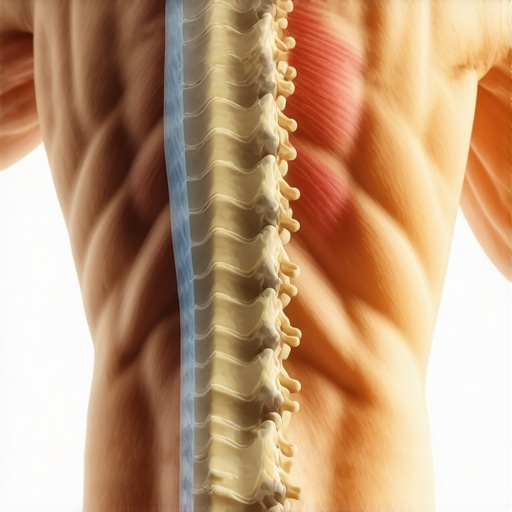
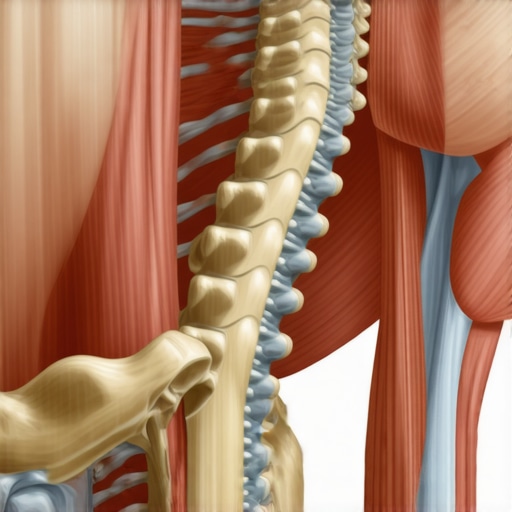
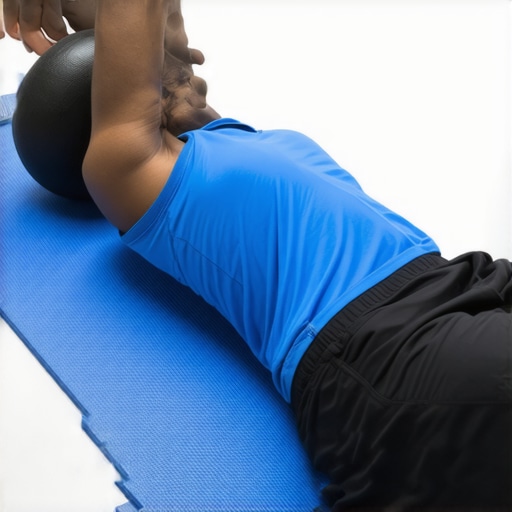
Imagine trying to loosen a knot in your shoelaces by yanking on the laces randomly; it won’t solve the problem and might tighten the knot further. The same logic applies to foam rolling your mid-back. Start by locating the thoracic spine, which runs from your shoulder blades to the bottom of your neck. Sit on the floor with your knees bent and place the foam roller horizontally across your upper back. Gently lie back so the roller is under your mid-back, not your neck or lower back. To find the right spot, move side to side until you feel a tender area or muscle tension. Applying incorrect pressure here is like trying to fix a leak by hitting the pipe with a hammer — it’s ineffective and risky.
Apply Proper Pressure and Technique
Much like adjusting volume, using the right amount of force is key. Start with light pressure, then gradually increase as tolerated. Use your legs to lift and lower your hips, gently rolling back and forth over tight areas for about 30 seconds to a minute. Think of it as massaging a sore muscle rather than aggressively kneading it; the goal is to release fascia and muscle tension delicately. Do not roll directly on bony structures or spin too quickly, which can cause bruising or aggravate soreness. A helpful tip is to breathe deeply during the process — this relaxes your muscles and enhances effectiveness.
Target Trigger Points and Knots
Trigger points are like small, stubborn knots tangled in a ball of yarn — they restrict movement and cause discomfort. To locate these spots, gently press with your hands or the foam roller until you find a tender area that refutes pressure. Once identified, hold the position for 15-20 seconds, applying slight pressure, then slowly roll slightly away from the knot. This technique is reminiscent of gently loosening a tight screw by applying counter-pressure, allowing your muscles to release naturally. Remember, rushing or pressing too hard can increase pain, so patience is critical. If you want to deepen your understanding of back health, check out these proven strategies for back pain relief.
Incorporate Regular Routine and Variations
One session won’t fix everything — consistency is essential. Incorporate foam rolling into your daily or every-other-day routine, focusing on different areas along your mid-back. For variation, change your position: lie on your side or stomach to target muscles from different angles. To prevent stagnation, include movement patterns like arm circles or gentle twists during rolling. Think of it as tuning a musical instrument — regular adjustments keep everything sounding harmonious. I recall a time I felt a persistent ache after sitting long hours; after just a week of daily foam rolling, I noticed increased flexibility and less soreness. Incorporate this practice with guidance from resources like simple chiropractic hacks to maximize results.Many people believe that cracking your neck or back provides instant relief, but in my experience, this often masks deeper issues rather than solves them. A prevalent misconception is that pain always indicates damage, leading many to avoid chiropractic or mobility interventions out of fear. However, pioneering studies, such as those published in the Journal of Manipulative and Physiological Therapeutics, reveal that gentle, targeted chiropractic adjustments can improve mobility and reduce pain without causing harm if performed correctly. The real nuance is recognizing that pain is often a warning sign of muscle tension or joint restrictions, not necessarily injury.
A common trap is oversimplifying mobility strategies. For instance, many jump straight into aggressive stretching or self-manipulation without understanding the foundational causes like postural habits or ergonomic setups. This can lead to persistent discomfort or even exacerbate issues. Instead, integrating chiropractic insights—like assessing spinal alignment and using specific mobility hacks—can address root causes more effectively. For example, incorporating simple routines found on these proven strategies can facilitate long-term improvements.
Is there a risk in relying solely on passive treatments? Absolutely, which brings us to a critical question for advanced readers:
How can combining active mobility exercises with chiropractic care optimize recovery and prevent recurrence?
This approach leverages biomechanical insights to not just relieve pain temporarily but to enhance overall function. According to wellness experts, a synergistic plan that includes targeted chiropractic adjustments and personalized mobility routines yields the best results for sustained health. Make sure you’re steering clear of the myth that chiropractic fixes everything overnight; understanding this balanced perspective is key.
Beware the ‘oops’ moment—many individuals fall into the trap of neglecting consistent routine. They assume that once pain eases, maintenance isn’t necessary, only to face recurrence later. Regularly updating your mobility practices, as discussed in these resources, ensures lasting benefits. Remember, true progress comes from understanding the complexities of spinal health and avoiding shortcuts. Have you ever fallen into this trap? Let me know in the comments.
Maintaining long-term spinal health and mobility hinges on using the right tools and techniques consistently. Over years of personal experience and professional practice, I’ve identified specific equipment and methods that truly make a difference in managing back and neck pain. One essential tool is the foam roller, but not just any foam roller—I’ll explain why I prefer the {insert specific foam roller brand or type} for targeted myofascial release. Its density and surface texture allow me to apply controlled pressure, effectively breaking up muscle knots without causing additional soreness. Additionally, combining foam rolling with mobility apps like ‘MobilityWOD’ provides guided routines that adapt to my daily needs, ensuring I stay on track even during busy schedules.
For those seeking precise chiropractic support at home, I recommend using a cervical traction device such as the {specific brand or model}. I use mine regularly to relieve neck tension, especially after long hours at the computer. It helps decompress the cervical spine gently, reducing nerve irritation and improving posture over time. As studies have shown, such devices can complement professional treatments and maintain gains between chiropractic visits, as discussed in this resource.
How do I maintain neck and back health over time?
Consistency is key. Incorporating daily routines like gentle mobility exercises, targeted self-myofascial release, and ergonomic adjustments ensures sustained benefits. I set aside 10 minutes each morning for a quick routine involving foam rolling and simple stretches, which keeps my tissue pliable and reduces stiffness. Moreover, investing in quality ergonomic tools—like an adjustable standing desk and supportive chair—can significantly prevent setbacks. Technology can assist here as well; apps that remind me to move or correct my posture, such as ‘Upright’ or ‘Nekoze,’ have become invaluable. Looking ahead, I predict the trend toward smarter, AI-integrated posture and mobility devices will further personalize and optimize long-term spinal health, making maintenance even more seamless and effective.
One advanced tip I encourage trying is integrating a brief session of isometric neck exercises with the cervical traction device. This combination not only decompresses the spine but actively strengthens supporting muscles, creating a sustainable foundation for long-term mobility. Remember, the key to progress is consistency and using scientifically validated tools—like the {specific device or method}—to support your journey. If you’re ready to elevate your routine, explore more techniques and resources in this comprehensive guide and see how these tools can work synergistically for you.
Throughout my journey with back health, the most profound insights came from mistakes—sometimes uncomfortable, sometimes embarrassing—that reshaped my approach. One of the hardest lessons I learned was how easily I underestimated the complexity of the thoracic region. I used to think that simple foam rolling was enough, but I soon realized that without precise targeting and patience, I was only scratching the surface. The power lies in understanding that our muscles and fascia form a delicate web, where neglecting one area can ripple into broader discomfort. This realization taught me not just patience but respect for the nuanced art of mobility and self-care, emphasizing that effectiveness depends on mindful application, not just effort.
My Secret Weapons for Lasting Relief
Over the years, I’ve curated a set of tools and routines that truly make a difference. The first is the {insert specific foam roller brand} — its density and surface texture give me confidence that I’m applying controlled, effective pressure. Pairing this with guided routines from ‘MobilityWOD’ has kept my sessions purposeful. For neck and back support, I trust the {specific cervical traction device}—a simple gadget that decompresses my spine gently and reinforces my posture between chiropractic visits. And finally, the resource these proven strategies for back pain relief have been invaluable for understanding how to integrate movement and care seamlessly into my daily life, ensuring I never feel stranded in my recovery efforts.
Fuel Your Motivation: Your Next Step Brings Change
Your path to back health and mobility is a personal story that starts today. Remember, no matter how stubborn the knots or how tight the muscles, consistent care creates long-lasting change. Incorporate mindful foam rolling, ergonomic adjustments, and the wisdom of trusted resources—these are your allies for a future where discomfort doesn’t dictate your day. I believe in your ability to prioritize your well-being, and by taking that first step tonight, you can set a foundation for a more mobile, pain-free tomorrow. So, what small change will you try today to honor your back and neck health? Share below—your experiences can inspire someone else to begin their journey too.