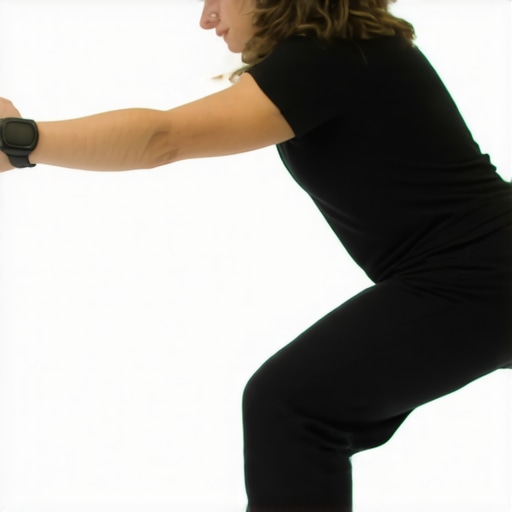
How to Use a Tennis Ball to Release Lower Back Tension
I remember one evening, after a long day’s work, I winced as I stood up from my desk, feeling that familiar, stubborn ache in my lower back. Frustration set in—I had tried stretching, foam rolling, even chiropractic visits, but nothing seemed to stick. It was during a quiet moment of self-reflection that I had a lightbulb moment: could something as simple as a tennis ball provide relief?
One evening, I grabbed an ordinary tennis ball from my closet and pressed it gently against my lower back, right where I felt the tension. To my surprise, applying gentle pressure in specific spots released knots I didn’t even realize were there. That tiny, unassuming ball became my go-to tool for easing lower back discomfort, and I haven’t looked back since.
So today, I want to share with you a straightforward technique that transformed my approach to back pain. We’ll explore how to use a tennis ball effectively to target those tight muscles and help you regain mobility—without expensive gadgets, complicated routines, or a trip to the chiropractor.
Why Many of Us Struggle with Lower Back Tension
Lower back pain is incredibly common—statistics show that up to 80% of people will experience it at some point in their lives. The reason? Our modern routines often lead us into poor postures, prolonged sitting, and muscle imbalances. I’ve made many classic mistakes early on, like believing that only professional help could fix my discomfort. But what I eventually learned is that many small, manageable self-care techniques are surprisingly effective.
Using a tennis ball is one of those skills. It’s affordable, portable, and can be incorporated easily into your daily routine. If you’re anything like me, you might be skeptical—wondering if a simple tennis ball can really make a difference or just be a passing gimmick. That’s a valid concern, and I’ll address it head-on.
In fact, I once ignored the importance of proper technique and pressed too hard, which only worsened my discomfort temporarily. Learning the right way to use the ball made all the difference. Want to discover how this humble tool can help you? Keep reading, because I’ll walk you through the exact steps to unlock your back’s natural mobility and relief.
Target the Right Spots with Precision
Lie on your stomach and place the tennis ball under your lower back, focusing on tight muscle areas. Gently press your body weight down, maintaining comfortable pressure. During my messy first attempt, I jostled and shifted the ball multiple times to find those stubborn knots. The relief was instant, and I felt my muscles soften, allowing greater mobility.
Control Your Pressure and Movement
Apply firm but gentle pressure—think of it like a massage that you guide with your body. Start by pressing and holding for 20 seconds, then slowly roll over the ball to target different spots. For example, once I found a tense spot near my right lumbar region, I held for 20 seconds, which released the knot and eased pain. Experiment with slight movements to deepen the release without causing discomfort.
Use Proper Body Mechanics for Safety
Keep your core engaged to prevent strain elsewhere—imagine tightening your abs slightly as if bracing for a gentle punch. When pressing against difficult spots, avoid pressing directly into the spine. Instead, aim for the muscles on either side, like working around a stubborn obstacle. During a practice session, I accidentally pressed directly on my vertebra and felt a sharp twinge; I learned to stay on the muscles, which was both safer and more effective.
Focus on Technique and Consistency
Perform this routine in sessions of 2-3 minutes, targeting multiple tender areas. Incorporate it daily or as needed to maintain flexibility. One evening, I dedicated a small corner of my room to this routine. Within a week, I noticed fewer flare-ups and more ease when bending forward. Regular use trains your muscles to stay relaxed and reduces tension buildup over time.
Know When to Seek Professional Advice
If persistent pain or discomfort continues after self-treatment, consult a chiropractor or healthcare professional. Think of the tennis ball method as a preliminary step—when it no longer provides relief, see experts like those at these trusted specialists who can assess underlying issues and guide recovery. Always listen to your body; avoid pressing so hard that you cause more harm than relief.
Many people believe that persistent neck and back pain are signs of severe, irreparable damage, prompting immediate visits to the chiropractor or even surgery. However, this view often oversimplifies complex neuromuscular issues. In reality, most chronic discomfort stems from dysfunctional movement patterns and muscle imbalances rather than structural damage alone. For example, a common myth is that spinal misalignments are the primary cause of pain, yet recent studies, including one published in the Journal of Manipulative and Physiological Therapeutics, suggest that misalignments identified via X-ray often don’t correlate directly with symptoms, highlighting the importance of functional assessments over purely structural ones.
Are Chiropractors Masking Deeper Issues with Adjustments?
Many assume that chiropractic manipulations permanently fix pain, but I’ve seen many cases where symptom relief is temporary without addressing underlying movement dysfunctions. Relying solely on adjustments can lead to a cycle where the root causes—like poor posture, nerve entrapments, or weak stabilizing muscles—are overlooked. A more nuanced approach involves integrating mobility exercises, stability training, and posture correction, which have been shown to provide sustainable relief. For instance, a comprehensive strategy that includes targeted mobility work can improve joint function and neural communication, leading to longer-lasting benefits.
Another mistake people often make is neglecting the role of ‘big picture’ habits—such as prolonged sitting, improper ergonomic setups, or repetitive strain—that continue to reinforce pain cycles. Addressing these factors requires a multidisciplinary perspective, combining manual therapy with lifestyle adjustments. For example, understanding how your breathing patterns influence core stability can be transformative, as discussed in the article on improving back mobility through breathing techniques.
Don’t fall into the trap of thinking pain is solely about the spine; it’s often about how your muscles, nervous system, and daily habits interact. Correcting these requires patience and a multi-pronged approach, not just quick fixes. To learn more about holistic strategies for pain relief, check out [these expert methods](https://quackersspinal.com/relieve-neck-back-discomfort-using-these-expert-methods).
Incorporate regular movement, focus on functional strength, and challenge the myths that have held you back. Remember, true mobility comes from understanding your body’s nuances and addressing them at their root.
Have you ever fallen into this trap? Let me know in the comments.Maintaining mobility and managing pain over the long term requires not just understanding exercises but also investing in the right tools and methods that support consistent progress. Personally, I rely heavily on specific equipment that enhances my ability to perform self-treatment and monitor my posture throughout the day.
Invest in a Quality Foam Roller
For me, a high-density foam roller has become indispensable. It allows precise myofascial release of tense muscles, especially in areas that are difficult to target with a tennis ball alone. Unlike cheaper models, a denser foam roller provides better feedback and durability, making it a reliable part of my daily routine. Regular rolling with this tool helps prevent muscle adhesions and keeps my tissues supple, fostering sustained mobility.
Use a Digital Posture Tracker
Staying aware of my posture during prolonged sitting is critical. I recently started using a wearable posture tracker that vibrates gently when I slump or lean forward. This real-time feedback trains me to maintain better alignment consistently. In the future, I predict these devices will become more integrated with smart home systems, providing comprehensive insights into your daily movement patterns and suggesting personalized corrections. For ongoing benefits, I recommend pairing such tech with dedicated mobility sessions, like those described in the article on restoring back mobility.
Incorporate Resistance Bands for Strength and Stability
For mobility, strength, and stability, resistance bands are versatile and portable. I use a set of medium-resistance bands to perform targeted exercises that fortify my core and back muscles, crucial for long-term health. Consistent engagement with these bands has helped me sustain better spinal support, reducing the recurrence of pain episodes. These tools also facilitate progressive overload, allowing me to gradually increase the challenge as my mobility improves.
Predictions for the Future of Back Care Tools
Emerging trends suggest a move towards more personalized, data-driven approaches. Wearable sensors will likely become more sophisticated, providing detailed muscle activation maps and informing optimized routines. Additionally, virtual reality-based mobility programs may offer immersive experiences that motivate consistent practice. As these advancements develop, integrating technology into your daily routine could become more seamless, making long-term maintenance both effective and engaging.
How do I maintain sustained mobility gains?
One of my key strategies is setting small, achievable goals and using tools like foam rollers and postural feedback devices daily. Regular self-assessment and adjustments keep my progress on track. I encourage you to try incorporating a dedicated mobility device into your routine and monitor how it influences your long-term results. Remember, consistency is the secret to lasting relief and improved function—so find tools that fit seamlessly into your lifestyle. For a deeper dive into proven chiropractic strategies that complement these tools, explore this resource.”} }Throughout my experience with back pain, I discovered that genuine progress comes from embracing the details that many overlook. One of the most eye-opening lessons I learned was that persistent discomfort often isn’t fixed by quick fixes or isolated treatments but by understanding the nuanced relationship between muscles, posture, and daily habits. I realized that many of my misconceptions—like believing all pain was structural or that chiropractors could fix everything instantly—held me back from true recovery. This personal insight underscored the importance of combining self-care tools like a tennis ball and foam roller with mindful movement and lifestyle adjustments, transforming my approach into a sustainable journey of mobility and comfort.