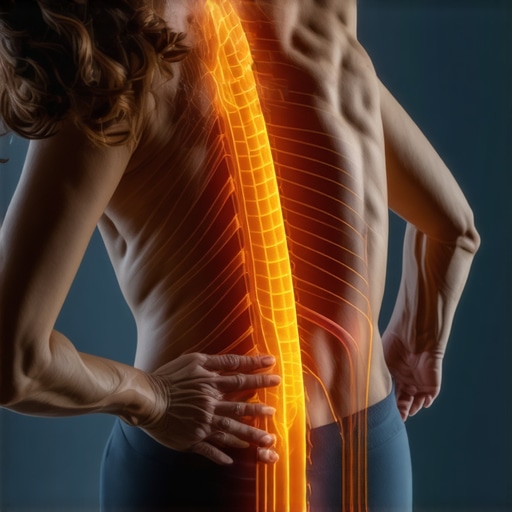
The Truth About Heat Versus Ice for Sudden Back Spasms
I remember the exact moment I felt the sharp, searing pain shoot through my lower back while bending down to pick up a grocery bag. My initial instinct was to reach for a heating pad, thinking warmth would soothe the aching muscles. But as the minutes ticked by, I started wondering—am I doing more harm than good? That lightbulb moment led me down a path of questioning conventional wisdom about back pain relief.
For years, I relied on heat to manage sudden spasms, convinced it would relax tight muscles and promote healing. It was only after experiencing a stubborn back flare-up that I realized I was missing out on a crucial piece of the puzzle. Today, I want to share what I’ve learned about the **truth behind heat versus ice** for these unexpected back injuries—and how to decide which one to use.
Why a Simple Choice Can Make All the Difference
When I first started exploring this topic, I discovered that many people, including myself, fall into the trap of applying heat because it feels comforting. However, in the initial stages of a sudden back spasm, applying ice might actually be more effective. According to recent research, icing can reduce inflammation and swelling, which are often at the root of that intense pain (source: Insights from wellness experts).
Conversely, heat tends to increase blood flow, which can be beneficial for chronic muscle tension but may exacerbate swelling in the early moments after a spasm strikes. Recognizing this distinction is vital—you don’t want to undo your progress by applying heat when your body urgently needs to calm inflammation.
Many of us make the mistake of using heat too soon or failing to switch to ice after the initial swelling subsides. I did this early on, and I paid the price with prolonged discomfort. Trust me—it’s a common mistake that many beginners make when trying to self-manage back injuries.
So, how do you tell whether to use heat or ice? That’s what we’ll unravel in the next section. If you’ve ever wrestled with whether your go-to remedy is actually helping or hindering your recovery, stay tuned. You might be closer to relief than you think!
Is Heat or Ice Really Worth the Hype? You Might Be Surprised
Early on, I believed heat was always the answer. It felt soothing, and it was easy to grab a heating pad from my closet. But this assumption overlooked the importance of understanding the stage of injury I was in. A mistake I made was neglecting to differentiate between the acute phase—where inflammation dominates—and the later stages of healing, which benefit from increased blood flow.
By misapplying heat during the wrong phase, I prolonged my pain and slowed my recovery. That’s when I realized just how crucial timing is when it comes to using heat and ice effectively. It’s not about which is better overall but about which is appropriate at each step of the healing process.
Are you curious to learn the right way to incorporate heat and ice into your back pain management routine? Before we jump into practical tips, I want to invite you to explore [mobility mastery tips](https://quackersspinal.com/mobility-mastery-expert-tips-for-back-pain-prevention-and-recovery) that can help prevent future spasms and improve your overall spinal health.
Identify Your Injury Stage Quickly
When I first experienced a sudden back spasm, I immediately reached for a heating pad, thinking warmth would calm my muscles. But that was a mistake; I hadn’t distinguished the inflammation phase. Recognize that during the initial injury—typically within the first 48 hours—your body is inflamed. This phase signals that applying ice will reduce swelling and numb pain effectively. Remember, icing constricts blood vessels, slowing inflammation, much like sealing a leak in a pipe prevents further flooding. During my own mishap, I learned to switch to ice within the first day, which significantly shortened my discomfort.
Implement the R.I.C.E Method
To put theory into practice, follow the R.I.C.E approach—Rest, Ice, Compression, Elevation. For example, after my last flare-up, I rested for a couple of days, applied ice packs for 20-minute intervals every two hours, wrapped my back with an elastic bandage for compression, and kept my back elevated on a pillow. This method is like putting out a small fire before it spreads — it controls the damage and allows healing to begin. Be consistent: neglecting ice or failing to elevate prolongs the recovery process. This technique works because it accelerates the resolution of inflammation, returning your back to health faster.
Strategic Heat Application for Chronic Tension
Once the initial swelling subsides, usually after 48 hours, applying heat can promote blood flow and flexibility. Think of your muscles like rubber bands: gentle heat makes them more pliable, easing tightness. I use a warm towel or heating pad on my lower back for 15-20 minutes before stretching or doing mobility exercises. This prepares the tissues for movement, preventing stiffness. Avoid using heat during the first 48 hours, as it can increase swelling—it’s like watering a garden during a storm, which only makes the flooding worse. Timing your heat therapy correctly ensures you benefit without setbacks.
Apply Targeted Mobility Drills
Mobility exercises are the cornerstone of regaining function. For instance, I incorporate the hip hinge—like closing a book with my hips—by standing with feet hip-width apart, hinging at the hips while keeping my back straight. This move mimics how you bend to pick something up correctly, engaging the posterior chain muscles and relieving strain. While doing this, I focus on engaging my core and maintaining proper alignment, which acts like a built-in stabilizer. Consistent practice of targeted drills prevents re-injury and enhances flexibility, much like lubricating a squeaky door to keep it sliding smoothly. For detailed routines, explore [mobility mastery tips](https://quackersspinal.com/mobility-mastery-expert-tips-for-back-pain-prevention-and-recovery).
Use Chiropractic Care to Accelerate Recovery
Chiropractic adjustments help align the spine, reducing nerve irritation and restoring function. I once visited a chiropractor after a persistent episode; the precise adjustment felt like pressing the reset button on my back. The process involves gentle manipulations that improve joint mobility and address underlying misalignments—comparable to realigning the wheels of a crooked car to drive straight again. Regular visits can prevent future flare-ups and enhance overall mobility. To learn more about how chiropractic care transforms recovery journeys, check out [back pain recovery](https://quackersspinal.com/back-pain-recovery-how-chiropractic-care-transforms-lives).
Maintain a Consistent Posture Routine
Good posture is the foundation of ongoing relief. During my rehab, I used reminders—like a small sticker on my monitor—to sit upright, with shoulders relaxed and feet flat. Proper positioning takes the strain off your muscles and ligaments, preventing aggravation. Think of your spine as the central support of a tent—keeping it well-aligned ensures the entire structure remains stable. Incorporate ergonomic assessments and adjust your workspace to support this, such as heightening your chair or repositioning your keyboard. Small adjustments, when done consistently, build habits that sustain long-term health.
Monitor Your Progress and Adapt
Track your pain levels and mobility improvements. I kept a journal, noting which exercises eased my discomfort and which aggravated it. This process identifies patterns—like noticing that bending forward worsened pain while standing tall helped my recovery. It’s akin to tuning a musical instrument; small tweaks lead to harmony. If progress stalls, revisit your techniques or consult a professional to refine your approach. Remember, recovery isn’t linear, but consistent adaptation accelerates your return to pain-free movement.
When it comes to back and neck pain, many of us cling to common myths, believing that simple stretches or quick fixes are sufficient. However, as an experienced practitioner, I can tell you that these misconceptions often lead us astray. One trap I see frequently is the over-reliance on generic stretching routines that don’t address the root causes. For instance, many believe that stretching the hamstrings will alleviate lower back pain, but in reality, tight hamstrings are often a symptom, not the cause, of issues stemming from pelvis misalignment or weak core stability. In fact, focusing solely on stretching without considering underlying structural imbalances might even aggravate the problem over time.
Are You Missing the Deep Connection Between Spinal Alignment and Pain?
Many people overlook the intricate relationship between spinal alignment and neurological signals. Misalignments, even minor ones, can disrupt nerve conduction, leading to chronic pain or numbness. Chiropractic adjustments aim to realign the spine, restoring proper nerve function—yet, this isn’t just a quick fix. It requires a comprehensive approach that includes mobility work, posture correction, and load management. A study published in the _Journal of Manipulative and Physiological Therapeutics_ highlights that spinal manipulation combined with exercise yields better long-term results than either approach alone—so, integrating multiple strategies is key.
Another common misconception is that pain always correlates with tissue damage. The brain’s perception of pain is complex, influenced by psychological factors, stress levels, and even emotional health. This explains why some individuals experience persistent pain without clear structural issues on imaging. Recognizing this can prevent unnecessary surgeries or medication. Instead, therapies emphasizing nervous system health, like chiropractic care combined with mindfulness and movement, promote holistic healing.
Beware of the trap of ignoring the importance of proper movement patterns. Repetitive improper movements—such as poor ergonomics or habitual slouching—can engrain faulty motor patterns. These patterns often persist even after the initial injury has healed, leading to recurrent pain episodes. Advanced practitioners focus on neuromuscular retraining: training the body to adopt healthier movement habits. Check out [mobility mastery tips](https://quackersspinal.com/mobility-mastery-expert-tips-for-back-pain-prevention-and-recovery) to learn how to recalibrate your movement strategies effectively.
Finally, consider the myth that pain is purely physical and devoid of emotional influence. Chronic pain is as much an emotional and psychological experience as it is a physical one. Stress, anxiety, and depression can sensitize the nervous system, amplifying perceived pain levels. Integrating emotional health support into your recovery plan can make a significant difference. Psychologically informed chiropractic approaches recognize this connection, offering more comprehensive relief.
Have you ever fallen into this trap? Let me know in the comments. Remember, healing from back and neck pain often requires a nuanced, multi-layered strategy that goes beyond superficial fixes. Dive deeper, stay informed, and prioritize your holistic well-being for lasting relief.Maintaining your back and neck health over time requires the right tools and consistent strategies. I personally rely on a combination of targeted equipment and digital resources to support my mobility. A foam roller, for instance, is essential for my daily mobility routines. I prefer a dense, high-quality foam roller because it effectively releases muscle tension without flattening prematurely, helping me prevent stiffness and pain. I integrate my foam roller with my favorite mobility apps, such as [Mobility Mastery Tips](https://quackersspinal.com/mobility-mastery-expert-tips-for-back-pain-prevention-and-recovery), which provide personalized routines based on my progress, ensuring I stay on track and avoid common pitfalls like neglecting postural habits. Looking ahead, I predict that wearable tech with biofeedback features will become standard in mobility management, giving real-time data to optimize posture and movement dynamics. How do I maintain long-term neck and back health? Consistency is key—by combining smart equipment with expert-developed routines and staying adaptable, I can keep moving freely. Remember, the best tools are ones you actually use regularly, so choose equipment that fits seamlessly into your daily life and reinforces good habits. For instance, I always keep a tennis ball in my bag; it’s perfect for triggering tight spots in my back and hips during the day, preventing pain from lingering. Start by adopting one advanced tip today—use a foam roller precisely at my recommended pressure points as part of your morning routine to activate your fascia. This small change can significantly enhance mobility and reduce pain over time. For ongoing guidance, check out [Revitalize Your Mobility](https://quackersspinal.com/revitalize-your-mobility-proven-strategies-for-back-pain-relief), which offers proven strategies for durable results.
How I Discovered the Power of Timing in Heat and Ice
One of my most eye-opening moments was realizing that applying heat too early could worsen inflammation. Switching to ice during the initial stage significantly cut my pain duration and made recovery faster. This taught me that understanding your injury’s stage can be the key to effective relief.
The Insight That Changed My Approach to Mobility Exercises
I used to believe that stretching was always beneficial. However, I learned that prioritizing gentle mobility drills, like the hip hinge or deep diaphragmatic breaths, directly addressed underlying issues rather than just symptoms. Consistent, targeted movement truly accelerates healing.
Why Skipping Professional Care Might Cost You
I tried to manage my back pain alone, but sooner or later, trained chiropractic interventions proved invaluable. Combining professional adjustments with my daily routines created a synergy that no DIY approach could match—reinforcing that expert guidance can fast-track recovery.
The Surprising Emotional Link to Persistent Pain
I was astonished to find that stress and emotional tension exacerbated my neck discomfort. Recognizing this connection encouraged me to incorporate mindfulness and relaxation techniques alongside physical remedies, leading to more lasting relief.
My Essential Toolkit for Lasting Mobility
Over time, I assembled a set of trusted tools—like a dense foam roller and mobility apps—that support my daily routine. These resources make consistency easier and help me catch and correct misalignments before they escalate, proving that the right equipment and resources are investments in long-term health.
Harnessing Your Mindset for Better Outcomes
Changing my mindset from quick fixes to building sustainable habits transformed my back and neck health. Embracing patience, education, and deliberate practice turned recovery into a journey of empowerment rather than frustration.
What Will You Do Differently Today?
Have you ever caught yourself relying solely on temporary relief methods? Share your experience below, and let’s explore how shifting your approach could lead to genuine, lasting health improvements. Remember, your mobility and comfort are worth the effort—start today!