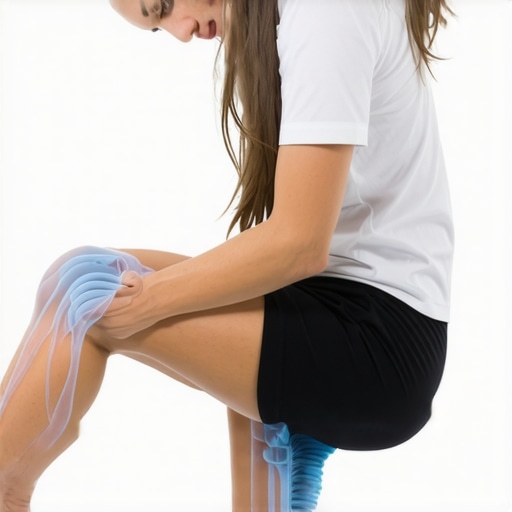
The Single Best Stretch for People Who Work on Laptops
It hit me one day—midway through a long work session, my neck burning, shoulders tense, and an annoying dull ache creeping up my spine. I was staring at my laptop, hunched over like a crushed soda can, dismissing the nagging discomfort as just part of working from home. But that night, I realized something had to change. The lightbulb moment? I discovered that a single, simple stretch could dramatically alleviate my pain and restore my mobility.
The Secret to Standing Tall During Endless Laptop Hours
If you’ve ever found yourself rubbing your neck after hours of typing, or felt that creeping stiffness creeping into your back, you’re not alone. I used to think that ignoring these signals was just part of working at a desk. Turns out, neglecting these warning signs only worsened my discomfort. The breakthrough came when I understood that dedicating even a few minutes to the right stretch could make all the difference.
In today’s post, I promise to share the one best stretch that has personally saved me from daily pain and made my workday more comfortable—and I’ll walk you through exactly how it can do the same for you. This isn’t about complicated routines or expensive gadgets; it’s a straightforward move you can incorporate into your day, every day.
Will a Simple Stretch Really Make a Difference?
I admit, I was skeptical at first. I’d tried countless stretches, ergonomic adjustments, even fancy chairs. But what truly worked was focusing on a specific, overlooked area—your neck’s mobility. Early on, I made the mistake of thinking I needed more complex solutions or professional interventions right away. That’s a mistake many of us make—believing that relief only comes from high-tech fixes. But the truth is, simple, intentional movement often packs the biggest punch.
Research supports this approach, indicating that targeted mobility exercises can significantly reduce neck and back pain, especially for those glued to screens all day. A study published by the National Institutes of Health highlights how small, consistent movements improve posture, decrease muscle tension, and boost circulation. If you’re curious about more comprehensive strategies, check out [these insights from wellness experts](https://quackersspinal.com/neck-back-pain-solutions-insights-from-wellness-experts).
So, grab a comfortable spot and get ready to learn about the stretch that transformed my work routine—from a daily pain to a source of relief. Let’s dive in and reclaim your comfort and mobility.
Start with Proper Preparation
Before you begin, find a quiet, comfortable space where you can sit or stand upright without distractions. Sit on a sturdy chair or stand with your feet shoulder-width apart. Keep your back straight but relaxed, and your shoulders down.
The Step-by-Step Movement
Begin by gently tucking your chin towards your chest, feeling a stretch along the back of your neck. Hold for a count of three, then slowly lift your chin back to normal position. Next, turn your head to one side until you feel a gentle stretch on the opposite side of your neck. Hold for three seconds, then gently rotate to the other side.
Identify any tight spots and breathe deeply into those areas, allowing the muscles to relax. Repeat the sequence at least five times in each direction. Think of this movement as loosening a stiff lock—gradually releasing the tension that has built up over hours at your desk.
Applying the Stretch During Your Day
I remember a time during a hectic afternoon when I was feeling particularly stiff. I paused at my desk, performed this simple stretch for just a minute, and immediately felt relief. My head felt lighter, and the tension in my neck lessened. It was messy—the movement didn’t look perfect—but the benefit was undeniable.
Enhance Effectiveness with Breathing
Focus on slow, deep breaths during each stretch. Inhale as you prepare, and exhale slowly as you hold the stretch. This technique helps relax tense muscles and improves circulation, much like how controlled breathing calms your nervous system, aiding in pain relief.
Why This Movement Works
This stretch targets the main muscles responsible for neck stiffness—trapezius, levator scapulae, and sternocleidomastoid. Think of your neck muscles like springs; over time, they compress and tighten. Gentle elongation with controlled movement restores their length and flexibility, similar to unwinding a tight coil. For a deeper understanding, check out chiropractic tips for neck relief.
Consistency Is Key
Just like brushing your teeth, performing this stretch regularly—ideally several times a day—keeps muscles supple and reduces the likelihood of pain escalating. Incorporate this movement into your routine during breaks, after long meetings, or whenever you feel tension mounting. Remember, small moves added consistently bring lasting results, much like the cumulative effect of simple habits outlined in strategies for back pain relief.
Many assume that pain relief stems solely from quick fixes like popping pills or getting frequent adjustments, but this overlooks the intricate mechanics of our spinal health. A common misconception is that chiropractic care is only necessary during acute episodes, when in reality, ongoing maintenance and understanding nuanced muscle dynamics are crucial for long-term relief. Overlooking these factors can lead to ineffective treatments and even worsening conditions.
One trap to avoid is believing that pain always indicates a structural problem needing invasive intervention. Often, it’s a sign of muscular imbalances or subtle joint dysfunctions that require a more detailed assessment. For instance, intense focus on spinal alignment without considering surrounding tissues can result in incomplete relief or recurrence. For an advanced perspective, experts emphasize that addressing proprioceptive deficits and neuromuscular control plays a pivotal role in managing chronic pain, as supported by a study in the *Journal of Orthopedic & Sports Physical Therapy* (https://pubmed.ncbi.nlm.nih.gov/31539165/).
What Should Be the Focus Beyond Spinal Adjustments?
Looking beyond immediate symptoms, it’s vital to consider the complex interplay between posture, movement patterns, and muscle intelligence. Many individuals neglect the importance of optimizing mobility in joints surrounding the spine, such as hips and shoulders, which act as foundation blocks. Restoring this holistic mobility prevents compensation movements that can lead to pain, a concept deeply explored in [mobility mastery](https://quackersspinal.com/revitalize-your-mobility-proven-strategies-for-back-pain-relief).
Moreover, the nuance of subtle asymmetries often remains unnoticed. Small differences in pelvic tilt or cervical rotation can produce disproportionate discomfort. Recognizing these requires a detailed assessment that goes well beyond self-diagnosis or superficial treatments. Be cautious: relying solely on surface adjustments may give a false sense of correction and delay recovery. Instead, integrating proprioceptive exercises and neuromuscular retraining can yield lasting improvements.
Remember, pain is an invitation to explore and refine your movement landscape, not just a signal to seek immediate relief. Have you ever fallen into this trap? Let me know in the comments. By embracing this nuanced approach, you’ll move toward genuine healing and better mobility.When it comes to maintaining long-term neck and back health, having the right tools can be a game-changer. My personal routine relies on targeted equipment and software that reinforce mobility and align with my chiropractic practices. One indispensable item is a quality foam roller, like the TriggerPoint GRID, which I use daily to release muscle knots and improve my thoracic mobility. I focus on rolling along my upper back and shoulders, as this area often becomes stiff from prolonged sitting. Such self-myofascial release not only alleviates tension but also complements my chiropractic adjustments, enhancing overall results.
In addition to physical tools, I leverage mobility-focused apps like ‘Mobility Mastery.’ This app provides guided routines that help me incorporate dynamic stretches and strengthening exercises into my day. The convenience of having expert-led programs at my fingertips ensures I stay consistent, which is vital for lasting benefits. Adopting technological aids like these is predictive of the trend toward personalized mobility and pain management—making self-care more accessible and effective.
For precise monitoring of my posture and movement patterns, I utilize biofeedback devices such as the Upright GO 2. This wearable gently vibrates if I slouch, promoting awareness and training correct alignment throughout the day. Integrating these devices has helped me develop better habits, reducing the risk of chronic issues reemerging.
How do I maintain consistent mobility and prevent setbacks over time? Regularly scheduled routines, a blend of manual therapy tools, digital guidance, and biofeedback, form my backbone. I also schedule periodic check-ins with my chiropractor, who tailors adjustments based on my progress and challenges. This collaborative approach ensures I adapt my tools and techniques for evolving needs.
Looking ahead, I predict a rising shift toward smart, AI-driven devices that adapt to individual movement patterns and automatically suggest corrective exercises. Staying ahead involves embracing these advancements and integrating them into your daily maintenance routine.
Don’t underestimate the power of a dedicated mobility toolkit. I recommend trying out the foam roller for targeted myofascial release and exploring mobility apps like ‘Mobility Mastery.’ These simple yet effective tools can make a substantial difference in your journey toward pain-free movement. Remember, consistent use—and adapting your tools as you progress—is key to lasting results. Would you like guidance on specific routines or tools? Reach out through my contact page for personalized recommendations or book a consultation to enhance your long-term mobility.Throughout my journey with neck pain and back discomfort, the most profound lessons came from embracing simple yet intentional movements. I realized that rushing to quick fixes often delayed genuine healing, and that patience paired with consistent practice yields the most sustainable results. Recognizing how muscular imbalances and subtle postural habits contribute to pain transformed my approach from reactive to proactive, emphasizing prevention over quick relief. These insights taught me that empowerment lies in understanding your body’s unique needs and respecting its signals, rather than dismissing discomfort as temporary or insignificant.