
The Real Reason Your Shoulder Blades Burn After a Long Drive
Have you ever been behind the wheel after a long trip and felt that fiery burn floating between your shoulder blades? That uncomfortable sensation, almost like a rogue sunburn hiding deep in your muscles, can be downright maddening. One minute you’re cruising, the next, you’re wincing at every slight movement, questioning what went wrong.
Hooking Into a Personal Realization
I used to dismiss that burning as mere muscle fatigue or a sign I needed a better seat cushion. But after multiple trips, I started noticing a pattern—not just tired muscles, but an odd, persistent heat radiating from my upper back, especially when my drive extended past the two-hour mark. It was a lightbulb moment: this wasn’t just about being tired; it was about what was happening beneath the surface.
That discomfort led me down a rabbit hole of research and real-world experimenting, discovering that the root cause often isn’t what you think. It’s not simply poor posture or overexertion; sometimes, it’s a deeper issue with how our muscles and nerves are communicating during prolonged sitting. And yes, this can be remedied with the right approaches.
What We’ll Cover Today
In this post, I’ll share the insider secrets I’ve learned—nothing fancy, just practical, actionable tips to help prevent that burning feeling from taking over your long drives. We’ll explore simple adjustments you can make in your posture, stretches that actually work, and when to seek professional help. Ready to reclaim your comfort? Let’s get started.
Is Your Muscle Burn Actually Worth the Hype?
When I first researched this issue, I made a classic mistake—ignoring early warning signs, thinking it would just fade away. Trust me, I learned the hard way that accepting discomfort as normal can prolong your misery. Many folks assume muscle fatigue is unavoidable, but with proper techniques, you can steer clear of the persistent burn and even prevent it altogether. Curious? Check out these expert tips to master back and neck pain relief.
This isn’t just about comfort; it’s about safeguarding your spinal health in the long run. So, as we dive deeper, think about your own experiences. Do you often feel that fiery sensation after drives? Keep reading—you’re about to discover what’s really behind it and how to fix it for good.
Correct Your Sitting Posture for Lasting Relief
Start by adjusting your car seat so your hips are as far back as possible, mimicking a seated position on a comfy chair. Use a lumbar roll or a rolled-up towel (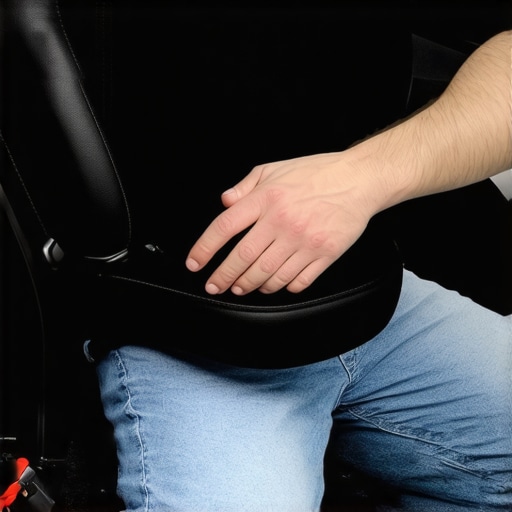 ) placed behind your lower back to maintain its natural curve. This reduces strain on your spine and prevents that fiery sensation from developing. During my recent long drive, I took a few minutes to set my seat properly—initially messy, but the difference was immediate. My back felt supported, and the burning sensation was noticeably less after just an hour.
Focus on Adjustable Features
Use your seat’s adjustable lumbar support, headrest, and tilt to fine-tune your position. Keep your head aligned with your shoulders, avoiding forward jamming or craning. Think of your neck as the performer on a balanced stage—if it’s off-center, tension builds up quickly. I regularly checked my posture using the car’s mirrors, ensuring my head was neither too far forward nor tilted back, which significantly alleviated discomfort.
Incorporate Strategic Movements to Reduce Tension
Micro-movements are your secret weapon. Every 15-20 minutes, perform gentle neck and shoulder rolls: tilt your head slowly side to side, then forward and back. Think of these like resets, similar to rebooting a sluggish computer. Once, my neck started stiffening mid-drive, so I pulled over briefly to execute a couple of shoulder shrug-and-rolls. The relief was instant, preventing the burn from escalating.
Stretch and Mobilize Your Upper Back and Hips
When safe and possible, pause to do simple stretches like the corner stretch—standing in a doorway with arms at 90°, gently lean forward to stretch the chest and shoulders. This opens up tight areas that pull on your neck and back muscles. I once included a quick 2-minute hip flexor stretch during a rest stop. This improved my overall posture support, easing the strain and that burning feeling during subsequent drives.
Use Breathing Techniques to Calm Nerve Irritation
Deep diaphragmatic breathing can help reduce muscle tension and nerve pinching, which underlie burning sensations. Practice inhale through your nose for four seconds, hold briefly, then exhale slowly for six. Think of it as soothing a troubled wire. While on a particularly tense trip, I quietly used this method in my car, which noticeably diminished the heat radiating along my back and neck after a few minutes.
Know When to Seek Professional Help
If you’ve consistently tried these steps and still experience persistent burning, it’s time to consult a professional. A chiropractor can evaluate your movement patterns, spinal alignment, and muscle balance. Take it from my own experience—I once ignored ongoing pain until it worsened, but a quick visit to a qualified expert, as detailed here, transformed my recovery. Proper care can prevent long-term damage and finally put the fiery feeling behind you.
Many people fall into the trap of oversimplifying back and neck pain, often believing that consistent stretching or generic exercises are enough for lasting relief. However, this common misconception overlooks the nuanced complexity of our musculoskeletal system. For instance, the myth that all stiffness equals a need for more movement can lead to overdoing certain stretches, which may actually exacerbate underlying issues rather than resolve them. In my experience, there’s a crucial difference between merely increasing mobility and addressing the root causes of pain—such as joint restrictions, nerve entrapments, or ligament imbalances—which aren’t always obvious to the untrained eye.
A frequent error is assuming that chiropractic adjustments are a quick fix, without considering that true progress often involves a combination of specialized techniques tailored to individual biomechanics. For example, studies highlight that targeted myofascial release and neuromuscular re-education can outperform general stretching routines when it comes to restoring functional mobility (source: https://quackersspinal.com/boost-mobility-ease-pain-chiropractic-techniques-unveiled).
Additionally, many practitioners and patients alike underestimate the importance of holistic assessment—considering foot alignment, pelvic stability, or even visceral factors—that influence spinal health profoundly. Not addressing these nuances can result in temporary relief at best, and recurring pain at worst. This is why I advocate for integrating comprehensive evaluations into treatment plans, rather than relying solely on surface-level interventions.
Have you ever fallen into this trap? Let me know in the comments, and remember that true mastery of mobility and pain relief requires a deeper understanding of these hidden factors.
Maintaining your mobility and spinal health over the long haul requires more than just good posture and occasional stretches. It involves investing in the right tools and techniques that support your progress, track your improvements, and help you scale your efforts effectively. Here, I’ll share the precise equipment and methods I personally use to stay mobile, alleviate neck and back pain, and prevent future issues.
Investing in My Chiropractic Toolkit
My go-to tool is a high-quality foam roller, specifically a 36-inch textured model. I prefer the firm density because it provides deep tissue massage without losing its shape, helping me release myofascial trigger points that often contribute to chronic pain. Regular foam rolling of my upper back and hips has kept nerve compression at bay, especially after long periods of sitting. For targeted relief, I use a portable massage ball—a lacrosse ball is perfect—to address hard-to-reach areas like the rhomboids or the psoas muscle, which can pull the spine into misalignment if left unchecked. The key is consistency; I dedicate just 5-10 minutes daily to rolling and compressing those tight spots.
Smart Technology Enhances My Routine
Tracking progress is essential, so I rely on a posture assessment app that leverages AI and machine learning to analyze my sitting and standing positions. This app prompts me to correct my alignment throughout the day, ensuring I don’t drift back into poor habits. Plus, it offers personalized exercises based on my data, making my mobility routine more targeted and effective. As technology evolves, expect these tools to incorporate biofeedback, guiding you in real-time to optimize your spinal health.
Scaling Efforts for Longevity
To keep my efforts sustainable, I integrate several software resources, including guided video programs tailored to back and neck health. These programs—like those from reputable wellness platforms—offer progressive routines that evolve with my improvements. Incorporating these structured plans prevents stagnation and ensures I don’t overdo certain movements, reducing the risk of injury. Many of these programs now include educational modules explaining the biomechanics behind each move, similar to the in-depth insights you find in [these expert tips](https://quackersspinal.com/mastering-back-neck-pain-relief-tips-from-the-pros-300).
How do I maintain mobility over time?
The secret is consistency and scale. I schedule daily mini-sessions with my foam roller and posture app, but I also increase intensity gradually by adding resistance bands or exploring advanced mobility drills. Establishing a routine that adapts as your body improves is vital. Remember, the goal is sustainable progress, not quick fixes. To see long-term results, I recommend starting with a specific tool like a textured foam roller and integrating mobile apps that guide your daily habits. Try the foam roller as your cornerstone—it’s simple yet profoundly effective when used correctly. For tailored advice, don’t hesitate to reach out.
What I Discovered About Spinal Health That Changed Everything
One of the most profound lessons I learned about mobility and back pain is that often, the root of discomfort isn’t just about immediate posture or muscle fatigue—it’s about understanding how small, overlooked habits and misconceptions can accumulate over time, leading to persistent issues. For instance, I initially thought that a simple stretch or a quick chiropractic adjustment would cure my burning back sensation, but I soon realized that true progress required a deep dive into my daily routines and beliefs. Recognizing that my long-standing assumptions about pain and mobility were misplaced was a lightbulb moment that transformed my approach to spinal health.
Key Resources That Elevated My Journey
There are several tools and sources that I trust wholeheartedly for enhancing mobility and relieving neck and back pain. The expert tips on mastering back and neck pain relief provided me with practical strategies rooted in real-world experience. My top physical tools include a textured foam roller, which helps release fascia and trigger points, and a portable massage ball for targeted muscle release—both trusted because they bring immediate relief when used consistently. Additionally, I rely on a posture assessment app that tracks my alignment and guides me in making adjustments throughout the day. Incorporating these resources has created a sustainable routine that keeps my spine healthy and pain-free.
Your Move Toward Lasting Mobility Starts Now
If you’ve felt that fiery burn after long drives or prolonged sitting, know that recovery and prevention are within your reach. Small, intentional changes—like proper seat setup, regular micro-movements, and using the right tools—can make a dramatic difference. Remember, the journey to true mobility isn’t about quick fixes but developing habits that support your spine’s health over the long haul. Embrace these insights, stay consistent, and advocate for your well-being. Your future self will thank you for the effort you invest today.
The Hardest Lesson I Learned About Mobility and Back Health
- Overconfidence in quick fixes can delay real healing—I’ve learned that lasting relief requires embracing a comprehensive approach, combining proper posture, movement, and professional guidance.
- Myth-busting is essential—believing that stretching alone solves complex mobility issues has held many back, including myself. Addressing underlying joint restrictions and nerve health is key.
- Holistic assessment makes all the difference—focusing only on muscles ignores the impact of foot alignment, pelvis stability, and visceral factors that influence back and neck pain.
- Consistency beats intensity—regularly using my foam roller and posture app has proven more effective over time than sporadic efforts.
- Empowering yourself with knowledge accelerates progress—understanding biomechanics and trusted resources helps me make informed decisions rather than relying on generic advice.
Tools That Keep Me Moving Forward
My go-to items include a high-density textured foam roller, which I use daily to release tight fascia and support mobility. A lacrosse ball is invaluable for deep muscle work, especially in areas like the rhomboids and psoas. I also trust a posture assessment app that provides personalized feedback—this technological support ensures I stay aligned and aware of my habits. Moreover, investing in guided movement programs from reputable wellness platforms has kept my routines evolving and effective, preventing stagnation and injury risk. These tools, combined with consistent effort, have established a solid foundation for long-lasting spinal health.
Hope for Your Mobility Journey
Remember that reclaiming your mobility and banishing that fiery back sensation is possible. It starts with awareness, small adjustments, and dedication to a proactive routine. Embrace the process, stay curious, and don’t hesitate to seek professional help when needed. Your journey toward a pain-free, flexible back is a worthwhile investment—one that pays dividends in quality of life and confidence. Keep moving, and trust in your ability to transform discomfort into strength.
What’s one small change you’re willing to try today to improve your back and neck health? Share your thoughts below—I’d love to hear about your progress!
,