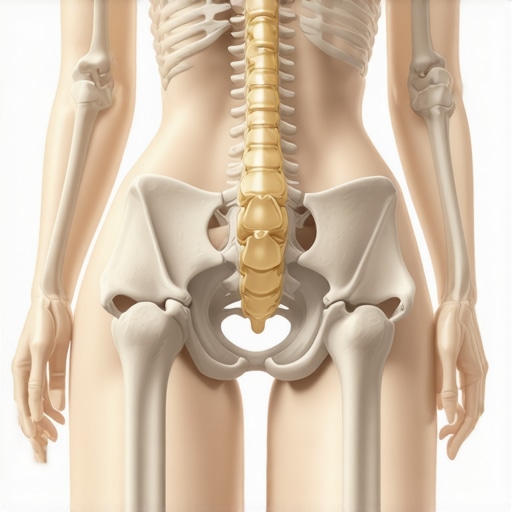
The Truth About Spinal Decompression and Disc Health
I remember the exact moment I realized I’d been duped about spinal decompression and disc health. It was after months of battling relentless back pain that refused to budge, despite trying every gimmick and gadget out there. One sleepless night, lying exhausted on my aching sofa, I suddenly saw the truth clear as day: much of what I believed about healing my spine was incomplete, if not outright misleading. That little epiphany sparked a new journey into understanding the real mechanics of back health and what genuinely works.
Why Do So Many of Us Struggle with Spinal Pain?
Chronic back and neck discomfort can make even simple activities feel like mountainous tasks. From missing out on playtime with your kids to avoiding social gatherings because of pain flare-ups, it chips away at your quality of life. I’ve been there—believe me. It’s frustrating. It’s exhausting. And more often than not, the advice we get is conflicting and overwhelming. It’s easy to fall into the trap of chasing quick fixes, but I’ve learned that the core issues run a lot deeper than just relief on the surface.
The truth is, your spine isn’t some unchangeable structure. It’s a dynamic system that responds remarkably well to proper care. But without understanding how it works — especially the role of discs, facets, and supportive muscles — you’re shooting in the dark. When I first started exploring this, I made a big mistake: I listened to the hype about spinal decompression therapies without understanding whether they suited my specific condition. That mistake almost cost me more pain and time.
Is Spinal Decompression Really the Magic Bullet?
This question haunted me at first. Many treatments promise quick fixes or miracle cures with little scientific back-up. According to a 2016 study published in the Journal of Chiropractic Medicine, not all decompression therapies are created equal, and their success depends heavily on individual cases. My own experience echoed that: what worked wonders for a friend didn’t help me at all. That’s when I realized I needed to dig deeper into the *truth* behind disc health and decompression methods.
So, if you’ve ever felt skeptical or overwhelmed by the endless streams of advice, you’re not alone. My goal here is to cut through the noise, share what I’ve learned from both personal experience and expert sources, and help you find real, lasting solutions for your back health. Ready to uncover what truly makes a difference? Let’s get started.
If you want to explore proven strategies that actually restore mobility and ease pain, consider starting with these research-backed chiropractic techniques. They’re a game-changer.
Start with Gentle Movement to Reawaken Your Spine
In my early days of exploring back health, I neglected how vital gentle movement is. One morning, I decided to incorporate a simple 5-minute routine involving small spinal twists and hip circles. I found that moving slowly helped reduce stiffness, making more advanced exercises more manageable. Incorporate low-impact activities like chiropractic techniques that boost mobility into your daily schedule to prevent stiffness from setting in.
Identify and Correct Postural Habits
Think of your posture as the foundation of a building—if it’s shaky, everything else is compromised. I noticed my neck was forward when working at my desk, which caused headaches. To fix this, I embodied a mindful check: pull my chin slightly back and align my ears over my shoulders. Using ergonomic adjustments and simple chiropractic hacks, I gradually improved my posture, leading to less strain and better mobility.
Use Real-time Feedback to Reinforce Good Form
Set up a mirror or record yourself during exercises. I once caught myself slouching during a stretch and corrected it immediately. This immediate feedback loop accelerates learning and ingrains healthy habits faster. Remember, consistency is key—small daily corrections can produce long-term benefits.
Implement Targeted Strengthening Exercises
Weak core and back muscles often contribute to instability. I added a routine of planks and bird-dogs, focusing on quality over quantity. It was messy at first—I wobbled, lost balance, but persisted. Over just two weeks, I noticed my back felt more supported, and pain episodes decreased. Focus on exercises that activate deep stabilizers; for inspiration, review proven chiropractic strategies to strengthen your back effectively.
Progress Gradually and Listen to Your Body
Rushing into intense stretches or heavy weights can backfire. I once tried to accelerate progress by doubling my stretching routine, leading to increased discomfort. Instead, I learned to listen carefully and respect my body’s signals. Increase intensity week by week, ensuring no sharp pain or new soreness appears. Remember, consistency beats intensity in the long run.
Integrate Mindful Breathing for Spinal Tension Relief
Stress tightens muscles along the spine. I started practicing diaphragmatic breathing—deep belly breaths—to release tension. During moments of pain or discomfort, a few slow breaths helped calm my nervous system, reducing involuntary muscle guarding. Incorporating this into your routine can create a calmer spine and promote better mobility.
Many individuals believe that back and neck pain are straightforward issues, often attributing them solely to injuries or surface-level causes. However, this oversimplification leads to common misconceptions that can hinder effective treatment. One prevalent myth is that every pain originates from disc degeneration or bulges that require immediate surgical intervention. In reality, studies such as those published in the Journal of Orthopaedic & Sports Physical Therapy reveal that disc abnormalities are frequently present in asymptomatic individuals, meaning pain isn’t always directly linked to these adult findings. Recognizing this nuance helps prevent unnecessary fears and invasive procedures.
Another widespread misunderstanding surrounds chiropractic adjustments themselves. Many think that cracking the neck or back ‘fixes’ the problem permanently, but this isn’t quite accurate. Adjustments primarily restore joint mobility and reduce nerve irritation; they are part of a comprehensive approach that includes strengthening, postural correction, and lifestyle modifications. Relying solely on adjustments without addressing underlying habits can result in recurrence.
How can you differentiate between temporary relief and true healing?
This is vital for advanced readers. True healing often involves changes in movement patterns, muscle strength, and nervous system regulation rather than just symptom suppression. Evidence indicates that addressing motor control deficits and postural patterns yields better long-term outcomes (see proven chiropractic strategies).
Be cautious of the trap where pain relief is mistaken for recovery. Temporary comfort might mask ongoing issues like muscle imbalances or joint restrictions. Investing in a holistic treatment plan that combines manual therapy, targeted exercises, and education delivers sustainable results. Don’t fall into the trap of seeking quick fixes—your body needs consistent, informed care to truly recover.
Many believe that pain signifies damage that must be immediately alleviated, but in some cases, pain serves as a protective mechanism. Overreacting with medication or immobilization can sometimes delay healing. Instead, learning to listen to your body and engaging in controlled movements—guided by expert advice—can promote resilience and functional recovery.
Are you aware of how your daily habits subtly contribute to persistent discomfort? Small adjustments, like ergonomic modifications, mindful movement, and proper breathing, can unlock significant improvements. Remember, healing is a journey, not a quick fix. For more insights on building resilience in your spine, check out these expert tips. Have you ever fallen into this trap? Let me know in the comments.
Keep It Working: Tools I Recommend for Long-Term Spinal Wellness
Maintaining your back and neck health isn’t a one-time effort; it’s an ongoing journey that benefits from the right tools and consistent habits. Over the years, I’ve found that integrating specific equipment and techniques into my daily routine has made a significant difference in preserving mobility and reducing pain. Let me share the tools I personally rely on, why they work, and how they can help you keep your spine functioning at its best.
One essential tool I swear by is a quality foam roller. Not just for my muscles but for my fascia and spinal mobility, a proper foam roller helps release trigger points and maintains flexibility. I’ve seen remarkable improvements in my posture and pain levels since incorporating a foam rolling routine into my mornings. Remember, choosing a firm but comfortable roller ensures effective self-myofascial release.
For targeted nerve and muscle tension, I recommend the use of a tennis ball or a specialized massage ball. Applying gentle pressure against tight spots, especially around the shoulders and hips, can prevent chronic stiffness. Personally, I keep a couple of these balls in my office drawer for quick releases during work breaks. They’re simple yet powerful for maintaining mobility and preventing build-up of tension.
Alongside physical tools, leveraging technology can greatly enhance your maintenance efforts. I regularly use posture-correction apps that give real-time feedback on my alignment, reinforcing good habits throughout the day. These apps serve as a digital coach, alerting you when your posture begins to slip—especially handy if you spend long hours at a desk. For instance, these chiropractic-techniques integrate well with app-based reminders to keep your spine properly aligned.
Maintaining spinal health also involves consistent strengthening. I follow a prescribed routine of planks and bird-dogs, focusing on quality form. Tracking progress with a simple fitness app motivates me to stay consistent and ensures my core remains resilient, supporting overall back health. For more advanced strategies, exploring these proven chiropractic strategies can provide guidance tailored to your needs.
How do I sustain my back health over the long haul?
Long-term care requires a combination of regular movement, mindful habits, and the right tools. Developing a routine that includes daily stretching, strength exercises, and periodic check-ins with a chiropractor or physical therapist ensures your body stays resilient. It’s also vital to listen to your body—discomfort is a signal, not a failure. Make small adjustments, stay consistent, and you’ll find that your mobility and pain levels remain manageable.
Looking ahead, I predict wearable technology will become even more sophisticated, offering continuous monitoring of spinal posture and strain in real-time. This technological evolution will further empower us to prevent issues before they manifest as pain or injury. As with any health approach, the key is persistent, informed effort backed by reliable tools.
Start today by incorporating a foam roller and a posture app into your routine. These simple tools, combined with mindfulness, can keep your spine in prime condition for years to come. Feel free to explore these additional tips for more sustained strategies.
Ready to take your back health to the next level? Try implementing a daily 5-minute foam rolling session and observe how your mobility improves. Remember, a healthy spine isn’t just about pain relief — it’s about keeping it working for life.
What I Wish I Knew When I Started My Back Recovery
One of the most profound lessons I learned was that not all pain is a sign of damage demanding aggressive intervention. Sometimes, gentle movement and patience are your best allies. Recognizing how my habits influence my spine—like prolonged sitting or poor posture—was a game-changer. I realized that small, consistent adjustments trump quick fixes, shaping my understanding of sustainable healing.
Tools That Changed My Approach to Spinal Care
The foam roller became my go-to for releasing fascia tightness and maintaining flexibility. A tennis ball helped me target stubborn knots, preventing them from becoming chronic pain points. I trust postural correction apps for real-time feedback, reinforcing good habits throughout the day. Combining these tools with expert-guided exercises created a personalized routine that truly supported my back health.
Your Next Step in Mastering Mobility
Embrace the journey with confidence—incorporate mindful movements, targeted exercises, and reliable tools into your daily routine. Your spine isn’t just a static support structure; it’s alive and responsive. By nurturing it intentionally, you’re investing in a future of pain-free, vibrant living. Start today, and remember: every small effort compounds into lasting change. Are you ready to transform your back health and reclaim your mobility? Let me know below!