The Difference Between Nerve Pain and Muscle Soreness
Ever woken up after a workout or a long day at the desk, feeling that familiar ache in your neck or back? You stretch, maybe even grin, thinking, “It’s just muscle soreness. Nothing to worry about.” But then, a sharp pinprick or persistent numbness sneaks in, and suddenly, you’re questioning whether it’s muscle fatigue or something more nerve-related. I’ve been there myself, confused and frustrated, debating whether I should rest more or seek professional help. That lightbulb moment when I finally understood the difference changed everything for me—and it can for you too.
Understanding the real difference can save you time, pain, and a lot of unnecessary worry.
How do I distinguish between nerve pain and muscle soreness?
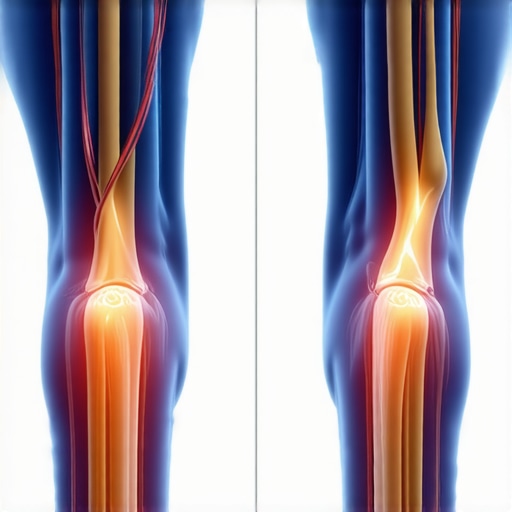
Here’s what I learned early on: muscle soreness usually shows up as a dull, ache that feels like a deep, muscle-wide discomfort. It tends to improve with gentle movement and is generally linked to recent activity or overexertion. Nerve pain, on the other hand, can be sharper, burning, shooting, or tingling. It might radiate down your arm or leg, and at times, it feels like an electric jolt. The key is how it responds to movement and whether it persists or worsens over time. Misinterpreting these signals can lead to delays in proper treatment and longer recovery times.
Early mistakes I made included dismissing nerve pain as mere muscle fatigue and overdoing stretches or workouts, which only intensified the issue. Trust me, understanding these differences is crucial. Sometimes, what feels like muscle tightness is actually nerve irritation—a subtle but significant distinction that can dictate your next steps. For a detailed look at optimizing recovery, check out how chiropractic care transforms back pain recovery and how it can help you regain your mobility.
Identify and Differentiate Your Pain Sources
First, observe your symptoms carefully. Use gentle movement to see if discomfort improves—muscle soreness typically eases with activity, while nerve pain may worsen or feel sharp and electric. Recall a time when I misjudged my sciatic pain as muscle fatigue, pushing through exercises that worsened my condition. Recognizing these nuances helped me avoid aggravating the issue further.
Practice Targeted Self-Assessment Drills
Perform the Nerve Flossing Technique
This involves specific stretches designed to free up irritated nerves, particularly useful for sciatica or neck numbness. For instance, gently extend your leg or arm while flexing your foot or wrist, then relax—repeating several times. I found that incorporating nerve glides daily reduced my tingling episodes significantly, especially after prolonged sitting.
Check Your Posture Regularly
Use a mirror or record yourself to identify poor habits like forward head posture or rounded shoulders. I once discovered my laptop setup caused my neck to bend forward constantly, leading to chronic stiffness. Adjusting my workspace following tips from this guide made a noticeable difference.
Implement Strategic Movement within Your Routine
A common mistake is static stretching without context, which can sometimes worsen nerve issues. Instead, focus on dynamic, controlled movements that promote circulation and mobility.
The Pelvic Reset
Lie on your back with knees bent, gently tilt your pelvis forward and backward. This helps realign your lumbar spine and reduce nerve tension. I integrated this daily, noticing my lower back pain and numbness diminishing over a week.
The Wall Slide Exercise
Stand with your back against a wall, arms raised in a W position, and slide them upward. This opens up your mid-back, easing tension that can pinch nerves. Doing this for five minutes improved my posture and relieved persistent upper back tightness.
Leverage Chiropractic Techniques for Lasting Relief
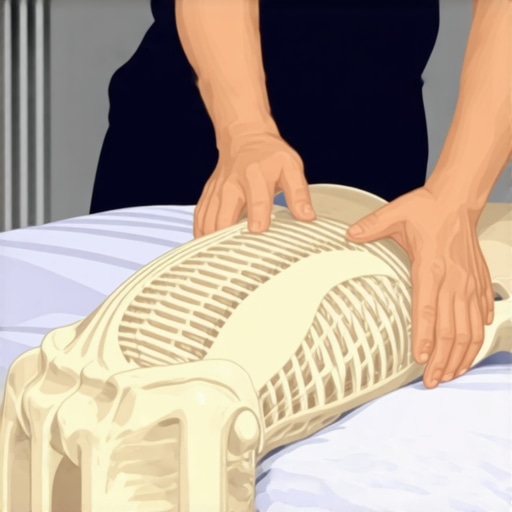
Manual adjustments target misalignments that contribute to nerve compression. Consulting a professional trained in chiropractic care can accelerate recovery. I scheduled an appointment after noticing my symptoms persisted despite self-care, and my chiropractor used precise adjustments that restored proper spinal function.
Enhance Your Environment for Better Back Health
Optimizing your workspace or home setup reduces strain. For example, elevating your monitor to eye level prevents neck tilting. I invested in ergonomic accessories and experienced fewer headaches and neck stiffness during work hours.
Monitor Progress and Adjust Accordingly
Keep a pain journal to track improvements or setbacks. This awareness guides modifications to your routine and informs when to seek professional intervention. I found that slight discomfort after certain movements was a cue to ease up, preventing setbacks.
Incorporating these actionable steps creates a comprehensive approach to back and neck pain management. Remember, consistent application of these techniques, combined with professional guidance, can transform your recovery journey. For more in-depth strategies, explore how chiropractic care transforms back pain recovery.
While many believe that stretching endlessly or popping a pill will cure their back or neck issues, the truth is far more nuanced and often overlooked by the average person. One common misconception is the idea that all pain originating from the spine or muscles should be treated similarly, but in reality, nerve-related pain demands a different approach than muscular soreness. Overgeneralizing these symptoms can lead to extended recovery times and even chronic issues, emphasizing the importance of understanding the specific nuances involved.
A key mistake many make is assuming that pain relief measures are universal. For example, while applying ice might benefit some inflammatory injuries, it can actually delay healing if used improperly—especially in cases of nerve impingement where heat may be more appropriate. This leads to a trap where patients address symptoms without understanding the underlying cause, often exacerbating their condition.
For advanced cases, the question isn’t just about pain management but about accurate assessment and targeted intervention. A person experiencing tingling or numbness should recognize that these are not typical muscle fatigue signs but signs of nerve involvement. Such symptoms require careful evaluation and often a different treatment strategy than standard stretching or rest. Ignoring these nuances can result in a worsening of symptoms or the development of chronic nerve pain.
Another widespread myth is that chiropractic adjustments alone can resolve all back or neck pain. While adjustments are powerful, their effectiveness hinges on comprehensive diagnostic understanding. For instance, if misalignments stem from a pelvic tilt or postural habit, addressing only spinal joints without correcting movement patterns or ergonomic factors may provide only temporary relief. This is why an integrated approach—which includes posture correction, targeted mobility exercises, and sometimes lifestyle changes—is essential for lasting results.
Interestingly, research supports that personalized, nuanced care significantly outperforms generic protocols. A 2022 study published in the *Journal of Manipulative and Physiological Therapeutics* emphasizes that treatment effectiveness improves when practitioners consider individual biomechanical differences rather than applying one-size-fits-all solutions. Learning to differentiate between these subtle signs and tailored treatments can fast-track recovery and prevent relapse.
So, how do you spot these hidden cues? One practical step is performing specific mobility assessments or nerve glides, which can differentiate muscle tightness from nerve irritation. Incorporating such techniques, as explained in guides like this article on enhancing mobility naturally with chiropractic care, can help prevent common pitfalls.
Remember, caution is paramount: overdoing stretches or ignoring nerve symptoms can cause more harm than good. Always seek professional evaluation when symptoms are persistent or unusual. Learning and respecting these nuances can dramatically improve your outcome and reduce the risk of chronic issues. Have you ever fallen into this trap? Let me know in the comments and share your experiences. For more advanced insights, explore how chiropractic care transforms back pain recovery and discover personalized strategies tailored to your unique needs.
Maintaining long-term relief from back and neck pain requires more than just awareness and exercises; it involves the right tools and consistent habits. Over the years, I’ve identified specific equipment and strategies that genuinely make a difference in keeping your mobility intact and pain at bay. The key is integrating these tools into your routine in a way that enhances healing, prevents recurrence, and scales with your lifestyle. Here’s a look at what I personally use and advocate for sustained health.
Personalized Massage Devices for Deep Tension Release
One of my go-to tools is the percussive massage gun. Unlike basic foam rollers, a quality massage gun provides targeted relief to deep muscle tissues and fascia. I prefer models with multiple speed settings and interchangeable heads, like the Hyperice Hypervolt, because I can customize the pressure based on the area and intensity needed. It’s particularly effective after long days of sitting or intense workouts, helping to prevent muscle knots that can irritate nerves or cause misalignment.
Ergonomic Workstation Setups That Promote Good Posture
Investing in adjustable standing desks and ergonomic accessories is crucial. I recommend a sit-to-stand desk with programmable height settings, paired with an anti-fatigue mat and an ergonomic chair that supports lumbar curvature. These modifications help me alternate between sitting and standing, reducing the strain on my lumbar spine and neck. Proper ergonomics is supported by research, such as the 2020 study in the Journal of Occupational Health Psychology, which emphasizes its role in injury prevention and pain reduction.
Wearable Posture Monitors for Real-Time Feedback
In the age of smart tech, wearable posture monitors like Upright GO or Lumo Lift can alert you when you slump or tilt excessively. I personally use the Upright GO, which gently vibrates when I deviate from optimal posture, training my subconscious to maintain better spinal alignment. Over time, this kind of biofeedback builds awareness and reinforces habits that protect your neck and back structures.
Reliable Mobility and Flexibility Tools
In addition to my daily exercises, I incorporate tools such as stretching straps and small balls for my neck and shoulder mobilization. For instance, a simple resistance band helps me perform controlled shoulder stretches, improving range of motion and reducing nerve impingement risks. Consistent use of these tools makes it easier to sustain mobility and avoid stiffness that can entrench chronic pain.
Predicting the Future of Back and Neck Care
Looking ahead, I believe that combining traditional chiropractic techniques with advanced biofeedback devices and AI-driven posture analysis will become standard. Tech like machine learning algorithms analyzing movement patterns could proactively suggest personalized interventions before pain worsens. The integration of such tools can elevate maintenance strategies from reactive to proactive, ensuring consistent progress.
Master One Advanced Technique to Keep Moving
If there’s one thing I urge you to try today, it’s incorporating periodic nerve glides into your routine. This technique, which involves controlled arm or leg movements to mobilize irritated nerves, has personally helped me prevent numbness episodes. You can learn the proper technique from this comprehensive guide. Start performing daily, especially if you sit for long periods, and observe how your symptoms improve over time. Remember, consistency is key for long-term benefits.
What I Wish I Knew When My Pain First Started
One of the biggest lessons I learned is that pain isn’t always what it seems. Early on, I mistook nerve signals for mere muscle fatigue, pushing through and risking longer recovery. Recognizing that subtle differences can save you from unnecessary setbacks became a game-changer for me—and it can be for you too.
How Ignoring Posture Can Sabotage Your Progress
I used to underestimate the impact of daily habits like hunching over my phone or slouching at my desk. Small postural habits compounded over time, leading to chronic tension. Correcting these habits, using tools like ergonomic setups and posture monitors, made a profound difference—and it can do the same for you.
The Power of Targeted Movement and Self-Assessment
Discovering simple yet effective techniques like nerve glides and pelvic resets empowered me to take control of my recovery. Regular self-assessment helped me identify what was helping and what wasn’t, preventing further injury. Incorporating these into your routine could be the key to lasting relief.
My Biggest Mistake Was Thinking Rest Was Enough
Initially, I believed that avoiding movement was the best way to heal. I was wrong. Gentle, strategic movement, guided by understanding your body’s signals, accelerates healing. Learning when to rest and when to move is a nuanced balance—one that can dramatically change your recovery timeline.
Why Combining Techniques Yields the Best Results
From chiropractic adjustments to mobility exercises and ergonomic improvements—integrating multiple approaches created a synergy that powerfully relieved my pain. No single method is a cure-all, but together, they form a comprehensive strategy for lasting well-being. For a deeper dive into these methods, explore how chiropractic care transforms back pain recovery.