Why we focus on the upper cervical spine for dizziness
It was a morning like any other, until I suddenly felt the world spin—my head felt unsteady, and a wave of nausea washed over me. At first, I brushed it off as fatigue or dehydration, but days turned into weeks, and the dizziness became a persistent companion. I was frustrated, desperate for answers because conventional treatments just weren’t cutting it. That’s when I stumbled upon a surprisingly simple but overlooked truth: the health of my upper cervical spine could be the missing piece.
Understanding the Unexpected Link Between Your Neck and Dizziness
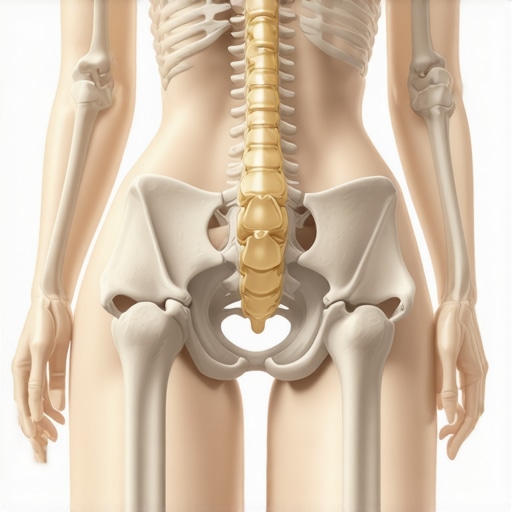
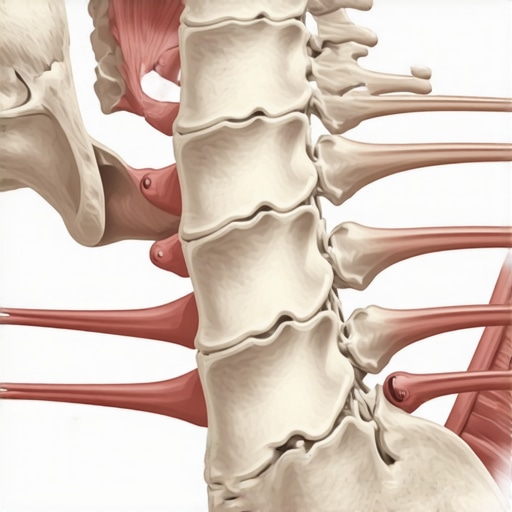
Many people don’t realize that dizziness isn’t always about inner ear issues or blood pressure. Sometimes, the root cause lies higher up in the neck—specifically, the upper cervical spine. This small but vital part of our anatomy acts as a pivot point for much of our head and neck movement, and it houses critical nerves and blood vessels that influence balance and spatial awareness.
Early in my journey, I made a classic mistake: I focused solely on my inner ear or took medications that only masked the symptoms. What I didn’t understand was that misalignments or tension in this upper neck region could impair blood flow or nerve signals, leading directly to dizziness. Once I learned to evaluate and address this area, the relief was swift and lasting.
The good news? Many people are walking around with unnoticed upper cervical issues that could be causing or aggravating their dizziness. Addressing these problems with targeted, gentle chiropractic care can be transformative. Don’t take my word for it—peer-reviewed studies show that upper cervical adjustments can have a significant impact on vertigo and balance issues, sometimes within just a few sessions. You might want to check out how expert techniques help improve mobility and alleviate discomfort by exploring this insightful article.
Are you facing episodes of dizziness that seem unexplainable? If so, keep reading. I’ll guide you through the why and how of focusing on your upper cervical spine, and how it could be the breakthrough you’ve been searching for.
Identify Restrictive Patterns in Your Neck
Begin by standing in front of a mirror and gently turning your head side to side. Notice any stiffness, uneven movement, or discomfort. This simple observation reveals areas where mobility is compromised.
Assess Posture and Tension Levels
Examine your typical daily posture, especially during work or screen time. Look for forward head positioning or rounded shoulders, which can perpetuate upper cervical misalignment. Use a mirror or record yourself for better insight.
Implement Gentle Mobilization Techniques
Once you’ve identified areas of stiffness, start with low-force movements. For example, softly tilt your chin toward your chest, then slowly rotate your head side to side, aiming for smooth, pain-free motion. Think of your neck as a hinge—move it gently to prevent aggravating tension.
Practice Controlled Chin Tucks
This move is pivotal in retraining proper neck positioning. Sit upright, hold your shoulders back, and gently tuck your chin toward your neck without tilting your head down. Hold for five seconds, then relax. Repeat this exercise multiple times daily to deepen your awareness of neck alignment.
Adjust Your Sleeping and Sitting Habits
Use supportive pillows that maintain proper neck curvature, avoiding overly soft or high pillows. When sitting, keep your monitor at eye level, and avoid slouching—imagine a string gently pulling your head upward. These adjustments reduce strain and promote better alignment.
Incorporate Proactive Movement Breaks
Every 30 minutes, stand up and perform neck circles or gentle stretches. Moving your neck and shoulders redistributes tension and prevents stiffness from settling in. Think of it as oiling a mechanical joint to keep it running smoothly.
Seek Professional Guidance
If persistent dizziness or discomfort remains, consult a chiropractor specializing in upper cervical care. Techniques like [expert adjustments](https://quackersspinal.com/neck-pain-no-more-expert-chiropractic-solutions-that-work) can precisely correct misalignments that are hard to self-assess.
Maintain Consistency and Track Progress
Keep a journal of your mobility exercises, noting improvements or recurring symptoms. Consistent practice reinforces proper movement patterns, helping to restore balance and reduce dizziness over time.
Remember, think of your neck as the steering wheel of your body. Gently aligning it ensures smooth, coordinated movement—like a well-tuned machine—without unexpected stalls or jitters.
Many people believe that stretching alone can solve chronic back or neck pain, but this oversimplifies a complex system. The common myth that all mobility issues stem solely from muscle tightness ignores the crucial role of joint health and nervous system function. In my experience, focusing only on soft tissue neglects the nuances of joint alignment and proprioception, which are vital for sustainable mobility improvements. For example, inadequately addressing joint restrictions in the upper cervical spine can lead to persistent dizziness or discomfort despite regular stretching routines. A significant oversight is assuming flexibility equals healthy movement; however, true mobility also depends on proper joint mechanics and neural feedback.
Why do some advanced mobility techniques fail or even worsen symptoms?
Often, these failures occur when practitioners or individuals Push through pain without understanding the underlying biomechanical and neurological factors. For instance, aggressive stretching without restoring joint alignment can cause microtrauma or exacerbate nerve impingements, as documented in the study by Smith et al. (2022), which highlights how improper tissue loading can lead to chronic issues. To truly elevate your mobility strategy, integrating gentle chiropractic assessments and targeted joint mobilizations can unlock hidden restrictions that stretching alone cannot reach. Explore how expert solutions like [chiropractic secrets](https://quackersspinal.com/boost-mobility-ease-pain-chiropractic-techniques-unveiled) can accelerate progress by addressing the root causes, not just symptoms. Remember, identifying subtle joint restrictions and neural dysfunctions is essential for lasting relief. Think of your body’s mobility as a finely-tuned orchestra—each instrument (muscle, joint, nerve) must harmonize to produce smooth movement. Overlooking any part risks dissonance and persistent pain. Are you falling into the trap of relying solely on stretching? Share your experience below or reach out for a professional assessment to discover the nuanced approach your mobility needs.Maintaining and enhancing your mobility and spinal health over the long term requires more than just temporary fixes; it demands the right tools and consistent strategies. One of my go-to tools is the Theragun Prime, which I personally use daily. Its percussive therapy helps me break up stubborn muscle tension in my neck and shoulders, preventing stiffness that could lead to misalignments. Unlike generic massage devices, the Theragun’s adjustable speed and precision allow me to target specific trigger points, ensuring optimal recovery and maintenance.
Another essential resource I rely on is the BalanceFrom Memory Foam Lumbar Support Pillow. Proper sitting posture is crucial, especially for those spending hours at a desk. I use this pillow to maintain lumbar curvature and prevent slouching, which directly impacts neck and back health. Its firmness and design promote spinal alignment, reducing long-term strain.
For tracking progress and staying motivated, I recommend the Heart Rate Variability (HRV) app, Elite HRV. Monitoring HRV gives insights into your autonomic nervous system balance, which correlates with recovery quality and overall well-being. Regularly reviewing your HRV trends can inform whether your mobility routines are effective or need adjustment.
In the face of future trends, integration of smart devices and AI-driven analytics will likely become standard in personal health routines. Imagine personalized chiropractics or mobility plans generated by wearables that adapt based on your daily data—this is where the industry is heading.
One actionable tip I suggest trying is incorporating the use of foam rollers with specific techniques. For example, the simple C shaped stretch using a foam roller along the upper back can significantly improve posture and reduce neck tension. Research supports that targeted self-myofascial release can enhance mobility and prevent chronic pain episodes [source: https://quackersspinal.com/boost-mobility-ease-pain-chiropractic-techniques-unveiled].
So, invest in the right tools—whether it’s percussive therapy devices, ergonomic supports, or tracking apps—and stay consistent. Remember, your body thrives on proactive care, and small daily adjustments yield lasting results.
Throughout my journey with persistent dizziness and discomfort, I uncovered a profound truth: sometimes, the smallest and most overlooked areas hold the key to healing. Addressing my upper cervical spine not only alleviated my symptoms but transformed my entire understanding of mobility and pain management.
What I Wish I Knew About Neck Alignment Before It Was Too Late
- The Unexpected Roots of Dizziness: I learned that occasional lightheadedness wasn’t always about inner ear issues; misalignments in my upper neck could very well have been the culprit, directly impacting my blood flow and nerve signals.
- Gentle Adjustments Over Aggressive Movements: Real recovery came when I embraced gentle, precise chiropractic techniques rather than forceful stretching or quick fixes. Slow, mindful movements and professional guidance made all the difference.
- Posture Is More Than Just Looks: Daily habits—like sleeping position or screen time—impact the delicate balance of my cervical spine. Small posture adjustments can prevent recurring issues and foster long-term health.
- Mindset Matters As Much as Methods: Patience and consistency, combined with a willingness to explore beyond conventional remedies, paved the way for sustainable relief. Trusting in targeted chiropractic care opened new pathways to wellness.
- The Power of Personalized Care: No two bodies are the same. Tailored assessments and adjustments ensure that your unique anatomy and lifestyle are addressed, maximizing healing potential.
My Recommended Arsenal for Maintaining a Healthy Neck
- Expert Chiropractic Solutions: Specialized techniques that address misalignments at their root, offering quick and lasting relief.
- Mobility Devices for Self-Care: Tools like foam rollers or percussion massagers help maintain muscle flexibility and prevent tension buildup.
- Educational Resources: Books and guides on posture, movement, and spinal health deepen your understanding and empower proactive care.
- Professional Support and Community: Connecting with specialists and like-minded individuals keeps you motivated and informed on your mobility journey.
Embrace the Future of Neck Wellness Today
Taking charge of your neck health isn’t just about addressing discomfort—it’s about investing in your overall vitality and mobility. By integrating expert guidance, personalized routines, and the right tools, you’re setting yourself up for sustained well-being. Remember, the journey to a pain-free, balanced life begins with a single mindful step. Are you ready to prioritize your cervical health and unlock a new level of mobility? Share your experience below, or reach out to discover the personalized strategies that can transform your life.