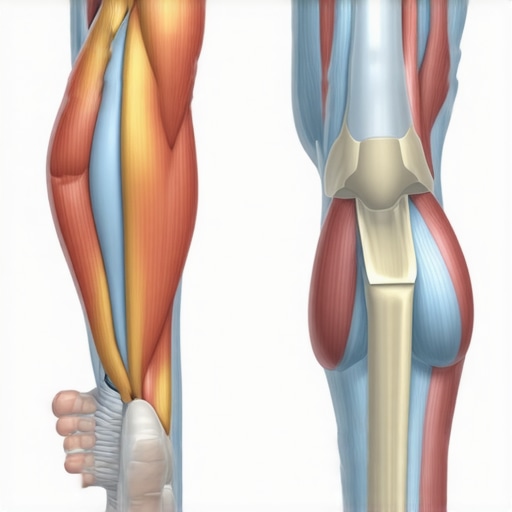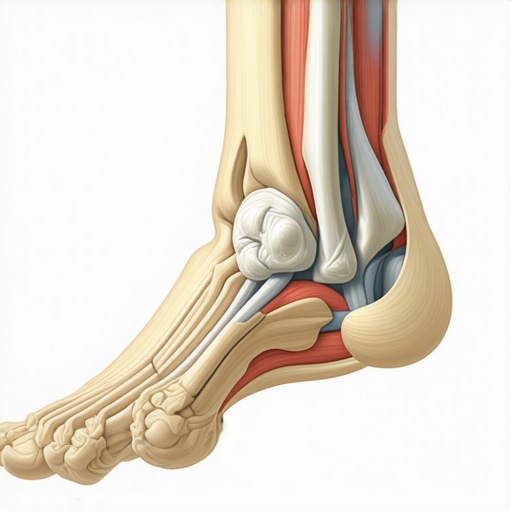
Why Your Feet Are the Foundation of Your Spinal Health
I remember the exact moment I realized my foot health was messing with my back. One day, after a long walk, my lower back started aching intensely—something I’d never paid much attention to before. It was as if my spine was begging me to look down and check my footing. That simple ache turned into a lightbulb moment: my feet, often overlooked, are actually the foundation of my entire spinal well-being.
Feet First: The Real Starting Point for Spinal Harmony
For years, I focused on adjusting my posture, stretches, and even gym routines. But no matter how many neck or back exercises I did, the pain persisted. It wasn’t until I started paying attention to my feet—including their arches, stability, and alignment—that I began to see real change. The truth is, your feet support everything else. If they’re misaligned or weak, your entire postural chain suffers.
Recent studies have shown that improper foot mechanics can significantly influence the integrity of your spine. A study published in the Journal of Foot and Ankle Research reveals that addressing foot posture can alleviate chronic back pain. I know from personal experience how focusing on the basics—your feet—can be a game-changer for persistent discomforts.
If you’ve ever found yourself battling recurring neck or back pain, it’s worth asking: could your feet be a hidden culprit? I’ll walk you through how to assess and strengthen your feet, and why this overlooked step might be the missing piece in your mobility puzzle. Ready to explore how the foundation you stand on every day impacts your entire spinal health? Let’s dive deeper into what makes feet the unsung heroes of spinal wellness.
Is the Fuss About Feet Really Worth It?
Early on, I made the mistake of thinking foot health was just about comfy shoes or arch supports. I ignored the connection, assuming my posture issues were solely upper-body concerns. That was a mistake, and it slowed my recovery. Now I understand that improving your foot mechanics can dramatically reduce pain and improve mobility, often more effectively than expensive treatments. Want to learn what specific changes can make a difference? Check out this guide to neck pain management and discover how chiropractic care starts from the ground up.
Start with Foot Assessment
My first concrete step was examining my feet. Stand barefoot on a flat, reflective surface or paper and observe your arches and toe alignment. I noticed my arches collapsed inward, indicating overpronation. This misalignment was subtly pulling my ankles, knees, and hips out of sync, contributing to my back pain. Conduct a simple test, like the wet footprint test, to check your arch type, helping you understand your foot mechanics better.
Strengthen Your Feet
Strengthening exercises directly target your foot muscles. I began with toe curls: sit and place a towel under my toes, then scrunch it towards me. Consistently doing this improved my arch support and stability. Later, I added short foot exercises — pressing the base of your toes and ball into the ground while lifting the arch. These movements act like building a strong foundation for your house; without a sturdy base, everything above suffers.
Address Imbalances with Proper Footwear
Worn-out shoes or ill-fitting footwear can exacerbate misalignments. Swap my old, flat shoes for ones with proper arch support and firm soles. I chose insoles designed for overpronation, which helped realign my foot posture. Think of footwear as the scaffolding you give your house during construction—crucial for maintaining durability and proper structure.
Incorporate Balance and Mobility Drills
Improving stability prevents your feet from collapsing during movement. I incorporated single-leg stands and balance board exercises, like standing on one foot for 30 seconds and shifting weight intentionally. These refine proprioception and activate tiny stabilizer muscles, which are vital for maintaining proper alignment when walking or standing. Remember, just like a tightrope walker, your body needs fine-tuned balance to prevent wobbling.
Align Your Entire Chain
Foot correction isn’t complete without considering your ankles, knees, hips, and spine. After strengthening my feet, I rolled into gentle ankle mobility drills, like ankle circles, to ensure my joints moved smoothly. I also paid attention to my hip alignment with targeted stretches, ensuring my entire kinetic chain was optimized. It’s similar to tuning a guitar: each string must be in harmony to produce a clear sound.
Monitor and Adjust Regularly
Consistency is key. I kept a habit of checking my footwear every three months and performed daily foot exercises. Over time, I noticed a reduction in back pain and improved posture. Track your progress, and don’t hesitate to revisit your assessment or consult a professional if discomfort persists. Think of this process as maintaining a garden; regular care prevents weeds from taking over.
Use Tools to Facilitate Movement
Sometimes, incorporating tools like a tennis ball for foot release can accelerate progress. By rolling the sole over a ball, I loosened tight tissues, enhancing flexibility and circulation. This simple step can be done while watching TV or during breaks, making it an easy addition to your routine. Remember, small improvements build up over weeks to transform your foundation.
Addressing foot mechanics is fundamental to alleviating back and neck pain. By systematically assessing, strengthening, and aligning your feet, you set the stage for a healthier spine. For a comprehensive approach, explore how chiropractic adjustments can support this work, especially since they often start from the hips and lower back, linked closely to your foot mechanics — findings outlined in this article.
Challenging the Myths: When Conventional Wisdom Misses the Point
Many practitioners and patients alike fall into the trap of oversimplification. The common belief that simply cracking your neck or back provides lasting relief is a misconception. In my experience, such techniques might offer temporary comfort but rarely address underlying issues. The real nuance lies in understanding that mobility isn’t just about joint manipulation; it’s about restoring full, functional movement patterns that involve muscles, nerves, and the connective tissue. For instance, a study by spinal decompression highlights how ignoring the surrounding tissues can lead to recurrent pain episodes.
Beware the ‘Quick Fix’ Trap
One common mistake is relying solely on chiropractic adjustments without incorporating movement and strengthening. Adjustments can realign the spine temporarily, but without addressing the muscular imbalances or movement patterns that caused the misalignment, the problem is likely to return. Think of it like resetting a jammed wheel without fixing the axle—symptoms may subside temporarily, but the root cause lingers. Over time, neglecting this can exacerbate issues and lead to chronic pain. Check out strategies for restoring mobility that combine adjustments with active recovery.
What Advanced Clinicians Know About Spinal Nuance
Profound experts understand that the spine’s health hinges on the entire kinetic chain—feet, ankles, hips, shoulders, and neck. Overlooking this interconnectedness is a frequent mistake. For example, a subtle pelvic tilt or ankle misalignment can cascade upward, causing neck discomfort or back pain. A comprehensive assessment should encompass these nuances, as emphasized in research accessible through this in-depth article. Advanced practitioners often use functional movement screens and neuromuscular re-education to correct these hidden imbalances, leading to lasting relief.
Falling into simplistic treatment pathways prevents full recovery. Recognize the importance of uncovering these hidden nuances and tailor your approach accordingly. Have you ever fallen into this trap? Let me know in the comments or reach out via contact. Remember, lasting mobility and pain relief demand a nuanced, holistic perspective beyond surface-level fixes.
Tools I Recommend for Sustaining Mobility and Pain Relief
Maintaining mobility and spinal health over time requires more than just occasional adjustments; it demands consistency and the right tools. Personally, I’ve found that integrating specific equipment and routines into my daily life makes a significant difference. One essential item I swear by is a high-density foam roller. It helps me release tight tissues, especially around my hips and lower back, every morning. Regular use of the foam roller enhances circulation and flexibility, which are critical for keeping my movements fluid and pain-free.
Another game-changer is a tennis ball, which I use for targeted muscle release on stubborn knots. Rolling the ball under my feet and along my calves stimulates blood flow and softens tissue adhesions. This simple, inexpensive tool effectively complements my broader mobility routine.
For tracking progress and staying accountable, I employ specialized apps like movement tracking tools. These platforms allow me to log exercises, monitor improvements, and adjust routines for long-term results. Embracing digital solutions ensures I can maintain momentum even during busy weeks.
Looking ahead, I predict that wearable technology will increasingly personalize and optimize rehabilitation strategies. Devices equipped with accelerometers and biofeedback will offer real-time insights, guiding users through movements tailored to their specific imbalances.
How do I maintain my mobility and pain relief tools over time?
Consistent maintenance is crucial. I regularly inspect my foam rollers and massage balls for wear and tear, replacing them as needed. Cleaning my equipment prevents bacterial buildup, especially since I use them frequently. My routine includes revisiting the effective management strategies to ensure I stay aligned with best practices. Periodic check-ins with a chiropractor also help me fine-tune my routine and address emerging issues before they escalate.
Implementing these tools and habits could be your secret to long-lasting mobility. For an in-depth look at how chiropractic care can strengthen your movement, consider exploring chiropractic techniques designed specifically for ongoing support. Remember, consistency and the right equipment are your allies in preserving your active lifestyle.
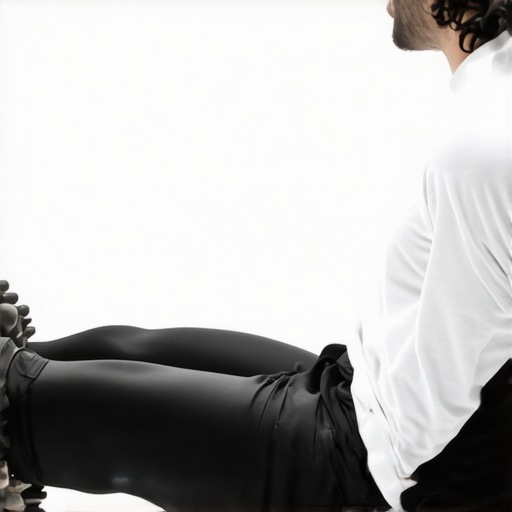
Illuminate your journey: Try incorporating a foam roller and tracking your progress with a mobility app this week. Small steps today lead to lasting results tomorrow. For personalized advice, don’t hesitate to reach out via contact us.
What I Didn’t Expect About Spinal Healing
One of the most profound lessons I learned was that real mobility isn’t about quick fixes—it’s about understanding the intricate web of your body’s foundation. Addressing foot mechanics transformed my approach, proving that sometimes, the smallest change in your walking pattern can ripple into significant pain relief. Embracing this holistic view restored my confidence in tackling chronic discomfort and opened my eyes to the importance of patience and consistency in healing.
My Go-To Tools for Daily Mobility Wins
Over the years, I’ve curated a toolkit that keeps me moving freely. A high-density foam roller is my morning best friend—releasing tight tissues around my hips and lower back. A simple tennis ball helps me target stubborn knots, especially in my feet and calves. I personally trust movement tracking apps to stay accountable and spot patterns that need adjustment. These tools are easy to incorporate into daily routines and have made a noticeable difference in my long-term spinal health.
Your Next Step Toward Freedom of Movement
Remember, your journey to pain-free mobility is personal and ongoing. Whether you’re just starting or looking to refine your routine, embracing the connection between foot health and spine stability can unlock new levels of comfort. Take small, consistent actions—like regular foot exercises or mindful footwear choices—and celebrate every improvement along the way. Your body is resilient and capable of change—start today, and let every step be a move toward a stronger, healthier you.
What aspect of your mobility routine do you feel ready to improve? Share your thoughts below or reach out via contact us to explore personalized strategies. Together, we can build a foundation that keeps you moving with ease for years to come.