The Squatting Mistake That Puts Too Much Pressure on Your Lumbar
It was a typical Sunday afternoon when I felt that strange, sharp tug in my lower back, like a sudden warning from my body that I’d ignored for too long. I was mid-squat at the gym, feeling confident, until that nagging pain flared up—something I’d experienced before but never quite understood the cause. That moment was my lightbulb—realizing I’d been making a critical mistake that was quietly sabotaging my lumbar health.
Why Your Squat Technique Could Be Doing More Harm Than Good
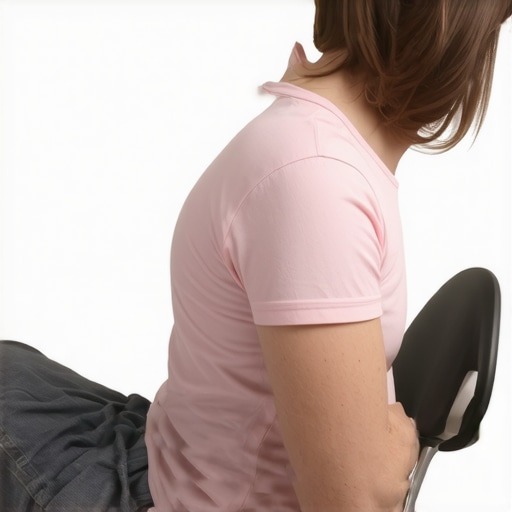
Many of us, myself included, get excited about strength and mobility, but without proper form, even the most well-intentioned exercises can backfire. The mistake? I was leaning too far forward during my squats, which dramatically increased the pressure on my lower back. This misalignment not only strained my lumbar region but also set the stage for chronic discomfort. Early on, I made the mistake of focusing solely on depth and weight, ignoring the importance of spinal positioning. That oversight was a fast track to discomfort—and perhaps worse, injury.
What I discovered through personal trial, and later confirmed by experts, is that keeping your lumbar spine in a neutral position during squats is crucial for spinal health. Proper technique distributes the load evenly and minimizes undue stress. If you’re experiencing any form of back pain, especially after squatting, it’s worth examining your form and making adjustments. For a comprehensive look at how to manage neck pain and restore mobility, I recommend checking out [effective neck pain management strategies](https://quackersspinal.com/effective-neck-pain-management-a-step-by-step-guide), but today, we’re focusing on the foundation—your squat form.
Is Improving Squat Form Really Worth the Effort?
Absolutely. I have learned firsthand how a small tweak in technique can make a significant difference in reducing lumbar pressure and enhancing comfort. It’s easy to dismiss these details as minor, but they’re the core of preventing long-term issues. Early on, I failed to recognize that a simple pelvis tilt correction could save me from future pain. Trust me, neglecting proper form is a shortcut to chronic discomfort—something no one wants.
If you’ve ever felt that dull ache or sharp pain after squatting, you’re not alone. Many people unknowingly adopt improper techniques that amplify lumbar strain. The good news is that by understanding the proper biomechanics, you can protect your spine while still building strength and mobility.
In the next sections, I’ll guide you through effective, practical tips to correct your squat form, so you can work out confidently without risking your lumbar health. Ready to take control of your movement and end the cycle of back discomfort? Let’s dive into the actionable steps that changed my approach—and could change yours too.
Lock Down Your Pelvic Position
Start by standing with your feet shoulder-width apart, toes slightly pointed outward. Imagine your pelvis is a bowl of water that you want to keep level throughout the squat. To do this, engage your core and slightly tilt your pelvis backward, as if you’re trying to tuck your tailbone under without flattening your lower back. During my first attempt at consciously correcting this, I felt a clear difference—the strain on my lumbar area decreased noticeably.
Use a Mirror or Video Feedback
Place a mirror nearby or record your squat. Watching yourself helps identify common mistakes like excessive forward lean or pelvis tilting. I recorded myself during a training session, and the visual feedback made me realize I was still leaning too far forward at the bottom, putting unnecessary pressure on my lower back. Adjusting my torso to stay upright improved my form and reduced discomfort.
Engage Your Core for Stability
Think of your core muscles—transverse abdominis, obliques, and lower back muscles—as a built-in corset. Before descending into your squat, take a deep breath, brace your abs as if preparing for a gentle punch, and hold that tension through the movement. This intra-abdominal pressure acts like a natural lumbar brace. During a recent workout, focusing on core activation eliminated the faint ache I used to feel afterward, making squat sessions more comfortable and effective.
Practice Diagramming Your Movement
Use a simple tactile cue: place a light stick or foam roller vertically along your spine during squats. Keeping this alignment indicates proper spinal positioning. Initially, I struggled to maintain a neutral spine, but this physical reminder helped me avoid collapsing my chest or arching excessively—common pitfalls that stress the lower back.
Adjust Foot Position and Weight Distribution
Position your feet so your weight remains balanced—roughly evenly distributed from heel to toe. During my practice, I found that shifting my weight slightly back onto my heels helped prevent me from leaning forward. A common mistake is favoring the toes, which can tilt the pelvis forward and cause lumbar strain. Ensuring your heels stay grounded and your knees track over your toes creates a stable base, protecting your lower back.
Incorporate Mobility Drills
Limited ankle or hip flexibility can cause compensations that affect lumbar health. Regularly perform mobility exercises like ankle dorsiflexion stretches or hip openers to enhance your range of motion. I added a quick ankle mobility routine before squatting, which alleviated compensatory pelvis tilts and kept my spine aligned during the lift.
Reinforce Technique with Small, Consistent Adjustments
Focus on making incremental improvements: slowly increase squat depth while maintaining proper form. I initially tried to go as deep as possible, sacrificing spinal alignment, which led to discomfort. By limiting depth and perfecting my form first, I built strength and confidence without risking injury. Over time, as my mobility improved, I could safely progress to deeper squats with a neutral spine.
Seek Expert Feedback When In Doubt
Sometimes, self-assessment isn’t enough. Professional guidance from a qualified coach or chiropractor can identify subtle form issues that cause back pain. When I consulted an expert, they pointed out minor pelvis tilts I hadn’t noticed, and their specific cues helped me maintain better lumbar stability. Regular check-ins, even occasional, can prevent bad habits from forming and reduce the risk of chronic injury.
Remember, proper squat form isn’t just about lifting heavier; it’s about protecting your spine and ensuring long-term mobility. Integrate these steps into your routine gradually, and watch your confidence—and comfort—grow. For more insights into maintaining neck and back health, explore [relieve neck and back discomfort using these expert methods](https://quackersspinal.com/relieve-neck-back-discomfort-using-these-expert-methods), which reinforce the importance of technique in overall spinal care.
Many clinicians and patients operate under the misconception that focusing solely on obvious symptoms like pain intensity or limited mobility is enough. However, a deeper understanding reveals that superficial treatments often overlook subtle but critical factors, such as nerve involvement, postural habits, and the body’s compensation patterns. For example, many believe that chiropractic adjustments alone can resolve all musculoskeletal issues, yet scientific evidence suggests that integrating movement therapies and ergonomic strategies yields better, longer-lasting results. One common myth is that neck pain always stems from cervical disc herniation; in reality, much of it originates from fascial restrictions or nerve impingements that aren’t immediately visible on imaging.
Are You Addressing the Cause or Just the Symptom?
A sophisticated approach requires identifying and correcting the underlying neuromuscular imbalances, not just masking discomfort with medication or quick fixes. Expert insights from top chiropractors emphasize the importance of comprehensive assessments that include nerve gliding tests and movement analysis, rather than relying exclusively on static imaging. For instance, a study published in the Journal of Orthopaedic & Sports Physical Therapy highlights that neuromuscular training can significantly improve chronic back pain outcomes when combined with manual therapy. Additionally, many practitioners overlook the role of proprioception—the body’s sense of position—in recovery. Enhancing proprioception through targeted exercises can restore spinal stability and reduce the risk of recurrence. External links to in-depth guides on effective neck pain management and chiropractic care reinforce the point that nuanced, personalized strategies outperform one-size-fits-all protocols. If you’re seeking to elevate your understanding or treatment plan, exploring resources like [effective neck pain management strategies](https://quackersspinal.com/effective-neck-pain-management-a-step-by-step-guide) or [insights from top chiropractors](https://quackersspinal.com/overcoming-chronic-neck-discomfort-insights-from-top-chiropractors) can be transformative. Remember, the key to long-term back and neck health lies in recognizing and addressing those hidden nuances most people ignore. Have you ever fallen into this trap? Let me know in the comments.Maintaining long-term spinal health and mobility requires more than just awareness and good habits; it involves leveraging the right tools and methodologies to keep your progress consistent and effective. One of my favorite approaches is integrating specialized equipment like posture correctors and mobility aids into my daily routine. For example, I use a high-quality foam roller to target my myofascial tissues, which helps release muscle restrictions that can contribute to neck and back pain. This isn’t just a passive stretch—it’s a strategic release that enhances tissue flexibility and prepares my muscles for more active therapy or movement-based exercises.
Furthermore, I rely heavily on digital tools to track and analyze my mobility patterns. Apps like Strava or custom video analysis software allow me to monitor my squat form, ensuring my lumbar spine stays in a neutral position. These tools offer real-time feedback, making small adjustments possible on the fly, and they help prevent bad habits from creeping back over time. Regularly revisiting recorded sessions acts as a mirror for my progress and spot subtle deviations before they become problematic.
In addition to physical tools, I incorporate evidence-based methods such as nerve gliding exercises, which are proven to reduce nerve impingements that often lead to neck and back discomfort. Experts emphasize that nerve mobility is crucial for long-term health; neglecting it can cause symptoms to recur or worsen. For a comprehensive guide, I recommend exploring strategies outlined in my referenced resource on effective neck pain management.
As technology advances, the future of spinal health tools is headed toward personalized biofeedback devices. These wearable tech gadgets can monitor muscle activation and posture throughout the day, offering instant cues to correct misalignments before they escalate. I predict wearable biofeedback will become standard in physical therapy and self-care routines within the next five years, empowering patients to become proactive in maintaining their mobility.
How do I keep my mobility tools effective over time?
Regular maintenance is key. For physical tools like foam rollers or massage balls, this means proper cleaning and replacing worn-out equipment to avoid frustration or injury. Software and apps require periodic updates or reviews of your data to ensure you’re interpreting your progress accurately. Also, revisiting expert-recommended routines—like those detailed in [effective neck pain management strategies](https://quackersspinal.com/effective-neck-pain-management-a-step-by-step-guide)—fosters continuous improvement.
To truly optimize your long-term mobility, I encourage you to incorporate a combination of manual therapy tools, digital tracking, and evidence-based exercises into your routine. For example, spend a few minutes each day using a foam roller on tight areas or utilize a posture app to remind you to sit upright during long work sessions. These proactive steps, supported by science and technological innovation, can sustain your spinal health for years to come. Want to up your game? I recommend trying advanced nerve gliding drills outlined by experts, which can significantly reduce nerve-related discomfort and boost your overall mobility. Dive into these strategies and take control of your spinal future today.
Secrets Only Insiders Really Understand About Spinal Care
One of the most eye-opening lessons I learned was that even minor deviations in technique can compound over time, leading to chronic discomfort or injury. I realized that focusing solely on lifting heavy weights or achieving perfect posture often distracts us from the subtle cues our bodies give — like a slight tilt or tension buildup — that signal underlying issues. Embracing humility and listening to these signals has been a game-changer in my journey towards lasting spinal health.
Another insight is the importance of personalized attention. No two bodies are the same, and what works for one person might be counterproductive for another. Consulting professionals who understand this nuance, such as chiropractors familiar with movement-based assessments, can reveal hidden imbalances that generic routines overlook. This tailored approach has helped me avoid the trap of generic exercises that can sometimes do more harm than good.
Lastly, I discovered that consistent, small adjustments lead to significant long-term results. It’s tempting to seek quick fixes, but real progress comes through mindful tweaks—whether it’s how I stand during daily tasks or how I incorporate mobility drills into my routine. Patience and persistence, coupled with expert guidance, are the pillars of sustainable spinal vitality.
Tools and Resources That Transformed My Approach
Over the years, I’ve relied on specific tools that genuinely make a difference. For example, using a foam roller with targeted pressure helps release myofascial restrictions, which I find critical in maintaining mobility. The expert methods outlined here have been particularly effective in guiding my self-care routines.
Additionally, wearable biofeedback devices are revolutionizing how I monitor my posture and movement throughout the day. Real-time cues from these gadgets remind me to adjust and prevent bad habits before they become entrenched. Combining this with insightful books like mastering back and neck pain relief has created a comprehensive toolkit that I trust deeply.
Finally, engaging with community forums and expert-led courses has yielded valuable tips that I couldn’t find elsewhere. The shared experiences and professional insights deepen my understanding of what truly promotes spinal longevity. These resources continue to evolve with emerging research, keeping me aligned with the best practices in spinal health.
Your Next Step Toward Lasting Mobility
Understanding and applying these lessons isn’t just about fixing discomfort — it’s about empowering yourself to take control of your spinal well-being. Whether it’s refining your squat technique, incorporating mobility drills, or seeking personalized guidance, each small step contributes to a healthier, more resilient spine. Remember, your journey isn’t about perfection but consistent progress.
Are you ready to implement these insider strategies and elevate your spinal care? Share your thoughts or experiences below — I’d love to hear how you’re taking control of your neck and back health!