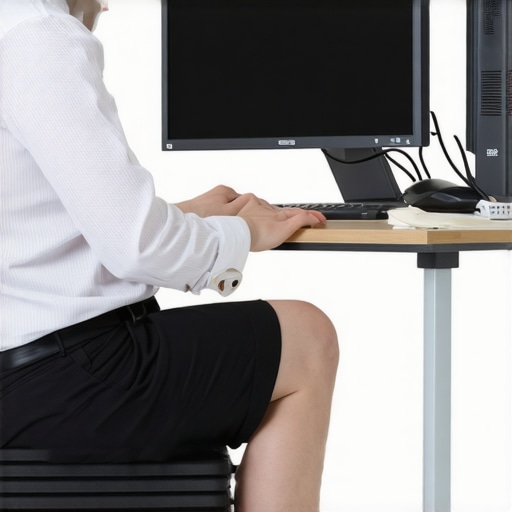
The Truth About Standing Desks and Back Pain Relief
One morning, I jolted awake with a sharp, shooting pain down my lower back. It was as if a thousand tiny needles were dancing on my spine, and I knew—something had to change. After months of ranting about how sitting all day was ruining my posture, I finally bought a standing desk. But instead of relief, I ended up with new aches, more stiffness, and a frustrating sense of being duped. Ever been there?
Getting Real About Standing Desks and Back Discomfort
Here’s the truth I wish I had known from the start: standing isn’t a magic fix. Like many, I fell for the hype that moving to a standing desk would cure my back pain overnight. The reality? Without proper setup and understanding, standing desks can actually exacerbate discomfort, leading to fatigue and even injury. My mistake early on was assuming that standing longer equated to better spine health—an assumption that cost me dearly. If you’ve faced similar struggles, you’re not alone. It’s time to cut through the noise and discover what really works.
Skeptical? Here’s What’s Really Going On
Many people, myself included, make the mistake of viewing standing desks as the ultimate solution without considering individual body mechanics. I learned the hard way that poor ergonomics and ignoring posture can turn a supposed remedy into an additional source of pain. Studies have shown that improper standing setups can increase pressure on the lumbar discs and cause muscle fatigue (source: Quackers Spinal). The key is understanding that the tool itself isn’t the answer—how you use it matters deeply.
So, if you’ve been feeling skepticism or even dread about switching to a standing desk, I get it. The good news is, with a few simple adjustments and proper knowledge, you can avoid the pitfalls and actually enjoy the benefits of standing more comfortably. Ready to learn how? Let’s dive into some expert-backed strategies to make your workspace work for your back, not against it.
Adjust Your Workspace for Comfort
The first step is optimizing your workstation. Ensure your monitor is at eye level to prevent tilting your head forward, which strains neck muscles. Keep your feet flat on the ground, knees at a 90-degree angle, and support your lower back with a lumbar roll or chair adjustment. I once spent an afternoon repositioning my keyboard and monitor, which immediately reduced shoulder tension and made typing feel less exhausting. Proper setup minimizes unnecessary muscle strain and fosters better posture.
Incorporate Regular Movement Breaks
Sitting or standing in one position for prolonged periods hampers circulation and stiffens muscles. Set a timer to remind yourself every 30 minutes to stand, stretch, or walk around. I started doing a quick 2-minute stretch every hour—touching my toes, rotating my shoulders, and gentle spinal twists. These movements activate muscles, reduce stiffness, and improve blood flow. Think of your muscles like rubber bands—flexing gently keeps them supple and resilient.
Practice Targeted Mobility Exercises
Engage in specific movements that enhance spinal flexibility. Dynamic cat-cow stretches, for instance, lift your spine and release tension from the neck to the lower back. During a busy workday, I dedicated 5 minutes to gentle yoga poses like the child’s pose and seated twists, which dramatically alleviated persistent back stiffness. These exercises improve range of motion, helping maintain mobility and prevent chronic discomfort.
Focus on Core Stability
A strong core acts as a supportive brace for your spine. Incorporate planks, dead bugs, or bird dogs into your routine to build deeper abdominal and back muscle strength. I found that by doing short, consistent core workouts thrice a week, I could better control my posture during daily activities. When your core is active, it absorbs shocks and reduces strain on your back muscles.
Seek Professional Guidance for Alignment and Pain
If discomfort persists, consulting a chiropractor can provide tailored adjustments that restore proper spinal alignment. During one visit, a gentle manual correction eliminated my persistent neck stiffness, allowing me to turn my head effortlessly again. Professionals can assess your specific issues, identify misalignments, and recommend exercises or treatments that accelerate recovery. Don’t hesitate to reach out at Quackers Spinal for expert help.
Many misconceptions cloud the understanding of back and neck pain, often leading people down ineffective or even harmful paths. A common myth is that pain always signifies injury that requires aggressive intervention. In reality, pain can be a protective nerve response, signaling imbalances or strain that could be addressed with targeted movement and proper alignment rather than just rest or medication. Overlooking this nuance can delay recovery and worsen the condition.
Another widespread error is assuming that more mobility always equates to better health. While staying active is crucial, pushing through pain or attempting advanced exercises without proper guidance can aggravate underlying issues. For instance, incorporating high-impact or complex mobility routines prematurely may cause microtrauma, especially if foundational stability isn’t established first. It’s vital to understand the progression of rehabilitation—moving from basic mobility to more dynamic movements as your body tolerates.
A particularly insidious trap is the oversimplification of chiropractic care as a quick fix. Many believe that a single adjustment will resolve persistent issues, but in reality, chiropractors often emphasize holistic correction—addressing muscle imbalances, joint mechanics, and lifestyle factors. Relying solely on adjustments without integrating supportive exercises or ergonomic modifications can lead to recurring problems. Learn more about how to maximize your chiropractic sessions by exploring chiropractic strategies for lasting relief.
Let’s get even more sophisticated:
Why might a focus solely on symptom relief undermine long-term recovery?
This is a critical question because symptom suppression, such as just using painkillers or temporary fixes, can mask underlying causes like postural habits or muscular compensations. For example, tight hip flexors or weak core muscles often pull the spine into maladaptive patterns, perpetuating discomfort. Addressing these requires understanding the interconnectedness of the body’s zones—a concept supported by recent research indicating that unresolved postural imbalances can re-trigger pain even after interventions (see more here).
Recognizing this nuance is essential. Persistent pain isn’t just an issue localized to one joint or muscle; it’s often a symptom of a system-wide imbalance. Re-engaging with professional guidance and investing in comprehensive strategies—like mobility exercises, ergonomic tweaks, and strengthening routines—can transform recovery from a temporary fix into a lasting solution. Have you ever fallen into this trap? Let me know in the comments. For tailored help, consider reaching out to experts who understand these nuances and can guide you through a personalized plan.Maintaining your spinal health requires more than just exercises and good posture habits; it demands the right tools and consistent routines. One device I personally swear by is a high-quality foam roller. I use the **[TriggerPoint GRID Foam Roller](https://quackersspinal.com/the-correct-way-to-use-a-foam-roller-for-back-pain)** every morning to release my thoracic and lumbar tension. This simple yet effective tool helps break up muscle adhesions, improve circulation, and prepare my body for the day ahead. Investing in a foam roller that offers firmness and durability ensures you get a deep tissue massage without causing additional discomfort. Over time, I’ve noticed a significant decrease in stiffness and an increase in mobility, especially after long periods of desk work.
Another game-changer for me has been a **digital posture reminder device**. I wear a small, discreet gadget on my upper back that buzzes whenever I slouch. This real-time feedback keeps me conscious of my alignment during those long work sessions, making ergonomic corrections second nature. Technology like this is predicted to become even more sophisticated, potentially integrating AI to provide tailored movement alerts and exercises, pushing the industry towards smarter, personalized spinal care.
For ongoing mobility tracking, I recommend software such as **[MobilityWOD](https://quackersspinal.com/mobility-mastery-expert-tips-for-back-pain-prevention-and-recovery)**, which guides you through daily routines designed to enhance flexibility and prevent injury. This app helps me plan my stretching routines based on accumulated data, ensuring I target areas prone to tightness.
How do I maintain these tools over time? Regular upkeep is essential. Clean your foam roller every few weeks with mild soap to prevent bacteria buildup. Replace electronics or gadgets after a couple of years to keep up with technological advances. Consistency is key—integrate these tools into your daily routine, just like brushing your teeth.
Looking ahead, the trend is moving toward **integrated smart systems** that combine physical devices with apps to deliver personalized spinal health plans. As technology advances, expect these tools to become more intuitive and tailored to your specific needs, making long-term management even more effective.
A tip to try now: Incorporate a daily 5-minute foam rolling session. Not only does it help release muscular tension, but it also signals your body to maintain better alignment throughout the day. Want to explore more about advanced chiropractic techniques? Check out **[chiropractic secrets for full mobility](https://quackersspinal.com/chiropractic-secrets-to-regain-full-mobility-after-injury)** and see how these strategies complement your tool-based approach.Through my personal experience with back pain and mobility struggles, I discovered that real progress often comes from challenging misconceptions and embracing a holistic mindset. One border I crossed was realizing that quick fixes—like simply switching to a standing desk—are rarely the answer unless paired with proper ergonomics and movement strategies. I also learned that listening to my body’s subtle cues and investing in targeted mobility exercises can accelerate healing more than aggressive interventions. Lastly, connecting with professionals who understand the complex interplay of posture, movement, and muscle balance has been a game-changer in my recovery journey.