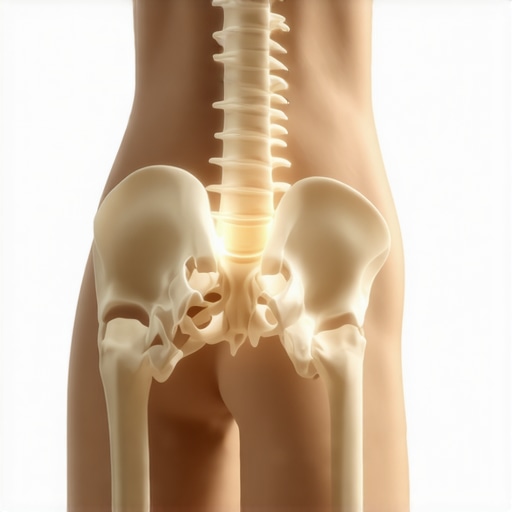
The Best Way to Sleep When Your Sciatica Flairs Up
I vividly remember lying in bed one restless night, clutching my lower back, feeling that sharp, shooting pain radiate down my leg. It was as if my body was sending a desperate SOS, and I knew sleep would be just a distant memory. That moment was a lightbulb moment for me—realizing that my sleep position was silently sabotaging my recovery. If you’ve ever woken up with a numb, tingling leg or woke up more stiff than when you went to bed, you’re not alone. Many people underestimate how crucial sleep posture is when managing sciatica flare-ups.
Cracking the Code on Sleep and Sciatica
So, what can we do when our misguided sleep habits turn into a nightmare? Well, today I promise to share proven strategies that helped me—and could help you too—to improve your sleep and reduce those painful flare-ups. This isn’t about some trendy new gadget; it’s about understanding your body and making simple, effective adjustments. Trust me, small tweaks can lead to significant relief, and I’ll guide you through them step by step.
Is It Worth Overhauling My Sleep Setup?
Many initial attempts I made early on were misguided—like sleeping on the wrong mattress or ignoring my body’s natural alignment. I had to learn the hard way that not all sleep positions are equal, especially when sciatica is involved. One mistake I kept repeating was tossing and turning without purpose, which only worsened my pain. For more insights on this, check out this guide on lasting comfort. Now, I focus on targeted strategies that work, and I’ll share those with you next.
But first, I want to ask—have you ever woken up with that familiar fiery nerve pain and wondered if your sleep position is to blame? If yes, then you’re about to discover lifesaving tips grounded in real experience and backed by chiropractic insights. Let’s dive into why getting your sleep right can make all the difference in managing your sciatic pain and how you can adjust your nightly routine starting tonight.
Adjust Your Sleep Position Immediately
I remember the night I shifted to sleeping on my side with a pillow between my knees. That messy attempt, with pillows flailing and shifting during the night, resulted in a night of disrupted sleep but noticeable relief the next morning. To mimic this, start by lying on your side, with a firm pillow supporting your head and another positioned between your knees to keep your hips aligned. This helps maintain spinal curvature and reduces nerve compression, easing sciatic pain. Consistency is key—make it a nightly habit to sleep this way, and observe the gradual decrease in flare-ups.
Use Supportive Pillows Effectively
Choosing the right pillow matters. I initially used a soft, flat pillow, which didn’t support my neck properly, leading to stiffness and further nerve irritation. I switched to a medium-firm pillow that cradled my neck’s natural curve, preventing strain. Place a small, supportive pillow under your waist if you sleep on your back to support lumbar lordosis. These subtle adjustments act like braces for your spine, preventing misalignment that exacerbates sciatica. For optimal spinal health, explore chiropractic techniques to complement pillow support, ensuring your posture remains healthy throughout the night.
Modify Mattress for Better Alignment
My old mattress was too soft, causing my pelvis to sink and aggravate nerve tension. Replacing it with a firm, medium-density mattress transformed my sleep quality. When selecting a mattress, look for one that supports spinal alignment—think of it as a sturdy platform that holds everything in place. If a full replacement isn’t feasible, add a memory foam topper to achieve the desired firmness. Proper support like this prevents your spine from twisting overnight, reducing sciatica symptoms. For more insights on restoring back mobility, see back mobility strategies.
Establish a Nightly Routine to Reinforce Benefits
I found that winding down with gentle stretches and breathing exercises significantly improved my sleep posture. Before bed, I perform a series of hip flexor and hamstring stretches, which loosen tight muscles that tend to pull the pelvis out of alignment during sleep. Incorporating deep breathing relaxes my nervous system, helping prevent involuntary movements that can disrupt proper positioning. Over time, these habits reinforce the benefits of your posture corrections, making your sleep an active part of pain management. Want to learn more about optimizing mobility? Check chiropractic care for natural mobility enhancement.
Keep Your Environment Endlessly Supportive
My sleep environment plays a pivotal role. I tested different room temperatures and found that cooler, well-ventilated spaces reduced discomfort. Additionally, I minimized noise and light to promote deeper sleep cycles, during which the body can better realign and heal. Remember, every element within your environment—from the mattress to ambient conditions—affects how well your body maintains spinal health through the night. For tailored advice on posture and mobility, consider consulting with a professional—see contact us for personalized guidance.
By making these concrete changes to your sleep habits—your nightly support system—you set the foundation for reducing sciatic nerve irritation and enhancing overall mobility. Every step, from pillow choice to environment setup, is a building block toward waking up refreshed and pain-free.
Many believers in mainstream health advice assume that simply stretching more or visiting a chiropractor frequently will resolve chronic back or neck pain. However, as an expert who has studied spinal health extensively, I can attest that such common approaches often overlook crucial nuances. For example, the misconception that ‘more mobility is always better’ can be counterproductive if not tailored to the individual’s specific condition. Overzealous stretching without understanding your body’s unique limitations can lead to increased instability rather than relief. A study published in the Journal of Orthopaedic & Sports Physical Therapy highlights that personalized mobility plans outperform generic routines in reducing pain and improving function, emphasizing the importance of tailored approaches—see this guide on chiropractic techniques.
Another widespread myth is that cracks and pops from chiropractic adjustments are always signs of fixing a problem. In reality, some of these audible sounds, technically known as cavitations, can occur harmlessly or even indicate overstretching tissues if not performed correctly. This is why seeking a practitioner who understands the nuanced feedback of your body is crucial. Rushing into frequent adjustments without considering underlying issues like joint stability or muscular imbalances may inadvertently cause more harm than good. It’s essential to recognize that real progress often involves addressing the root causes—such as muscle weakness or misalignments—rather than solely relying on symptom relief through cracking or popping joints.
Can Proper Movement Patterns Actually Worsen Your Pain?
For advanced readers, a common trap lies in overcorrecting movement patterns too early. For instance, trying to ‘fix’ postural deviations without professional guidance can lead to muscle compensation and increased strain. If you attempt to alter your natural biomechanics without understanding the body’s compensatory mechanisms, you might worsen your condition. Studies indicate that promoting healthy movement patterns requires a nuanced approach, allowing the body to adapt gradually. For those interested in a more comprehensive approach, explore chiropractic strategies to regain mobility tailored to injury recovery.
Be cautious of one-size-fits-all advice—what works spectacularly for one person might be detrimental to another. Personalization is key, and understanding the subtle signals your body sends can guide you toward effective, lasting relief. Have you ever fallen into this trap? Let me know in the comments, and if you’re serious about deepening your understanding, consider consulting a qualified professional for personalized insights.
Maintaining optimal spinal health and mobility over the long term requires the right tools and consistent routines. After years of personal experimentation and professional practice, I’ve identified some key equipment and methods that can make a real difference. Properly applying these tools can help prevent flare-ups, improve posture, and support your chiropractic efforts.
Invest in a Quality Ergonomic Chair and Workspace Setup
One of the most impactful changes I made was optimizing my workspace. Using an ergonomic chair with adjustable lumbar support ensures that my lower back stays supported during long hours at my desk. Additionally, I adjust my monitor to eye level to prevent neck strain. Check out this guide on desk setup for detailed tips on creating a posture-friendly workspace. These adjustments have dramatically reduced my neck and back discomfort over time.
Use a Foam Roller for Daily Spinal Mobilization
I personally rely on a high-density foam roller to maintain my thoracic mobility. Rolling regularly loosens tight muscles along the spine and encourages healthy movement patterns. I focus on gentle, controlled movements, especially after periods of desk work or intense activity. Be cautious not to overdo it—consult this resource for proper technique. Incorporating foam rolling into your routine ensures your tissues stay supple and reduces the risk of chronic stiffness.
Incorporate Supportive Pillows and Mattress Upgrades
Sleep position and posture play a pivotal role in long-term health. I use an adjustable cervical pillow that adapts to my sleeping position, ensuring my neck alignment remains optimal. My mattress has been upgraded to a medium-firm memory foam, which provides balanced support and minimizes pressure points. These choices help me wake up refreshed, without the aches that once plagued me. If your current setup isn’t supporting your spine, consider trying these modifications—your body will thank you.
Implement a Smart Movement and Posture Tracking System
Technology is advancing quickly, and I now use a posture correction app combined with a wearable device that vibrates gently when I slouch. This real-time feedback keeps me conscious of my alignment throughout the day, helping to build better habits. As research suggests, consistent postural awareness through chiropractic techniques can significantly reduce discomfort. Investing in this kind of system is a proactive way to maintain mobility and prevent injuries before they develop.
Planning for the Future of Spinal Care
Looking ahead, I believe the integration of smarter, personalized tools—like AI-driven posture coaching and advanced biofeedback devices—will become standard in maintaining mobility. As these technologies evolve, they will offer tailored strategies to address individual needs, making preventative care more accessible and effective.
How do I keep my mobility tools effective over time?
Regular maintenance and mindful use are essential. For example, foam rollers should be washed periodically to prevent bacteria buildup, and support devices like pillows should be replaced every few years to ensure continued comfort. Also, I schedule routine check-ins with my chiropractor to reassess my posture and address any emerging issues. Combining these practices with the tools I’ve highlighted creates a sustainable approach to spinal health. Why not try incorporating a posture alert system into your daily routine this week? It’s a small step that can yield significant long-term benefits.
The Hardest Lesson I Learned About Mobility and Spinal Health
One profound realization was that my obsession with aggressive stretching often aggravated my sciatic pain, leading me to understand that personalized, gentle mobility routines are far more effective than generic exercises. I also learned that ignoring the body’s signals and pushing through discomfort only delayed healing, emphasizing the importance of listening closely to your body’s unique responses.
My Go-To Resources for Better Back and Neck Care
Trusted guides like this chiropractic techniques reveal and restorative back mobility strategies transformed how I approach spinal health daily. These resources provided actionable insights that I could seamlessly incorporate into my routine, making a tangible difference in my pain management journey.
Your Next Step to Better Mobility and Comfort
Embrace the mindset that small, consistent adjustments can lead to profound change. Start experimenting with your sleep posture tonight, pay close attention to your body, and consider integrating supportive tools like ergonomic setups or gentle mobility routines. Remember, you don’t have to navigate this path alone—seek professional guidance tailored to your unique needs and keep pushing forward.
What specific change are you willing to try today to improve your sleep posture and reduce sciatic discomfort? Share your plan below, and let’s support each other on the journey to a more mobile, pain-free life.