The doorway stretch that actually fixes rounded shoulders
I remember the first time I felt that familiar tightness in my upper back after a long day hunched over at my desk. It was a dull ache mixed with a sense of frustration—like my body was gradually betraying me. One evening, as I stood in my doorway, experimenting with different stretches, I had what I call my ‘lightbulb moment.’ I realized that simple movements could make a real difference, especially for those stubborn rounded shoulders that seem to creep up on us without warning.
Today, we’re going to dive into a technique that transformed my posture and can do the same for you—the doorway stretch that actually fixes rounded shoulders. If you’ve been battling chronic discomfort, poor posture, or even feeling self-conscious about how your shoulders sit, this is where your journey to relief begins.
Why Your Posture Matters More Than You Think
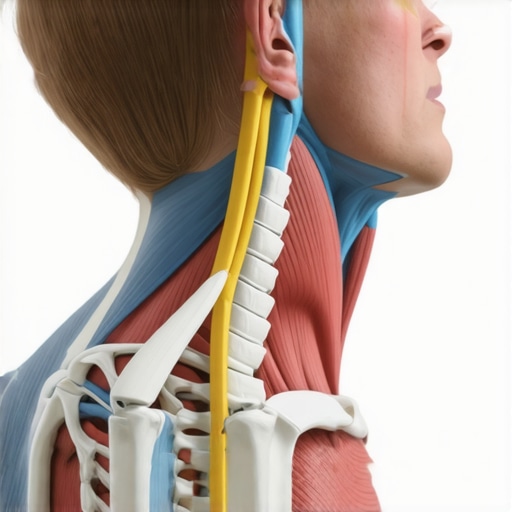
Poor posture isn’t just about looking slouched. It can lead to neck pain, headaches, and even reduced mobility over time. Rounded shoulders tend to develop gradually, often from habits like slouching during work or screen time. What many people don’t realize is that these postural habits can overstretch certain muscles while tightening others, creating a cycle that’s hard to break.
The good news? With a targeted approach like the doorway stretch, you can reverse these patterns. I found that this simple exercise helped me strengthen my back muscles, open up my chest, and restore a more natural alignment—all without expensive remedies or hours in the gym.
**Are you tired of feeling like your shoulders are pulling you forward, and are you ready to try something that actually works?** If so, keep reading. We’ll cover exactly how to do the doorway stretch correctly and share tips to avoid common mistakes that could hold you back.
For a deeper understanding of how posture impacts your overall health, you might find this resource helpful: [Understanding Back Pain](https://quackersspinal.com/understanding-back-pain-a-guide-to-better-posture-and-mobility). It offers insights into the mechanics behind your discomfort and practical steps to improve.
Before we get into the how-to, I want to address a concern many of my clients have: *Is this stretch really effective, or is it just another fad?* I’ll admit, I made the mistake early on of assuming all stretches are created equal—only to realize that specificity and proper technique are crucial for lasting change. That’s why I’ll walk you through the exact method that I personally used to see real, tangible results.
Set Up Properly to Target the Right Muscles
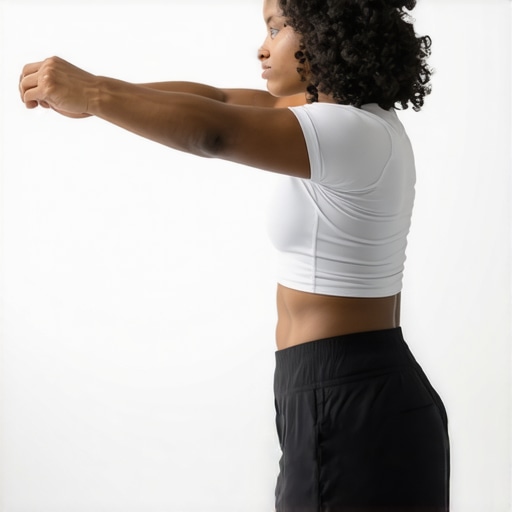
Stand in a doorway with your feet shoulder-width apart. Place your forearms on the doorframe at a 90-degree angle, with your elbows slightly below shoulder height. Remember, positioning is key; if your arms are too high or low, you’ll miss the target muscles. I vividly recall trying this in my living room, initially too close to the frame and feeling nothing—then realigning my arms made all the difference.
Execute the Stretch With Controlled Movements
Lean forward slowly, aiming to feel a gentle stretch across your chest and front shoulders. Keep your back straight, engaging your core to avoid overarching your lower back. As I did on a busy Saturday, I gently stepped through this motion five times, focusing on smooth, controlled movement. The goal isn’t to force the body but to encourage muscles to lengthen gradually.
Breathe Deeply and Hold the Position
Once you’ve leaned in enough to feel tension—usually around 20-30 seconds—hold your position while taking deep, diaphragmatic breaths. This deep breathing helps relax tight muscles and ensures you’re not compensating with other areas. I noticed that, on my first attempt, holding my breath made the stretch less effective. Proper breathing enhances the effectiveness of this move, which is crucial in easing chronic tension.
Know the Common Mistakes to Avoid
Many fall into the trap of overdoing it or using jerky movements. I once pushed too hard, feeling a sharp discomfort, which temporarily worsened my shoulder tightness. Remember, consistency beats intensity; gentle, deliberate movements foster long-term change. Also, keep your shoulders relaxed—not shrugged—so the stretch targets the chest muscles accurately.
Integrate with Your Routine for Lasting Results
Incorporate this stretch into your daily schedule, ideally 2-3 times a day. Pair it with other mobility exercises, such as thoracic rotations, for comprehensive relief. Just as I began doing this consistently, I observed my shoulders sit more naturally, and the nagging aches diminished remarkably. To learn more about optimizing your posture and understanding back pain, check out this resource.
 Many assume that all back pain stems from muscle strain or minor injuries, but the truth is far more nuanced. A common myth is that chiropractic adjustments alone can fix chronic issues, yet without addressing underlying mobility limitations or postural habits, relief might only be temporary. In my experience, over-reliance on quick fixes often masks deeper problems—such as mobility restrictions in the thoracic spine—that require targeted, expert intervention. For instance, a study published in the *Journal of Manual & Manipulative Therapy* emphasizes that restoring thoracic mobility can significantly reduce lumbar disc herniation symptoms, highlighting the importance of nuanced assessment over simplistic approaches. Beginners often fall into the trap of chasing immediate pain relief through aggressive stretching or adjustments, which can exacerbate issues if muscles are not properly balanced or if spinal biomechanics are overlooked. An advanced mistake many make is neglecting the interrelationship between neck, back, and pelvic alignment—factors that are interconnected and require a comprehensive corrective strategy. Questioning from more experienced clinicians digs into how subtle misalignments or fascial restrictions can perpetuate pain cycles despite apparent symptom resolution. Have you ever fallen into this trap? Let me know in the comments. To truly master back health, understanding the hidden links—like how pelvic tilt influences thoracic mobility—can be transformative. You can deepen your knowledge by exploring articles on [understanding back pain and mobility](https://quackersspinal.com/understanding-back-pain-a-guide-to-better-posture-and-mobility), which unpack these complexities with practical insights. Remember, genuine progress in spine health demands an awareness of these nuances, not just surface-level fixes or routine adjustments.Keeping your back and neck healthy is an ongoing journey that requires consistent effort and the right tools. Personally, I rely on a few specialized devices and techniques that have proven invaluable in my practice and daily routine. One such tool is the use of a Theracane—a targeted massage tool that allows me to reach and gently release tight muscles in hard-to-access areas like the upper back and shoulder blades. I also incorporate resistance bands for improving mobility and strengthening neglected postural muscles, which are crucial for long-term relief. Resistance bands are versatile, portable, and allow for controlled resistance exercises that can be tailored to your needs, helping to maintain the gains from chiropractic adjustments or mobility routines.
Another aspect I emphasize is the use of posture correction software integrated with wearable devices. For example, smart posture trainers like Upright or Lumo Lift provide real-time feedback on your alignment, gently reminding you when you’re slouching or leaning forward—common issues leading to chronic neck and back discomfort. I’ve found that consistent use of these tools fosters mindfulness about posture, speeding up the process of ingraining correct movements into daily life.
Looking ahead, the future of back and neck health seems to be headed toward personalized, data-driven solutions. Advances in biofeedback and AI will make it easier to create tailored routines that adapt to your progress, minimizing reliance on generic advice and maximizing effective long-term results.
How do I maintain mobility and prevent setbacks over time?
Regular check-ins with a healthcare professional remain essential, especially when integrating new tools or routines. I recommend periodic assessments to ensure you’re progressing safely and effectively. Incorporating mobility and strengthening exercises into your daily habits—like my favorite thoracic mobility drills or core stabilization routines—can help sustain improvements and prevent re-injury.
If you’re interested in optimizing your back health, I also suggest exploring resources on [mobility mastery and expert tips](https://quackersspinal.com/mobility-mastery-expert-tips-for-back-pain-prevention-and-recovery). Remember, combining these tools with educated movement and professional guidance can dramatically improve your chances of long-term relief.
Demystifying the Hidden Role of Wrist and Hip Mobility
One lightbulb moment I had was realizing that tight hips and restricted wrists can subtly influence shoulder posture, creating compensations that worsen rounded shoulders. Addressing these areas with targeted mobility exercises dramatically amplified my progress, proving that a comprehensive approach often beats isolated stretches.
The Power of Daily Micro-Adjustments
In my journey, I discovered that tiny, intentional posture tweaks throughout the day—like adjusting how I sit or how I carry my bag—compound over time, making a significant difference. These micro-movements foster mindfulness and keep the benefits of exercises like the doorway stretch alive between sessions.
Overcoming the Myth That Stretching Alone Is Enough
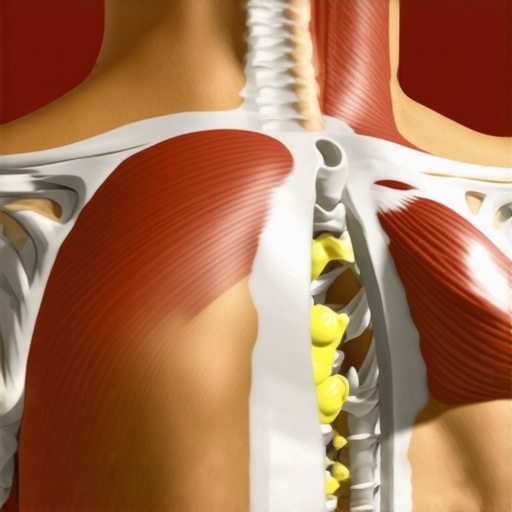
I once believed that stretching my chest would fix everything. Yet, without strengthening my upper back and improving spinal mobility, my shoulders would slump right back. Combining mobility drills with strength work created a more resilient posture, countering the misconception that stretching is a standalone fix.
The Underestimated Impact of Breath on Postural Correction
Deep diaphragmatic breathing during stretches like the doorway move not only relaxes tense muscles but also informs your nervous system to maintain better alignment. Realizing this connection transformed my approach—from mere stretching to mindful, breath-facilitated movement.
Curated Tools for Lasting Change
- Thoracic Foam Rollers: Gentle spinal mobilization devices that enhanced my flexibility and supported posture recovery.
- Resistance Bands: Versatile tools that helped strengthen my mid and upper back, reinforcing the corrections achieved through stretches.
- Posture Feedback Devices: Wearables like Upright or Lumo Lift provided real-time cues, making me aware of slouching before it became habitual.
These tools, personally vetted, made the difference between temporary relief and lasting transformation, underscoring the importance of combining movement with mindful feedback.
Embrace the Journey Toward Better Posture
Remember, addressing rounded shoulders isn’t about quick fixes—it’s about building awareness, integrating smart habits, and celebrating small victories along the way. Your body is capable of remarkable change with consistent, deliberate effort. If you’re committed to unlocking a healthier, more confident posture, take that first step today and integrate movements like the doorway stretch into your routine. Curious—what’s the first small change you plan to try? Share below and inspire others on their journey to better back health!