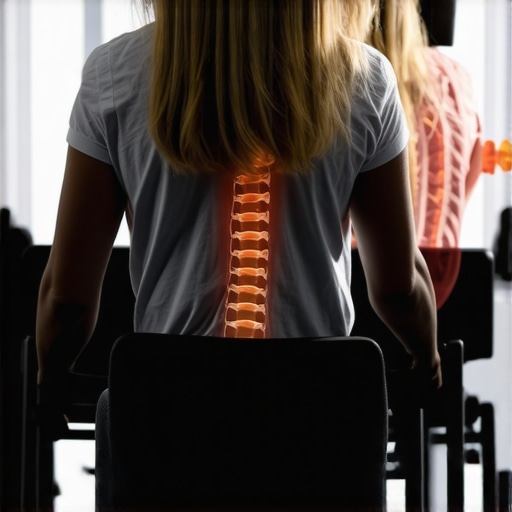
How your vision issues are actually forcing your neck into a bad position
I remember the exact moment I realized my vision issues weren’t isolated problems—they were silently twisting my posture into a stubborn knot. It happened during a routine visit to my eye doctor. While focusing on a distant object, I felt an inexplicable strain in my neck. That discomfort didn’t go away; it only worsened over time. One day, I caught myself in the mirror, noticing how my head chaotically jutted forward, all because my eyes struggled to keep up with the world around me. It was a lightbulb moment: my vision problems were **forcing my neck into a bad position**, which in turn was wreaking havoc on my entire back.
Why Your Eyes Might Be the Hidden Cause of Neck and Back Pain
It might sound strange, but your vision and spinal health are more connected than most realize. When your eyes don’t focus properly, your body instinctively compensates—tilting your head or shifting your posture—to get a clearer view. Over time, these small adjustments become habitual, leading to persistent neck stiffness, pain, and even headaches. I learned this the hard way, definitely making the mistake of dismissing my eye strain as a minor inconvenience, instead of viewing it as part of a bigger issue. That led me down a rabbit hole of ineffective treatments, until I discovered the crucial link between eye health and spinal alignment. To get things back on track, I had to look beyond traditional approaches and consider how my vision was influencing my entire posture.
Did you know that a misalignment in your eyes can actually alter your head position, putting uneven pressure on your neck and shoulders? According to a study published in the Journal of Spinal Disorders & Techniques, poor visual function can significantly affect postural stability and spinal alignment (source). This was a game-changer for me. Once I acknowledged this connection, I began exploring how chiropractic care could help me correct these compensations naturally. If you’ve been battling chronic neck or back pain and haven’t considered your eye health as part of the solution, it could be the missing piece you’ve been looking for.
So, are you wondering whether your vision struggles might be quietly shaping your posture—and, ultimately, your pain levels? If so, you’re not alone. Many people don’t realize how much their eyes influence how they hold themselves throughout the day. Recognizing this is the first step toward meaningful relief. Now, let’s dive into what you can do to address this hidden link and start aligning your body for better comfort and mobility.
Start with Eye Movement Exercises
My first breakthrough came from simple eye movement drills. Sit comfortably, and slowly look from left to right, then up and down, holding each position for a few seconds. Do this for two minutes daily. The goal is to improve eye muscle coordination, reducing the need for your body to compensate for strain. I did this during my lunch break, and within a week, I noticed my neck tension easing. Consistent practice can gradually reset your visual focus, alleviating postural burdens.
Optimize Your Workspace for Better Posture
Next, I assessed my workspace. Poor ergonomics can force your eyes into unnatural positions, prompting compensations. Adjust your monitor to eye level so you don’t look down or up excessively. Ensure your chair and desk keep your head aligned over your shoulders. I repositioned my screen and used a document stand, which kept my neck neutral. This simple tweak lessened my forward head posture and reduced strain, making daily tasks more comfortable.
Incorporate Chiropractic Adjustments
Regular chiropractic care played a pivotal role. I discovered that targeted adjustments can realign the cervical spine, restoring proper neck function that supports healthier eye posture. For example, I worked with my chiropractor to focus on upper cervical adjustments, which directly impact eye and head positioning. This approach not only eased my neck pain but also improved my posture’s foundation. To learn more about how chiropractic techniques can enhance mobility, visit this resource.
Practice Targeted Stretches and Strengthening
Stretching tight muscles and strengthening weak ones made a significant difference. I focused on gentle neck stretches—like the chin tuck, which encourages proper alignment—and strengthening my upper back muscles with bird-dog and prone Y raises. These exercises promote balance, preventing the forward pull that causes poor posture. Incorporating these into my daily routine gave me a more resilient posture, reducing strain during long hours at the computer.
Use Visual Cues and Reminders
To maintain my new posture, I set periodic reminders on my phone to check my alignment. I also placed a sticky note on my monitor: “Keep Head Over Shoulders.” These cues kept me conscious of my posture throughout the day, preventing regressions. Consistency is key; small reminders reinforce habits that combat the habits formed by years of poor visual posture.
Educate Yourself and Seek Professional Guidance
Finally, I learned the importance of understanding my unique needs. Consulting with a professional who understands the link between vision and spinal health can tailor an approach suited to you. Professionals may recommend specific therapies or assessments for your eyes and spine, ensuring you don’t overlook hidden contributors to pain. To explore more about how chiropractic care can support recovery, check this comprehensive guide.
Many believe that improving mobility is simply about stretching more or cracking your back—yet, this misconception can hinder true progress. The truth is, a holistic understanding reveals that mobility isn’t just about loose joints but involves complex neuromuscular coordination. For instance, relying solely on passive techniques like immediate joint cracking can actually weaken your body’s natural ability to stabilize, leading to further pain or injury over time chiropractic techniques. One common myth is that pain in the neck or back always stems from structural issues needing manual adjustment; however, recent research emphasizes the importance of neural factors like proprioception and muscle memory. Over-focusing on isolated treatments without addressing underlying neuromuscular patterns often results in recurrence. An advanced mistake I see repeatedly is the neglect of movement variability—sticking to repetitive routines without diversifying motion patterns can cause joint stagnation, increasing the risk of pain expert solutions. So, how can you genuinely enhance mobility without falling into these traps? Incorporate dynamic movements that engage multiple planes of motion, and work with professionals who understand the nuanced interplay between joint health and neural control. Avoid common pitfalls like only stretching passive tissues; instead, focus on active neuromuscular exercises that retrain your body’s natural movement patterns. This attention to detail ensures long-term benefits, reducing reliance on quick fixes. Moreover, being aware of how maladaptive postural habits reinforce pain cycles helps prevent injury. For example, poor desk ergonomics not only strain your neck but also disrupt your our body’s capacity to adapt effectively ergonomic tips. A critical nuance that many overlook involves proprioceptive feedback—your body’s ability to sense joint position—which is essential for maintaining healthy, adaptable movement. When proprioception is compromised by inactivity or injury, the risk of developing chronic pain skyrockets. Studies confirm that proprioceptive deficits contribute significantly to postural imbalances and joint degeneration proprioception and pain. Therefore, the key isn’t just pushing through pain or stretching blindly, but carefully retraining your body’s awareness through controlled, multi-directional exercises. Are you possibly caught in the trap of quick-fix solutions? Harnessing advanced strategies rooted in neuromuscular science will set you on a sustainable path to relief. Have you ever fallen into this trap? Let me know in the comments.
Maintaining Your Progress with Effective Tools
Once you’ve started your journey toward improved mobility and pain management, the key to long-term success lies in using the right tools consistently. Personally, I rely on a combination of specific equipment and software that help me stay aligned and monitor my progress. For example, I swear by the use of a foam roller—a simple yet powerful device that helps release tension in my back and hips. I incorporate targeted rolling sessions daily, focusing on my thoracic and lumbar regions, which has drastically reduced stiffness and prevented flare-ups. Foam rolling is an external resource that guides you through proper techniques, ensuring you avoid common mistakes like applying too much pressure or rolling over sensitive areas.
In addition, I consistently use posture correction apps to keep my spinal alignment in check between chiropractic visits. These apps utilize gentle nudges, reminders, and real-time feedback based on my device’s sensors, to encourage me to maintain proper ergonomics throughout the day. Apps like ‘Upright GO’ have transformed my awareness of posture, making me conscious of tendencies like forward head position or rounded shoulders. Integrating such digital tools creates a feedback loop that reinforces good habits, preventing lazy postures from creeping back in. For a deeper dive into how tech can support your mobility goals, explore this guide.
Another essential aspect I recommend is periodic use of proprioception training devices. These include balance boards or stability cushions, which challenge your body’s awareness of joint position and enhance neuromuscular control—vital for long-term pain reduction. Engaging regularly in these exercises, especially after professional adjustments, helps cement new movement patterns and prevents regression. Recent research underscores the importance of proprioception in maintaining spinal health (source), so incorporating such tools can be transformative.
Looking ahead, I predict wearable technology will become even smarter—integrating AI with biofeedback to personalize your mobility routines and monitor your posture automatically. Imagine a future where your device gently vibrates whenever you slouch, prompting instant correction, making mindful posturing effortless over time.
How do I keep my mobility tools effective over the long haul?
The secret is consistency coupled with periodic reassessment. Schedule regular check-ins with your chiropractor to recalibrate your routines and address any emerging issues. Don’t forget to update your apps and tools, ensuring they are functioning correctly and offering the latest features. Personally, I set monthly goals and review my progress using logs and app analytics, which keeps me motivated and aware of my evolving needs. Incorporating variety in your exercises and tools is crucial; don’t let your routine become stale—switching between rolling, proprioceptive work, and stretching helps target different tissues and neural pathways, reinforcing your progress. Additionally, seeking expert guidance for personalized adjustments ensures your tools support your unique anatomy and pain points effectively. For this reason, I recommend consulting professionals who understand the complex link between neuromuscular control and spinal health. For more insights on integrating tools into your daily routine, explore this comprehensive resource.
Throughout my journey with mobility, neck pain, chiropractic care, and back pain, I’ve uncovered insights that quietly reshaped my approach—lessons that aren’t typically shared but are invaluable for lasting change.
The Hardest Lesson I Learned About Mobility, Neck Pain, Chiropractic, and Back Pain
Patience is essential. I once believed quick fixes would solve my pain, but real progress required consistent effort over time. Embracing slow, deliberate movements and trusting the process was a game-changer, helping me avoid setbacks and fostering true healing.
Why Flexibility Isn’t The Whole Story
I realized that focusing solely on stretching can sometimes do more harm than good. Strengthening the supporting muscles and improving neuromuscular control proved more effective. This balance kept my spine resilient and reduced reliance on passive treatments.
Listening to Your Body: The Unspoken Language
Healing starts when you honor your body’s signals. Ignoring minor discomfort often leads to bigger issues. Developing awareness and responding early prevented my pain from escalating and built a foundation of trust between me and my body.
Consistency Over Intensity: The Secret to Lasting Relief
It’s tempting to chase intense routines, but regular, manageable habits outperformed sporadic, vigorous efforts. Integrating simple exercises into daily life created sustainable progress, making long-term mobility achievable.
Curated Resources to Deepen Your Understanding
Beyond my personal experience, I found these tools and resources invaluable: Chiropractic techniques opened my eyes to structural solutions, while natural chiropractic care supported my journey holistically. The expert insights provided clarity on neuromuscular health, ensuring I stayed informed and empowered.
Your Next Step Toward Lasting Mobility
Remember, every step toward improved movement is a step toward better quality of life. Embrace the knowledge, implement consistent habits, and seek guidance tailored to your needs. Your mobility transformation is within reach—start today and trust the process that has transformed countless lives, including my own.