The chair exercise that keeps your spine young while working
There was a morning not too long ago when I snapped upright at my desk, my neck stiff and throbbing. It hit me like a punch to the gut—how many hours had I spent hunched over, ignoring those tiny signals my body was giving me? That moment was my lightbulb. I realized I needed to rethink my rituals, especially during long work hours, to keep my spine youthful and pain-free.
The Secret Weapon for a Healthy Spine During Work Hours
Now, I want to share a simple, yet powerful technique that’s become my go-to routine—an exercise I call “the chair twist.” It’s a gentle move you can do right at your desk, designed to activate your spinal mobility and prevent that dreaded stiffness from creeping in. Trust me, it’s a game-changer, especially if you spend hours sitting. I promise that incorporating this small change will make a noticeable difference in your comfort levels, and it’s perfect for slipping into your daily routine.
Skeptical About Its Effectiveness? Here’s What I Learned
When I first heard about exercises like this, I was skeptical. I had made the mistake early in my journey of thinking that sitting still was just part of the job, ignoring how vital movement is for spinal health. I remember one particular day when I pushed through a persistent pain, convinced it was just part of aging. It wasn’t until I started paying attention—actually trying these exercises—that I saw tangible improvements. And yes, I did mess up at first; I tried too much, too fast, which only intensified discomfort. Proper technique is key. For more insights on how to safely enhance your mobility, check out this article.
So today, I’ll guide you through how to keep your spine young, even when your job requires hours of sitting. Are you ready to reclaim your comfort and mobility? Let’s dive into the first step—keeping your spine happy, healthy, and moving.
,
Master the Chair Twist for Immediate Relief
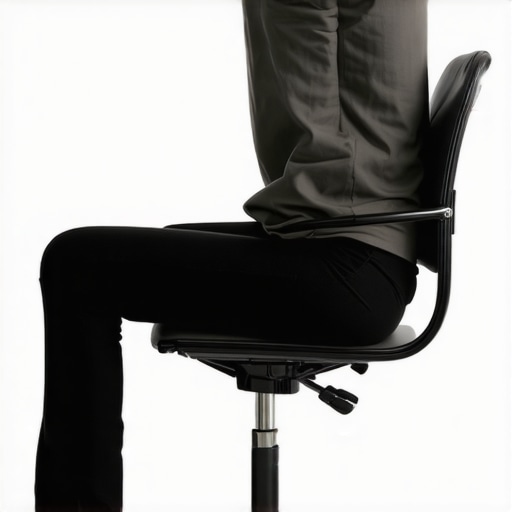
Start by sitting upright with your feet flat on the floor, and place your right hand on the external part of your left thigh. Gently twist your torso to the left, using your hand for a slight leverage. Hold for 10 seconds, then slowly return to center. Repeat on the other side. This move activates your spinal muscles and improves mobility, preventing stiffness from sitting too long. I once incorporated it during a particularly lengthy work session; initially awkward, but soon became a vital part of my routine, noticeably reducing neck tension.
Techniques to Maintain Mobility Throughout the Day
Set a timer every 30 minutes to remind yourself to perform quick stretches or movements like neck rolls, shoulder shrugs, or mild back bends. Think of your spine like a chain—each link needs movement to stay strong and flexible. During a frantic email reply, I paused, gently tilted my head side to side, and rotated my shoulders. The relief was instant, and it prevented upcoming pain from setting in. These micro-movements may seem small, but cumulatively, they safeguard your spinal health.
Implement the Wall Angel for Posture Correction
Stand with your back against a wall, feet a few inches away, and your lower back gently pressed in contact. Raise your arms to form a 90-degree angle at your elbows, palms facing out. Slowly glide your arms upward and downward, keeping them pressed against the wall. This exercise reinforces proper shoulder alignment and reduces forward head posture. I tracked my progress over a week; my shoulders felt less tense, and my neck discomfort decreased. Consistency turns this simple move into a powerful posture ally.
Optimize Your Workspace for Better Spinal Health
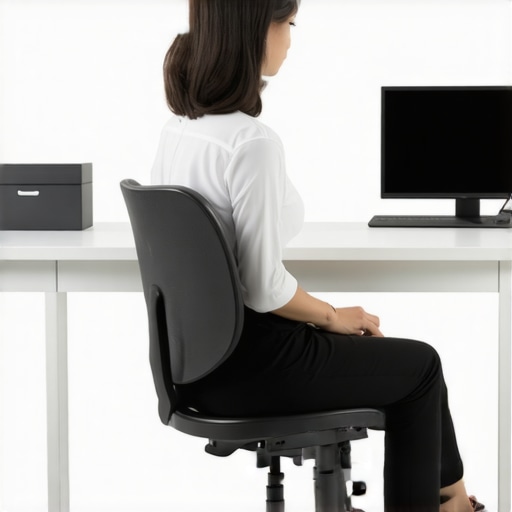
Adjust your chair and monitor so that your eyes align with the top third of the screen, and your feet rest flat on the floor. Use lumbar support if necessary. Think of your workspace as your body’s foundation; proper ergonomics prevent compensatory movement that causes pain. I once ignored these tips, ending my day with a throbbing neck and back. That night, I revisited my setup, which drastically improved my daily comfort and long-term health.
Incorporate Movement Breaks Regularly
Stand up and walk for a minute every 20-30 minutes. If standing isn’t feasible, perform seated spinal rotations or gentle neck stretches. Your spine thrives on frequent movement—like an engine that needs regular oiling. When I implemented these breaks, I noticed my posture stayed better aligned, and pain episodes diminished. These small shifts in habits can have lasting benefits for spinal integrity.
Engage Your Core to Support Your Spine
Strengthening your core muscles provides a natural brace, reducing the load on your neck and back. Simple exercises like pelvic tilts or gentle planks can be done at your desk or during short breaks. Protecting your spine is akin to building a sturdy foundation for a house—without it, everything else risks collapsing. Once I added core exercises to my routine, I experienced fewer episodes of discomfort, even after long days of work. Consistent core engagement keeps your spine resilient and mobile.
Remember, these steps are about creating habits that support your spinal health daily. Small adjustments, when practiced regularly, lead to significant improvements in neck and back comfort over time. For deeper insights into safe pain management and mobility, consider exploring how chiropractic care enhances movement or a guide to better posture.
Many believe that neck pain is simply a result of poor posture or minor muscle strain, but the truth goes deeper. A common misconception is that once pain subsides, the problem is fully resolved. However, this overlooks the intricate relationship between spinal alignment, mobility, and neurological function. In my experience as a chiropractor specializing in mobility and pain management, addressing only the surface-level symptoms often leads to recurring issues. For example, some patients focus solely on stretching or strengthening without considering spinal zoning and joint health—key factors that influence the nerve signals governing neck function. Studies have demonstrated that misalignments in the cervical vertebrae can subtly impair nerve conduction, perpetuating discomfort and mobility restrictions even after pain diminishes (see here). A notable myth is that chiropractic adjustments are only about cracking joints; in reality, they re-establish proper spinal biomechanics, which is essential for both immediate relief and long-term health. Overlooking this nuance can trap individuals into cycles of temporary relief without addressing the root cause. Additionally, many misunderstand the importance of comprehensive mobility work—staying still fosters stiffness, but without expert-guided, nuanced movement protocols, the spine’s natural resilience remains compromised. When working with advanced cases, I emphasize a tailored approach that combines precise adjustments with mobility techniques that focus on both soft tissue and joint health, ensuring the nervous system is optimized for healing and function. Curious about how these subtle factors influence your experience with neck pain? I recommend exploring this expert guide for more insights. Remember, true health isn’t only about alleviating pain; it’s about understanding and maintaining the complex balance of your spinal and nervous system.
Why Do Misalignments Persist Despite Treatment?
An advanced question I often get is how some misalignments stubbornly resist correction, leading to recurrent problems. Persistent misalignments are frequently linked to underlying structural imbalances—such as pelvic tilt, foot alignment, or muscular compensations—that require comprehensive assessment. Ignoring these can result in only short-lived improvements. For sustained health, integrating holistic strategies—including gait analysis and lifestyle modifications—proves invaluable. As I cover in this article, addressing the full kinetic chain enhances mobility and reduces nerve irritability, promoting more lasting results. If you’re interested in further precision techniques, check out these methods for advanced recovery.
Have you ever fallen into this trap? Let me know in the comments.
,
Maintaining spinal health requires more than just exercises and good posture; it demands the right tools and routines that support your body day in and day out. Over the years, I’ve honed a set of specific devices and methods that help me stay mobile, reduce pain, and prevent setbacks—especially for those long workdays or when scaling up mobility efforts. Today, I want to share these tools, explain why I rely on them, and predict where this trend is heading in the future.
My Favorite Tools for Lasting Spinal Wellness
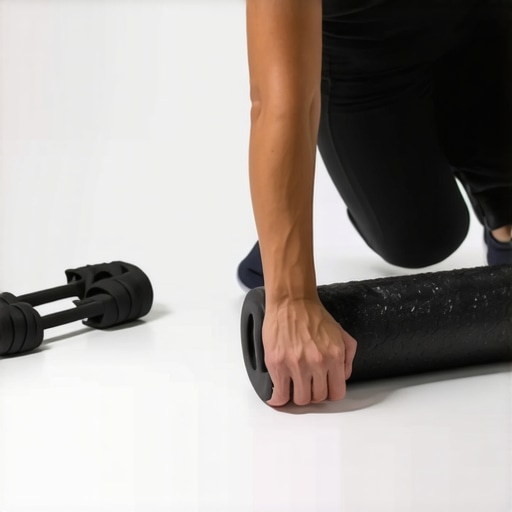
First on the list is a high-quality foam roller, specifically one with a medium-density surface. I use it daily to perform my own soft tissue work, especially on my thoracic spine and hips. Unlike cheaper options, my roller provides enough firmness to break up muscle knots without causing discomfort or risking injury. Consistent foam rolling helps keep my muscles supple and my joints mobile, reducing the likelihood of stiffening that can lead to pain. To optimize results, I incorporate a myofascial release technique inspired by Dr. Kelly Starrett’s methods, which you can explore more deeply in this resource.
Second, I swear by a set of resistance bands, especially for strengthening my shoulder and neck stabilizers. The bands are portable, inexpensive, and versatile—they allow me to perform resisted movements that reinforce my posture and mobility, even during travel or tight schedules. The key is to perform controlled, slow repetitions that activate deep stabilizer muscles, which are often neglected but crucial for long-term health.
Why I Trust Specific Chiropractic Devices
A game-changer has been a portable cervical kneading pillow, which I use before bed and after long work sessions. This device mimics the hands of a skilled chiropractor, providing targeted massage to my neck muscles. It’s especially effective at releasing tension and improving blood flow, which aids recovery and keeps persistent discomfort at bay. The psychological comfort of knowing I have an easy-to-use, personalized tool makes it easier to stay consistent with my routine.
Looking ahead, I believe the integration of smart devices will revolutionize spinal maintenance. Imagine wearable sensors that track your posture in real-time and suggest immediate corrections—much like a coach for your body. Already, apps with biofeedback features are emerging, giving personalized guidance based on your movement patterns. These innovations will make proactive, preventive care more accessible and precise, reducing reliance on reactive treatments.
How Do I Keep This Going Over Time? Practice, Technology, and Adjustment
The most important tip I can give is habit-building: set aside a few minutes daily to use your tools consciously. Combining physical tools like foam rollers and resistance bands with digital reminders or biofeedback devices ensures you stay accountable. Additionally, as your mobility improves, I recommend revisiting your routine every 4-6 weeks to adjust intensity, incorporate new exercises, or explore advanced techniques. For example, I recently added a cervical traction device recommended by this cornerstone article and noticed significant relief from minor neck stiffness.
If you’re ready to upgrade your maintenance routine, I highly suggest trying a targeted mobility protocol that combines these tools. Start with a foam roller session, incorporate resistance band exercises, and consider adding a smart posture device. Consistent application over months will dramatically enhance your longevity, helping you move freely and comfortably. Want a personalized plan? Reach out through my contact page and let’s tailor your tools for sustained success.