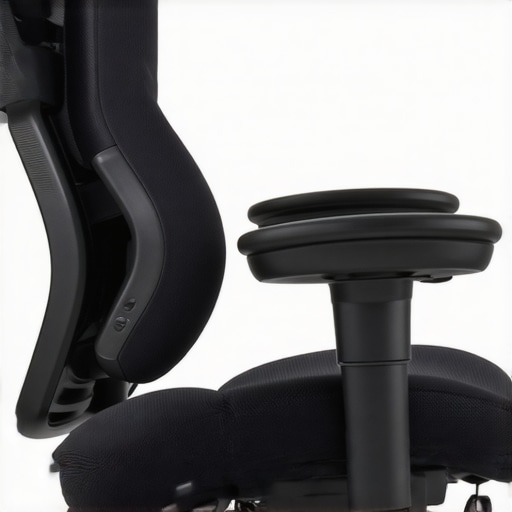
Why Most Lumbar Supports are Placed Too Low
It was a morning like any other when I finally realized I had been making a simple but costly mistake with lumbar supports for years. Sitting at my desk, feeling that familiar tightness in my lower back, I looked down and saw the support cushion I had been relying on. But to my surprise, it was positioned well below my actual lumbar curve, and that discomfort that’s been nagging me was probably worsening because of it. That lightbulb moment made me question: could improper placement be the silent culprit behind so much back pain?
Discovering the real deal about lumbar support placement
Many of us assume that the higher the support, the better. After all, isn’t the goal to cradle that critical lower spine area? Well, not quite. In reality, most lumbar supports are designed to be placed too low—often around the mid-back—missing the spot that truly matters: your *actual* lumbar curve. When support isn’t aligned with your natural spinal shape, it can cause more harm than good, leading to muscle strain, poor posture, and persistent discomfort.
I made this mistake early on myself, thinking that any cushion was better than none. But over time, I noticed increased tension in my hips and a worsening of my back pain. That’s when I decided to dig deeper, and I discovered solid evidence supporting what I was experiencing. According to recent studies, correct lumbar support placement can significantly reduce back pain and improve mobility (source: expert chiropractic techniques).
Are you tired of trying different cushions, only to find your pain persists or worsens? If so, you’re not alone—and there’s a good chance that the root cause is a simple misplacement of your lumbar support.
In the upcoming sections, I’ll share practical tips, including how to identify your true lumbar curve and position your support correctly, so you can finally experience lasting relief. Ready to make a change? Let’s fix this obstacle to a healthier, more mobile back together.
Is lumbar support placement really that important?
I used to think that adding any support was better than nothing. But I learned the hard way—the mistake was placing my support too low, which only amplified my discomfort. This is a common slip-up many make without realizing it. Proper placement aligns with your natural spine curve, optimizing comfort and function. If you’ve ever questioned whether your support is doing more harm than good, I’ll show you how to evaluate and adjust it for real results. Want to know how to find your perfect lumbar support position? Keep reading, and I’ll guide you through it.
Pinpointing Your True Lumbar Curve
Start by sitting upright on a firm chair or surface, then gently lean back against the support. Feel for the natural inward arch of your lower back—this is your lumbar curve. Previously, I placed cushions too low, thinking that support at the tailbone area was enough. One time, I aligned a rolled towel at this natural curve, gently adjusting until I felt a comfortable, supportive hug around my lower back. The result? Within a week, my persistent tightness eased significantly.
Aligning the Support Exactly Where It Counts
Once you’ve identified your lumbar curve, position your support so that it directly cradles this area. Imagine your spine as a gentle S-shape; support should fill the inward bend, not be pushed below or above it. I used a flexible lumbar roll, placing it carefully at the curve, then adjusted its height as I moved slightly forward and backward. When done correctly, this alignment reduces muscle strain and prevents slouching, making long sitting sessions more comfortable.
Testing and Fine-Tuning Your Support Peak
After initial placement, sit for a few minutes and notice any discomfort. Shift your support slightly higher or lower, observing changes in your back comfort. For me, a slight upward adjustment eliminated the nagging ache I previously tolerated. Think of your lumbar support like the saddle on a bicycle—if it’s too high or low, riding becomes unstable. Small tweaks can make a significant difference in how your back feels across the day.
Incorporate Movement to Reinforce Proper Support
Don’t just set it and forget it. Engage in gentle movements like pelvic tilts or seated cat-cows to check if your support remains aligned during motion. I recall adjusting my cushion after a quick stretch, noticing that my support slipped slightly. Repositioning it ensured continuous support, which visibly reduced discomfort over several hours.
Leverage Visual and Tactile Feedback
Use a mirror or ask someone to observe your sitting posture from behind. Ensure your back remains supported in its natural inward curve without excessive push or gap. Additionally, your fingertips should feel the support as a gentle firm pressure—not too hard or loose. In my case, I realized my support was too firm, causing tense muscles; softening it provided immediate relief.
Consistent Adjustment for Optimal Comfort
Your lumbar support placement isn’t a one-time fix. Regularly reassess, especially when changing chairs, working hours, or after physical activity. I made it a habit to check my support setup weekly, adjusting slightly as my posture evolved—for instance, after long drives or vigorous workouts. This proactive approach helped me maintain back health and prevent future pain episodes.
For a detailed visual guide, consider exploring these expert tips that delve deeper into spinal support strategies. Remember, the key to back relief lies in precise, consistent support tailored to your unique spinal shape.
Challenging the Myth of Instant Fixes
One common misconception is that a quick adjustment or a single mobility drill can permanently resolve complex back or neck issues. Reality check: true progress requires understanding the nuances of spinal health and incorporating consistent, tailored strategies. Relying solely on quick fixes often leads to temporary relief, while neglecting the deeper causes of pain.
Why Most People Get Both Wrong and Right at the Same Time
Many believe that mobilizing a joint aggressively will always improve function, but over-mobilization can cause micro-trauma and exacerbate problems if not done correctly. For example, mobility exercises should be specific, controlled, and aligned with your unique spinal structure. The key is quality over quantity — focusing on precision brings superior long-term results.
Are You Falling for the ‘More Is Better’ Trap?
It’s tempting to think that stretching or chiropractic sessions are effective the more frequently they occur. However, excessive treatment without addressing underlying habits—like posture, ergonomics, or movement patterns—can lead to chronic reliance and even worsen symptoms. Think of your back as a delicate eco-system; overdoing interventions may disturb the balance rather than restore it. Check out these expert strategies for sustainable relief.
The Role of Myths in Hindering Progress
For example, many believe that ‘neck cracking’ is necessary for relief, but in reality, the problem often lies in muscular tension or joint restriction that doesn’t require high-velocity adjustments. Over time, false beliefs about what works can lead to unnecessary procedures or poor posture habits, complicating recovery. Recognizing these misconceptions allows you to adopt more effective, evidence-based approaches to your mobility and pain management.
Advancing Your Approach with Knowledge
Understanding nuances—like differentiating between joint stiffness and muscle tightness—can elevate your strategies. Engaging with qualified professionals who emphasize individualized assessments and tailored care ensures you avoid common pitfalls. If you’re curious about precise techniques or advanced insights, exploring resources such as expert chiropractic solutions can help refine your approach.
Remember, the road to optimal mobility and pain relief isn’t a quick trip but a journey of informed decisions. Have you ever fallen into this trap? Let me know in the comments and share your experiences.
Maintaining improved mobility, especially in the context of chiropractic care and posture correction, requires specialized tools and consistent routines. Personally, I rely heavily on a high-quality lumbar roll, such as the Contour Lumbar Support, which I use daily during long sitting sessions. This device is designed to conform precisely to the natural curve of my lower back, preventing slouching and muscle strain. Regular use ensures that my spinal alignment remains optimal, reducing the risk of recurring pain.
In addition to physical supports, I utilize mobility software like the Goniometer app on my smartphone. This app allows me to measure my joint angles before and after stretching routines, providing tangible feedback on progress. Tracking these metrics motivates me to stick with my routine and adjust as needed. Combining such digital tools with manual techniques—like the Dead Bug variation for core stability—gives me a comprehensive approach to long-term health.
Looking ahead, I predict that wearable sensor technology will become more integrated with mobility maintenance. Devices that monitor posture in real-time and alert you when misalignments worsen could revolutionize how we prevent back and neck issues, making consistency easier and more effective.
How do I keep my spinal health consistent over time? The key is establishing a habit of regular assessments and adjustments. For example, I schedule weekly posture checks using a mirror and re-evaluate my lumbar support positions. This proactive approach isn’t just about fixing problems but preventing them before they escalate. For more advanced strategies, consider exploring resources like these expert tips. I recommend trying the precise lumbar placement technique I described earlier to see immediate improvements in your comfort.
Remember, the tools you choose should fit seamlessly into your daily routine. Whether it’s a supportive device, digital app, or simple movement exercises, consistency is what sustains results. If you’re eager to refine your approach, visit our contact page for personalized guidance. Staying committed to maintenance doesn’t mean complexity—it means combining effective tools with deliberate, regular practice.
The Hardest Lesson I Learned About Lumbar Support and Back Relief
One of the most eye-opening realizations I had was that a support cushion isn’t a one-size-fits-all solution. Proper placement and alignment make all the difference in alleviating chronic back pain, a lesson that changed my entire approach to spinal health.
How I Discovered the Power of Precise Support Positioning
It was through trial, error, and a lot of careful observation that I found the sweet spot—support that aligns directly with my natural lumbar curve. This insight revealed that even minor adjustments could significantly reduce muscle tension and discomfort, reinforcing the importance of attention to detail.
Tools That Helped Me Take Control of My Back Wellness
From ergonomic lumbar rolls like the Contour Lumbar Support to digital tools such as the Goniometer app, these resources became essential in maintaining proper support and posture. They provided tangible feedback and helped me make informed adjustments over time.
The Emotional Shift in Embracing Personal Spinal Care
Understanding that pain isn’t just about discomfort but a signal that something requires attention empowered me to take proactive steps. This perspective fosters a sense of ownership over my back health, inspiring ongoing commitment and curiosity to learn more.
Your Next Step Toward Lasting Back Comfort
Remember, optimizing lumbar support is an ongoing journey, not a one-time fix. Regularly reassess your posture, fine-tune support placement, and stay informed with trusted resources like these expert tips. Your back deserves consistent care and attention—embrace the process for a healthier, more mobile life.