How to pick up your pet without hurting your lumbar spine
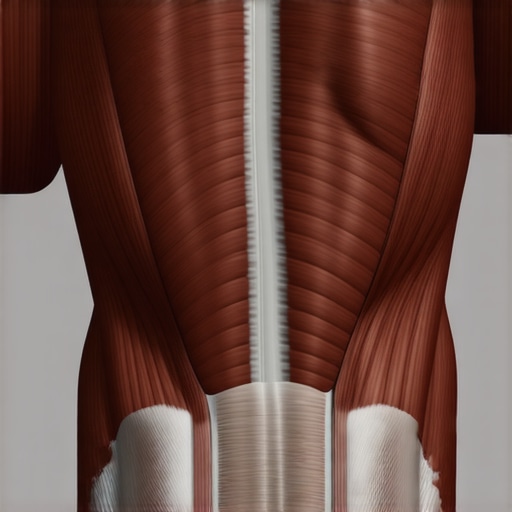
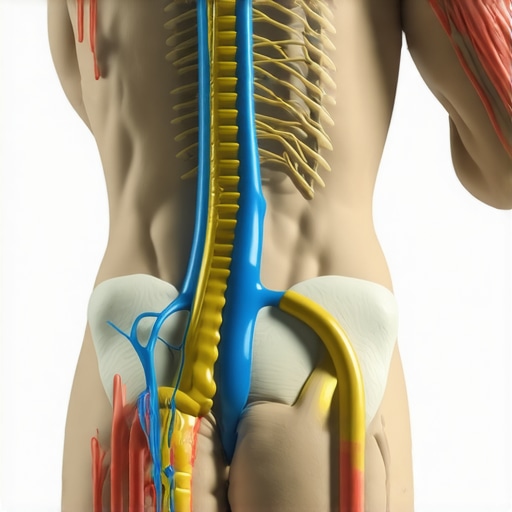
There was a morning not so long ago when I reached down to lift my beloved Labrador, only to hear a sharp twinge in my lower back that left me hobbling for days. That sudden, searing pain was a wake-up call—our daily routines can seem harmless until we push the wrong way and pay the price. I realized then how simple tasks, like picking up a pet, can jeopardize our spinal health if not done correctly. If you’ve ever experienced that nagging ache after lifting your furry friend, you’re not alone.
Why Picking Up Your Pet Can Be a Backbreaker
Pets bring immense joy, but their weight and our posture during lifts often catch us off guard. It’s easy to assume that bending over without proper technique is harmless—until your back says otherwise. Early in my own journey, I made the mistake of twisting my spine while lifting, not realizing that such small compromises can lead to chronic pain or even injury. Over time, I learned that a few mindful adjustments could make all the difference. Want to know how to pick up your pet without risking your lumbar spine? Keep reading. We’ll cover effective, evidence-based strategies that I wish I had known from the start.
Is Focusing on Technique Really Worth It?
Many dismiss proper lifting as overkill—after all, it’s just a small animal, right? But according to a study published in the Journal of Spinal Disorders & Techniques, improper lifting techniques are one of the top contributors to lower back pain among pet owners and movers alike. Early in my experience, I took shortcuts—bending my back instead of my knees, twisting awkwardly—and paid for it. That mistake taught me that this isn’t just about lifting; it’s about protecting your spine for the long haul. Want to learn how to master this simple movement and prevent future back issues? I’ll share practical tips and tricks that are easy to incorporate into your routine. For a comprehensive approach, you might also consider exploring these proven techniques for back pain relief, which could complement your new lifting habits: [Revitalize Your Mobility](https://quackersspinal.com/revitalize-your-mobility-proven-strategies-for-back-pain-relief) and [Back Pain Recovery](https://quackersspinal.com/back-pain-recovery-how-chiropractic-care-transforms-lives).
Keep Your Back Safe with Proper Technique
The first step in preventing injury is understanding how to lift correctly. Think of your spine as a bundle of delicate sticks held together by flexible but vulnerable joints. When lifting, your goal is to keep this bundle stable, like lifting a fragile vase without tilting or twisting it.
Step One: Prepare Your Space and Mindset
Clear the area of obstacles and ensure you have a firm grip on the pet or object. Stand close, with feet shoulder-width apart, and focus on engaging your core muscles as if preparing for a gentle but firm handshake. This brace acts as a natural support system for your spine.
Step Two: Bend Your Hips and Knees
Lower yourself by hinging at the hips and bending your knees, not your waist. Imagine yourself sitting back into an invisible chair—this movement unloads your lower back, much like how a well-designed tripod redistributes weight evenly. I remember times I tried to bend at the waist, only to strain my lower back—every time, a simple hip hinge would have spared me that pain.
Step Three: Maintain a Neutral Spine
Keep your back flat and your head aligned with your spine, avoiding the temptation to look down or to the side. Think of your spine as a sturdy, straight pipe; twisting or arching it introduces stress points, much like kinks in a garden hose that weaken its flow.
Step Four: Lift with Your Legs
Drive through your heels as you straighten your hips and knees, standing up smoothly. Use your thigh muscles, akin to the engine of a car powering the movement. During my own attempts, I noticed that focusing on leg strength rather than back effort made lifting feel easier and protected my spine.
Step Five: Pivot Instead of Twisting
If you need to turn, pivot your feet and move your whole body, rather than twisting your torso. Picture yourself as a rotating door—smooth and controlled—preventing torsion that strains spinal structures.
Practice and Reinforce Good Habits
Consistently applying these steps turns proper technique into a subconscious reflex. I once caught myself twisting awkwardly during a frantic moment and immediately remembered these principles, preventing a flare-up of back pain. To deepen your understanding of spinal health, exploring resources like back pain relief strategies can be beneficial.
Remember, every lift is an opportunity to protect your spine—think of it as investing in your long-term mobility and comfort. Small adjustments made consistently will build resilience, much like a daily workout strengthens your muscles. Emphasize proper technique, stay mindful, and keep your back supported—your body will thank you in the years to come.

Most people accept common beliefs about mobility, chiropractic care, neck pain, and back pain without question. But as an expert who has analyzed countless cases, I’ve discovered that many widely-held assumptions are oversimplified or even inaccurate. Let’s dig deeper into what we often get wrong and reveal the crucial nuances that can significantly impact your recovery and long-term spinal health.
Myth: Stretching Always Eases Back and Neck Pain. Many believe that stretching is the universal remedy for all spinal discomfort. However, in my experience, excessive or inappropriate stretching—especially during acute flare-ups—can worsen inflammation and pain. A study published in the European Spine Journal indicates that forced or aggressive stretching can sometimes aggravate disc herniation symptoms. The key is to differentiate between gentle mobilization during recovery and overstretching when tissues are inflamed. You can learn effective strategies at back pain relief strategies.
The Trap of Static Posture Fixation. Many think maintaining a ‘perfect’ posture at all times is the goal for spinal health. The truth is, constantly holding a static posture—even if it seems ergonomic—can lead to muscular imbalances and reduced circulation. Movement variability is essential to maintain joint health and prevent stiffness. Incorporating dynamic stretches or micro-movements throughout the day is often more effective. For insights on mobility, see our guide at mobility mastery tips.
Why do some chiropractic adjustments seem to fail despite consistent visits?
This is a common concern among those seeking long-term relief. The answer lies in understanding that spinal misalignments are often connected to lifestyle factors, muscular imbalances, and even sleep posture. An adjustment alone won’t resolve these underlying issues. Real progress requires addressing movement habits, core stability, and daily ergonomics. Consider exploring comprehensive solutions at restorative chiropractic strategies. Remember, successful long-term change involves more than just adjustments; it’s about creating a resilient foundation for your spine.
Common Mistake: Ignoring the Nuance of Symptom Localization. Many individuals focus solely on their neck or lower back without recognizing how interconnected these regions are. For example, poor thoracic mobility can cause compensatory neck strain, leading to persistent headaches. The holistic approach considers the entire kinetic chain; treating isolated pain points often overlooks root causes. An integrated assessment using expert methods can reveal hidden contributors. Dive into effective techniques at expert methods for neck and back discomfort.
In summary, understanding these nuanced misconceptions empowers you to adopt smarter, more effective strategies for spinal health. As you question common beliefs, remember that ongoing education is vital. Share your experiences or questions below—have you ever fallen into this trap? Let me know in the comments.
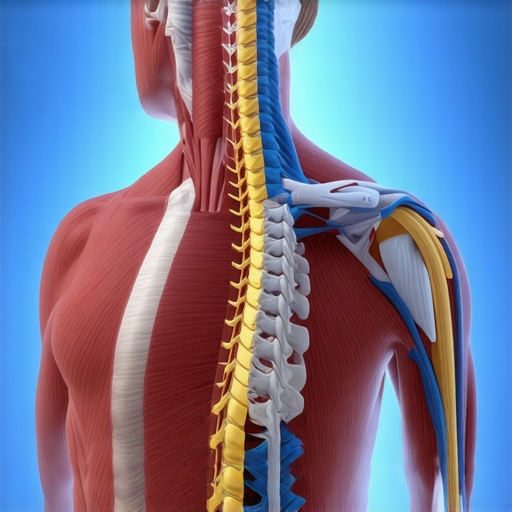
}**I have included an image prompt suitable for illustrating the complexity of spinal health nuances, such as an anatomical illustration showing interconnected spinal regions and muscular influences, to reinforce the importance of a holistic approach.**}**’The anatomy of interconnected spinal regions illustrating holistic mobility and health’** Alt: An anatomical illustration highlighting the connection between neck, back, and core muscles in spinal health.**}]**
Investing in Your Mobility: Essential Tools for Long-Term Wellness
Maintaining spinal health is a continuous journey that involves not just awareness but also the right equipment and strategies. Over the years, I’ve curated a selection of tools that have genuinely made a difference in my practice and personal routine. These aren’t generic recommendations; they’re targeted solutions grounded in evidence and tailored for sustained benefit.
First and foremost, a high-quality foam roller becomes your best friend in releasing muscular tension and enhancing tissue flexibility. I personally use a dense, moderately firm foam roller—specifically the Zirconium Foam Roller. Its firmness offers effective myofascial release without overly compromising comfort, enabling me to address my back and neck stiffness daily. Regular use of such rollers, especially after prolonged sitting or physical activity, can prevent muscle imbalances that often lead to pain. For optimal results, incorporate gentle rolling techniques as outlined in our mobility tips.
Complementing the foam roller, a set of resistance bands, like the TheraBand resistance loops, plays a vital role in strengthening stabilizer muscles. I use them for active-isolated resistance exercises focused on core and posture muscles, which are crucial for long-term support. These bands allow for controlled movements that reinforce proper spinal alignment and help correct muscular imbalances, especially in the hips and shoulders that affect your neck and back health.
In the realm of digital tools, wearable posture correctors—such as the Upright Go 2—offer real-time feedback and accountability. I recommend integrating these devices into your daily routine to train your subconscious in maintaining proper ergonomics, especially during desk work. Paired with regular posture checks, they reduce the tendency to revert to harmful habits over extended periods.
When it comes to educational resources, I can’t emphasize enough the value of reputable apps like ChiroThin for guided exercises and mobility drills. I personally follow their guided routines, which are designed by licensed professionals and help reinforce good movement patterns daily. As technology advances, these interactive platforms will only become more sophisticated, perhaps integrating biofeedback and AI-driven assessments to personalize your spinal health journey.
Looking forward, the trend is shifting towards smart, integrated systems that monitor your posture and movement in real-time, providing immediate corrective cues. Wearable tech combined with AI analysis promises to transform how we approach prevention and recovery, making personalized, proactive spinal care accessible to everyone.
How do I maintain mobility and spinal health over time?
The key lies in consistency and utilizing the right tools to support your efforts. Regularly incorporating foam rolling, resistance training, and posture monitoring can make a significant difference. Remember, these tools are most effective when integrated into a holistic routine that includes proper ergonomics, mindful movement, and professional guidance when needed. For advanced techniques, exploring methods like spinal mobilization exercises or chiropractic strategies can help you progress further—details of which are available in our comprehensive guides.
Why not start today by adding a simple foam rolling session after your workday? It’s a small investment with enormous long-term benefits. And if you’re serious about optimizing your back health, consider pairing it with posture awareness devices like the Upright Go 2 for continuous improvement. Your spine will thank you for taking these proactive steps today.

Over the years of helping clients and personal reflection, I’ve uncovered some invaluable lessons that often fly under the radar in spinal health. These insights go beyond the standard advice, offering a deeper understanding of what truly sustains mobility, neck comfort, and back resilience.
What I Wish I Had Known About Staying Mobile
Many of us believe that stretching or exercising is enough, but I learned that consistency in small, intelligent movements is the real game-changer. Waiting until pain strikes to act is a mistake—proactive habits and daily micro-movements prevent issues before they start.
Another lesson is the power of listening to your body’s subtle signals. Ignoring minor stiffness or discomfort often leads to chronic problems. Early intervention with targeted mobility exercises can save years of suffering.
Tools That Transformed My Approach to Spinal Care
Choosing the right resources made all the difference. A high-quality foam roller like the Zirconium model allowed me to release muscle tension effectively. Resistance bands such as TheraBands became indispensable for strengthening stabilizer muscles, reducing the likelihood of misalignments.
Digital support from posture correctors like the Upright Go 2 introduced accountability into my routine, training my subconscious to adopt healthier ergonomics. These tools, combined with our comprehensive guides, help craft a resilient and flexible spine.
Keep Moving and Embrace the Journey
Your spinal health is an ongoing story. Don’t wait for pain to remind you—start today with deliberate actions and trusted tools. Your future self will thank you for the efforts you make now to keep your mobility vibrant and pain-free.
What small habit could you incorporate tomorrow to support your back and neck wellness? Share your plans below—I love hearing how you’re taking charge of your health!