The 60-second move to open up your chest after a day at the desk
It hit me one late evening, sore back and neck aching more than usual, when I finally realized my daily grind was quietly stealing my mobility. Sitting for hours, hunched over screens, left me feeling stiff, tense, and increasingly frustrated. That elusive, nagging discomfort had become my norm—until I discovered a game-changing trick that takes just a minute. If you’ve ever felt that tightness creeping into your chest after a long day of desk work, you’re not alone. What if I told you there’s a quick, effective move that could liberate your shoulders and restore your posture—without a visit to the chiropractor? Today, we’re diving into that simple solution.
The Power of the 60-Second Chest Opener
After years of battling the same discomforts, I started experimenting with quick mobility exercises—little routines I could do during breaks that actually worked. The one that stood out was an easy move to open up my chest and counteract the forward slump many of us develop. I was skeptical at first; could such a small effort really make a difference? But I soon found that dedicating just a minute to this stretch redefined how my body felt, especially after hours at the desk. This is more than just a stretch—it’s a reset button for your posture and breathing, helping to alleviate pain and improve your overall mobility.
The benefits are remarkable: less tightness, deeper breaths, and a surprising boost in energy. In fact, posture issues like rounded shoulders and tight chests don’t just cause discomfort—they can impact your mood and productivity too. When you open your chest fully, you enhance your lung capacity and circulation, which can positively influence your mental clarity and reduce fatigue. The good news? This move is simple, quick, and can be done right at your desk or living room.
Is This Quick Fix Worth the Hype?
Initially, I was skeptical about whether a 60-second move could genuinely help. I’d made plenty of mistakes early on—like neglecting the importance of consistent movement and underestimating how crucial posture is—things I learned the hard way. Trust me when I say, addressing these issues with small, daily practices beats expensive treatments and endless stretches that don’t stick. If you’ve been ignoring your posture or suffering from tightness, you’ll want to read on. I’ll guide you through the exact steps and share insights from top chiropractors that can help you regain your mobility and comfort. Curious? Well, you’re about to discover a simple movement that could improve your life.
If you’ve struggled with that stubborn chest tightness or felt the dread of stiff shoulders after a long day, this article is for you. Ready to unlock your posture potential? Let’s get into the practical steps that make this all possible.
Step Into Your Space and Prepare
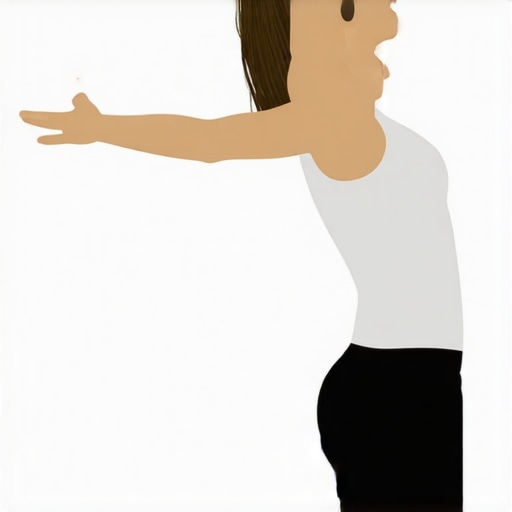
Start by standing tall in front of your desk or a wall, feet shoulder-width apart. Place your hands behind your back, clasping your fingers or grabbing your wrists. Think of this as setting the foundation—like tightening the strings of a musical instrument before tuning it. This initial posture primes your shoulders and chest for the stretch. I remember a day when I was at my desk, feeling that same tightness. I paused, took a deep breath, and readied myself for this move, which instantly alleviated my discomfort.
Open Up with a Deep, Controlled Stretch
Now, gently pull your shoulders back and down while lifting your chest. Imagine you’re trying to broaden your collarbones and puff out your chest slightly. Hold this position for about 15-20 seconds, focusing on deep, diaphragmatic breathing. Initially, I wobbled a bit trying to hold the position, but with practice, it became smoother. This intentional movement counteracts the hunched posture built from long hours at the computer, much like unwinding a twisted wire to restore flexibility.
Adjust for Comfort and Effectiveness
Ensure you’re not overextending or causing any discomfort. Keep the movement gentle—think of it as gently opening a door, not forcing it shut. If you have shoulder or neck issues, modify the grip or range accordingly. I learned this when I first tried it; pushing too hard only led to soreness. Remember, the goal is mobilization, not strain. For some, adding a slight neck tilt while opening the chest can deepen the stretch. You might find that leaning slightly forward or backward amplifies the effect, depending on your anatomy.
Hold and Release for Max Benefit
Maintain the stretch for 15-20 seconds, breathing deeply throughout. Feel the expansion across your ribcage and shoulders. When releasing, do so slowly—like easing a heavy lid open—allowing your muscles to relax gradually. After the stretch, notice how your shoulders feel lighter and your breathing is more effortless. I made the mistake early on of rushing through it, but patience turned this routine into a powerful reset for my posture. Incorporate this move during short breaks or after long periods of sitting to keep mobility at its peak.
Integrate into Your Daily Routine
Make this a habit—set a timer or associate it with another activity, like opening your emails. Consistency is key; even a minute a few times a day can continually combat the tightness that creeps in. As you progress, experiment with slight variations—raising your arms, changing hand positions, or extending the hold—to target different muscles. For more detailed insights on back and neck pain relief, explore expert tips from chiropractors. Remember, this simple move is just one piece of a comprehensive approach to maintaining mobility and reducing discomfort.Many people believe that back pain, neck discomfort, and mobility issues are simply due to muscle strain or a single injury, but these assumptions often overlook deeper complexities. A common misconception is that rest alone will resolve chronic issues, yet evidence suggests that prolonged inactivity can weaken supportive structures and exacerbate problems (see [Mobility Mastery](https://quackersspinal.com/mobility-mastery-expert-tips-for-back-pain-prevention-and-recovery)). Critics frequently advise aggressive stretching as a first line, but overstretching stiff tissues can lead to micro-tears or increased inflammation, making pain worse in the long run. Skilled practitioners understand that the body’s response to pain involves nervous system feedback, not just tissue damage, emphasizing the importance of holistic approaches like [chiropractic care](https://quackersspinal.com/enhance-mobility-naturally-with-chiropractic-care) for restoring proper function.
A subtle but crucial point often missed is the significance of joint alignment versus muscle strength. Many think strengthening alone will fix chronic pain, but improper joint positioning can limit mobility despite powerful muscles. For example, even robust core muscles won’t compensate if the lumbar vertebrae are misaligned, which is why comprehensive assessments are key. Furthermore, beware of the myth that all chiropractors make quick adjustments and expect permanent results; in reality, building sustainable mobility requires a tailored plan, including lifestyle modifications. For insights into advanced techniques, see [regain full mobility](https://quackersspinal.com/chiropractic-secrets-to-regain-full-mobility-after-injury).
Curious about what most people get wrong about neck pain? Many believe that neck stiffness or headaches stem solely from soft tissue issues, but research points to the role of spinal alignment and nervous system health. Misaligned vertebrae can disrupt nerve signals, leading to persistent pain that appears disconnected from an injury. Recognizing these hidden nuances means adopting a comprehensive view—considering posture habits, ergonomic factors, and spinal health together.Maintaining your spinal health over the long term requires more than just sporadic stretches; it demands the right tools, consistent routines, and an understanding of how to adapt as your body evolves. One indispensable device I personally rely on is a high-quality foam roller, specifically the lengthened, dense variants like the grid foam roller. I use it daily to target my paraspinal muscles and fascia, releasing tension and improving blood flow—an approach supported by sports medicine experts. Regular foam rolling can prevent the formation of myofascial adhesions, which are often culprits behind persistent stiffness and pain. Incorporating this into your warm-up or cool-down routines amplifies the effectiveness of further mobility exercises and chiropractic treatments.
Beyond physical tools, digital solutions also serve as valuable aids. I recommend using a posture-tracking app that syncs with your smartphone or wearable device. These apps provide real-time feedback, reminding you to correct your posture before pain takes hold—I’ve found them particularly useful during long workdays. They also log data over time, allowing you to spot patterns and adjust your habits proactively. As technology advances, expect more sophisticated biofeedback systems that integrate sensor arrays to offer personalized movement coaching, making mobility maintenance more intuitive and less effortful.
When it comes to professional support, scheduling periodic chiropractic assessments is crucial. Rather than waiting until pain becomes debilitating, I advocate for regular check-ins with a chiropractor who can fine-tune your joint alignments before they cause problems. Proven techniques like spinal mobilization and targeted adjustments help maintain optimal neural communication and joint function. Complement this with self-administered stretches, such as the simple chest opener I described earlier, which reinforce the gains made during professional sessions.
Prediction for the future leans toward integrated health solutions: wearable sensors will become more precise, and AI-driven apps will suggest adjustments tailored to your daily activity levels and genetics. This personalized approach will empower you to stay ahead of pain triggers and keep your spine in prime condition.
To ensure lasting benefits, I suggest establishing a routine that combines these tools—like foam rolling, digital posture monitoring, and periodic professional care—into your daily life. Remember, consistency is key; even a few focused minutes each day can significantly extend your mobility’s longevity. If you’re wondering how to deepen your maintenance strategy, explore our comprehensive guide on mastering back and neck pain relief.
How do I maintain my mobility over time? The answer lies in building sustainable habits and leveraging technological advancements. Specific methods like biofeedback devices can help you develop a keen awareness of your posture, allowing for immediate correction and long-term improvement. For example, the use of smart wearable sensors that alert you when your cervical spine shifts out of alignment reinforces proper habits—it’s like having a personal trainer watching over you at all hours. I recommend trying an advanced technique like using a sensor-embedded posture brace during work hours, which you can find detailed at this resource. committed consistency with these tools can dramatically reduce the risk of future pain and help you maintain a mobile, pain-free life.Throughout my journey into improving mobility and alleviating neck discomfort, I’ve uncovered some less obvious truths that can make all the difference. One hard-won insight is that consistent, mindful movement steadily outperforms sporadic stretches or quick fixes. I once believed that intense routines or lengthy therapy sessions were necessary, but I realized that tiny, daily habits—like that 60-second chest opener—compound over time, creating profound change. Another lesson was recognizing the importance of listening to my body’s signals; forcing a stretch or ignoring lingering pain only delayed recovery. It became clear that patience and gentle persistence are key. Lastly, I learned that integrating technology, like posture tracking apps and chiropractic care, transforms the maintenance of mobility from a chore into an empowering daily ritual. Embracing these nuanced lessons shifted my perspective from seeking quick relief to cultivating sustainable habits for lifelong spinal health.